
Rockport and Port Aransas Fish Species Guide
Rockport and Port Aransas do not fish the same way every month. The same shoreline that holds tailing redfish in October may need a deeper channel plan after a February cold front. A slick calm summer morning may be a trout morning at daylight and a nearshore kingfish day once the Gulf settles. This guide brings the target species into one place so anglers can see what Captain Blake is actually planning around: season, tide, water color, bait, structure, tackle, and honest expectations.
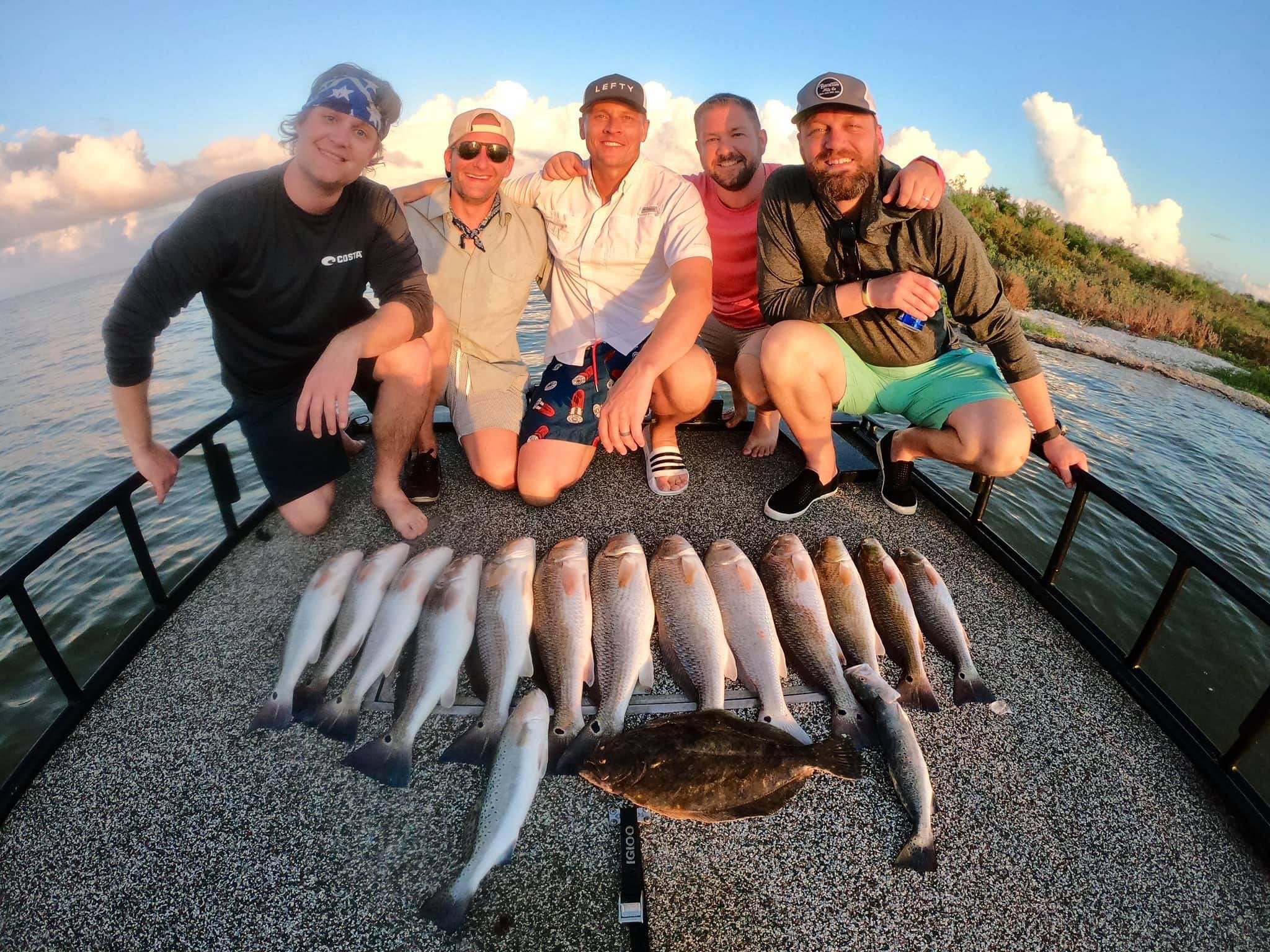
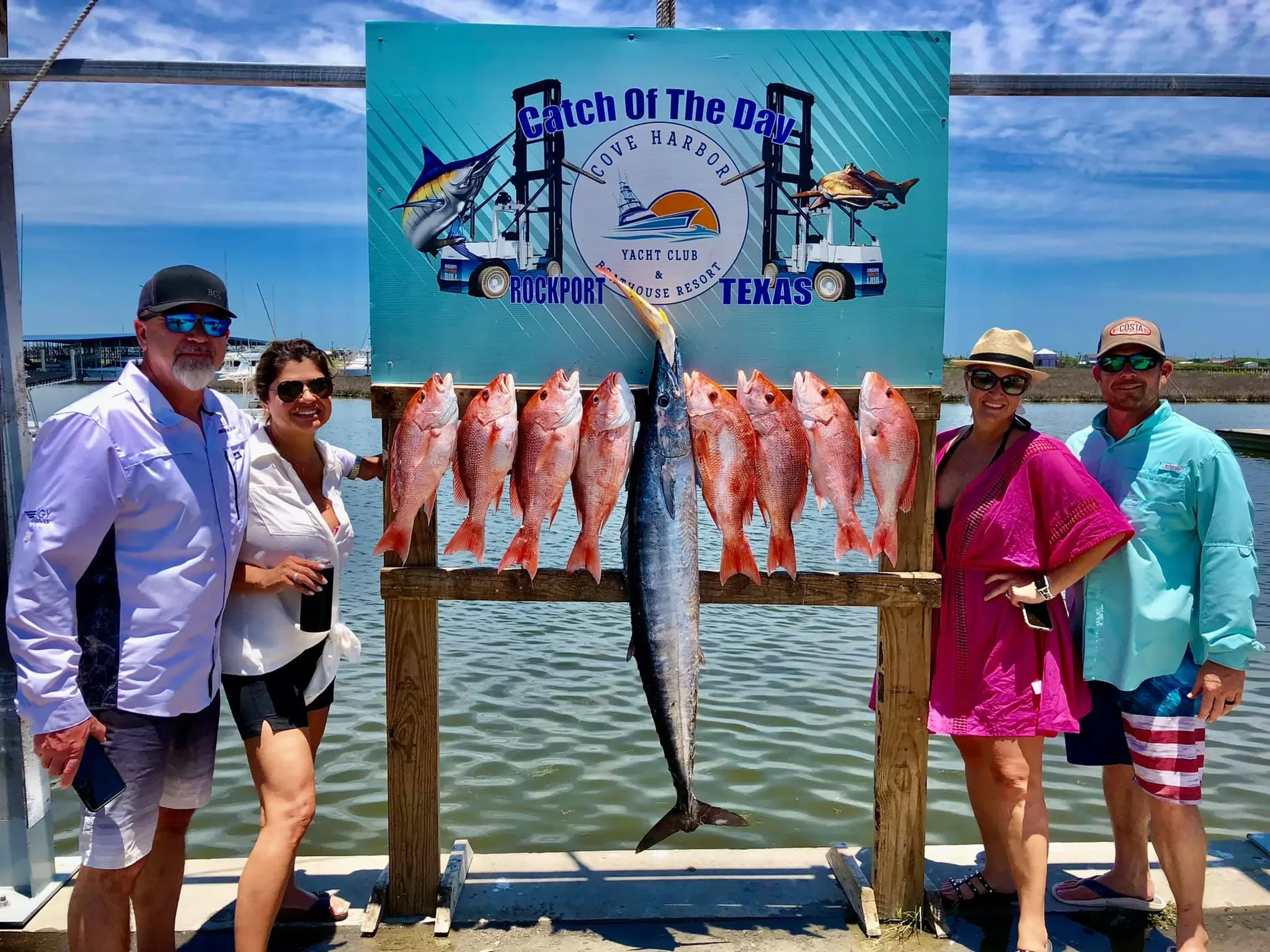
Texas Crew'd trips most often focus on redfish, speckled trout, flounder, black drum, and mixed-bag inshore fishing around the Rockport bay system. When conditions and trip type line up, Blake also targets sheepshead, sharks, Spanish mackerel, kingfish, red snapper, cobia, mahi-mahi, tuna, wahoo, and marlin through Port Aransas and the Gulf.
Seasonal Species Snapshot
| Species | Best Local Window | Best Conditions | Honest Expectation |
|---|---|---|---|
| Redfish | Late summer through fall, available most of the year | Moving tide, bait on flats, light chop, marsh drains, shell edges | Best all-around inshore target for action and power |
| Speckled trout | Spring, early summer, and fall | Green water, bait over grass or shell, early morning, steady tide | Great numbers when conditions line up; bigger fish need patience |
| Flounder | October into early December | Cooling water, outgoing tide, drains, sandy drop-offs, channel edges | Fall is the real window; summer flounder fishing is tougher |
| Black drum | Winter through spring, dependable in cooler months | Structure, mud or shell bottom, fresh scent bait, slower presentations | One of the best backup plans when wind or cold changes the day |
| Sheepshead | Winter into early spring | Pilings, rocks, oysters, clear current, small natural baits | Excellent light-bite species when they are stacked on structure |
| Spanish mackerel | Late spring through summer | Clean moving water, birds, bait schools, jetties, nearshore structure | Fast action when bait is visible |
| Kingfish | Summer into early fall | Calm Gulf, green to blue water, rigs, wrecks, bait schools | Weather-dependent but exciting when nearshore water is right |
| Red snapper / cobia | Late spring through summer, depending on seasons | Structure, reefs, wrecks, bait concentrations, clean Gulf water | Strong offshore targets, but harvest depends on current rules |
| Bluewater pelagics | Summer into fall | Blue water, weed lines, temperature breaks, longer Gulf runs | Trophy potential, but not a casual half-day plan |
This table gives the quick answer. The sections below explain how Blake adjusts bait, water, and tackle when that fish becomes the main target.
Redfish / Red Drum
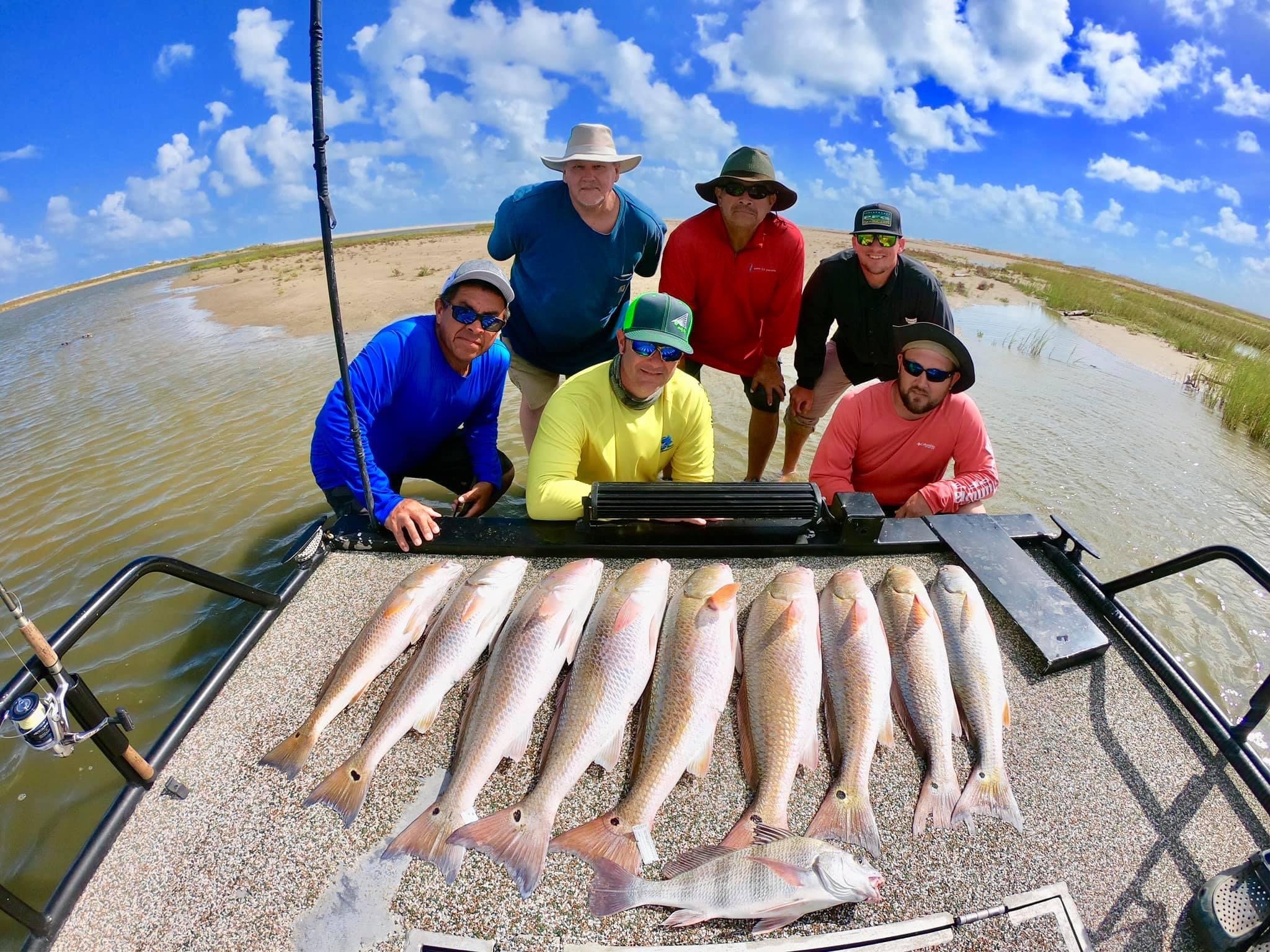
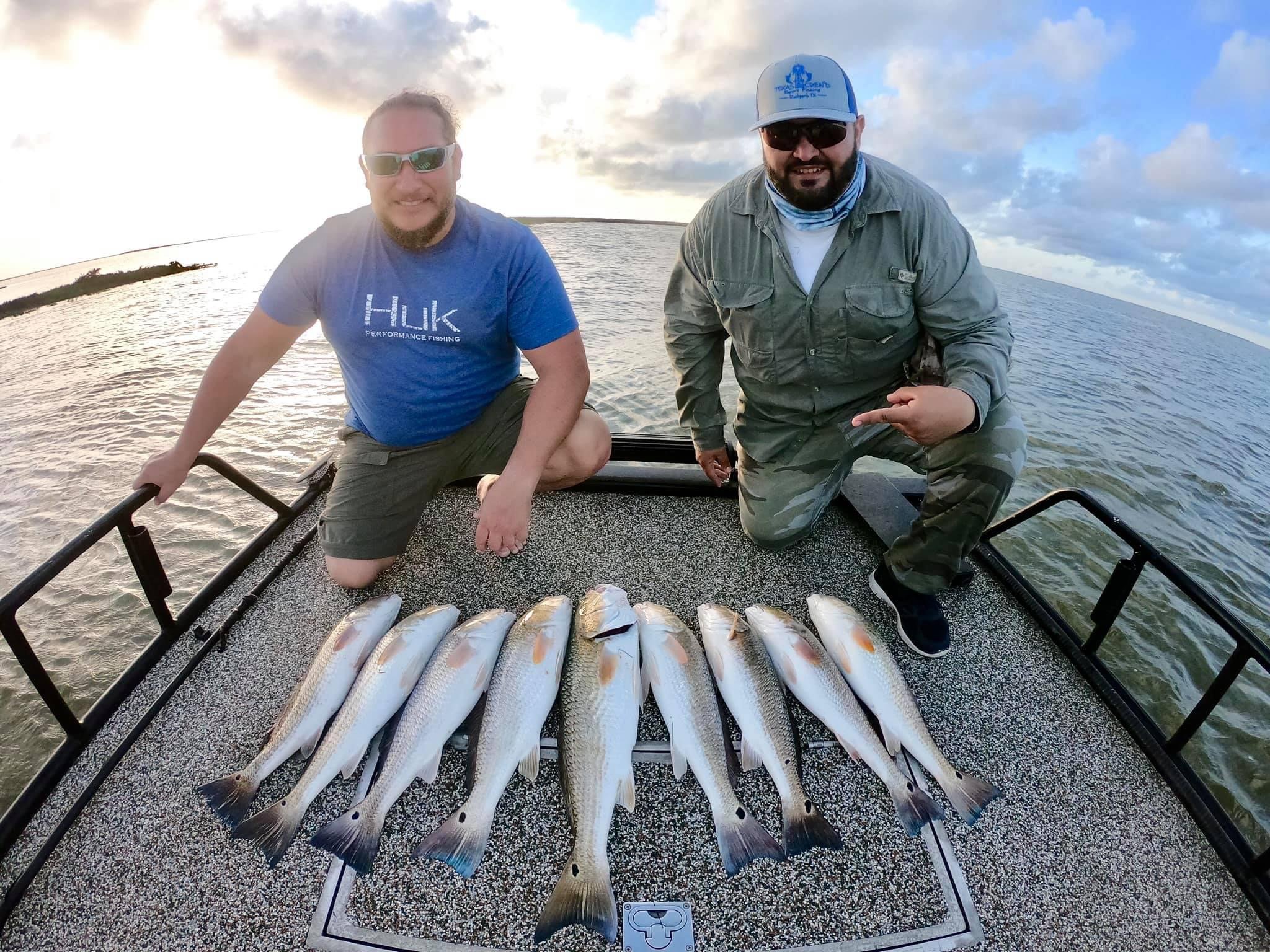
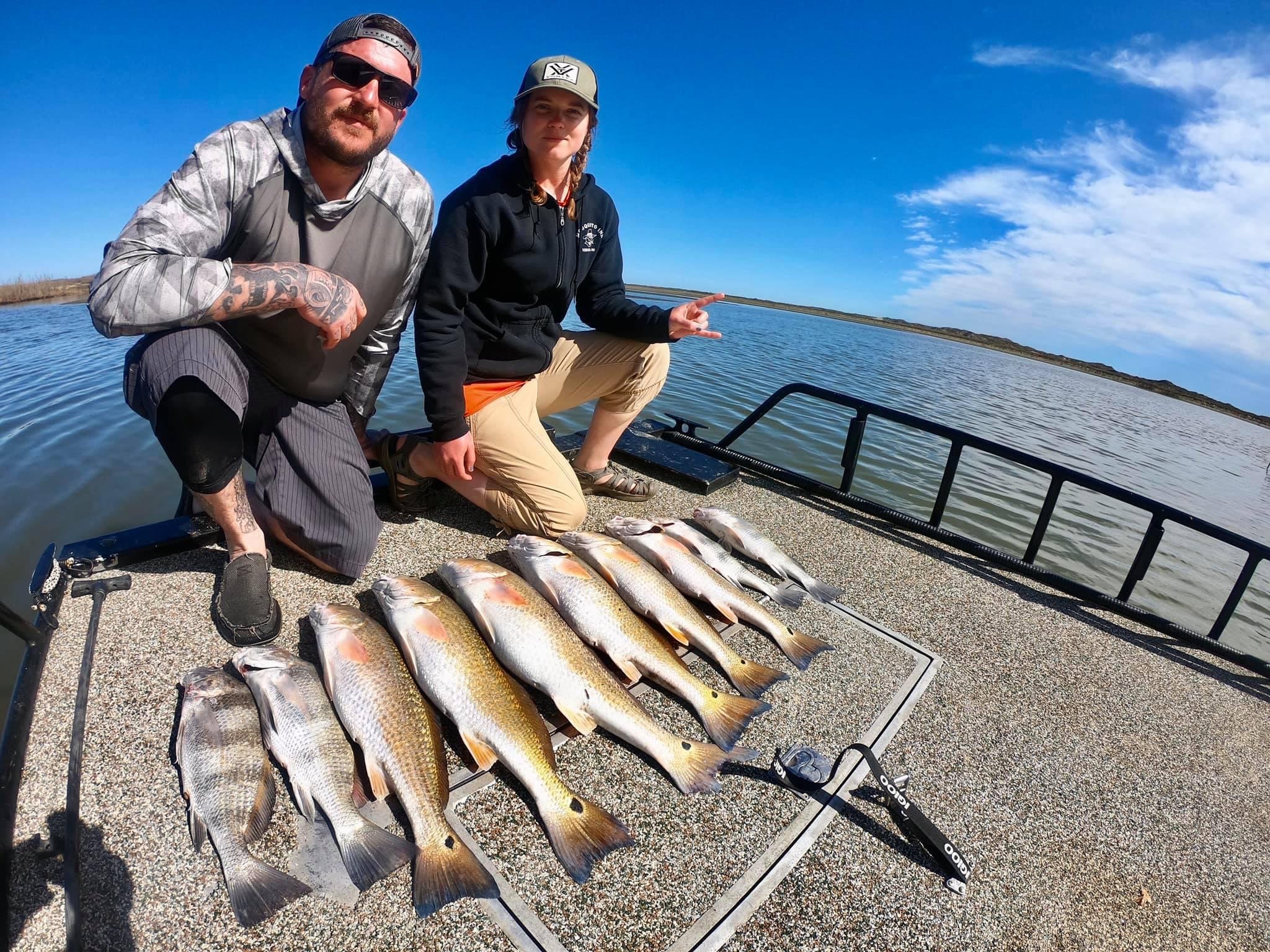
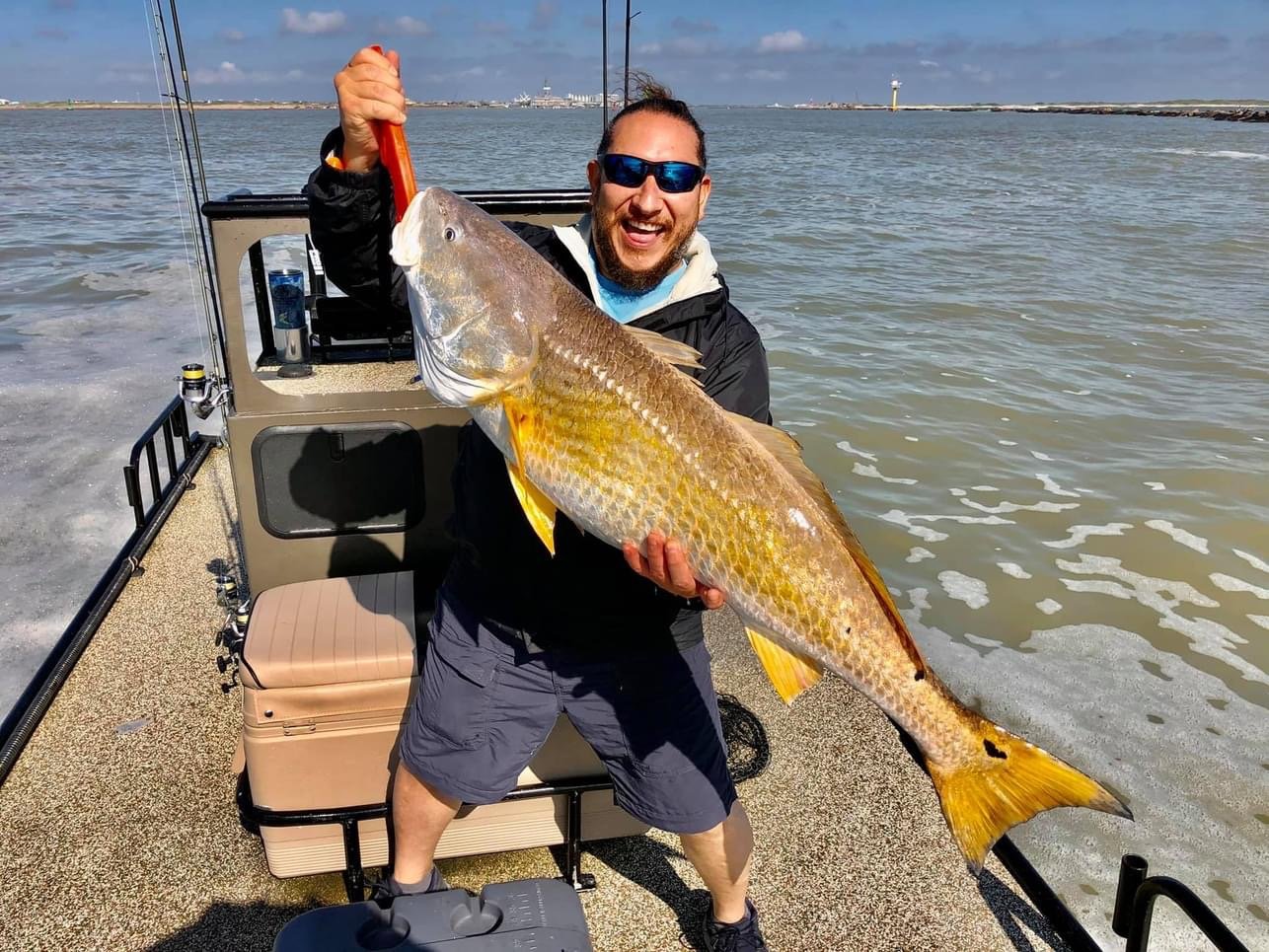
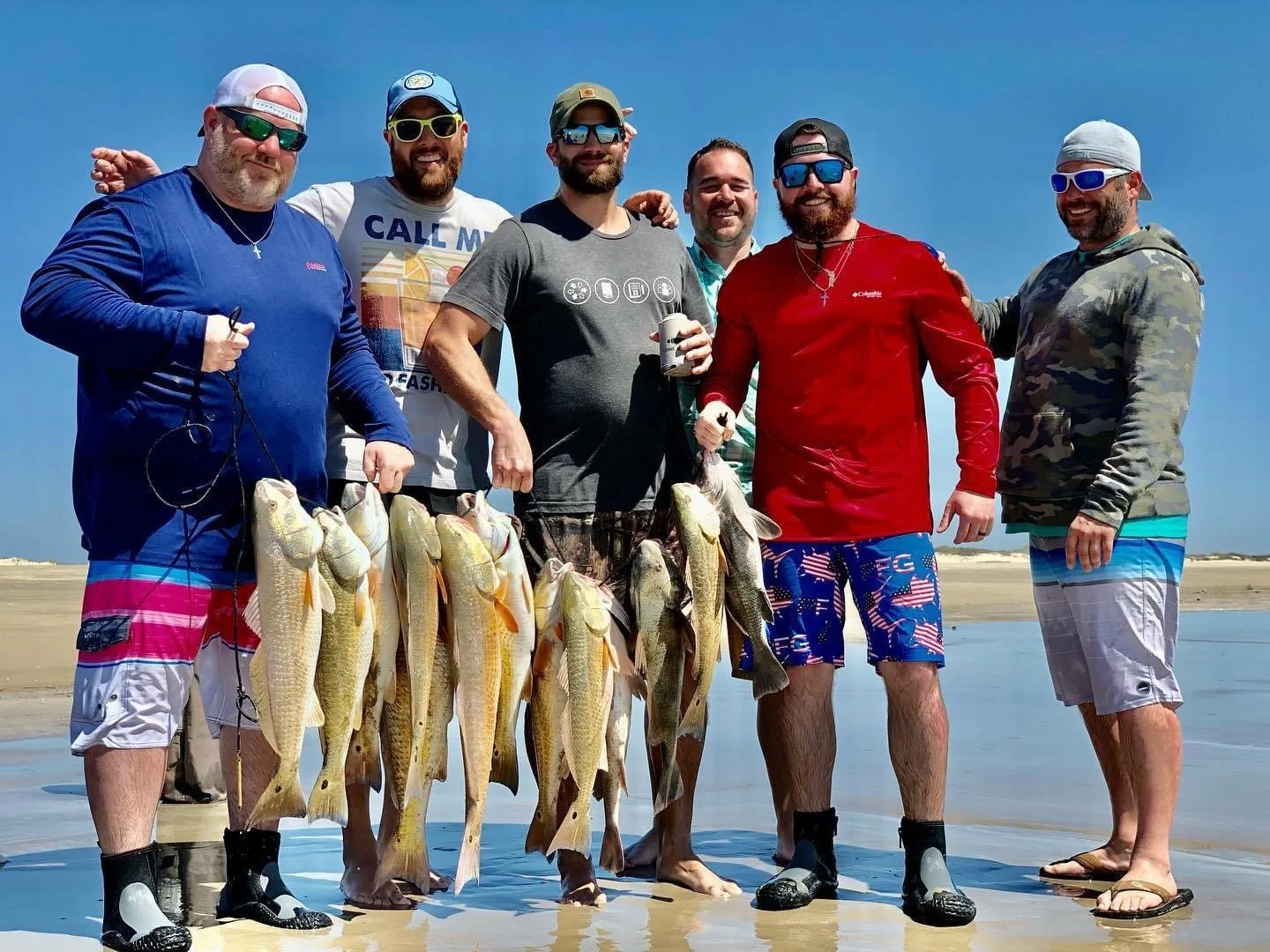
Redfish are the classic Rockport inshore target because they can be caught shallow, they fight hard, and they give Blake several ways to build a trip. Some days are sight-casting days on skinny flats. Some days are popping cork days for families. Some days are about drains, shell edges, and covering water until the school shows itself.
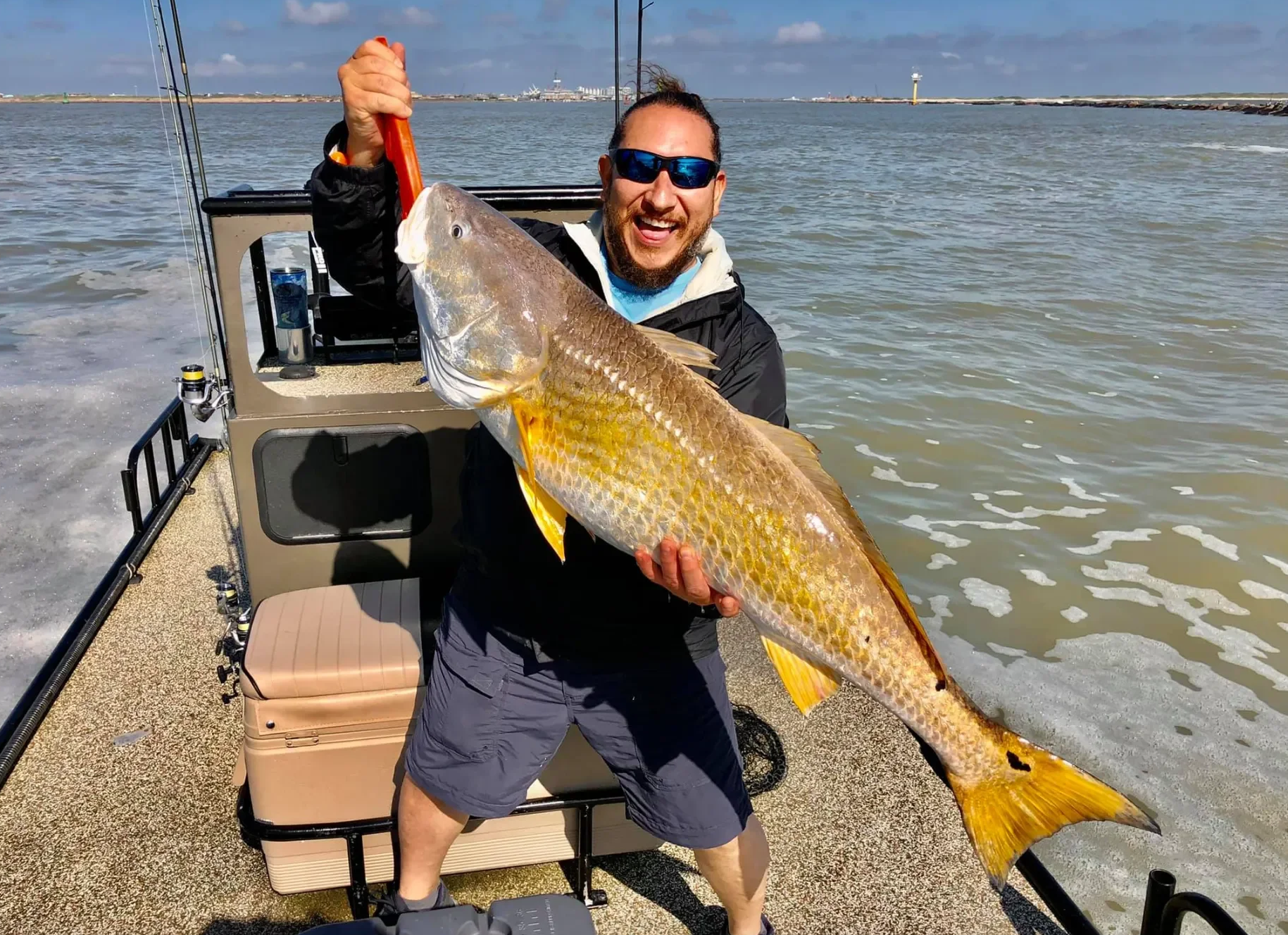
Captain Blake's Personal Tips
Blake does not treat redfish as a one-spot fish. He reads the flat first, looking for bait, nervous water, muddy puffs, wakes, low-working birds, and water moving along a shoreline or drain. If those signs are missing, he would rather move than wait on a dead shoreline.
For beginners and kids, Blake often starts with live shrimp under a popping cork because it keeps the bait in the strike zone and gives a clear signal. For better casters, he may use soft paddle tails, gold spoons, or topwater plugs in low light. Around bigger reds, cut mullet or crab can work better because scent matters.
His favorite window is a morning with moving tide and a light ripple. Glassy water looks nice, but it can make redfish spooky. A little chop helps hide boat noise and lets Blake get anglers closer.
Best Season and Conditions
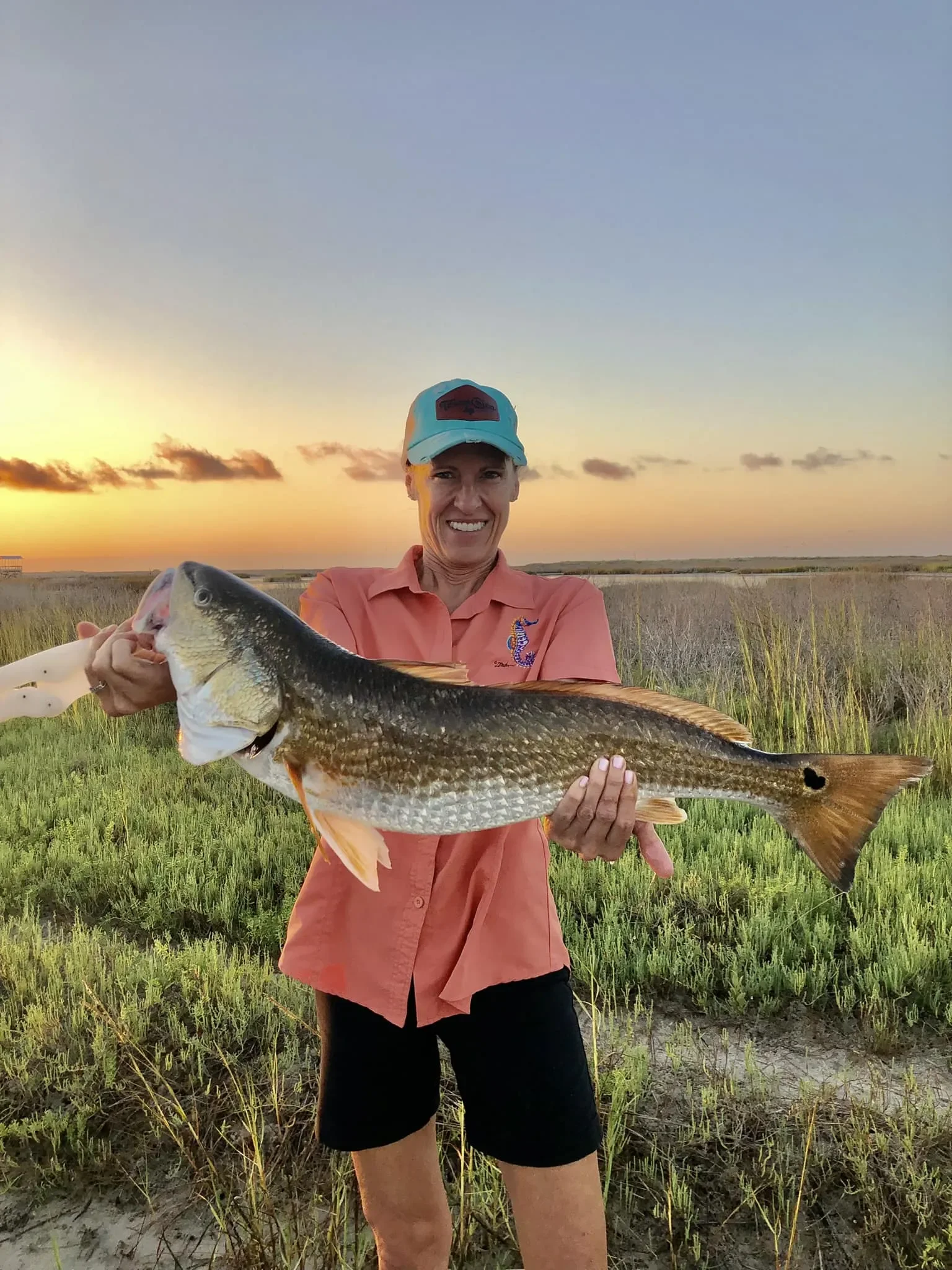
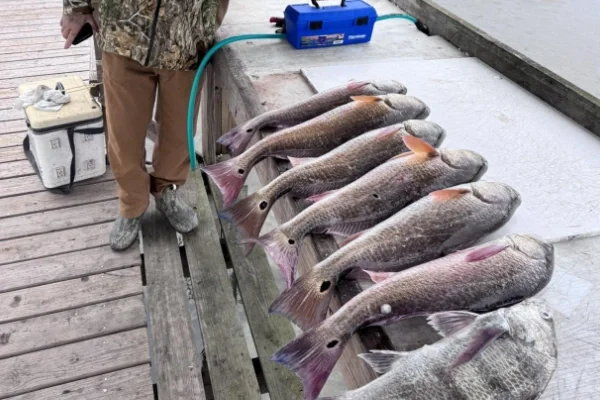
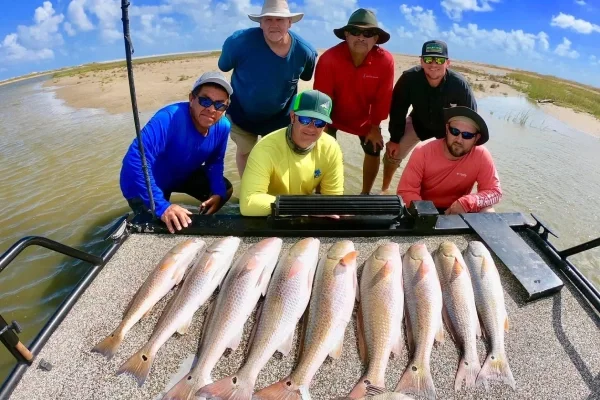
Redfish can be part of the plan almost all year, but the most dependable action around Rockport and Port Aransas usually builds from late summer through fall. September, October, and November are the months when schooling reds, cooling water, and bait movement can make the bite feel electric.
Spring is a strong second window as bait returns and fish push onto flats. Summer can still produce, but Blake works earlier, fishes structure and moving water, and avoids pretending the middle of a hot afternoon is the same as daylight. Winter redfish are still available, but they often require slower presentations, protected water, and patience after cold fronts.
The best redfish conditions are water temperatures roughly from the low 60s into the low 80s, a tide that is either flooding a flat or draining bait through a pinch point, and enough water color or wind texture to keep fish comfortable.
Tackle and Technique
A practical redfish setup is a 7-foot medium or medium-heavy spinning rod, a 2500 to 4000 size reel, 15 to 20 lb braided line, and a 20 to 30 lb fluorocarbon leader around shell, oysters, and grass edges. On live bait trips, popping corks with shrimp are simple and effective. For artificials, Blake can work paddle tails, shrimp imitations, spoons, and topwaters depending on water clarity and how aggressive the fish are.
The key is landing the cast ahead of the fish, not on top of it. Redfish usually give you clues before they eat. Watch the bait, watch the wake, and let the fish move into the presentation.
Speckled Trout / Spotted Seatrout
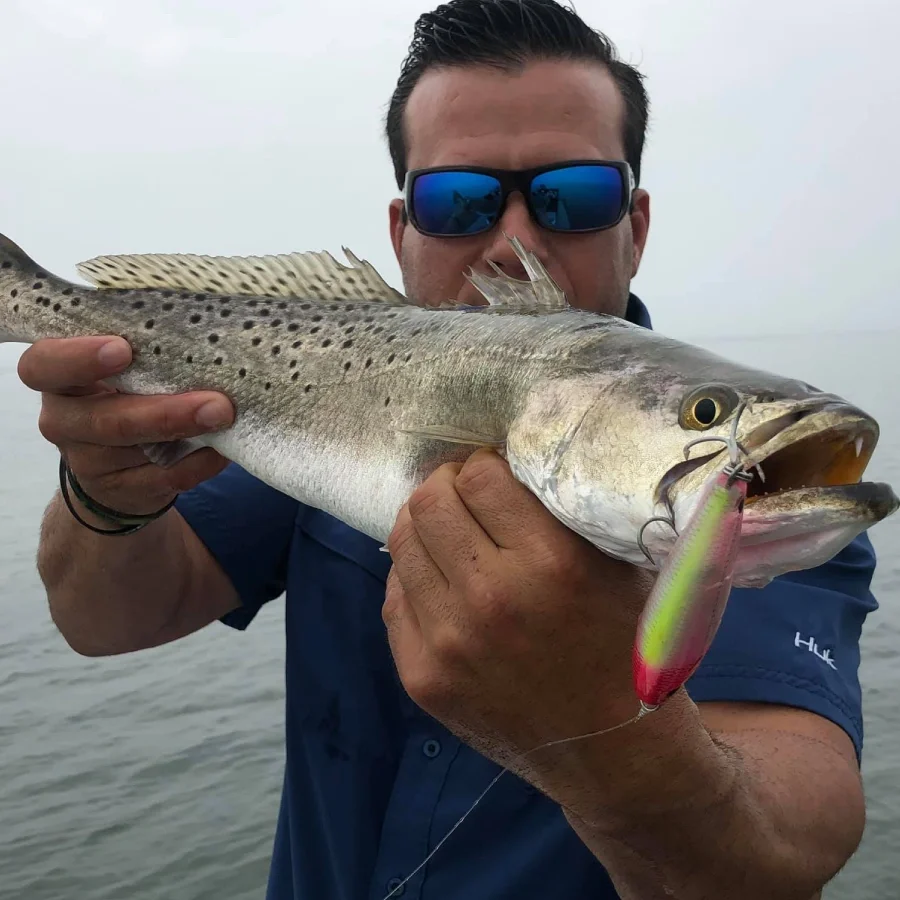
Speckled trout are the fish that make timing matter. Redfish will often forgive a less-than-perfect presentation. Trout are less generous. They care about water color, bait size, lure speed, tide, grass, shell, and how hard the angler sets the hook.
Captain Blake's Personal Tips
Blake likes trout early. On warm months, the best trout plan often happens before the sun gets high. He looks for bait over grass, shell pads, potholes, and edges where shallow water drops into a travel lane. If mullet are flipping, shrimp are popping, or slicks show up, he slows the boat down and gives that water a real pass.
The biggest beginner mistake Blake sees is fishing too fast or setting the hook too hard. Trout have soft mouths. A steady reel-down and controlled sweep land more fish than a bass-style hookset. He also keeps drags lighter than most new anglers expect, especially when the bite is coming on plastics or suspending baits.
When trout are active, Blake may throw topwater first because the strike tells you a lot about the fish. When they are picky, he slows down with soft plastics, shrimp under a cork, or live bait on the right drift.
Best Season and Conditions
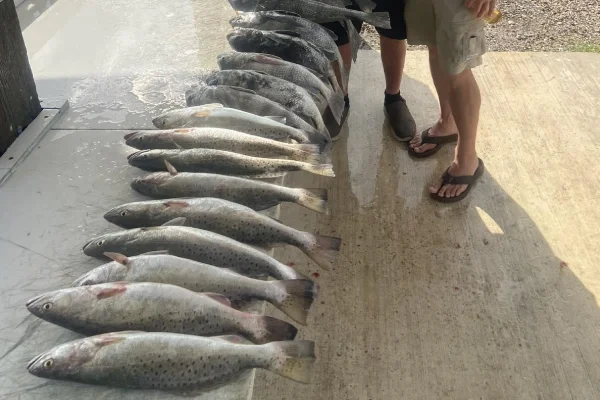
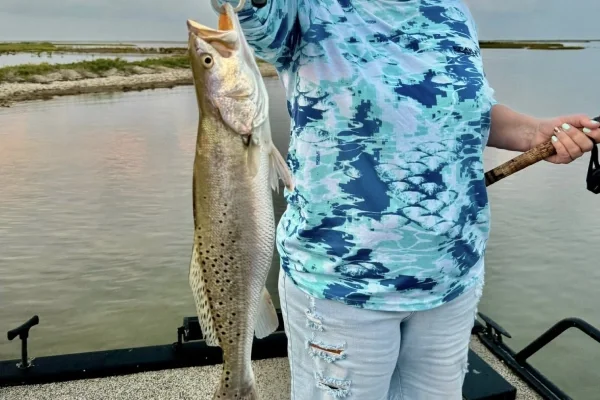
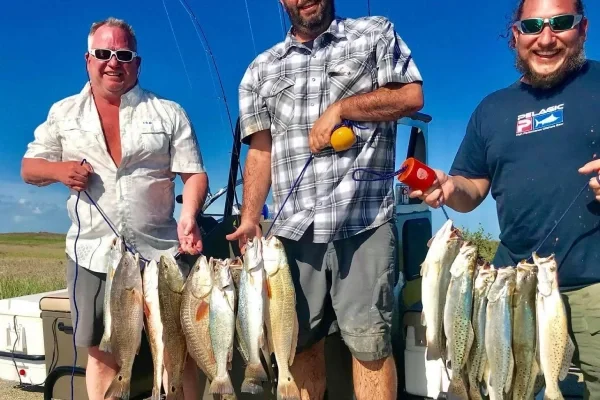
pring, early summer, and fall are the strongest trout windows. March through May often brings fish shallow. May and June can be excellent at daylight. September through November can turn on again as water cools and bait stacks along edges.
Summer trout fishing is not bad, but it is time-sensitive. The early morning bite matters. Midday heat can push fish deeper or make them selective. Winter can produce quality trout, but Blake usually looks for protected water, dark bottom, deeper holes, and warming midday windows after cold fronts.
Ideal trout conditions are usually cleaner green water, water temperatures around 65 to 78 F, light to moderate tide movement, and bait over grass or shell. Trout often do not need violent current, but they do need life in the water.
Tackle and Technique
A trout setup is usually lighter than a redfish setup: a 6-foot-6 to 7-foot medium or medium-light spinning rod, 10 to 15 lb braid, and a 15 to 25 lb fluorocarbon leader. Blake may rig live shrimp under a popping cork for steady action, live croaker or pigfish when appropriate, or soft plastics on light jigheads when fish are feeding lower in the water column.
Topwaters are best in low light over shallow structure. Paddle tails and shrimp imitations are better when the fish want a smaller profile. Suspended twitch baits shine when trout are feeding but not committing to fast-moving lures.
Flounder
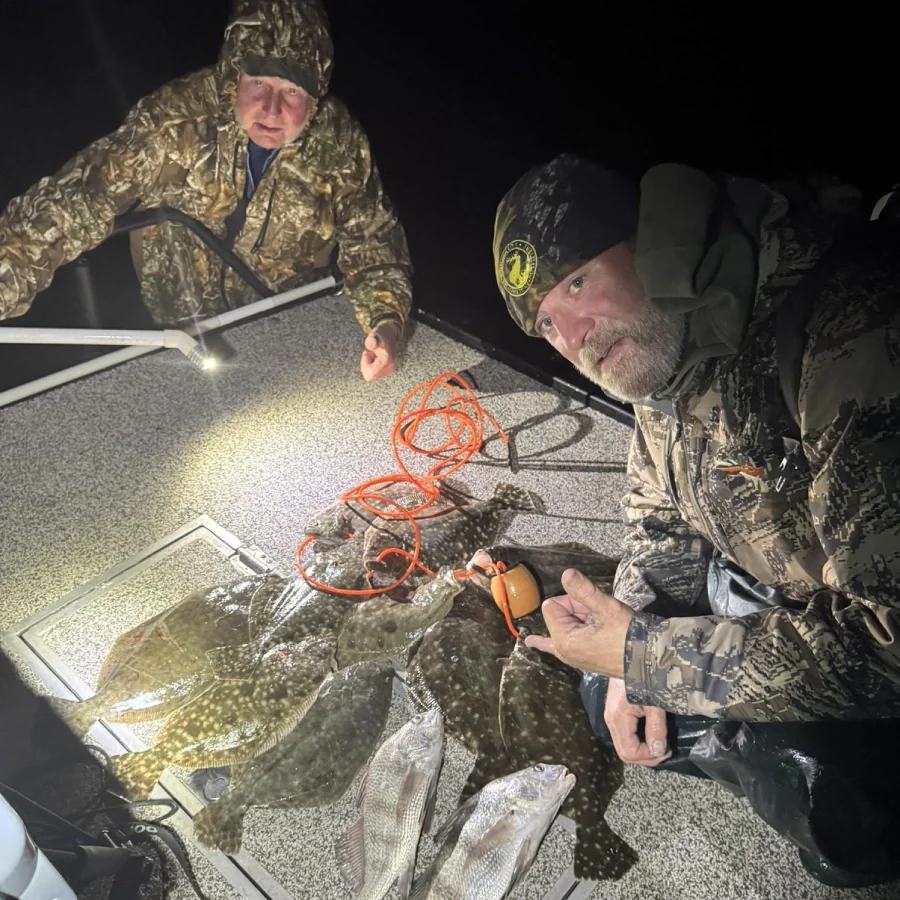
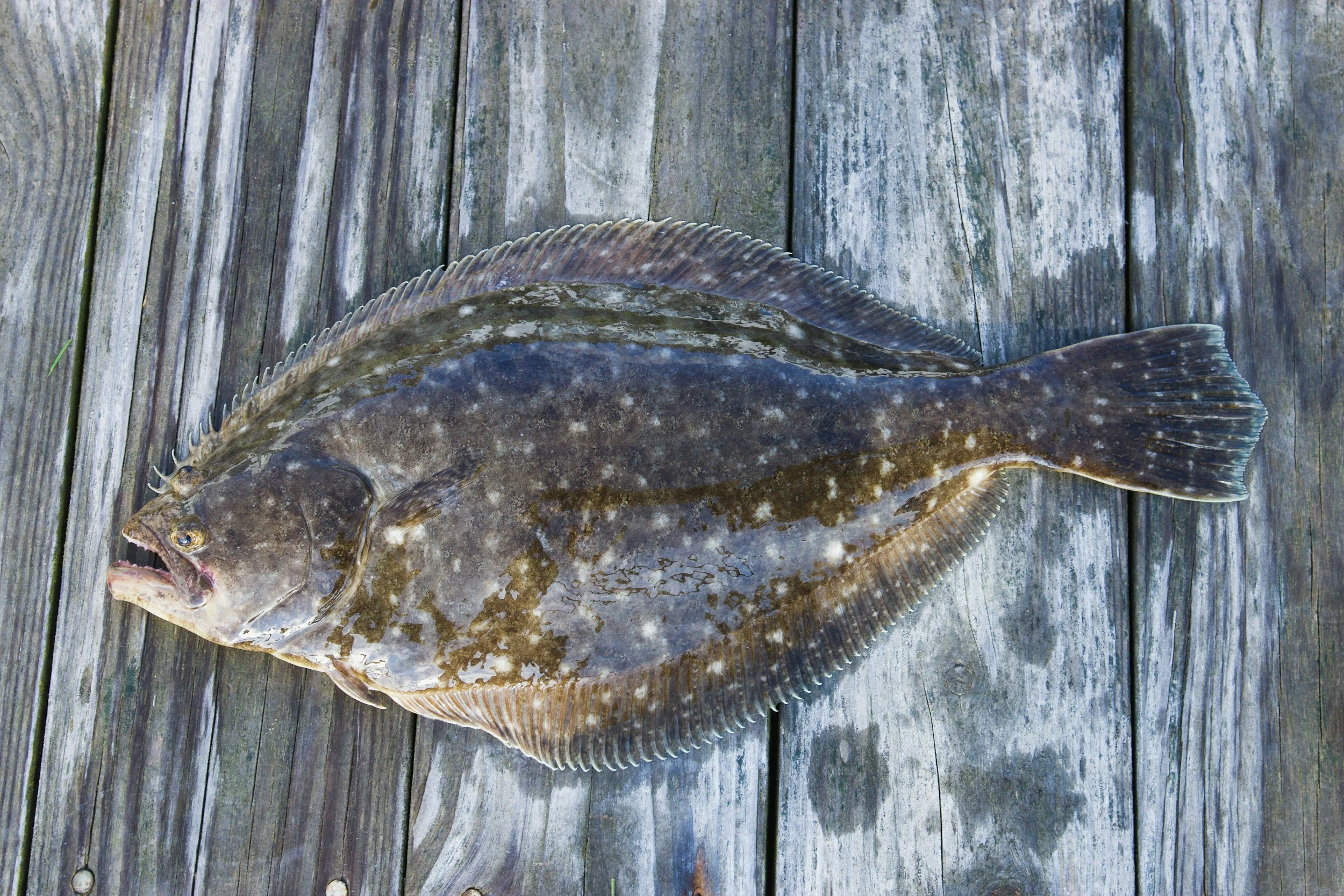
Flounder are not built like redfish or trout, and Blake does not fish for them the same way. A good flounder plan is slower, lower, and more deliberate. The best water is usually a travel route: drains, cuts, sandy drop-offs, channel edges, and places where bait has to cross from one depth to another.
Captain Blake's Personal Tips
Blake treats flounder spots like doorways. He wants bait moving through a place where a flounder can sit flat, face current, and ambush. That may be the mouth of a drain, the edge of an oyster line, the side of a channel, or a sandy pothole beside grass.
His practical flounder advice is simple: keep contact with the bottom and slow down. If the lure is swimming too high, it is often out of the game. Blake would rather have anglers feel the jig tick bottom than burn a lure through the middle of the water column.
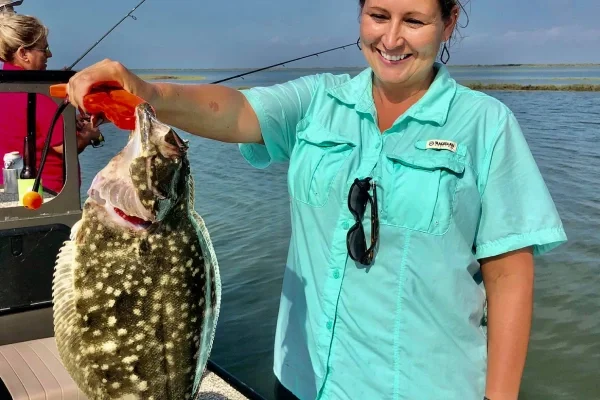
He is also honest about the calendar. Flounder fishing is tough in summer compared with the fall migration. You can catch them, but they are less predictable and often slide deeper. If somebody specifically wants flounder, Blake will usually steer them toward fall.
Best Season and Conditions
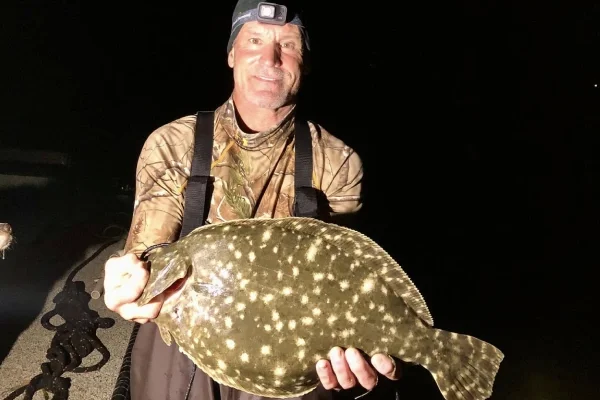
The best Rockport and Port Aransas flounder window is October into early December. Cooling water and migration movement put more fish around passes, drains, channels, and staging areas. Early fall can start the pattern, and some fish carry into winter, but late fall is the window most anglers should plan around.
The best conditions are cooling water, moderate tide movement, sandy or muddy bottom near structure, and bait crossing an edge. Outgoing tides can be especially useful because drains and cuts pull bait off shallow flats and put flounder in ambush positions.
Summer flounder are possible, but Blake will not sell it as the easy version. Heat and water temperature can push them deeper and spread them out.
Tackle and Technique
A good flounder setup is a 7-foot medium spinning rod, 10 to 20 lb braid, and a 20 to 30 lb leader. Blake can fish 1/8 to 1/4 oz jigheads with soft plastics, Gulp-style scented baits, live mullet, mud minnows, or shrimp depending on water depth and current.
The retrieve is the whole deal: cast uptide or across the edge, let the lure reach bottom, then crawl, hop, and pause. Flounder bites can feel like weight instead of a hard thump. Do not panic. Reel down, let the rod load, then make a steady hookset.
Black Drum
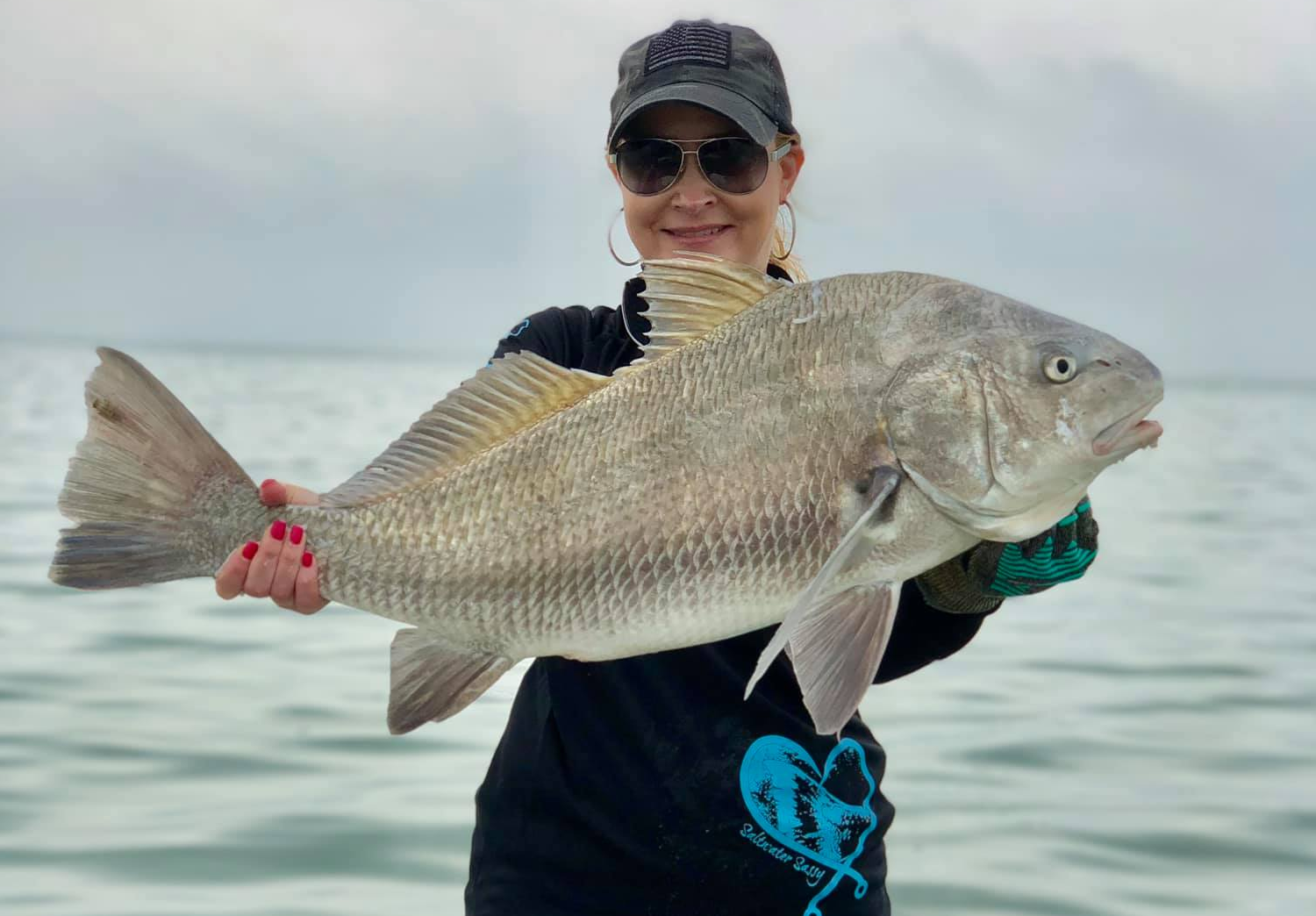
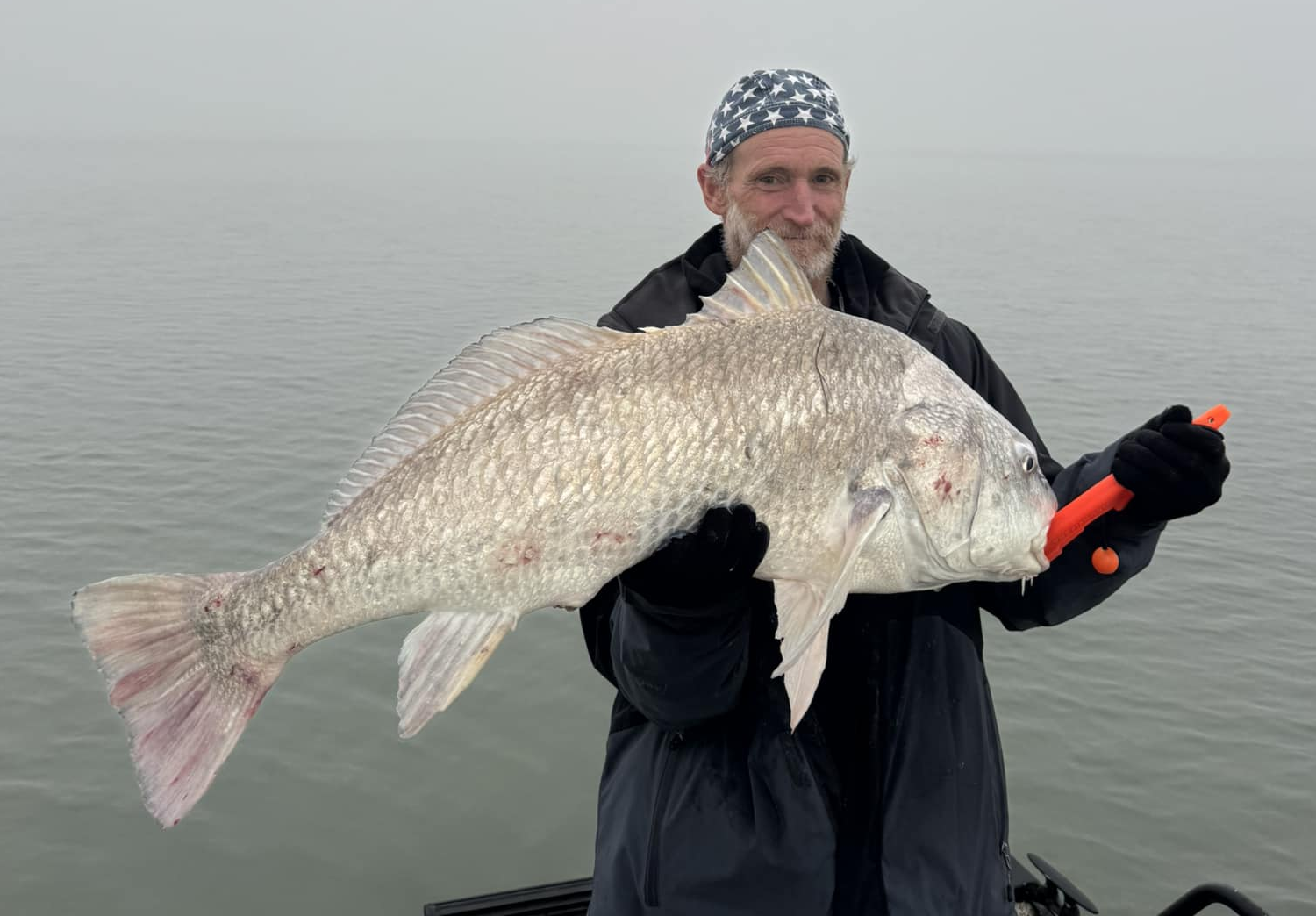
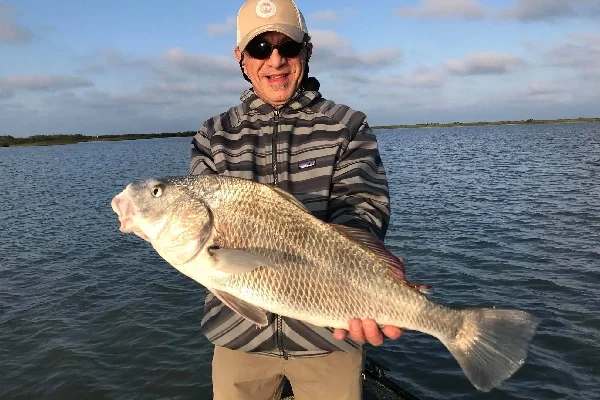
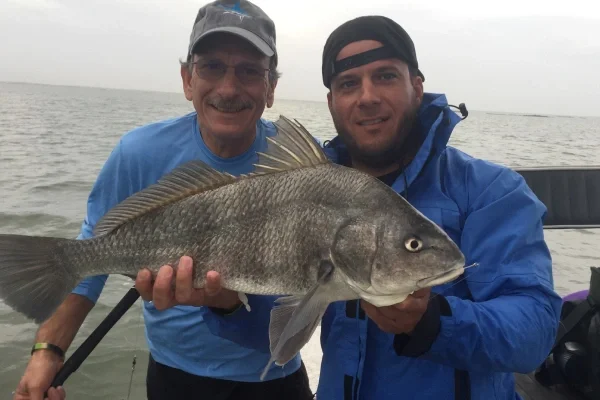
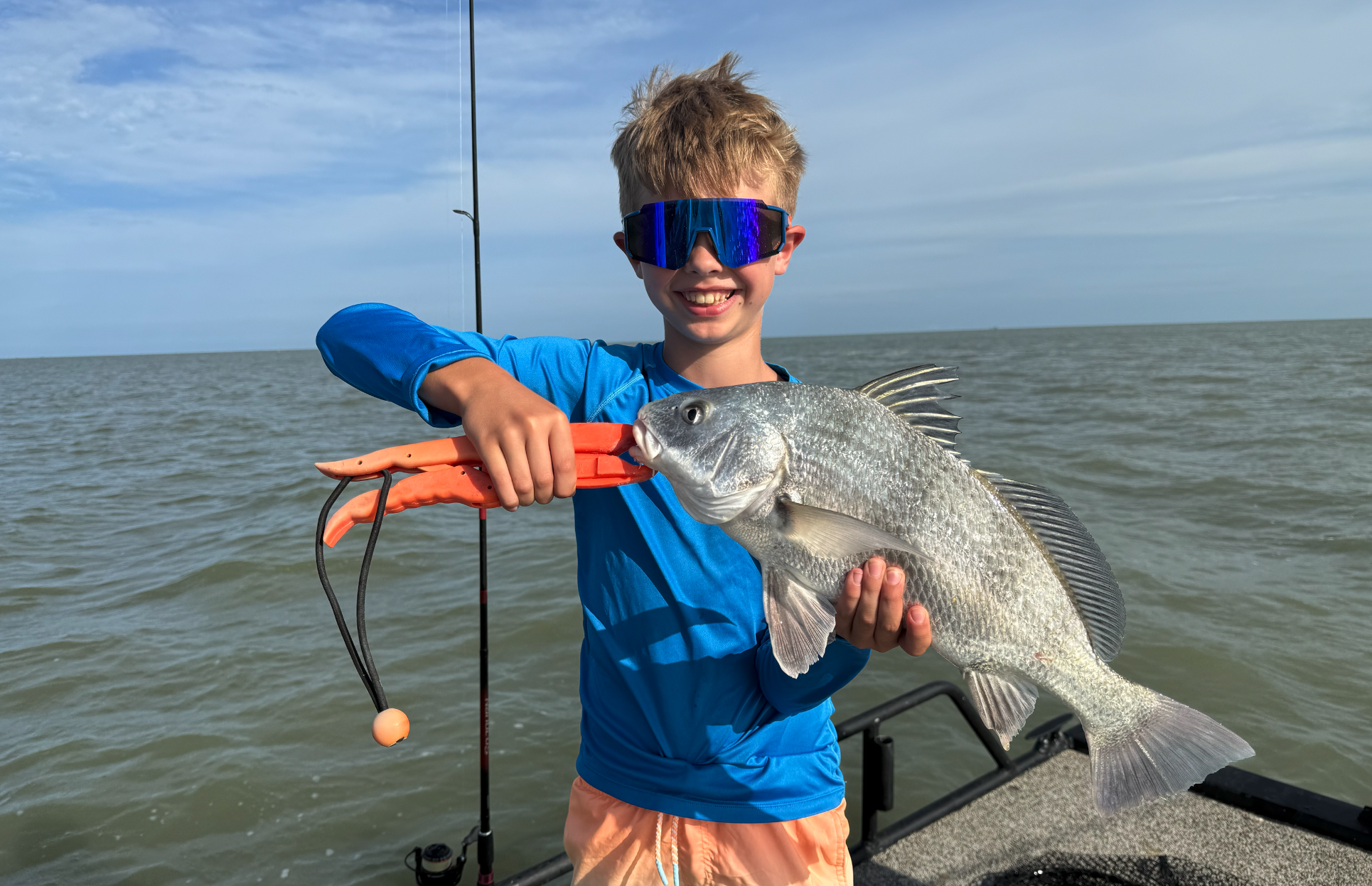
Black drum are one of the most useful fish in the Rockport playbook because they feed by scent, tolerate cooler water, and stay tied to structure and bottom. They are not flashy surface strikers. They are steady, powerful, and perfect for anglers who want a bend in the rod when the weather is not ideal for trout or sight-casting redfish.
Captain Blake's Personal Tips
Blake does not overcomplicate black drum. Fresh scent bait, the right bottom, and patience catch fish. He looks for oyster, mud, shell, channel edges, bridge structure, deeper holes, and places where current brings food to the fish.
For smaller eating-size drum, he may fish lighter tackle with shrimp. For larger drum, crab or bigger natural bait on the bottom gets more attention. The bite can be subtle at first, especially when fish are mouthing bait. Blake tells anglers to let the rod load instead of jerking every tap.
Black drum are also one of Blake's best "save the day" species. When wind changes the original plan or a front makes trout picky, drum around protected structure can keep a trip productive.
Best Season and Conditions
Black drum are available in some form much of the year, but cooler months are especially dependable. Winter through spring is the core window, with February, March, and April often producing strong structure-oriented fishing. They can also be part of mixed-bag trips in fall.
Good conditions include water temperatures in the mid 50s to low 70s, moving current, structure, mud or shell bottom, and enough scent in the water to help fish locate the bait. Clear water can make shallow fish spooky, while slightly stained water can help.
Tackle and Technique
Black drum tackle depends on fish size. For typical inshore drum, a medium-heavy spinning rod with 20 to 30 lb braid and a 30 lb leader is enough. Around heavier structure or larger fish, Blake may step up to stronger braid, heavier leaders, and larger circle hooks.
Shrimp, crab, clams, and cut natural baits work because black drum feed by smell and feel. The rig should hold bottom without looking like an anchor. Use the lightest weight that stays in place, keep the bait fresh, and let the fish commit before coming tight.
Sheepshead
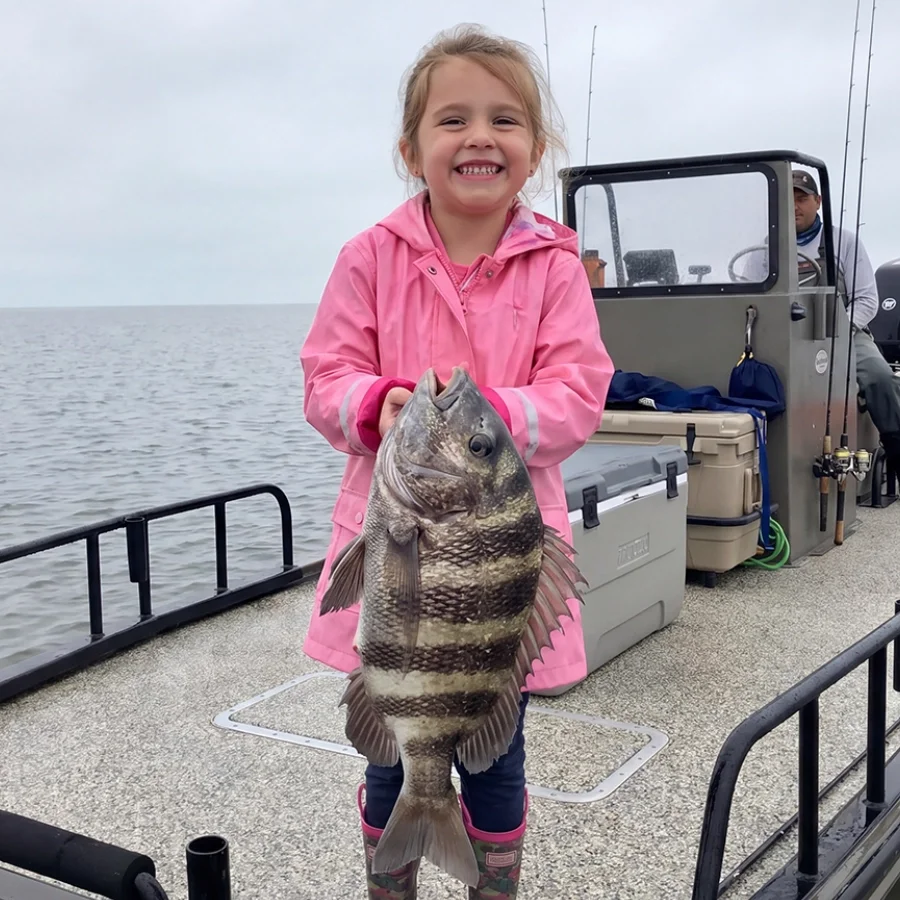
Sheepshead belong in this guide because the existing Texas Crew'd seasonal content already points to winter and spring sheepshead opportunities. They are not always the headline species for a trip, but when they are stacked around structure, they can be some of the most technical and satisfying fish in the bay.
Captain Blake's Personal Tips
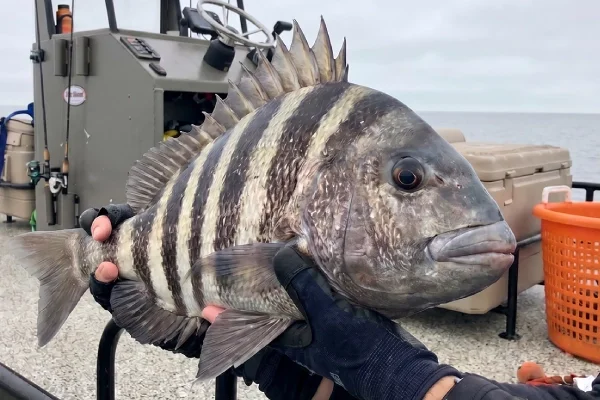
Blake treats sheepshead as a feel game. They steal bait better than almost anything on the coast. A new angler often waits for a big strike and ends up feeding the fish. Blake coaches anglers to stay tight, watch the line, and lift when the pressure changes instead of waiting for the rod to fold.
He also keeps the bait small. Big bait looks generous to the angler, but it gives sheepshead more to nibble without finding the hook. Small pieces of shrimp, crab, or other natural bait on a small strong hook are usually more productive around pilings, rocks, and oyster-covered structure.
Best Season and Conditions
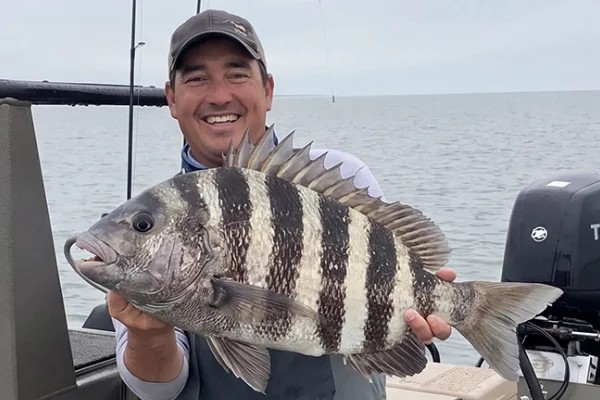
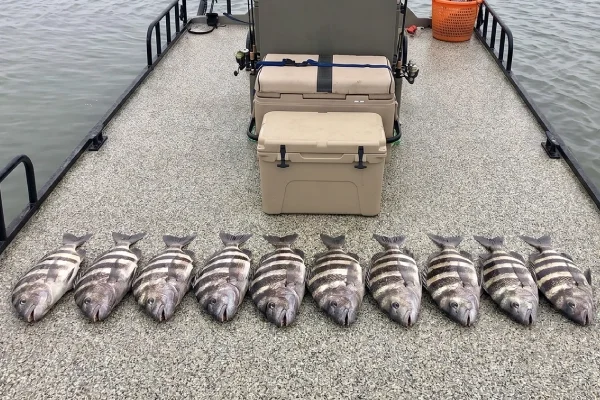
Sheepshead are most relevant from winter into early spring, especially January through April. They are structure fish, so Blake looks for docks, pilings, rocks, jetties, oysters, and areas where current sweeps food past hard cover.
The best conditions are clear enough water to fish tight to structure, moderate current, and cooler water in the mid 50s through upper 60s. Too much current makes it hard to keep bait in the strike zone. No current can make the fish less active.
Tackle and Technique
A sheepshead setup can be a medium spinning rod, 15 to 20 lb braid, a 20 to 30 lb leader, a small strong hook, and just enough weight to stay near the structure. The technique is vertical, tight, and controlled. Drop beside the piling, keep contact, feel for pressure, and lift before the fish strips the hook clean.
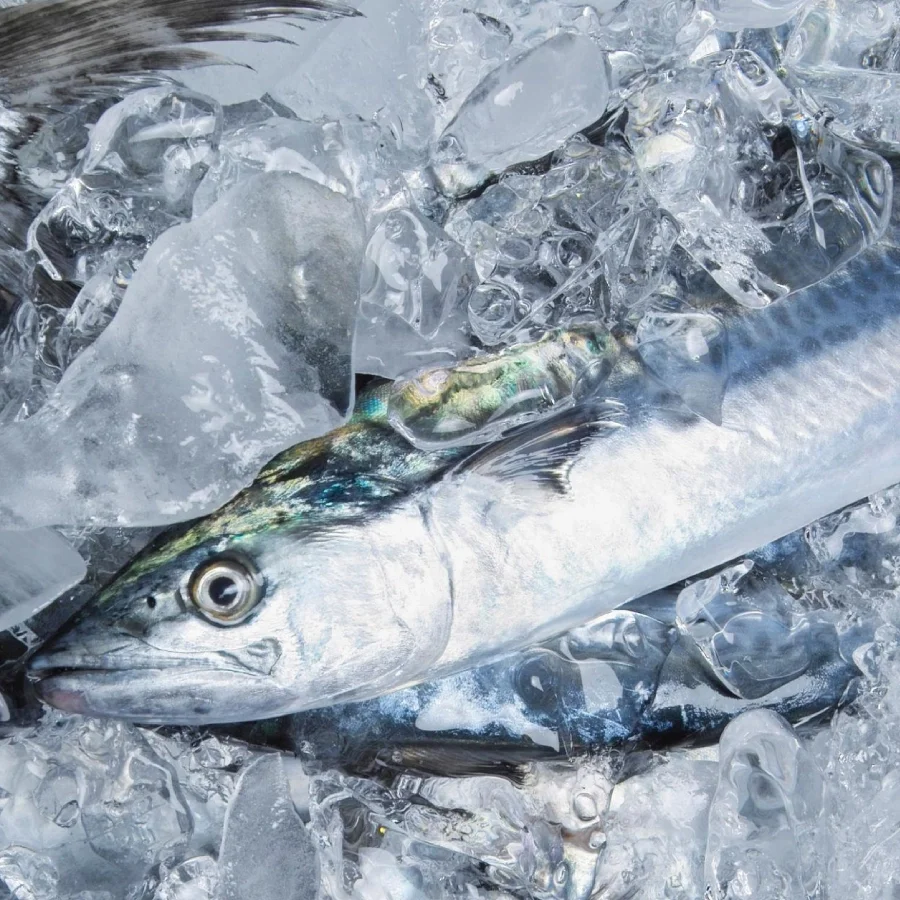
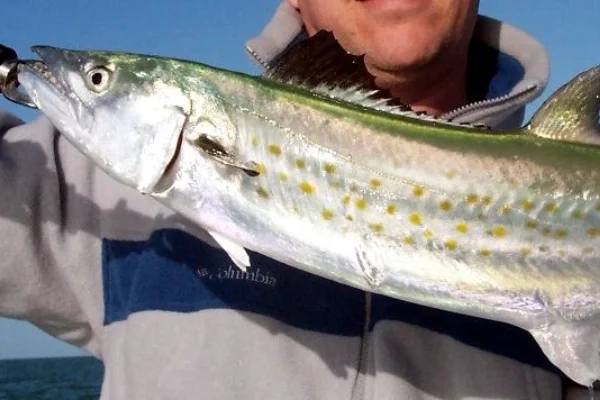
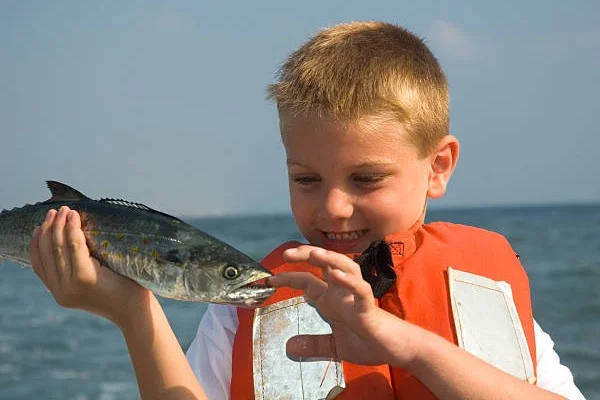
Spanish Mackerel
Spanish mackerel are fast, aggressive, and perfect for anglers who like visible action. They are a nearshore and pass-oriented species more than a quiet back-lake species. When birds are working and bait is showering, the whole trip changes pace.
Captain Blake's Personal Tips
Blake looks for birds, bait, clean water, and surface movement. Spanish mackerel are not subtle. If they are feeding, they often show themselves. The trick is getting close without running through the school and then matching the speed of the fish.
His practical advice is to retrieve faster than most beginners think. A slow lure often gets ignored. A small spoon, jig, or flashy bait ripped through the edge of the school can get hit fast.
Best Season and Conditions
Spanish mackerel are strongest from late spring through summer and can carry into early fall. They like warm, cleaner water, bait schools, jetties, passes, and nearshore structure.
The best days have moving water, visible bait, birds, and manageable wind. Dirty water and rough seas make them harder to find and harder to fish efficiently.
Tackle and Technique
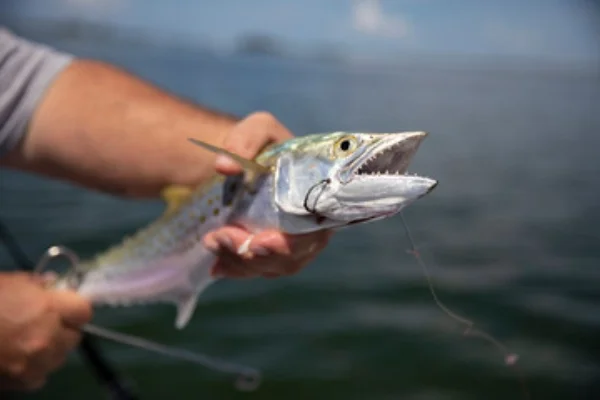
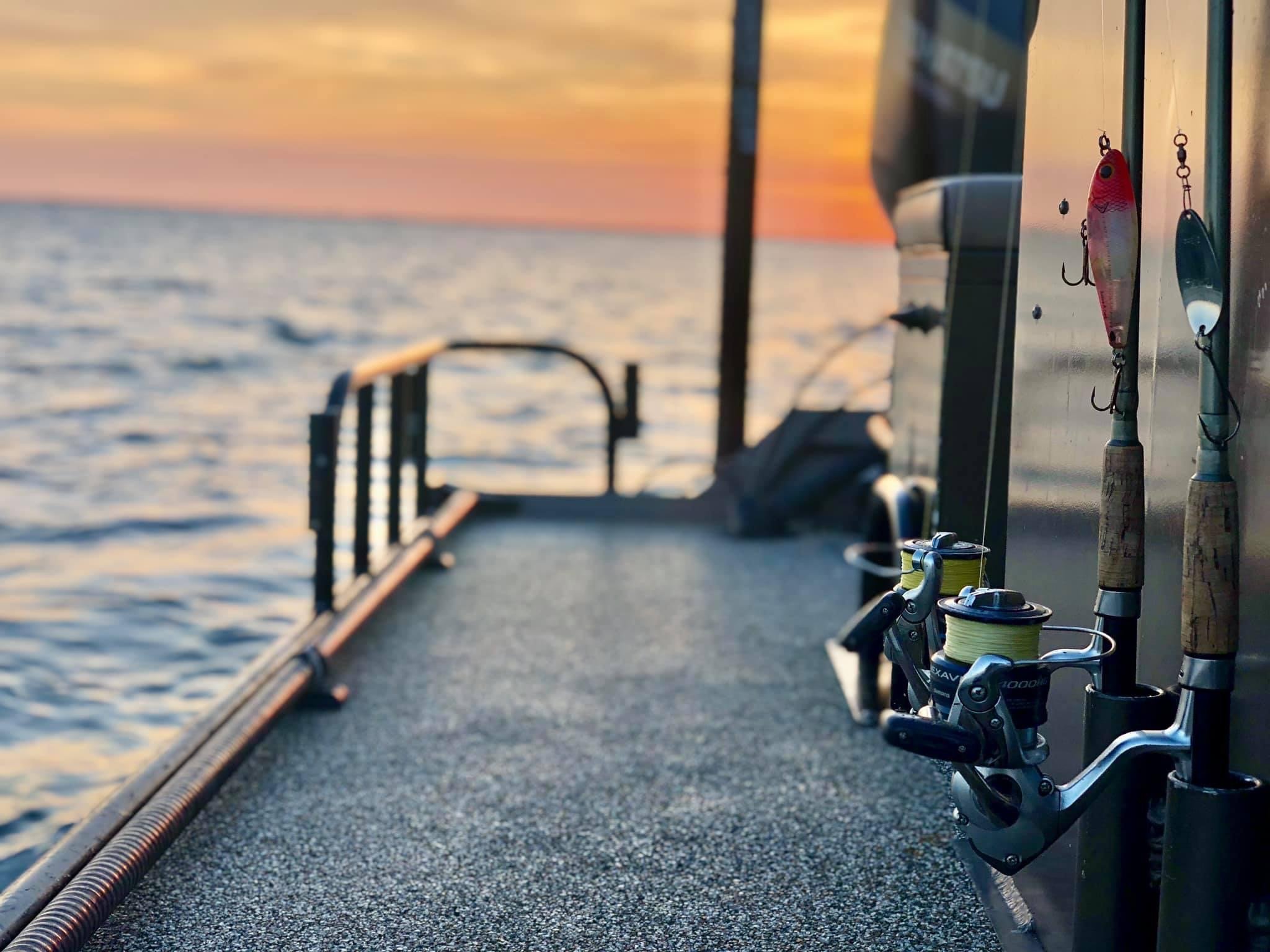
A 7-foot medium spinning rod, 15 to 20 lb braid, and either light wire or heavier fluorocarbon leader can work. Spanish mackerel have sharp teeth, so bite-offs are part of the game without protection. Spoons, small jigs, Gotcha-style plugs, and fast-moving flashy lures are the usual tools.



Kingfish / King Mackerel
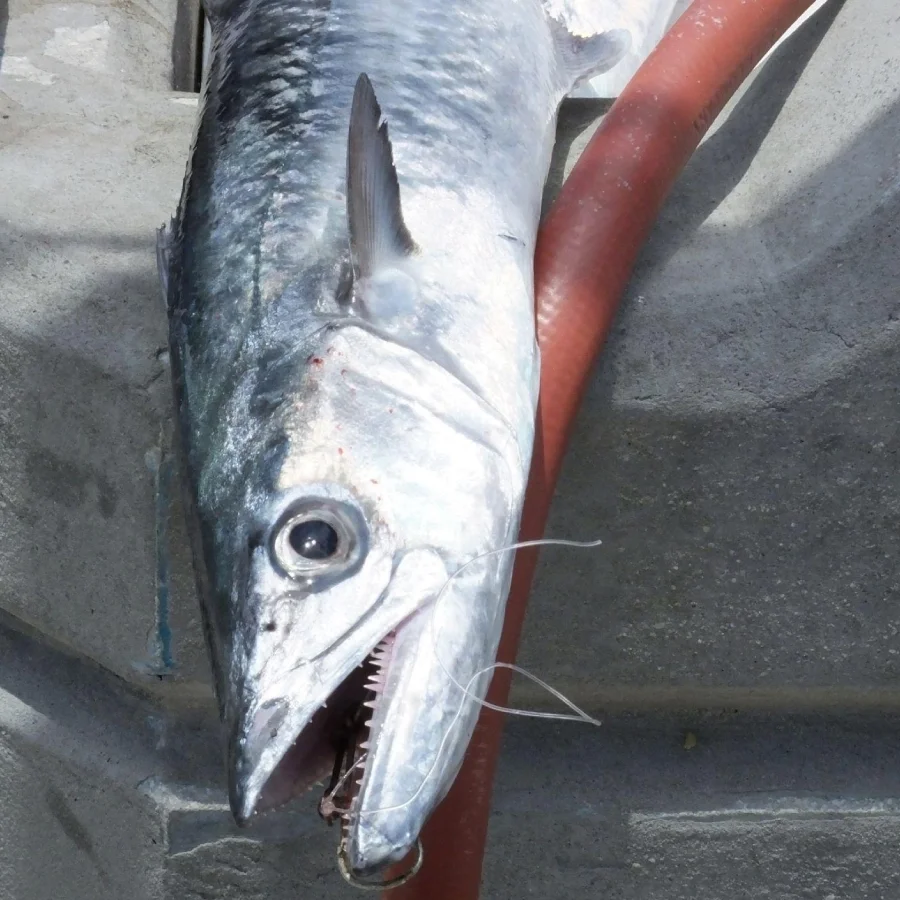
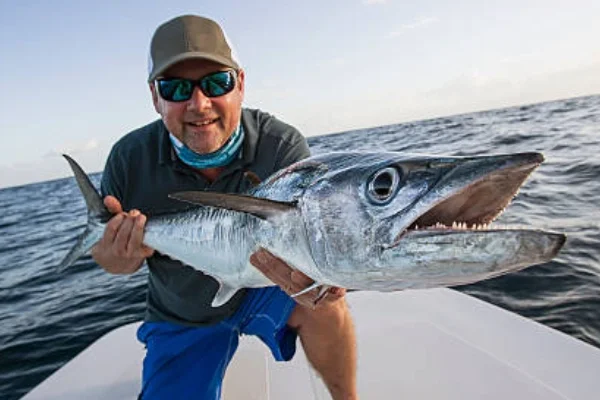
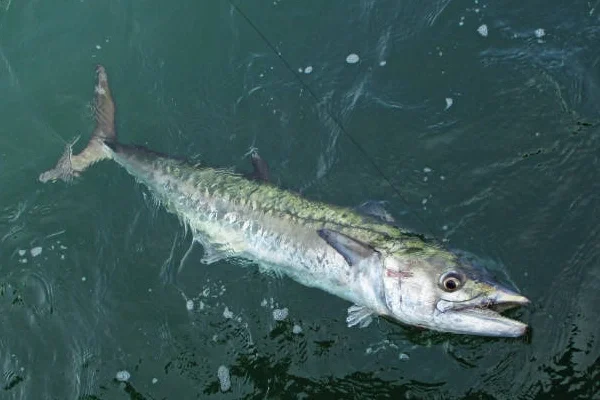
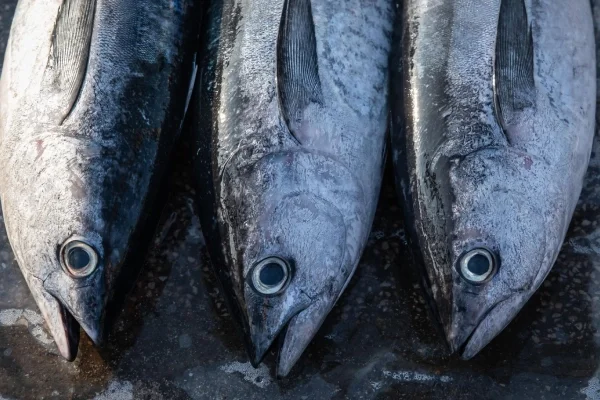
Kingfish are a summer Gulf target when the water cleans up and the boat can work nearshore structure, rigs, wrecks, bait schools, and color changes. They are faster and stronger than Spanish mackerel, and they require more planning.
Captain Blake's Personal Tips
Blake treats kingfish as a conditions target. The right water matters. He watches sea state, water color, bait, and where the current is setting up around structure. If the Gulf is not right, it is better to change the plan than burn time looking for fish that have slid out.
Kingfish also punish weak rigging. Blake uses wire or stinger-style setups when needed because kings slash bait and can cut a normal leader instantly.
Best Season and Conditions
The best kingfish window is summer into early fall. Calm seas, green to blue water, bait near structure, and stable weather are the ingredients. Morning departures can matter because wind often builds later in the day.
Tackle and Technique
Kingfish tackle usually steps up from Spanish mackerel gear: 30 to 50 class rods or strong spinning/conventional setups, wire leaders, stinger rigs, live bait, ribbonfish, spoons, plugs, or trolled baits. The technique is controlled speed, clean rigging, and keeping baits near the edge of structure or bait movement.
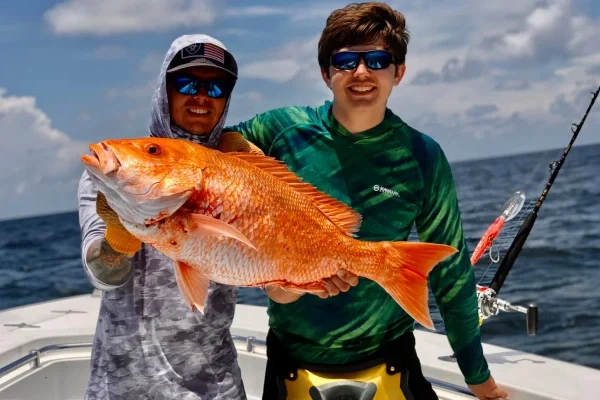
Red Snapper and Cobia
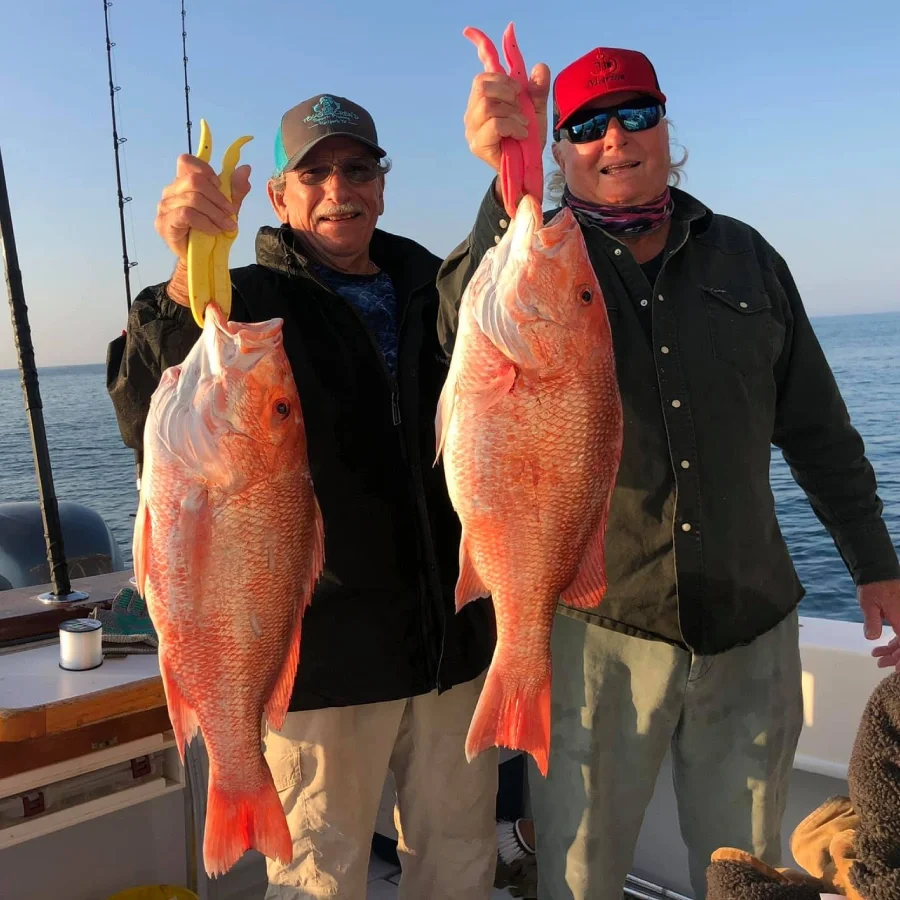
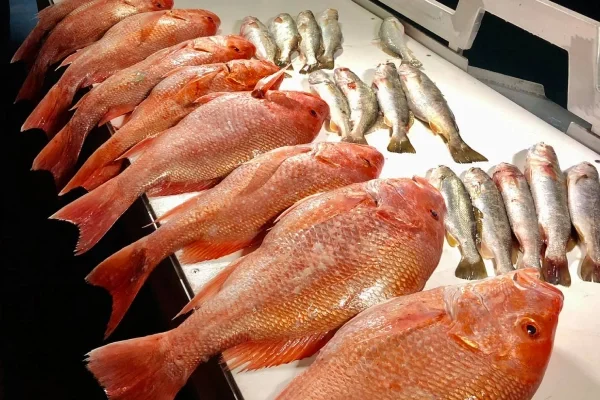
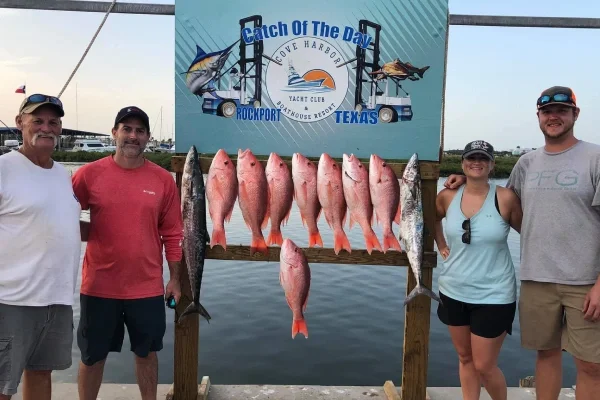
Red snapper and cobia are offshore and nearshore structure targets rather than everyday bay fish. They belong on the species guide because Port Aransas access gives Texas Crew'd a path to Gulf structure when the season, boat, and weather line up.
Captain Blake's Personal Tips
Blake's snapper plan starts with structure and current. Red snapper do not require mystery. They require the right season, the right bottom, legal harvest timing, and enough current control to keep baits where fish are holding.
Cobia are more visual and opportunistic. Blake watches buoys, rays, turtles, weed lines, anchored boats, and structure edges. A cobia can appear suddenly, so having a pitch bait ready matters.
Best Season and Conditions
Red snapper fishing is tied to state and federal season rules, which can change. Summer is the major planning window for many offshore anglers, but Blake should confirm the legal season and limits before any harvest-focused trip.
Cobia can show in spring and summer around structure, rays, buoys, and nearshore/offshore current lines. Calm seas and clean water help because sight opportunities matter.
Tackle and Technique
Red snapper gear usually means heavier bottom tackle, braid, stout leaders, circle hooks, cut bait, squid, cigar minnows, live bait, or vertical jigs. Cobia gear often includes a strong spinning or conventional setup with live bait, bucktail jigs, eel-style plastics, or pitch baits ready for sighted fish.
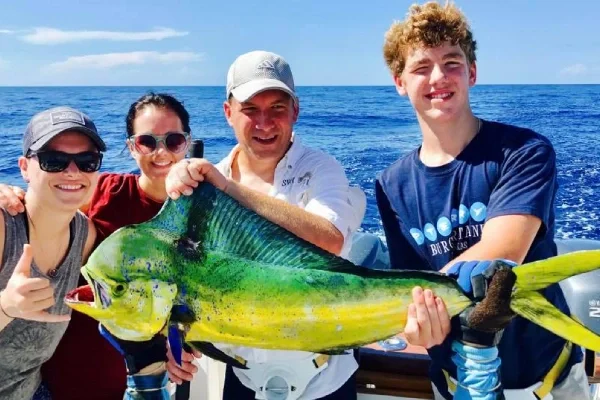
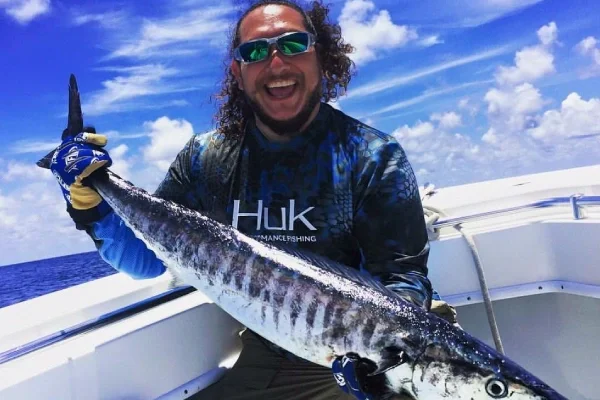
Mahi-Mahi, Tuna, Wahoo, and Marlin
Bluewater species are not the same product as a half-day bay charter. Mahi-mahi, tuna, wahoo, and marlin require distance, fuel, weather, sea state, and a crew that understands the day may be built around a few high-value opportunities instead of constant inshore bites.

Captain Blake's Personal Tips
Blake treats bluewater as a real run, not a promise. The best sign is not a calendar alone; it is the combination of water color, temperature breaks, weed lines, current edges, bait, birds, and reports from the Gulf. A pretty forecast inshore does not automatically mean the offshore water is right.
For mahi, he looks for weed lines, floating debris, color changes, and bait. For wahoo, speed and clean presentations matter. For tuna, the plan may involve longer runs, structure, shrimp boats, rigs, temperature breaks, or night/low-light feeding windows depending on the trip. For marlin, everything has to line up: the right spread, blue water, patience, and a crew ready for one major bite.
Best Season and Conditions
Summer into fall is the primary bluewater window out of Port Aransas, but these trips are always weather-dependent. Blue water, stable seas, temperature breaks, weed lines, and offshore bait activity matter more than a generic month on the calendar.
These are full-day or custom offshore trips. If a group wants calm water, young kids, or guaranteed steady action, Blake will usually point them back to bay or inshore fishing.
Tackle and Technique
Bluewater tackle depends on the target. Mahi may eat trolled baits, pitch baits, small lures, or live bait around structure and debris. Wahoo often call for faster trolling, wire, and clean high-speed presentations. Tuna require heavier conventional gear, strong drags, fluorocarbon leaders, live or chunk bait, jigs, poppers, or trolling gear depending on the pattern. Marlin require a dedicated spread, heavy tackle, and a crew that stays ready for a single shot.
Booking Around a Target Species
If you have one fish in mind, tell Blake before you book. A redfish-focused half-day, a family mixed-bag trip, a fall flounder day, and a bluewater offshore run are not the same plan.
The best booking message includes:
Your preferred date or date range
Group size
Skill level and whether kids are coming
Target species, if you have one
Whether you want bay, inshore, nearshore, or offshore water
Whether your priority is action, learning, keeping fish, or chasing a trophy
Captain Blake can then tell you what is realistic for the season, what trip length makes sense, and whether the target species is worth building the day around.
Regulations and Harvest Note
Fishing seasons, slot limits, federal offshore seasons, and possession rules can change. This guide explains fishing patterns and trip planning, not legal harvest rules. Blake should confirm current TPWD and federal regulations before keeping fish, and all anglers age 17 and older should have the proper Texas saltwater fishing license.
FAQs
Here’s answers to a few popular questions. In the meantime, click below for more info and our rates.
-
Bring sunscreen and any food, snacks, or drinks you'd like. We provide all fishing gear, water, and ice, so none of that is necessary. Please note: absolutely no bananas allowed on the boat (it's a fishing tradition!). Comfortable, non-slip shoes and casual clothing you don't mind getting wet are recommended.
-
Your catch depends on the season and trip type. On bay fishing trips, you're most likely to encounter redfish, speckled trout, flounder, and black drum.
-
Not at all. All levels of experience are welcome, and kids are too. Captain Blake specializes in working with first-time anglers and will teach you everything you need to know—from casting technique to reading the water and fighting fish. Many of our best days have included complete beginners who caught more fish than they expected because they had expert guidance.