
How to Catch Wahoo in Rockport, Texas
Wahoo fishing on the Texas coast is one of the most thrilling offshore experiences an angler can have. Known for their incredible speed and aggressive strikes, wahoo deliver arm-wrenching action that keeps your adrenaline pumping from hookup to boat side. If you're looking to land one of these ocean speedsters from Rockport, you're in the right place—this guide walks you through everything you need to know to plan a successful wahoo adventure.
Key Techniques for Catching Wahoo

Trolling as Your Primary Method
Trolling is the most effective technique for catching wahoo, and it's the approach that works best in the Gulf waters around Rockport. The method is straightforward: you drag lures or baits behind a moving boat, mimicking the natural motion of prey and enticing wahoo to strike. The key is maintaining consistent boat speed while covering different zones to maximize your exposure to hungry fish.
When it comes to trolling speed, you have flexibility. High-speed trolling at 12 to 18 knots is effective, but don't overlook slower approaches. Trolling at 6 to 9 knots with dead baits and artificial lures can actually produce fantastic results and increases your chances of catching other species like mahi-mahi and tuna along the way. The slower speed also gives you better bait visibility and more time for wahoo to commit to a strike.
Setting Up Your Trolling Spread
Success with wahoo depends on covering different depths of the water column. Use planers and trolling leads to get your baits down where the fish live. A proven approach involves staggering your baits at different distances from the boat—for example, one at 75 feet back and another at 200 feet. This spreads out your coverage and increases the odds that a wahoo will find something it wants to eat.
Keep your boat moving forward when you hook a wahoo. These fish have hard mouths, and maintaining forward momentum ensures the hook sets properly and stays lodged. A tight line is critical—wahoo are masters of shaking free if they can create any slack, so maintain 15 to 20 pounds of drag pressure on the bite to guarantee a solid hookup.
Best Baits and Lures for Rockport Wahoo
Artificial Lures That Deliver
The right lures make all the difference when targeting wahoo. Top performers include the Halco Laser Pro, Nomad DTX, and Gulf Stream Zoom Witches—these lures have consistent track records of producing strikes across the Gulf. The Halco Laser Pro's tight wiggle and natural bait profile have made it a favorite among serious anglers for years, while the Nomad DTX brings a tuned action that mimics small bonito, which wahoo actively hunt.
Choose your lure colors based on water clarity and conditions. Bright colors and pearl finishes stand out in darker, deeper water and along weed lines, while more natural patterns work better in clear blue water. The key is understanding that wahoo match their feeding behavior to available prey, so running a mix of colors and styles increases your success rate.
Natural Baits: The Proven Path
Ballyhoo rigged with titanium wire is a go-to bait for serious wahoo anglers. The titanium wire protects the bait from being shredded by wahoo's razor-sharp teeth, allowing it to hold up during trolling and give you more bites per bait. Bonito strips and baitfish belly strips are equally effective—they have tough flesh that withstands multiple strikes and releases a scent trail that draws wahoo from a distance.
Many top guides run a mixed spread combining both dead baits and artificial lures. This approach matches the natural diet of wahoo (which includes flying fish, squid, and smaller fish species) and gives you the best chance of triggering a strike regardless of what the fish are actively feeding on that day.
When to Go: Seasons and Timing
Best Months for Wahoo in Rockport
The peak wahoo season in Rockport runs from late summer through mid-winter, with September through November offering the most consistent action. During these months, wahoo are actively migrating and feeding in Gulf waters, and water temperatures sit in the ideal 64–81°F range that wahoo prefer.
The summer months (July and August) can produce wahoo, but fall offers the most reliable fishing. Water temperatures cool slightly, and baitfish migrations bring concentrated populations of wahoo closer to accessible offshore structure. Winter (December and January) still offers opportunities, though the window narrows as water temperatures drop.
Time of Day Matters More Than You Think
The best times to fish for wahoo are early morning (7–9 AM) and late afternoon into sunset (4–6 PM). Early morning is prime because the sun sits low on the horizon, creating glare and soft light penetration that works to your advantage. The sun's angle masks your fishing line and makes your lures appear more natural. Late afternoon mirrors these conditions as the sun descends, and this period often coincides with an aggressive feeding window for wahoo.
Don't skip the midday period entirely, though. If heavy cumulus clouds block the sun during the day, you create another light transition period when wahoo feed more actively. Cloud cover triggers feeding behavior just as sunrise and sunset do.
Getting Offshore: What You Need to Know
How Far to Venture
Distance from shore depends on your target and boat. For accessible wahoo fishing in the nearshore reefs and structures around Rockport, you'll typically travel 8–10 miles offshore. This is realistic for most sport fishing boats and puts you on productive grounds where smaller to mid-size wahoo congregate.
For consistent trophy-class fish and prime offshore wahoo, 30+ miles from shore opens up deeper structure and oil rig platforms that hold concentrations of larger fish. The 100-fathom (600-foot) curve and continental shelf structures are prime wahoo territory because baitfish gather there, drawing predators from throughout the Gulf.
Required Permits and Licenses
Before heading out, Texas requires a saltwater fishing license with a saltwater endorsement. If you book a charter with Texas Crew'd, your captain handles all the details—but it's good to know the rules for your own knowledge.
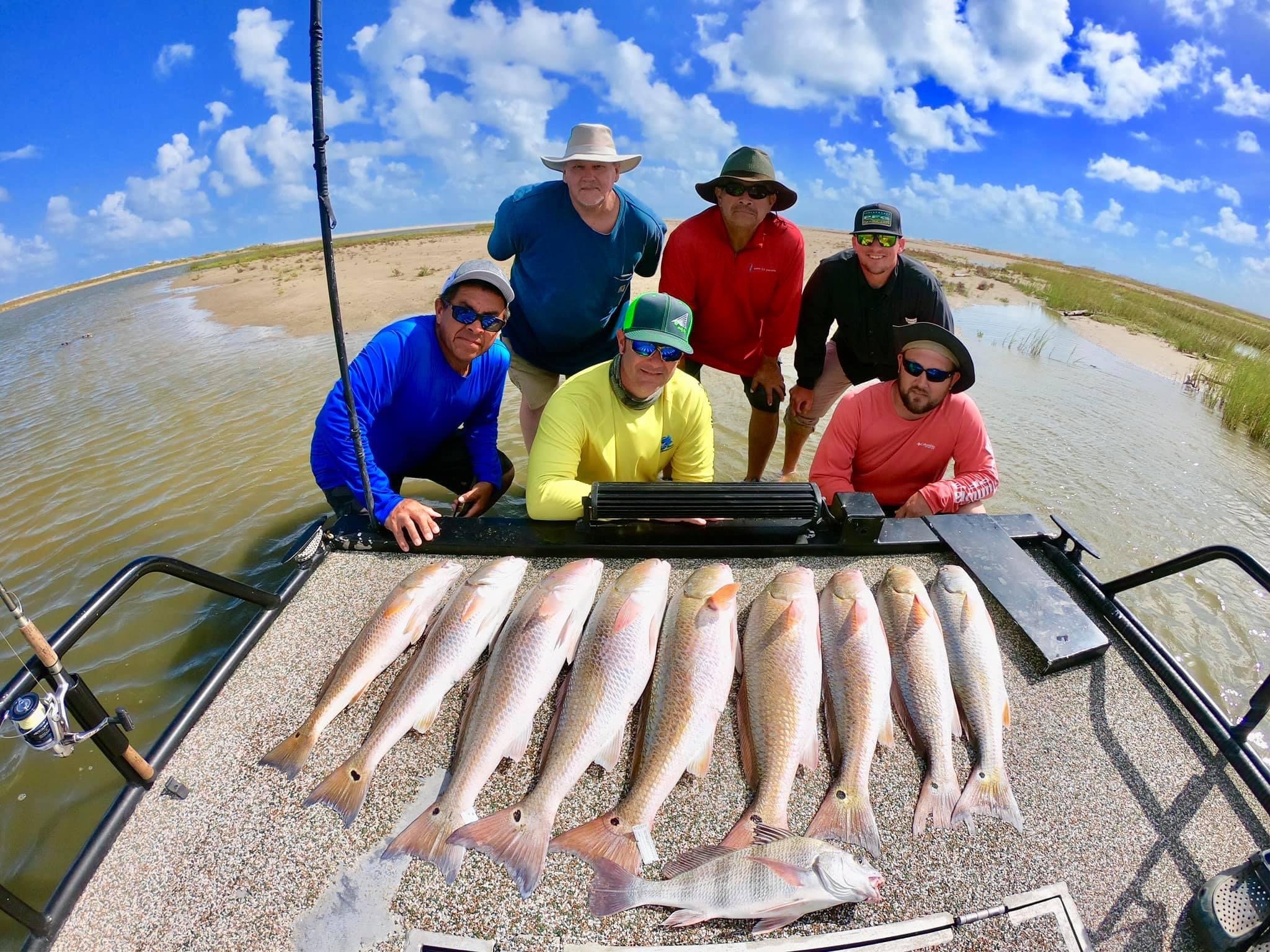
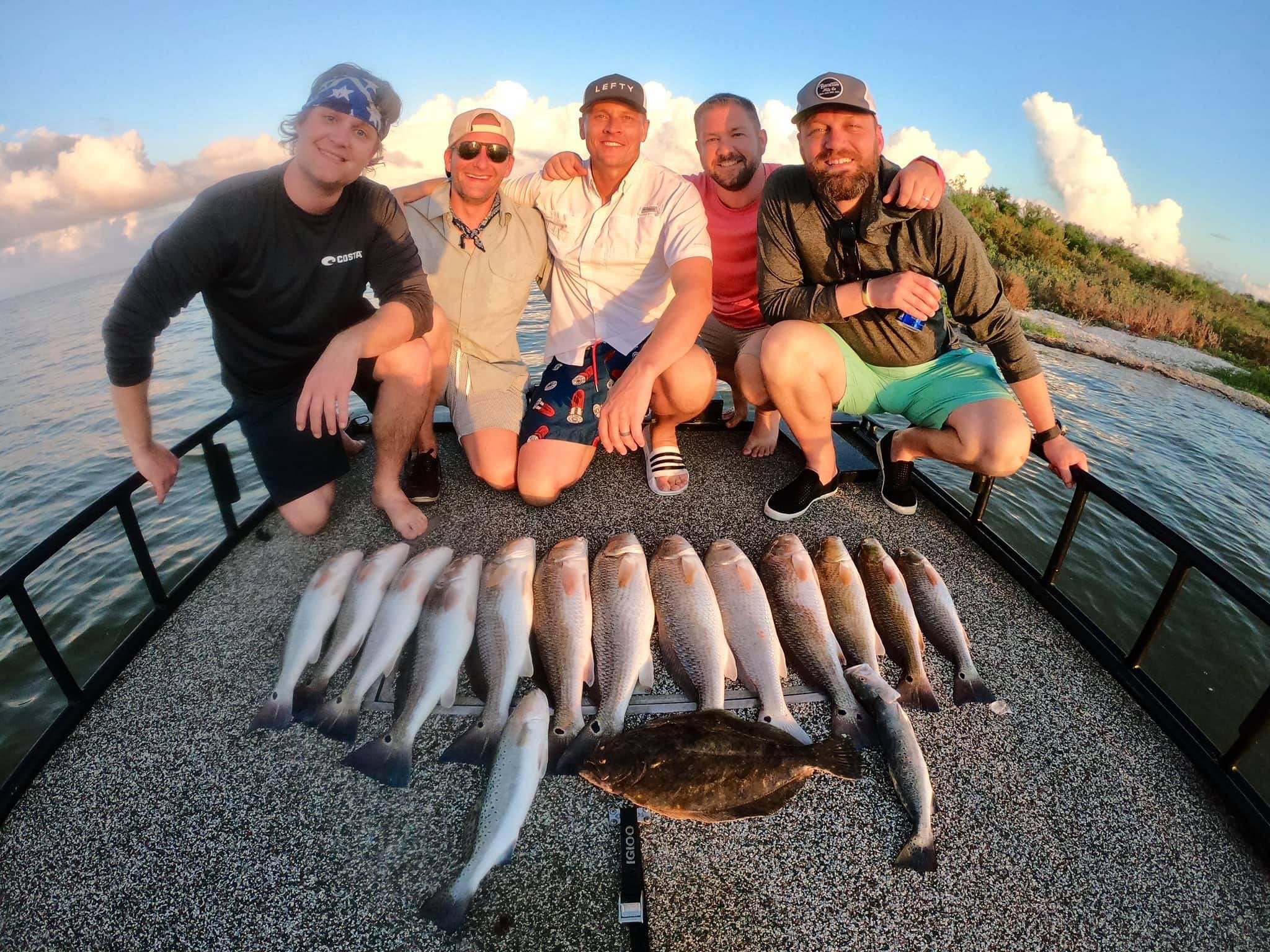

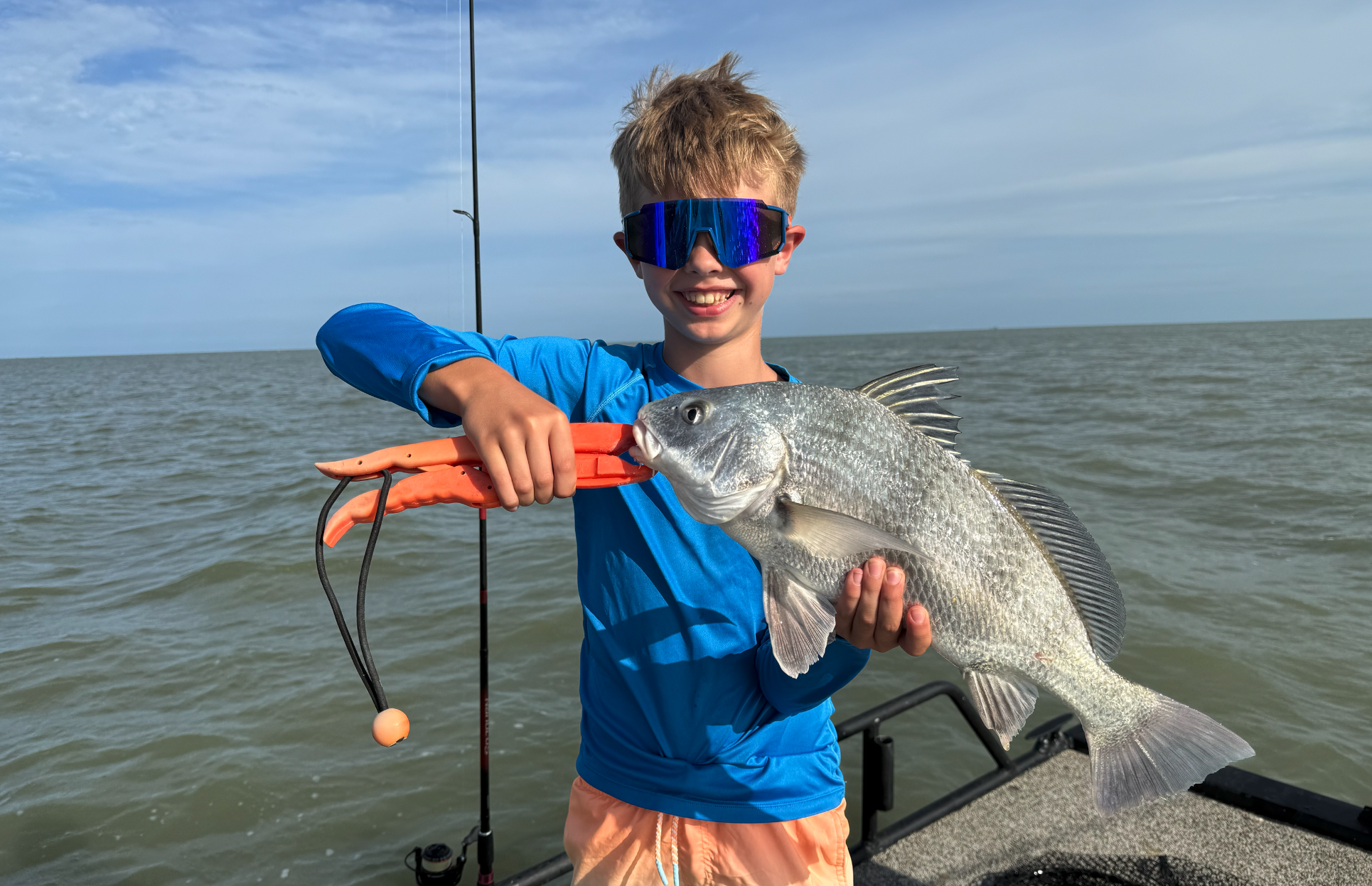
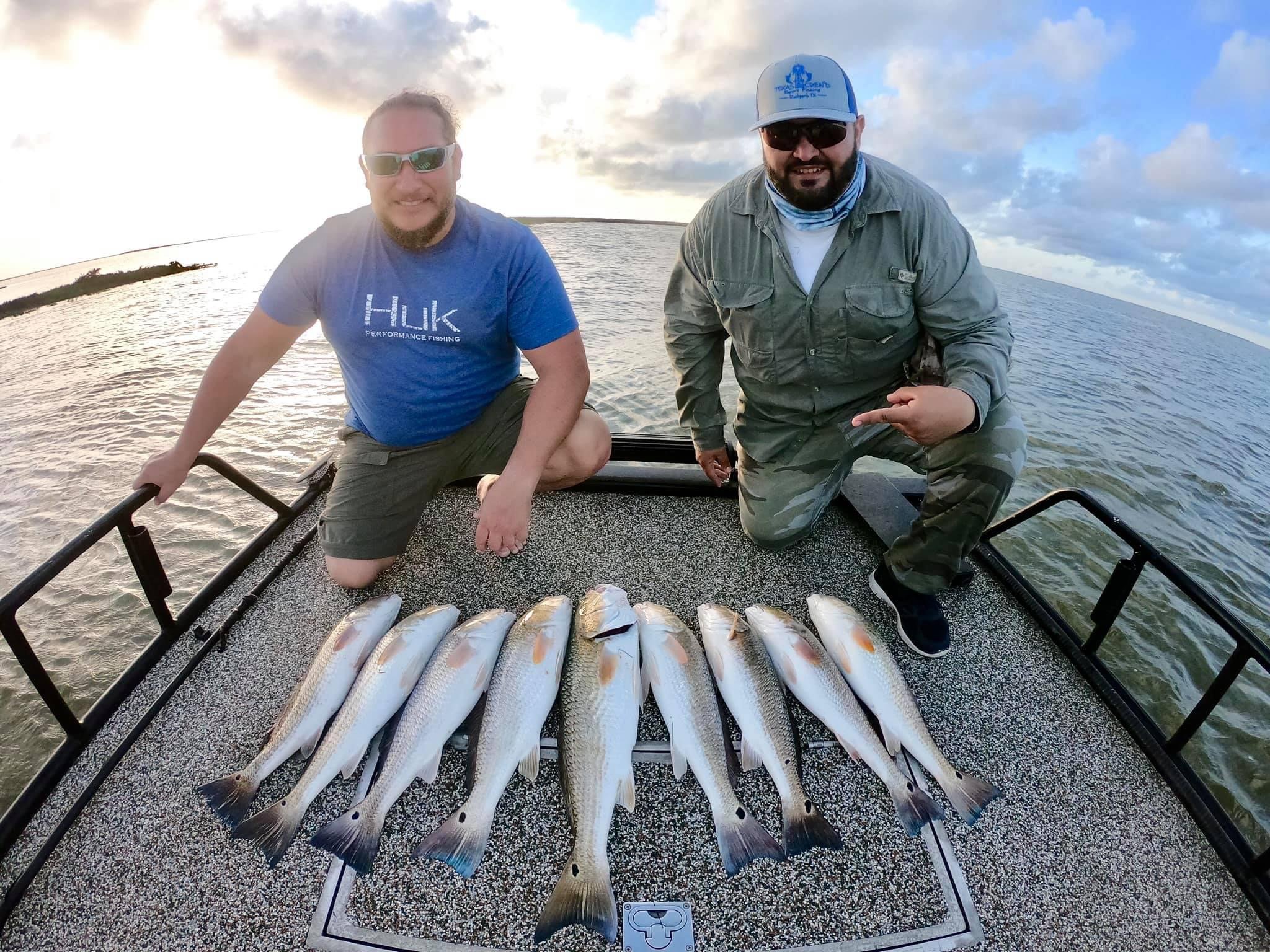


How Texas Crew'd Enhances Your Rockport Wahoo Fishing Experience
Chasing wahoo on your own is an adventure, but fishing with an experienced local captain transforms it into something truly unforgettable. Captain Blake and the Texas Crew'd team know every weed line, every structure, and every seasonal shift in the Gulf waters around Rockport. We navigate you to the fish, handle the technical side of rigging and boat positioning, and make sure you're fishing with premium gear and proven techniques that deliver results.
Booking a Rockport wahoo charter with Texas Crew'd means you're fishing with local pros who understand the nuances of the Gulf—when wahoo are most active, where they concentrate, and how to present baits and lures for maximum strikes. We provide premium equipment, handle all the heavy lifting, and focus on getting you tight with these ocean speedsters.
Book your Rockport wahoo charter with Texas Crew'd and experience the thrill of offshore fishing guided by captains who live and breathe this fishery. From tackle setup to fighting fish and landing your catch safely, we handle everything so you can enjoy the pure adrenaline rush that wahoo fishing delivers.
Ready to chase your personal best? Book our Guided Fishing Trips Rockport TX today!
Frequently Asked Questions About Wahoo Fishing
-
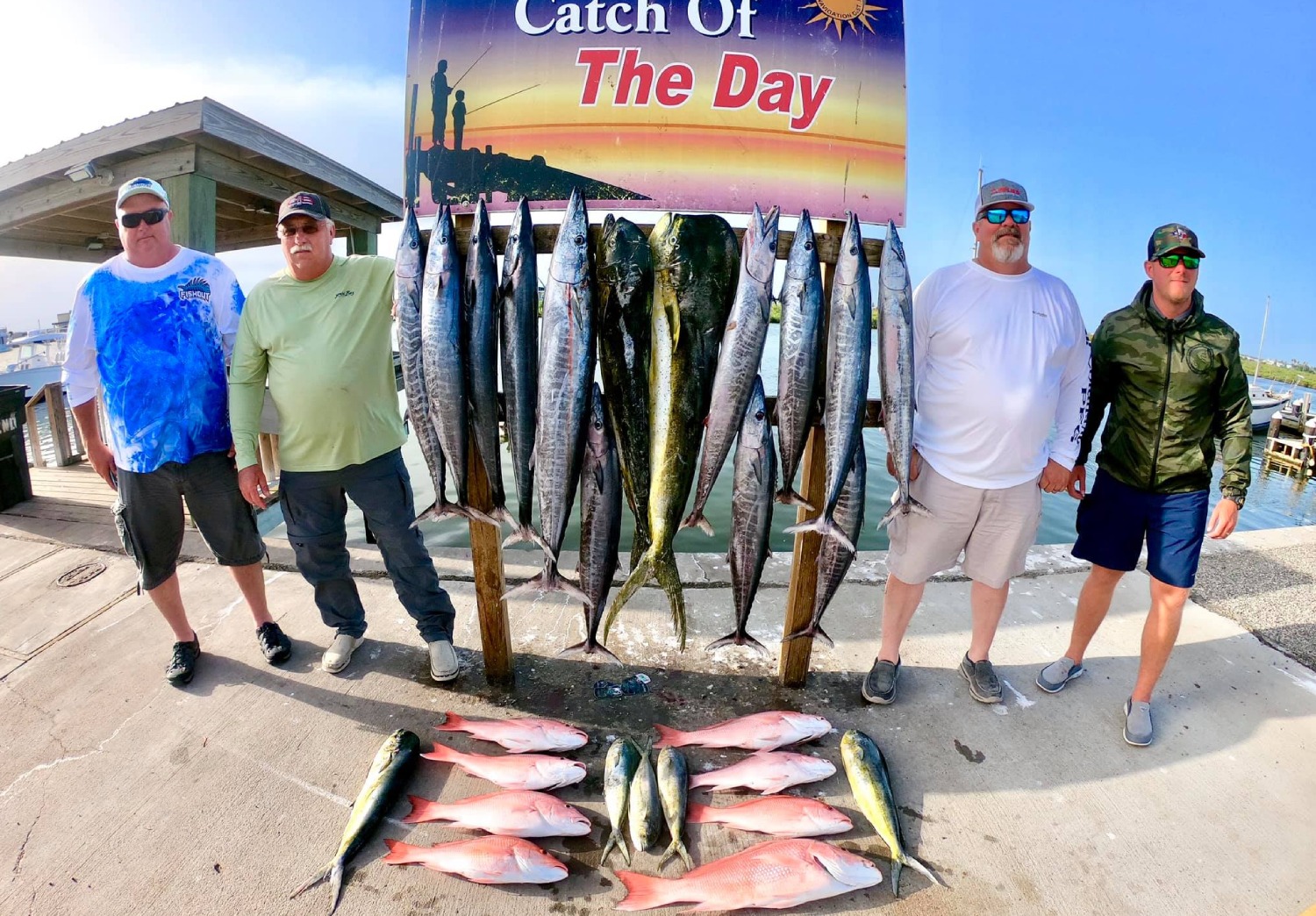
While both species are found in Gulf waters around Rockport and are popular offshore targets, they're completely different fish. Wahoo are members of the mackerel family and are known for their incredible speed, often exceeding 40 mph during their initial runs. Mahi-mahi (also called dorado) are acrobatic jumpers with colorful markings. Wahoo are solitary hunters with razor-sharp teeth, while mahi-mahi often school in larger groups. Both are excellent eating, but wahoo's reputation comes from the explosive power and speed they bring to the fight.
-
You can fish on your own if you own or have access to an offshore-capable boat and understand Gulf navigation and safety. However, booking a charter with an experienced captain like those at Texas Crew'd saves time, increases your success rate, and eliminates the stress of navigation and boat handling. Local captains know the productive spots, current conditions, and the seasonal patterns that determine where wahoo congregate—knowledge that takes years to develop on your own.
-
Bring sunscreen (SPF 50+), sunglasses with polarized lenses, a hat, and light layers even in warm months—the Gulf wind and spray create a chill factor. Pack seasickness medication if you're prone to motion, snacks, and plenty of water. Wear slip-resistant shoes with good grip for safety on a wet deck. Leave jewelry and loose items at home to avoid loss overboard. Your charter captain will provide all fishing gear, life jackets, and safety equipment.
-
Keep your drag set correctly—around 15 to 20 pounds of drag pressure ensures a solid hookup while preventing line breakage during the explosive initial run. Maintain steady pressure and keep the rod tip up during the fight. Never go slack—wahoo will shake free instantly if line tension drops. When your charter captain brings the fish alongside the boat, let the crew handle the gaff and landing. Wahoo have razor-sharp teeth and powerful jaws; trained professionals know how to safely secure the fish without injury.
-
Absolutely—wahoo is considered one of the best-eating fish in the ocean. The meat is lean, white, and mild with a slightly sweet flavor. It's excellent grilled, smoked, baked, or pan-seared. Most anglers fillet the fish and serve it fresh the same day for the best flavor. Many Rockport charters, including Texas Crew'd, will fillet your catch and bag it for you to take home—a perfect souvenir of your successful day on the water.