
How to Catch Marlin in Rockport, Texas?
When most folks think of Rockport, they picture quiet mornings on the bay, casting for Redfish in the shallows or watching the sunrise over Aransas Bay. It’s a peaceful, world-class inshore fishery. But for those looking to trade the calm flats for the deep blue, Rockport is also your gateway to the Gulf of Mexico’s biggest prize: the Marlin.
Catching a Marlin isn't just fishing; it’s an expedition. It requires leaving the coastline behind and venturing into the deep, indigo waters where the giants roam. At Texas Crew’d Sport Fishing, we guide you through this journey with the same patience, expertise, and southern hospitality we bring to the bay. Whether you're a seasoned angler chasing a record or a family looking for a life-changing memory, the Texas coast has a deep-sea adventure waiting for you.
The Journey: Getting to Blue Water
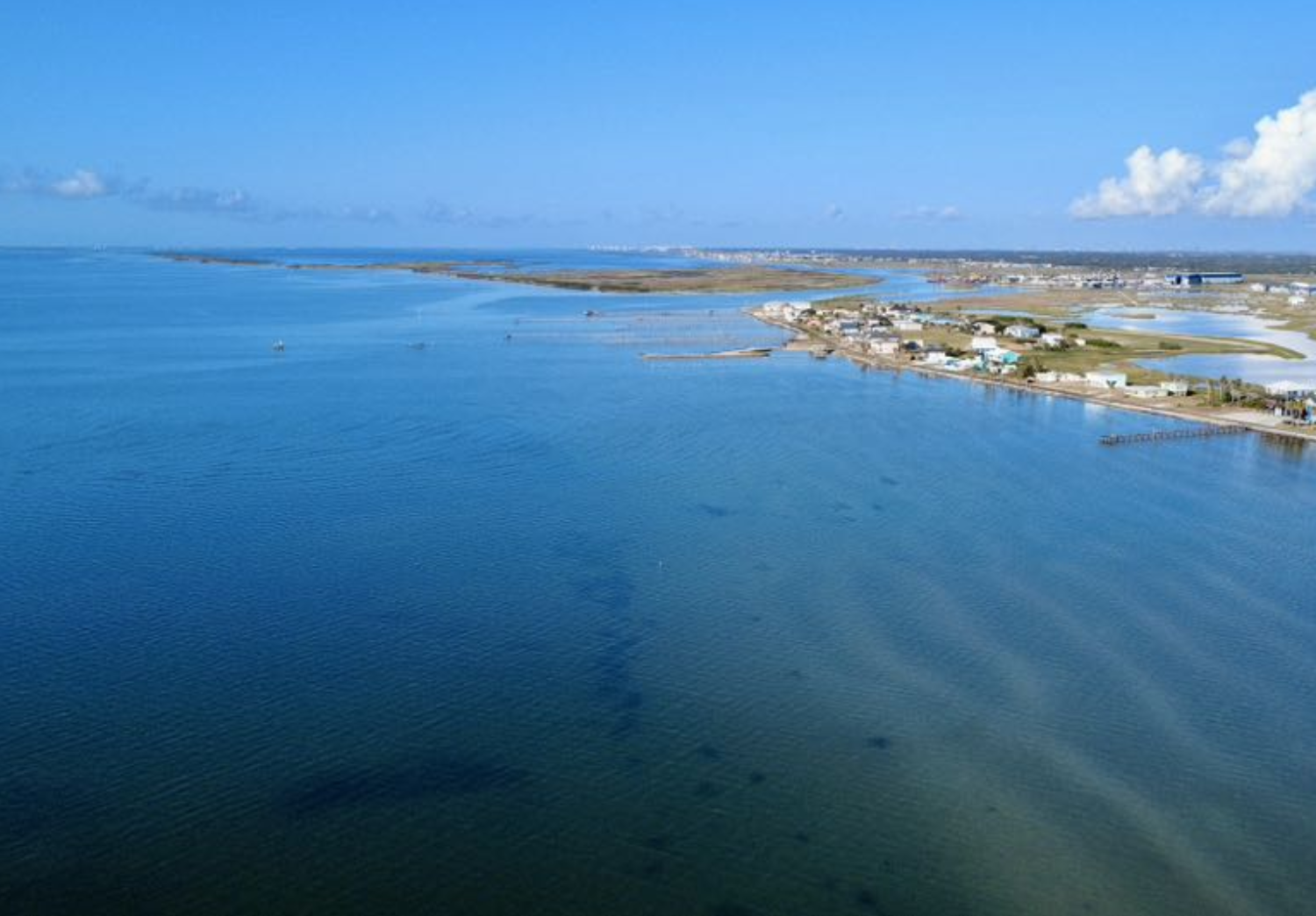
The first thing to understand about catching Marlin from Rockport is the commitment to the journey. Unlike Redfish or Trout, which live right in our backyard, Marlin patrol the continental shelf—the drop-off where the Gulf floor plunges thousands of feet deep.
To find them, we head offshore, often running 40 to 100 miles out. This ride is part of the experience. It’s a time to relax, drink coffee, and watch the water change from coastal green to a stunning, clear cobalt blue. On the way out, you’ll often see flying fish skimming the surface or dolphins riding the bow wake.
This distance is why Marlin trips are typically full-day adventures. It gives us the time to reach the "blue water" where the ecosystem shifts entirely. The target isn’t structure like oil rigs (though they hold fish too); it’s often temperature breaks, weed lines, and currents that concentrate baitfish. Where there is bait, the apex predators are never far behind.
The Targets: Blue Marlin vs. White Marlin
In the Gulf of Mexico, two primary species of Marlin dominate the offshore scene. Knowing the difference helps you appreciate the fight when that reel starts screaming.
Blue Marlin
The Blue Marlin is the undisputed king of the Gulf. These fish are massive, powerful, and iconic.
Size: They can grow to over 1,000 pounds (known as "granders"), though catches in the 200-500 pound range are more common.
The Fight: A Blue Marlin fight is a test of endurance. They are known for greyhounding—leaping repeatedly across the surface in a display of raw power.
White Marlin
Smaller but incredibly acrobatic, White Marlin are a favorite for light-tackle enthusiasts.
Size: typically 50-100 pounds.
The Fight: They are frantic fighters, often dancing on their tails and changing direction instantly. They are often found closer to weed lines and rips than their larger cousins.
Bonus Catch: While targeting Marlin, it’s common to encounter Sailfish, Wahoo, and Dorado (Mahi-Mahi). These "bycatch" species keep the excitement high and often provide delicious table fare while we hunt for the billfish.
Techniques: How We Target Them
You don’t need to be a professional angler to catch a Marlin—you just need to trust your captain. We use specialized techniques designed to cover water and attract these aggressive predators.
Trolling the Spread
The most effective way to find Marlin is trolling. We pull a "spread" of lures and baits behind the boat at different distances.
Artificial Lures: Large, skirted lures that pop and splash on the surface mimic fleeing baitfish. The commotion attracts Marlin from the depths.
Natural Bait: We often rig Ballyhoo (a type of baitfish) with heavy-duty hooks. The scent and realistic swimming action are irresistible to hungry fish.
Teasers and Dredges
To simulate a school of baitfish, we deploy "dredges"—umbrella-like rigs holding dozens of hookless baits—beneath the surface. These create a massive visual bait ball. When a Marlin rises to investigate the teaser, we pitch a baited hook back to them. It’s a team effort between the crew and the angler, and it’s one of the most exciting moments in sport fishing.
Best Time of Year for Marlin in Texas
Timing is everything. While Marlin swim in the Gulf year-round, their presence within reachable distance peaks during the warmer months.
Peak Season: June through September.
Why? As the water warms, the "Loop Current" pushes warm, nutrient-rich Caribbean water closer to the Texas coast. This warm water highway brings the Marlin with it.
Summer is the ideal time to book your offshore charter. The seas are generally calmer, and the bite is at its hottest.
Conservation & Regulations
At Texas Crew’d Sport Fishing, we respect the resource. Marlin are incredible animals, and preserving their population ensures future generations can experience the same thrill.
Catch and Release: The vast majority of billfish (Marlin and Sailfish) are released. We fight them, bring them boatside for a safe photo, and then ensure they swim away strong.
Regulations: Federal and state laws are strict. For example, the minimum length to harvest a Blue Marlin in federal waters is 131 inches (lower jaw to fork of tail) (NOAA Fisheries, 2024). These regulations are designed to protect breeding stocks.
We handle all the measuring and regulatory details, so you can focus on the experience.
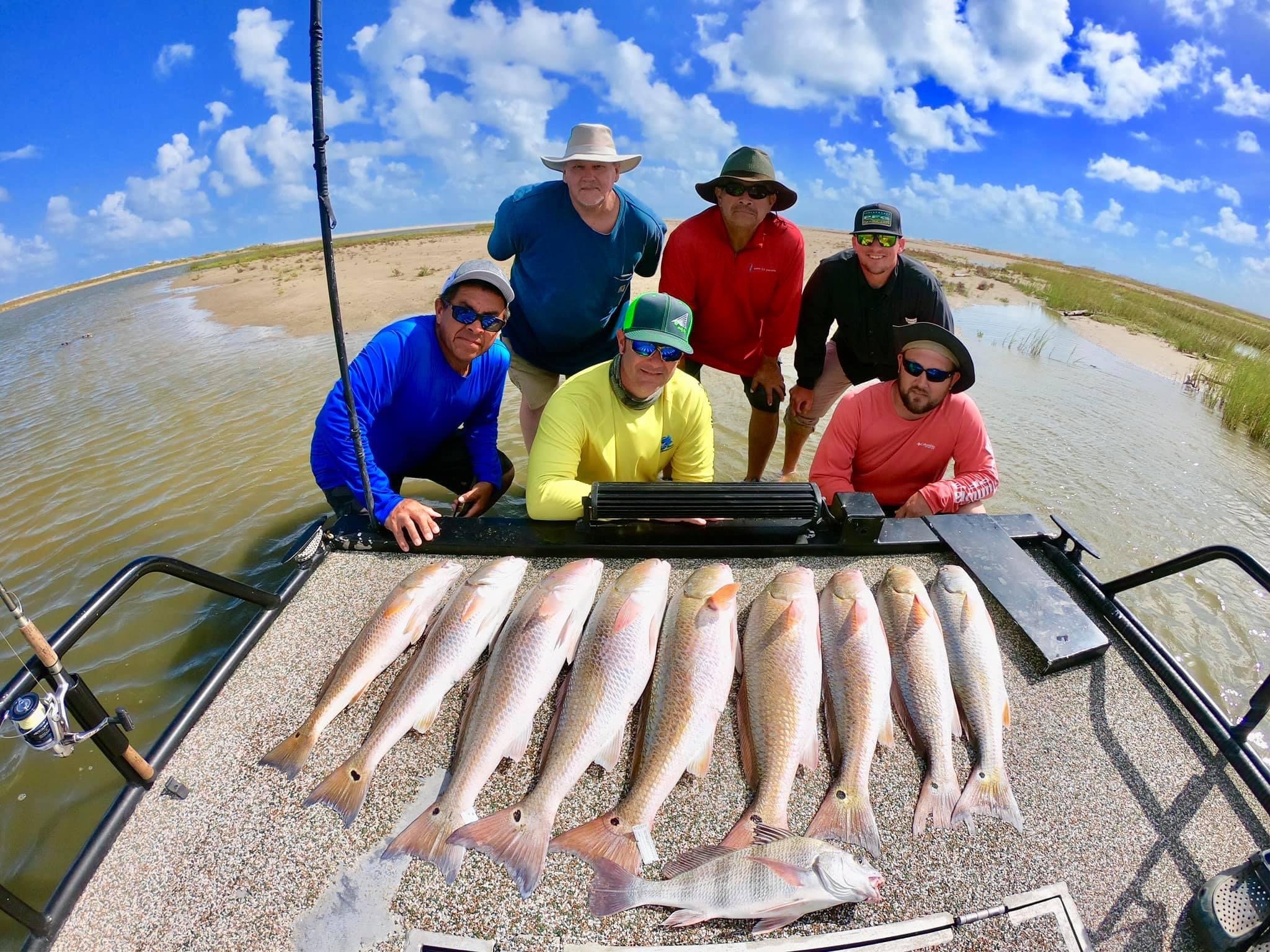
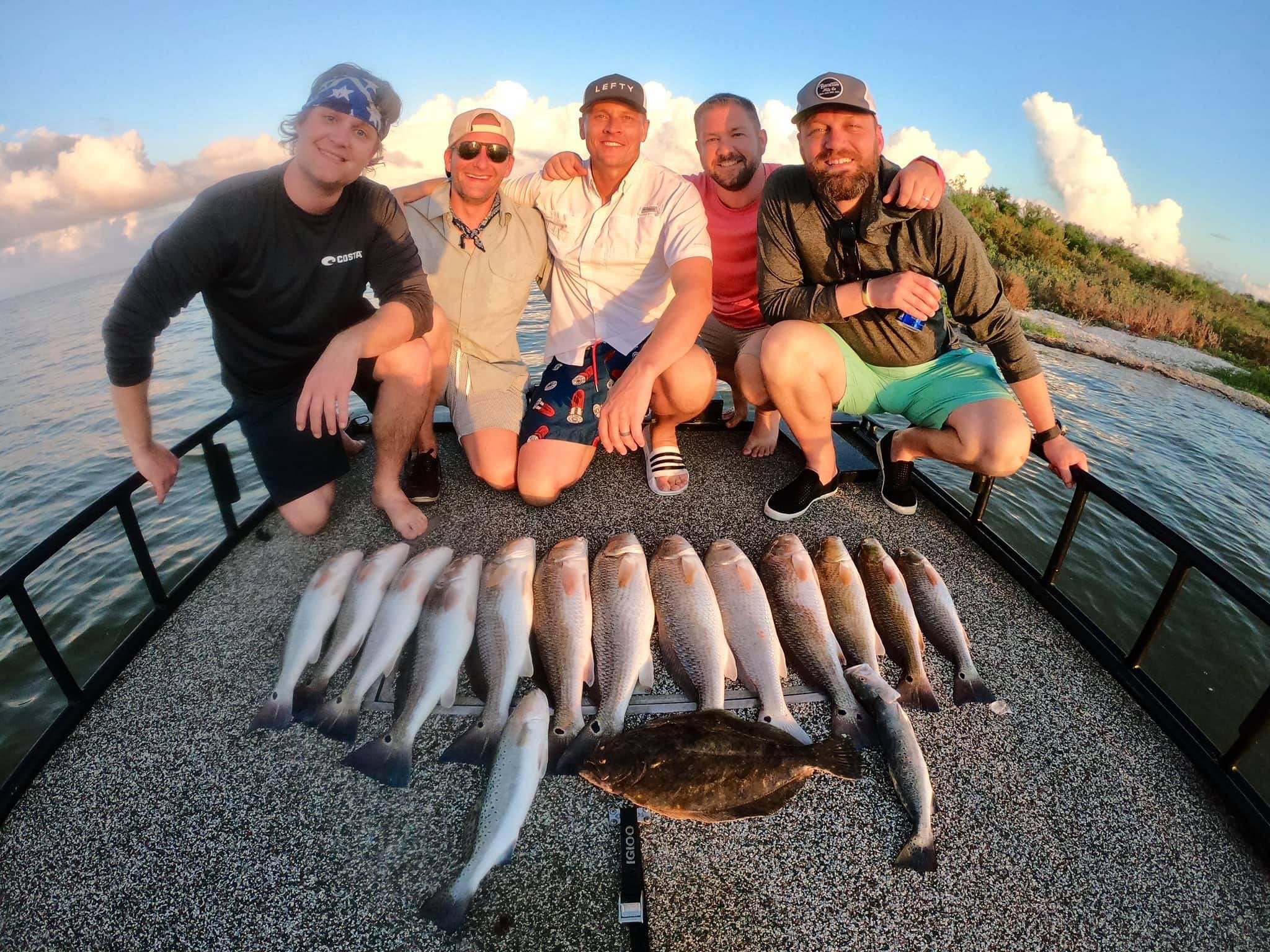

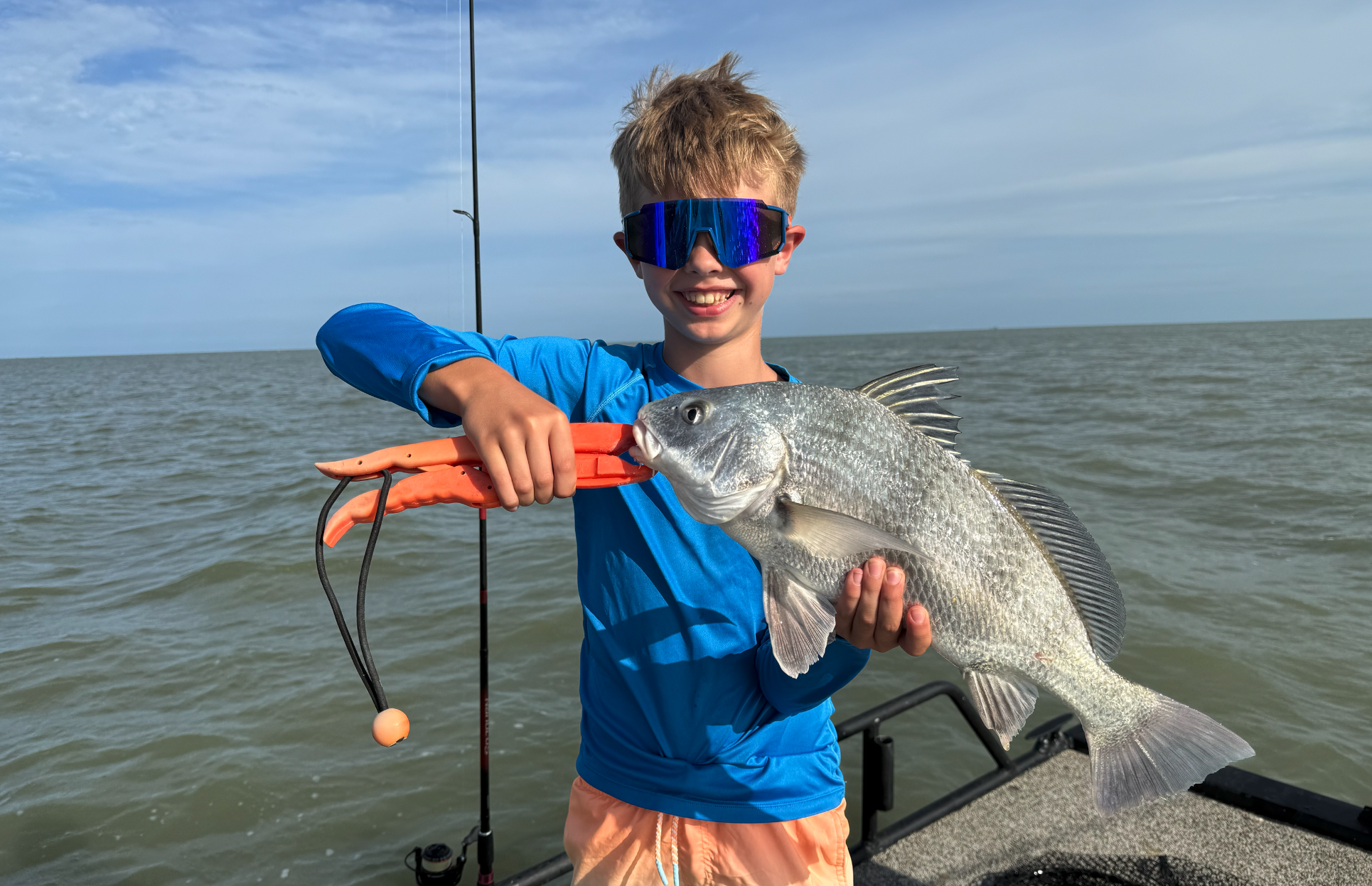
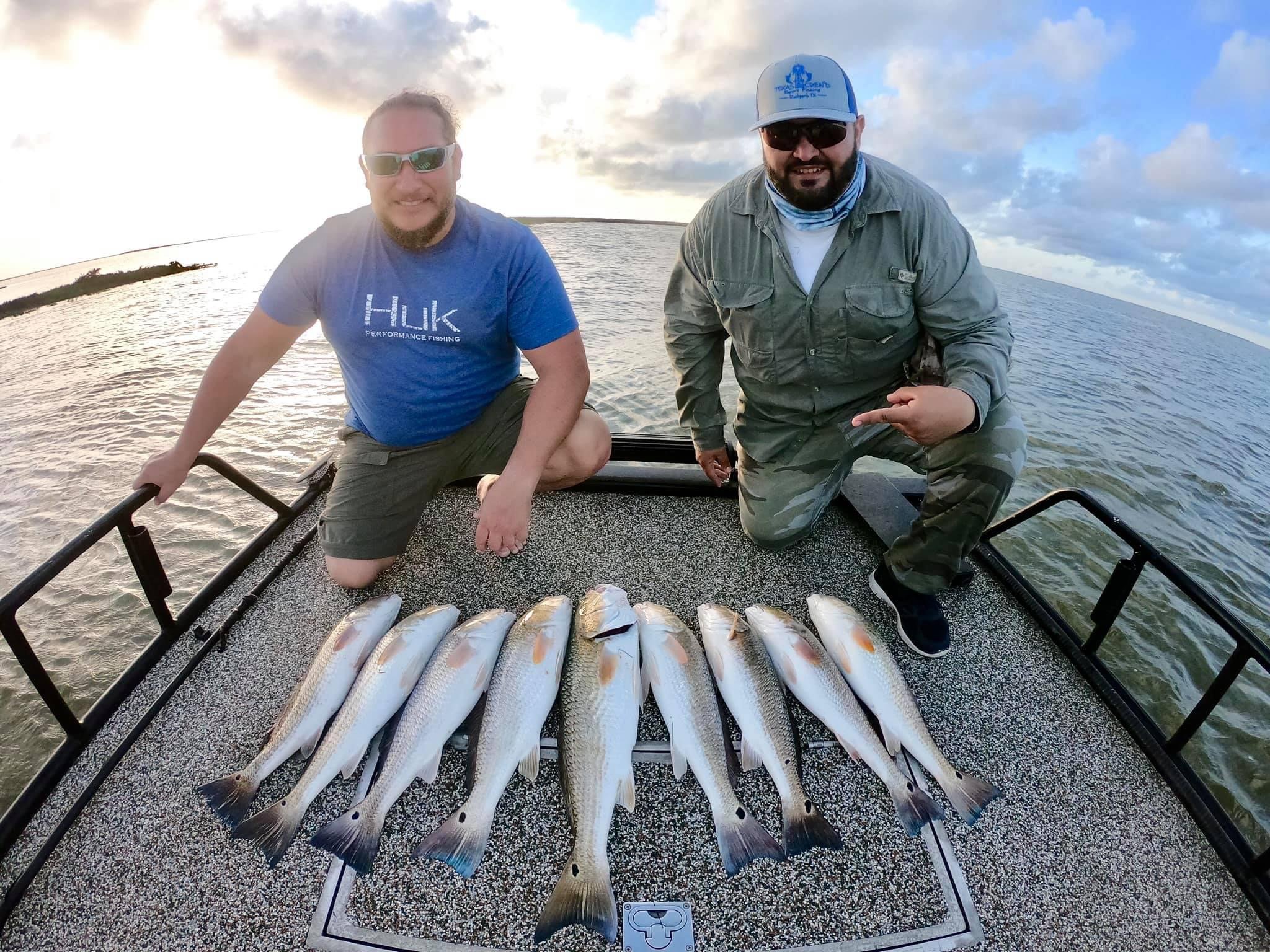
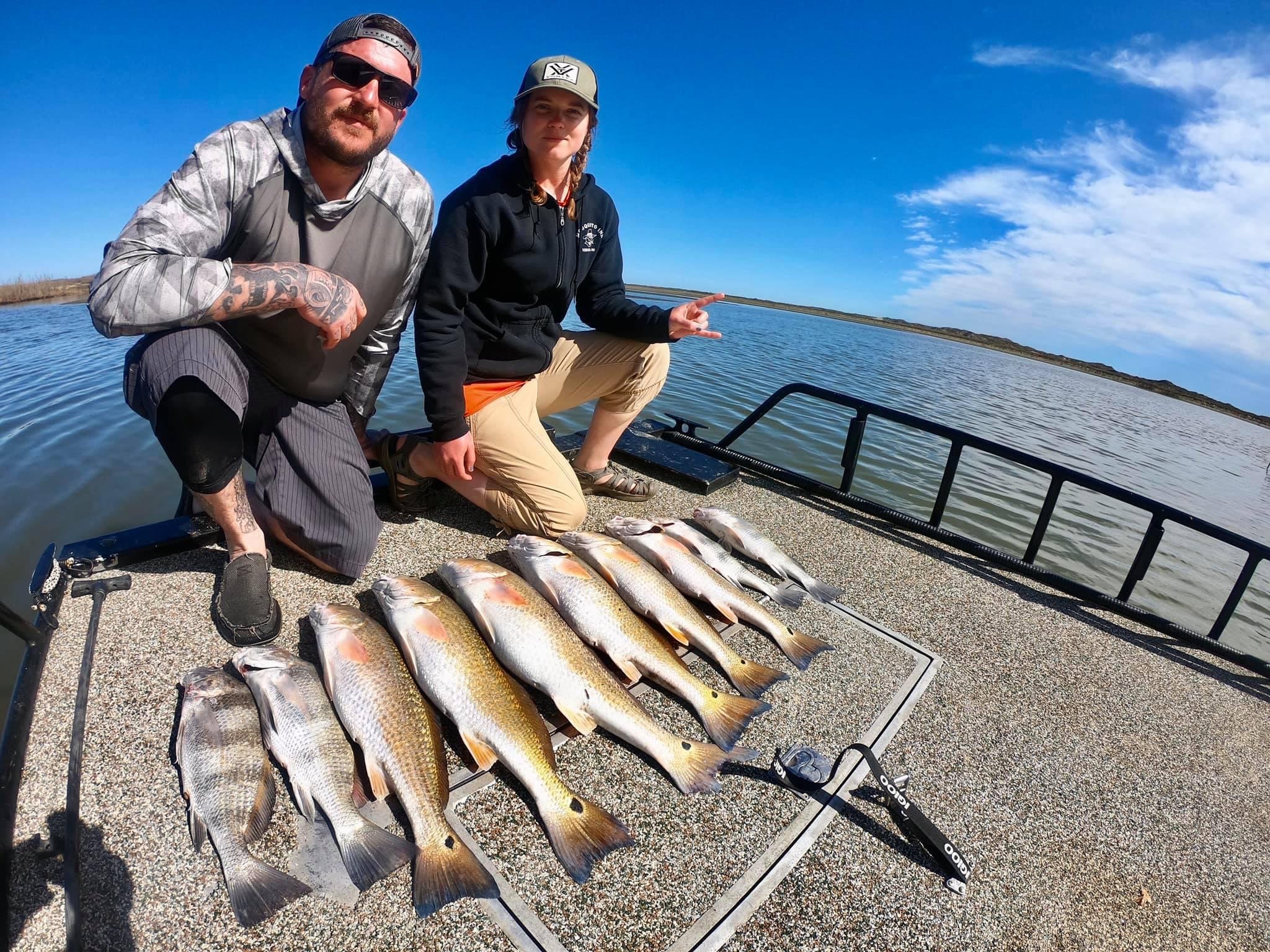
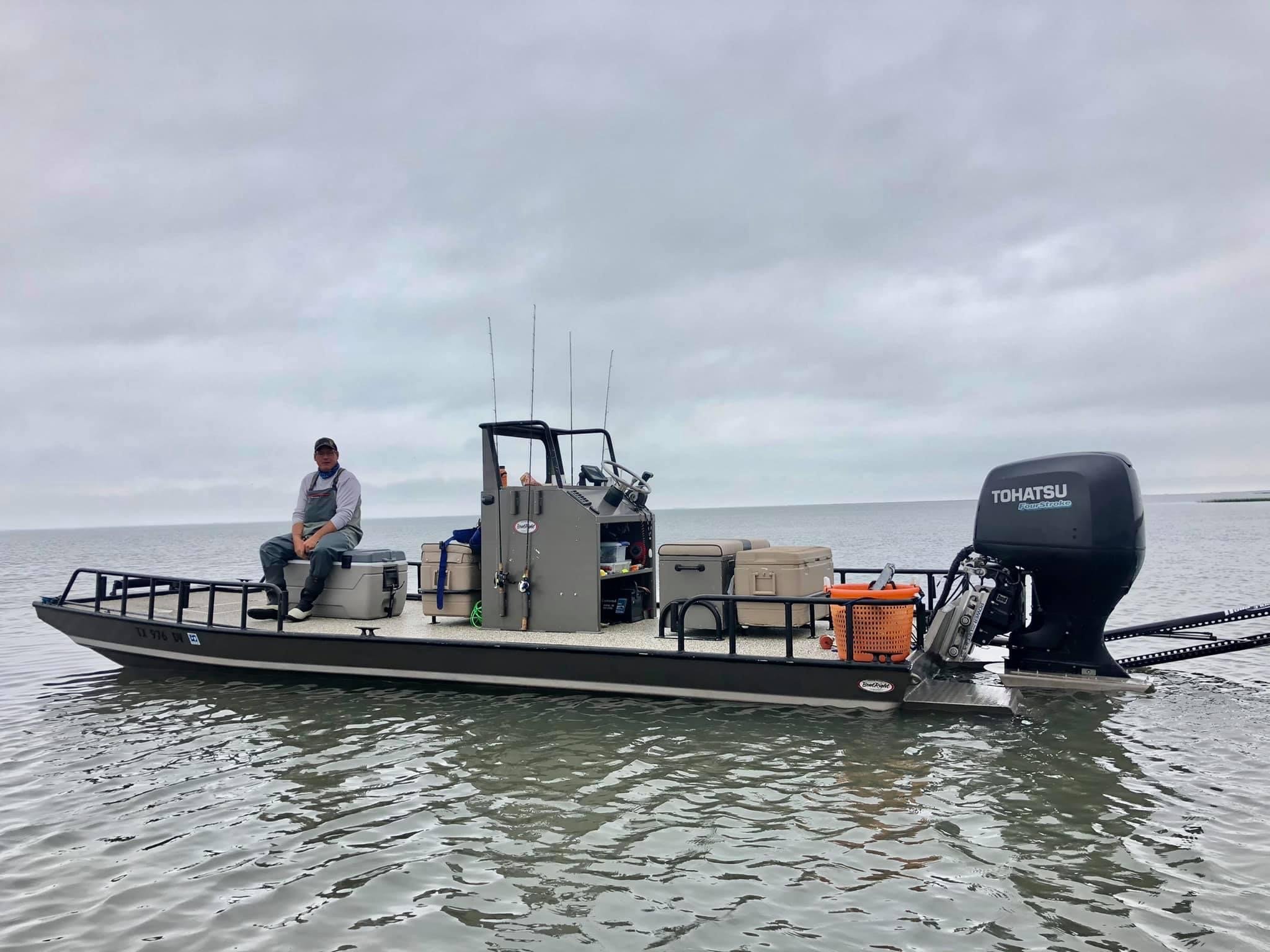
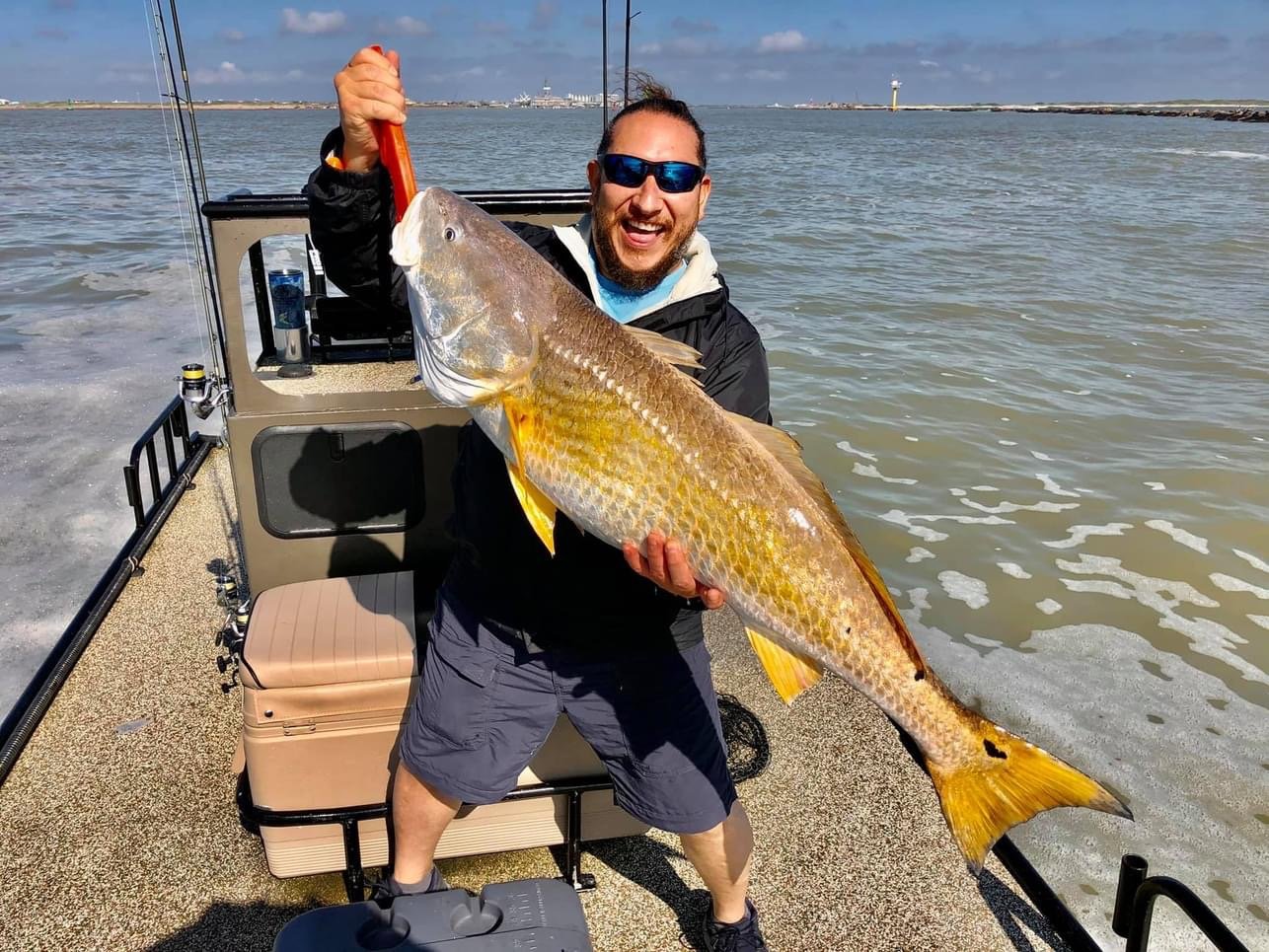


How Texas Crew’d Elevates Your Rockport Marlin Fishing Experience
Book your Rockport marlin charter with Texas Crew’d and target trophy marlin offshore with seasoned captains, top-tier gear, and a seamless experience from dock to deck. Secure your date now and pursue the fight of a lifetime on the Texas coast. Ready to plan your trip? Book our Guided Fishing Trips Rockport TX today!
Frequently Asked Questions
-
To consistently find Marlin, charters typically run 40 to 100 miles offshore to reach the continental shelf or deep-water structures. This requires a full-day trip to allow for travel time and fishing time in the deep blue water.
-
The peak season for Marlin fishing off the Texas coast is summer, specifically from June through September. During these months, warm currents from the Gulf Loop push closer to shore, bringing billfish within range of sport fishing boats.
-
While it is legal to keep Marlin if they meet strict size requirements (e.g., 131 inches for Blue Marlin), the standard practice is catch and release to protect the fishery. Most charters prioritize a safe release after a photo to ensure the species thrives for future anglers.
-
Yes, anglers generally need a valid Texas Saltwater Fishing License with a saltwater endorsement. If you are fishing in federal waters (beyond 9 nautical miles), the charter boat usually holds the necessary federal permits, but individual anglers are responsible for their state licensing.
-
Because reaching deep waters requires time, Marlin trips are full-day expeditions. This ensures plenty of “lines-in” time at prime fishing grounds to maximize your chances of a catch.