
How to Catch Mahi-mahi in Rockport, Texas
This mahi-mahi guide is regional fishing information, not a Texas Crew'd offshore trip offer. Texas Crew'd provides guided bay and inshore fishing and does not offer offshore mahi-mahi charters.
Use the species sections as background, then discuss an actual offshore plan with an operator who provides it. Texas Crew'd bay rates, meeting arrangements and inclusions do not describe a mahi-mahi package.
Regional Information and Trip Scope
A regional species description does not establish a consistently productive spot or a short route from Rockport. Confirm the actual departure point, vessel, fishing grounds, expected travel and trip duration with the operator conducting the outing.
Ask how the plan fits your intended target, current conditions and group comfort. A reference to floating structure, bait or offshore water does not guarantee a fish encounter. Texas Crew'd does not provide that offshore trip.
Confirm Dates and Current Conditions
Share your available dates with a mahi-mahi operator and ask about actual availability, the proposed plan and weather or cancellation terms. Do not treat June through September, or any other calendar range, as a guarantee of a catch or suitable seas.
Check the current marine forecast and confirm the actual departure and return times before making travel plans. Texas Crew'd does not offer a seasonal offshore mahi-mahi package.
Understanding Mahi-Mahi Behavior
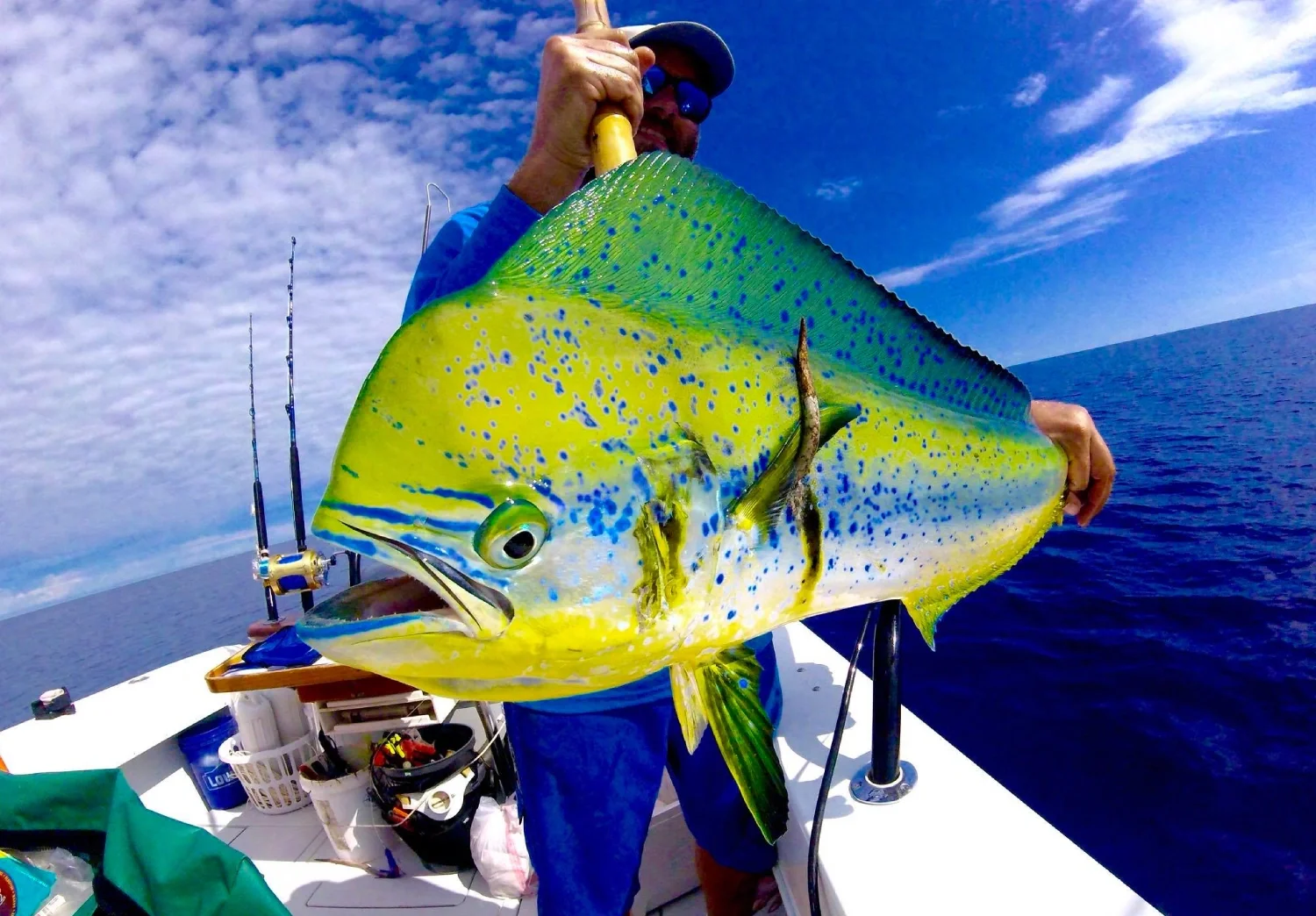
Mahi-mahi are visual predators that hunt with their eyes and their instinct. They gather around floating structures—weed lines, debris, and even your boat—looking for smaller baitfish to ambush. Once you understand this behavior, spotting and catching them becomes much easier.
These fish travel in schools, which means one catch often signals more nearby. They're also aggressive eaters, meaning they'll strike lures and baits without hesitation when they're feeding. Unlike some species that require finesse, mahi-mahi reward confidence and action.
Essential Gear & Tackle Setup
Rods and Reels: Medium-light to medium action rods (6–7 feet) paired with conventional or spinning reels work well. Mahi-mahi don't require heavy-duty gear; they're strong, but a quality medium rod will handle them beautifully.
Line and Leaders: Use 20–30 pound test main line with fluorocarbon leaders (20–30 pound). Mahi-mahi have sharp teeth, so the leader matters—it prevents bite-offs.
Best Lures: The Nomad Riptide's body shape is incredibly effective for all predatory species, with floating versions perfectly balanced to create an enticing 'S' shaped swimming motion. Trolling plugs, live baitfish (mullet, mackerel), and strip baits are proven producers.
Proven Mahi-Mahi Fishing Techniques
Trolling: Trolling is one of the most effective methods for offshore fishing, where you maintain steady speeds while lures mimic fleeing baitfish. Troll at 5–8 knots with multiple lines, and watch for the excitement when a mahi slams your lure.
Sight Casting: This is where the real thrill lives. Once you confirm the presence of mahi-mahi through visual signs like flying fish leaping, birds diving, or the striking blue mahi-mahi making their presence known by showing their dorsal fins just above the water, cruise slowly at 3–5 knots with two people on the bow ready to cast stick baits where the fish are sighted. When you spot a school, cast ahead of them and work your lure with erratic retrieves until they strike.
Finding Them: Hunt for weed lines, floating debris, and sargassum patches. Mahi-mahi hang around these structures hunting for baitfish. Birds diving is also a dead giveaway—where you see feeding birds, mahi are usually nearby.
Pro Tips for Peak Season Success
Fish early morning or late afternoon when the sun angle makes spotting easier and feeding intensifies.
Monitor water temperature using your fish finder; target areas where warm water meets structure.
Use tides to your advantage. Fish often become more active during tidal changes such as incoming or outgoing tides, as these transitions stimulate water movement and can lead to increased feeding opportunities.
Stay patient but aggressive. Mahi-mahi reward bold casting and steady, confident retrieves.

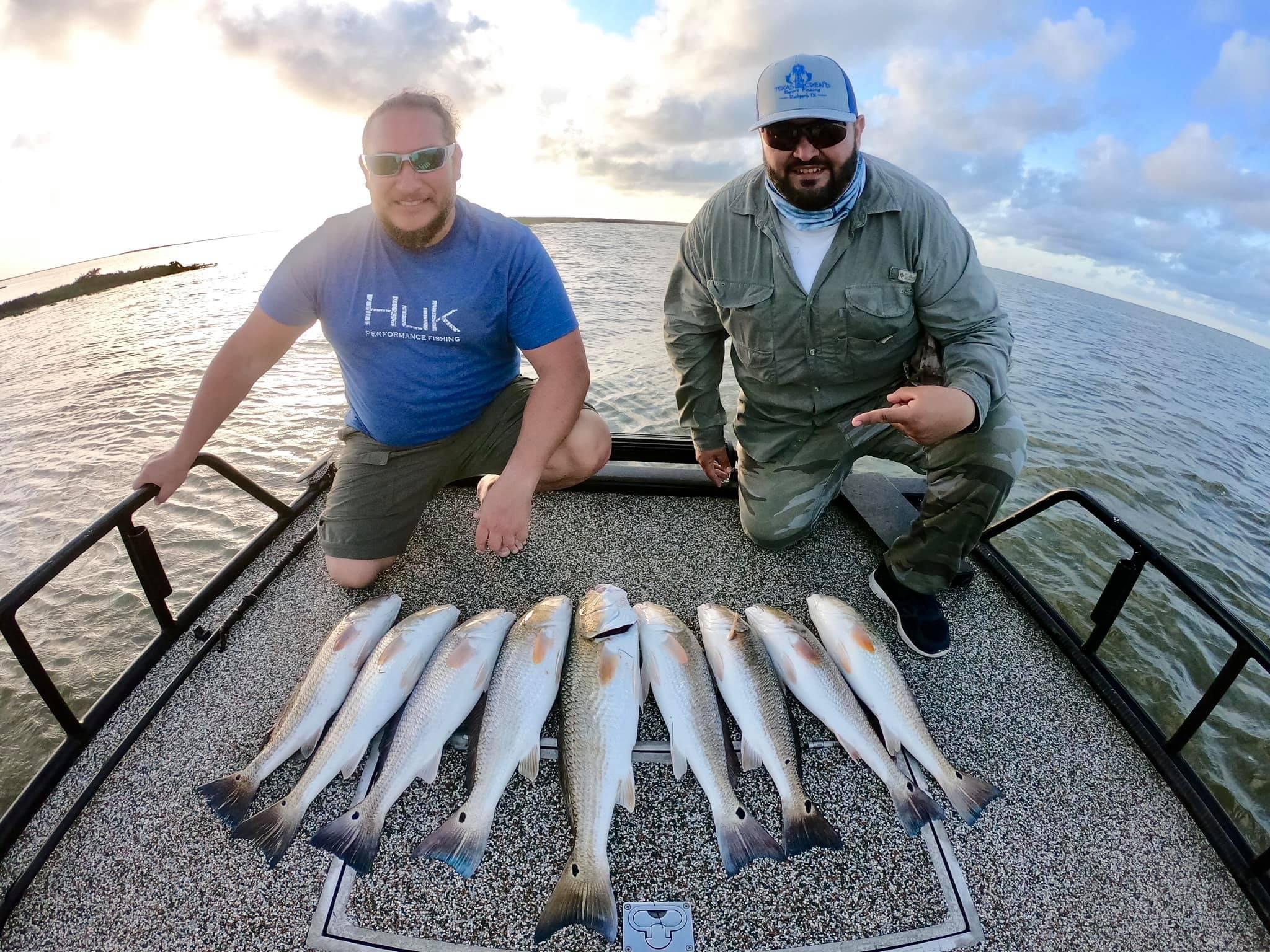
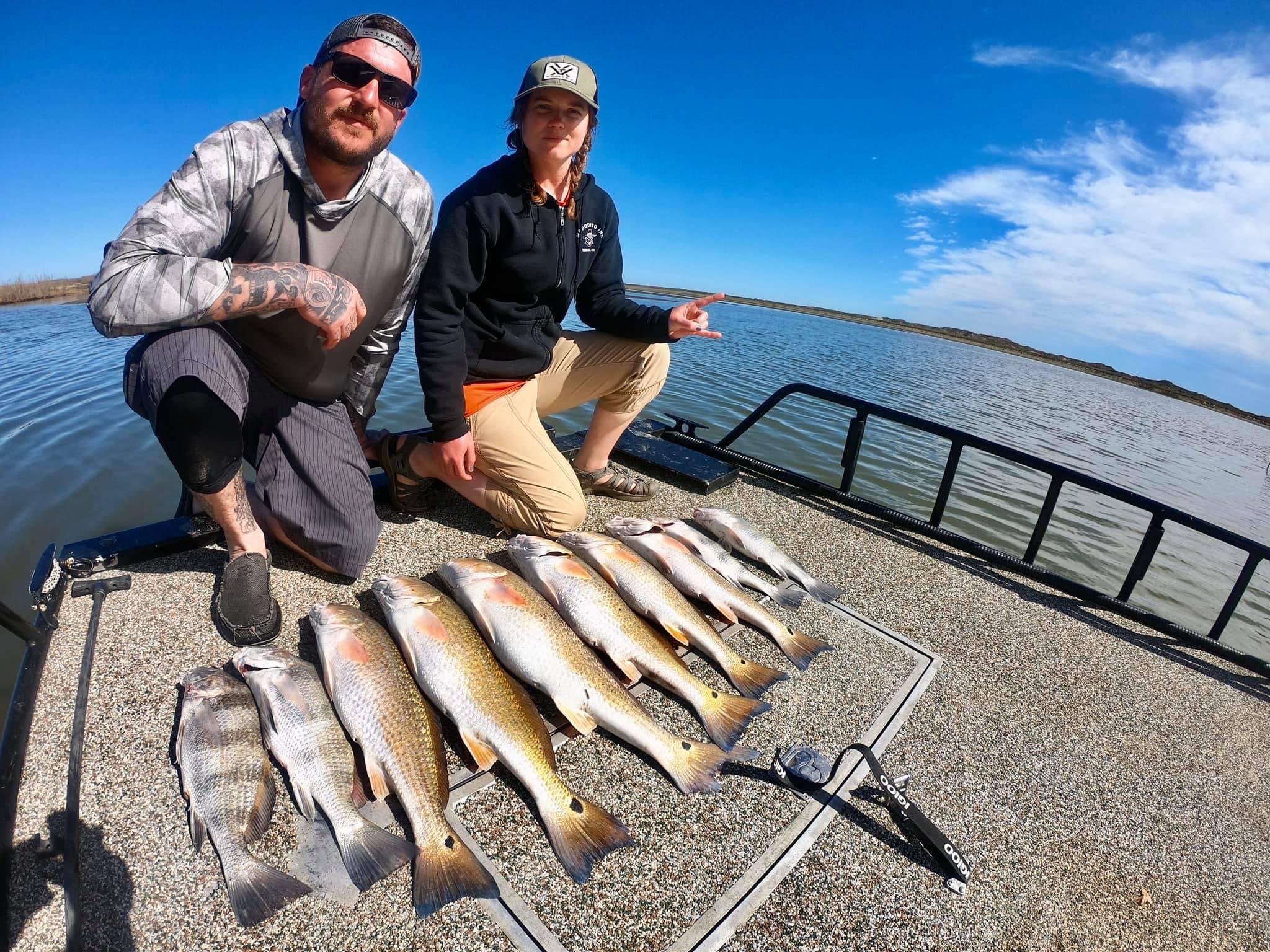
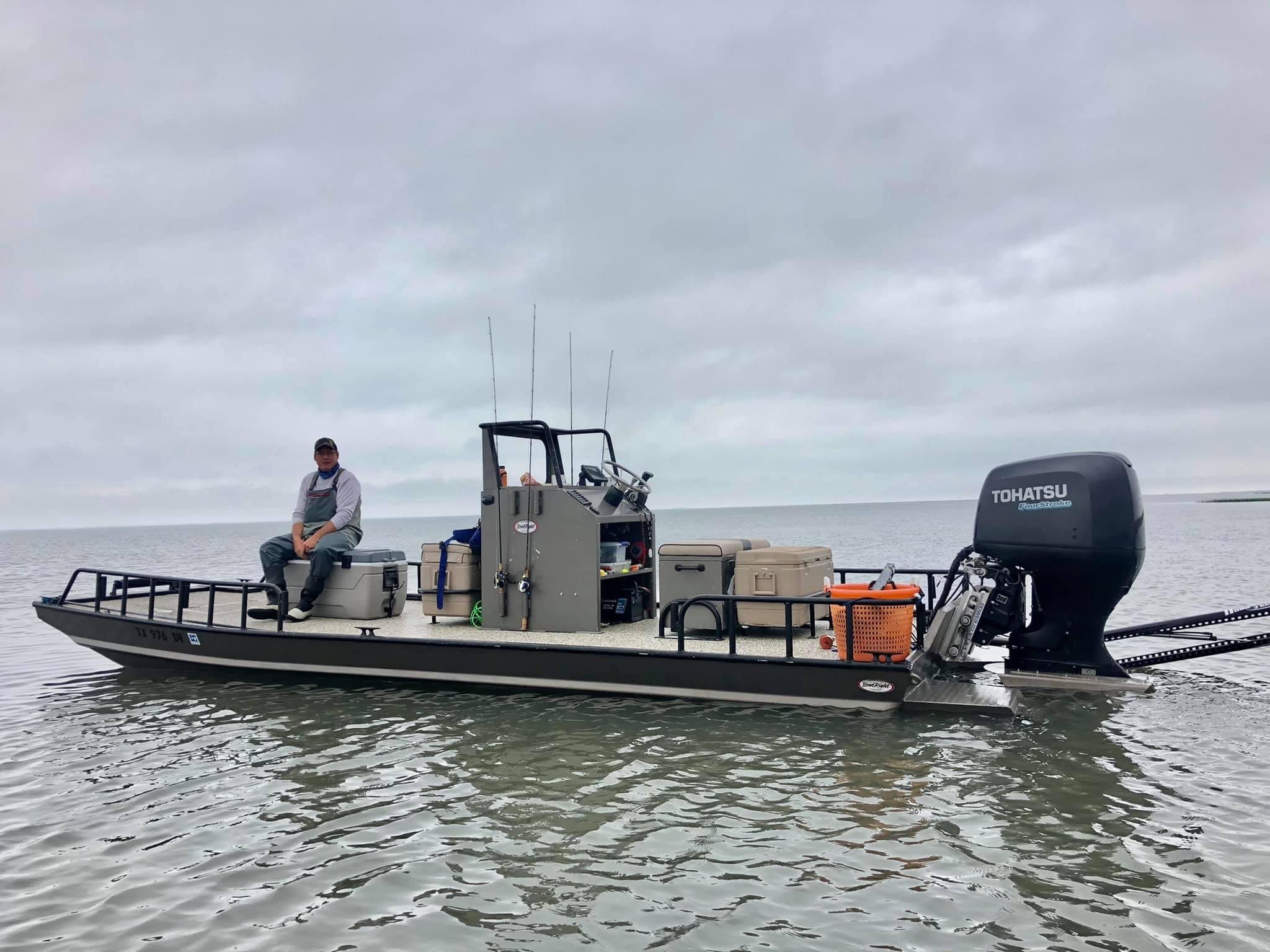
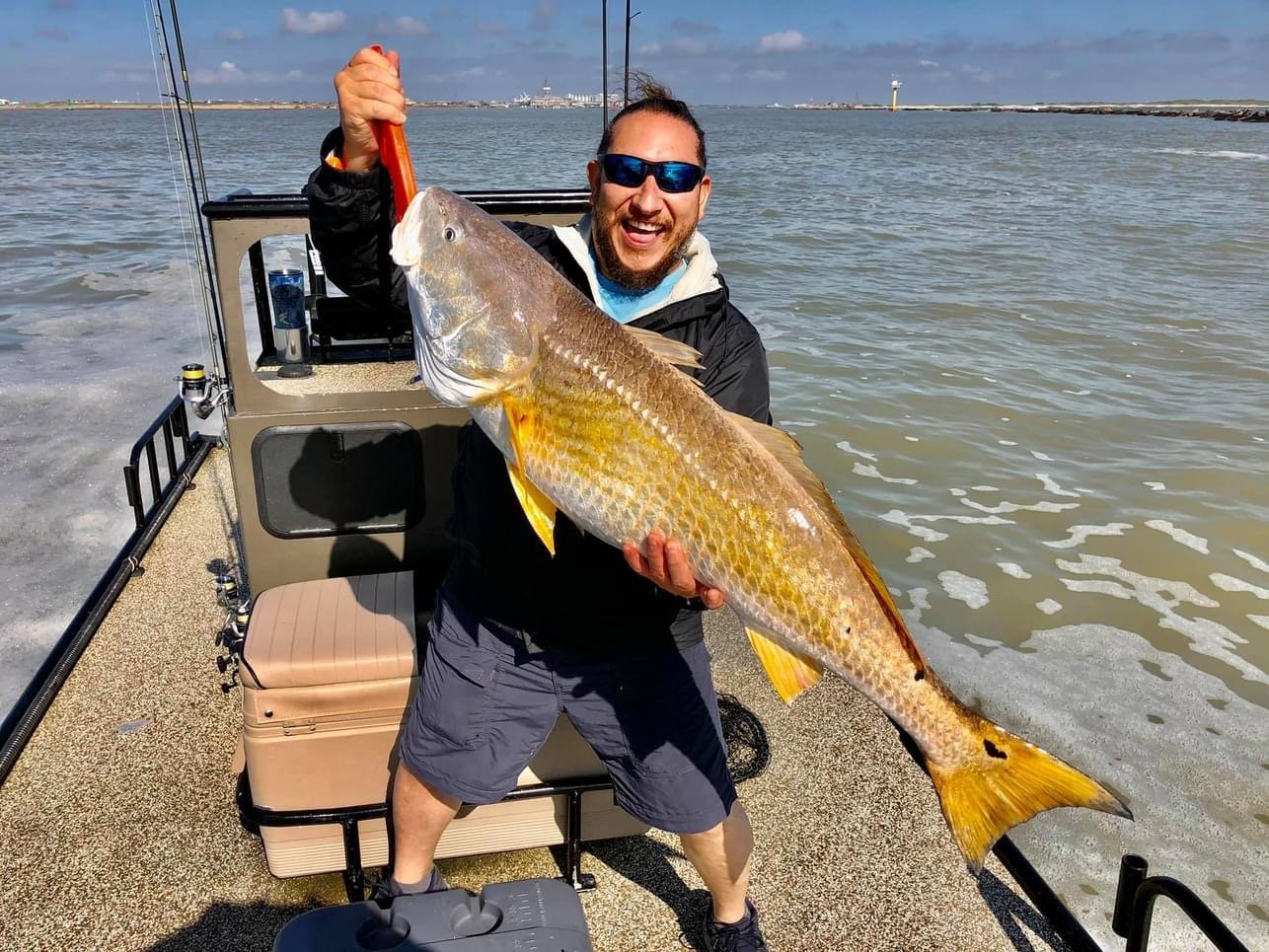


Compare with Texas Crew'd Bay Fishing
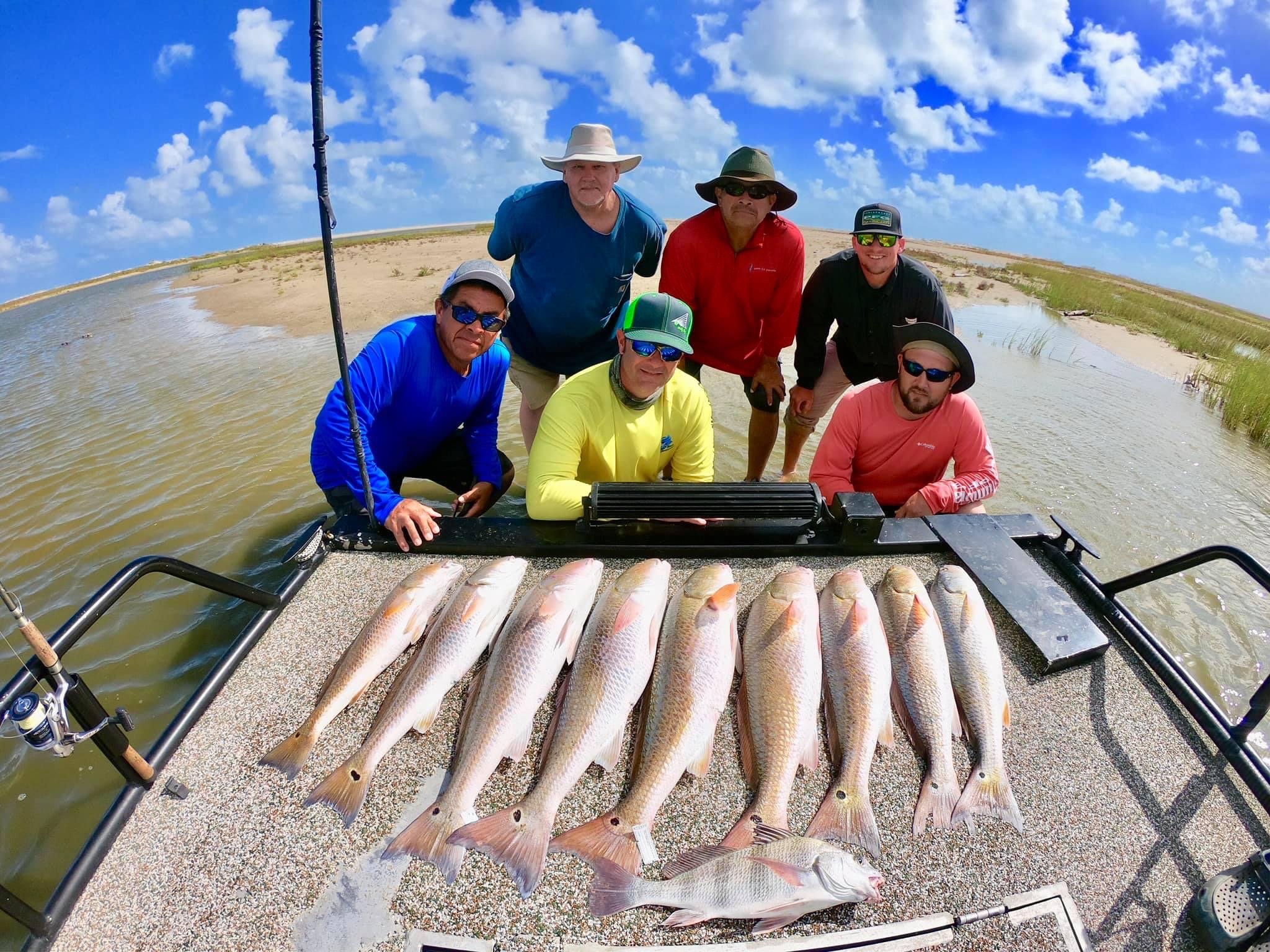
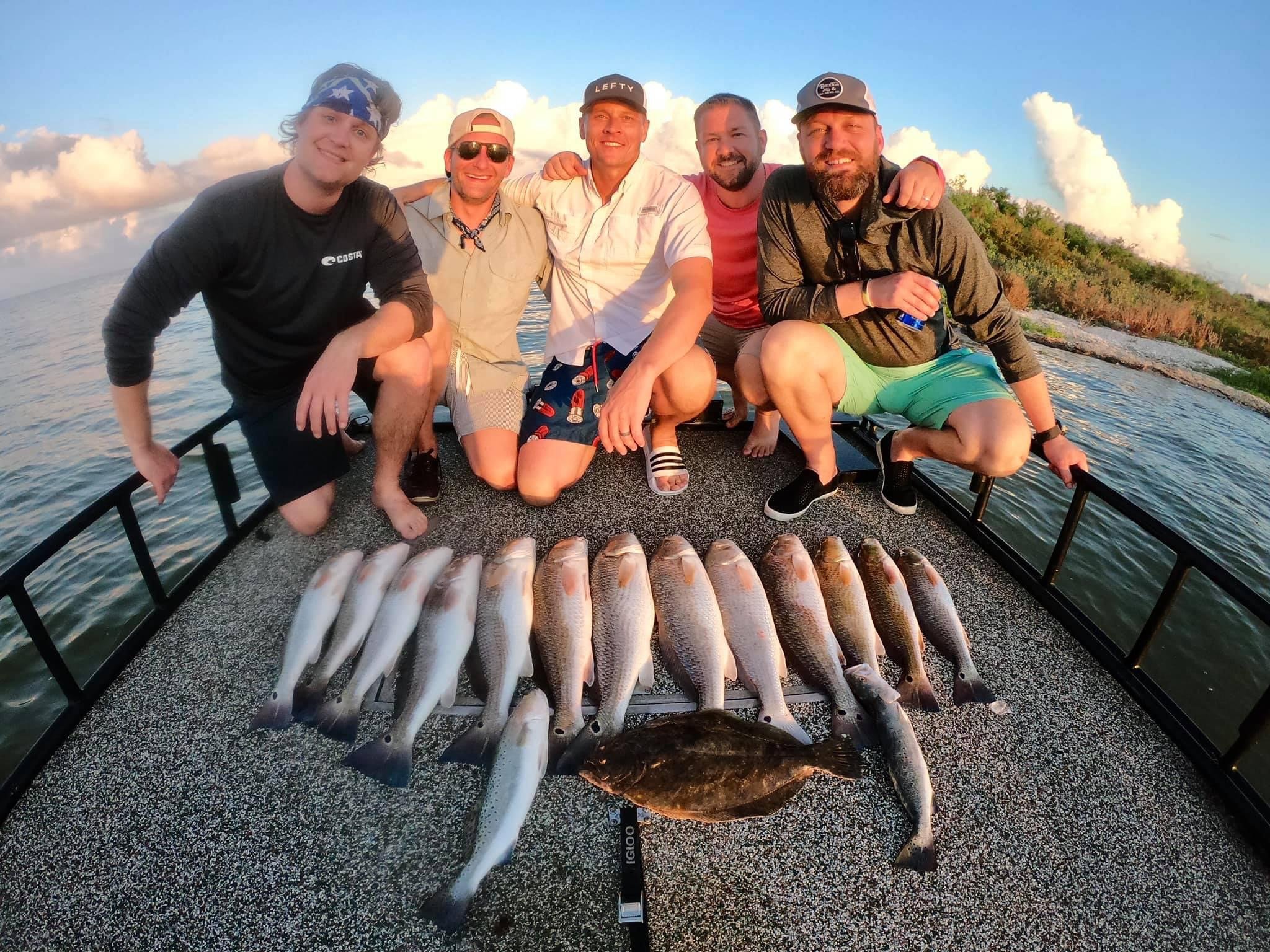
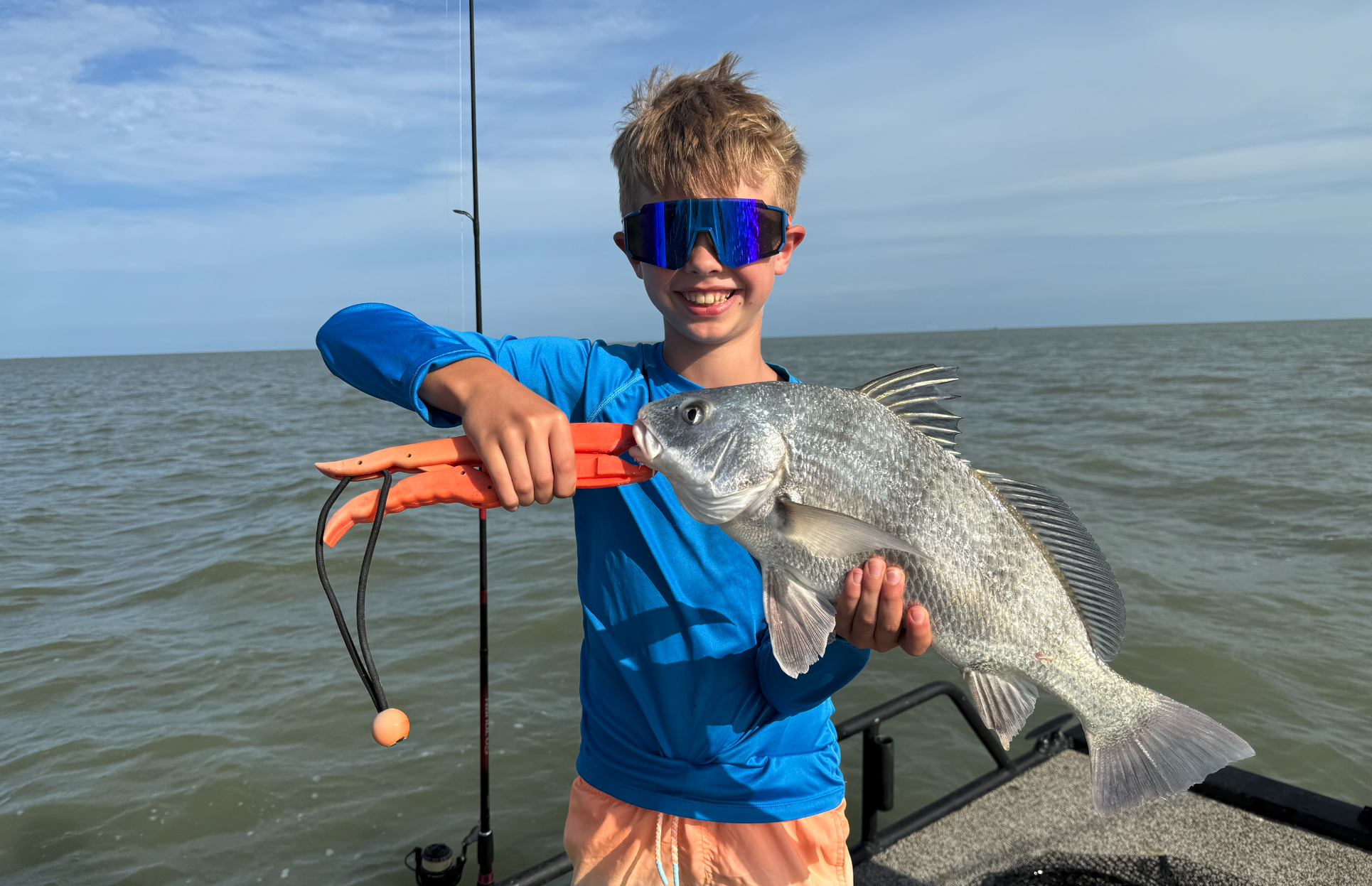
Texas Crew'd offers bay and inshore fishing with Captain Blake from a Rockport base. Bay and inshore describe the same service. This guide does not establish an offshore mahi-mahi trip, Gulf crew or tackle package.
Review the inshore trip details and published bay-trip rates, then contact Blake to confirm your date, guests, target, full-day duration, current total and departure arrangements.
FAQ: Your Mahi-Mahi Fishing Questions Answered
-
Live mullet and mackerel are top choices, along with strip baits cut from skipjack. Artificial lures and stick baits also work great, especially those with enticing swimming motions that mimic fleeing baitfish. The key is matching the size and action to what's naturally swimming in local waters.
-
Discuss your experience, boat comfort and the intended methods with an operator who offers the trip. Ask what instruction and equipment are provided for the actual outing. Experience level does not guarantee a catch, and Texas Crew'd does not provide an offshore mahi-mahi charter.
-
No catch-size range is established here for every trip. Species behavior, location and conditions vary, and an article cannot guarantee a fish or its size. Discuss the actual plan and expectations with the operator, and check current rules before keeping fish.
-
Confirm the vessel, route, fishing grounds, expected travel, equipment and safety arrangements for the intended outing. A general charter recommendation does not guarantee the safest or most productive trip. Texas Crew'd offers bay and inshore fishing and does not provide an offshore mahi-mahi service.
-
Trolling covers water by moving at steady speeds with lures that mimic baitfish, while sight casting involves spotting visible fish and casting directly to them with precision. Both techniques work; trolling is efficient for finding fish, while sight casting delivers the thrill of watching them take your lure.