
How to Catch Mackerel in Rockport, Texas
Rockport, Texas sits right at the heart of some of the best saltwater fishing in America. If you're curious about catching mackerel—or ready to refine your technique—you've landed in the right spot. Whether you're casting for your first Spanish mackerel or you've been chasing kingfish for years, these Gulf Coast waters have something exciting waiting for you.
In this guide, we'll walk you through everything you need to know about mackerel fishing in Rockport: when to fish, what techniques work best, which baits and lures get results, and how to set yourself up for success on the water.
Why Rockport Is a Premier Mackerel Fishing Destination
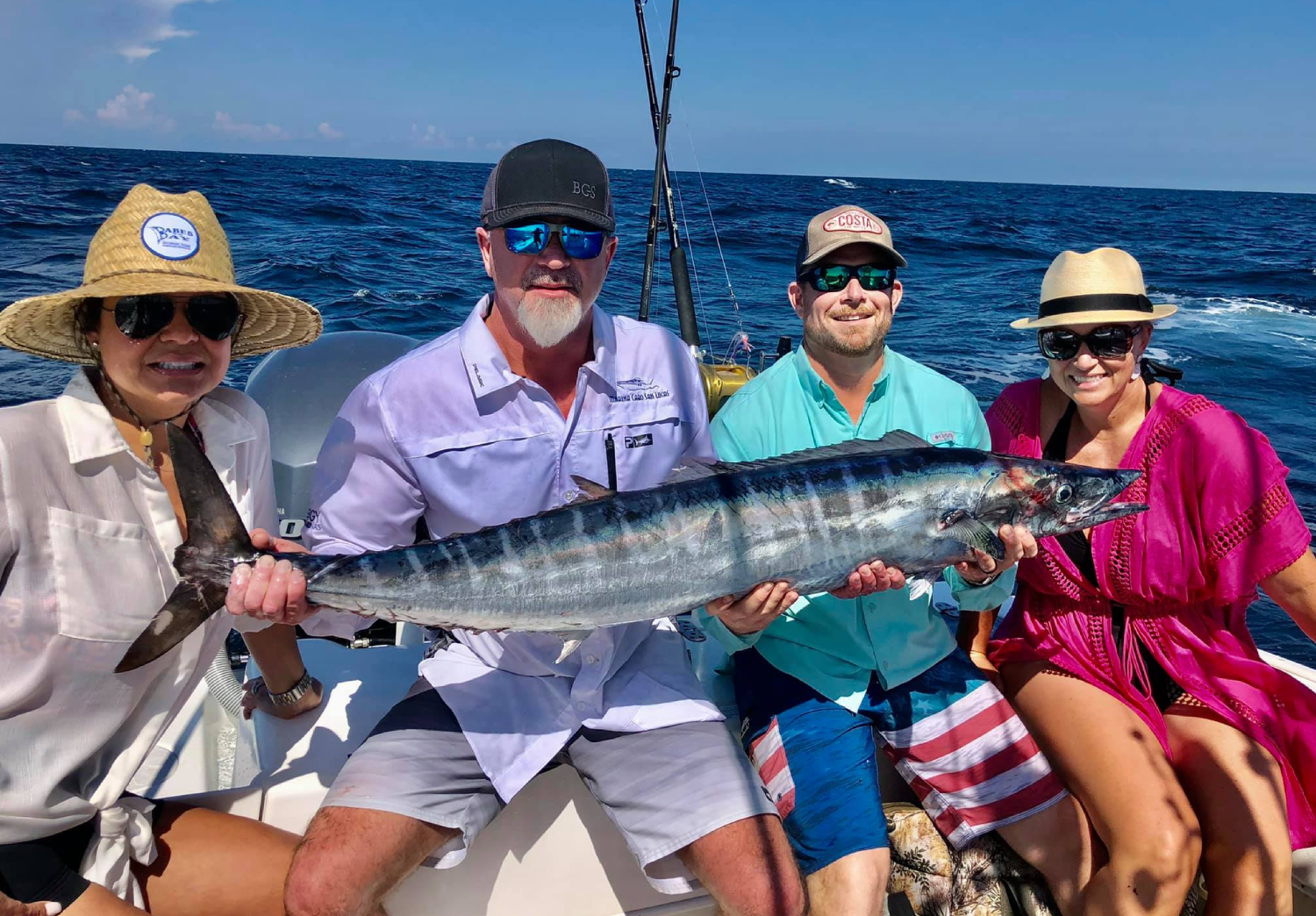
Rockport's position on the Texas Gulf Coast gives you access to some of the most productive mackerel waters in the country. The area's diverse marine ecosystem—ranging from shallow bays to deeper offshore waters—supports robust populations of both Spanish and King mackerel. The warm Gulf waters and abundant baitfish create ideal conditions for these aggressive, fast-fighting predators to thrive year-round.
With its serene bays, productive estuaries, and direct access to the Gulf of Mexico, Rockport stands out as one of Texas’s premier fishing destinations. Its coastal location draws migratory mackerel species, especially during peak seasons, giving both local anglers and visiting fishermen plenty of opportunities to hook these exciting fish.
Best Seasons to Catch Mackerel in Rockport
Understanding when mackerel are most active—and abundant—is your first step toward a successful trip. Rockport's seasonal patterns are shaped by water temperature, baitfish migration, and natural feeding cycles.
Summer Peak (June-August)
Summer is prime time for offshore mackerel in Rockport. The summer months bring warmer waters and an influx of migratory fish species, with King Mackerel and Spanish mackerel being top targets from June to August. The Gulf of Mexico lights up with activity during these months, offering thrilling opportunities for deep-sea fishing. If you're chasing trophy-sized kingfish with serious power, summer is when you'll find them actively feeding.
Fall Excellence (August-October)
Many seasoned anglers consider fall the absolute best season for mackerel in Rockport. From September to November, as temperatures start to cool down, fish become highly active and feed aggressively. The waters remain warm enough to keep mackerel in prime feeding mode, yet cool enough to trigger aggressive strikes. October, in particular, has earned a stellar reputation among local fishermen for consistent, exciting mackerel action.
Year-Round Opportunities
Don't rule out other seasons. Mackerel can be caught in the area throughout the year, but certain seasons offer better chances for success. Even during winter months, dedicated anglers find opportunities to land these fish, especially if they know the right spots and techniques.
Essential Techniques for Catching Mackerel
Mackerel are aggressive hunters that respond to active presentations. Success comes down to understanding three primary techniques that work beautifully in Rockport waters.
Trolling with Spoons (Most Popular)
Trolling is the gold standard for mackerel fishing, and for good reason. Trolling is an extremely effective technique for Spanish mackerel, allowing anglers to cover a lot of water in search of fish while presenting multiple baits at different depths. Here's what you need to know:
Speed matters. The most effective trolling speed is from 5-7 knots, which results in impressive strikes. This speed creates the darting, wounded-baitfish action that mackerel can't resist.
Spoons are your best friend. Spoons are terrific trolling lures for Spanish mackerel and other species, with many anglers preferring long, slender designs that cast and troll pretty quickly. Silver and gold spoons (2-3 inches) should be your go-to choices.
Get them down. Use diving planers or downriggers to get your lures to the right depth, especially when fishing deeper waters. An inline sinker (2-3 ounces) works well if you're keeping things simple.
Casting and Retrieving Lures
If trolling feels too passive for you, casting offers excitement and engagement. Casting for Spanish mackerel involves casting lures into feeding areas and retrieving them with a fast, erratic action. The strike can be explosive—one moment your lure is in the water, the next you're fighting a powerful fish.
The retrieve is everything. Spanish mackerel are very aggressive and most often respond to a fast, erratic retrieve, which mimics a wounded baitfish and often triggers a strike. Don't be gentle. Work your lure with energy and confidence.
Fish the upper water column. Spanish mackerel typically hunt in the upper portion of the water column, so don't waste time fishing deep. Cast and retrieve at a depth of 20-40 feet for best results.
Jetty and Pier Fishing with Live Bait
If you don't have access to a boat, don't worry. Piers are excellent spots to fish for Spanish mackerel, as the structure attracts bait which in turn attracts Spanish mackerel. Here's the approach:
Use live bait. Fresh mullet, sardines, cigar minnows, or live shrimp work beautifully. Hook the bait through the nose or back to allow it to swim naturally.
Time the tides. Fish the incoming and outgoing tides when current is pushing baitfish toward the jetty. Early morning and late afternoon provide excellent low-light conditions when mackerel are most active.
Be ready. This is often an opportunistic situation—a school of mackerel moves through, and you need to be rigged and ready when it happens.
Best Baits and Lures for Rockport Mackerel
Mackerel are predatory fish with strong feeding instincts. They respond to baits and lures that mimic their natural prey species.
Live Bait Options
Live bait is one of the most effective ways to catch King mackerel, as the movement of live baitfish draws them in, naturally attracted to the erratic swimming of prey. Your best choices include:
Mullet
Sardines
Cigar minnows
Blue runners
Live shrimp
Live squid
Cut Bait Alternatives
If live bait isn't available or you want to keep costs down, cut bait works wonderfully. Dead bait can be an effective alternative when trolling, especially oily fish like mackerel, bonito, or bluefish, as these species are commonly found in mackerel diets. Cut the bait into large chunks to simulate injured prey and maximize the chances of attracting their attention.
Artificial Lures That Work
Lures can be effective when targeting King mackerel, especially when trolling or casting from a boat or pier, with spoons, diving plugs, and large swimbaits being popular choices. Our top recommendations include:
Spoons – Reflective and darting action that imitates wounded baitfish. Silver and gold are the colors that consistently work.
Jerkbaits – Rapala X-Rap style plugs with erratic action work best with hard twitches followed by a pause, often when the mackerel strikes as the bait appears to be helpless. White and ghost colors are particularly effective.
Jigging spoons – Cast or jig these vertically near structure or over deeper holes. 1-1.5 oz casting jigs are good for this because you can fish them at various depths.
Gear and Tackle Setup
You don't need a fortune in equipment, but using the right gear makes a real difference when fighting strong mackerel.
Rod and Reel
A medium to heavy-action spinning or conventional rod is ideal for King mackerel, typically 7 to 9 feet long, and should be paired with a saltwater reel that can hold at least 200 yards of 20-30 lb test braided line. If you're casting lighter lures, a 7-foot medium-light spinning rod works beautifully.
Line and Leaders
Here's where mackerel's sharp teeth become important. For King mackerel, braided line is ideal because of its strength, sensitivity, and thin diameter, allowing for long, accurate casts, with a 20-30 lb test braided line working well for most fishing situations.
Your leader is critical. Use a 40-60 lb test fluorocarbon leader to withstand abrasion from their sharp teeth, as fluorocarbon is more resistant to the abrasions caused by mackerel's sharp teeth and is nearly invisible in the water. Many anglers also use wire leaders when conditions are murky or when fish are feeding aggressively.
Hooks
Circle hooks in the range of 5/0 to 7/0 are popular for live bait fishing, and they tend to hook the fish in the corner of the mouth, minimizing deep hooking and making for an easier release. For lures, use larger hooks that can handle aggressive strikes.



How Texas Crew'd Enhances Your Rockport Mackerel Fishing Experience
Ready to experience Rockport's mackerel fishing firsthand? You have all the knowledge you need to get started. Whether you're planning to go out on your own or you want to enhance your adventure with experienced guidance, the waters are waiting. Cast your line, stay sharp, and get ready for the aggressive strikes and powerful runs that make mackerel fishing unforgettable. Good luck out there!
Ready to chase your personal best? Book our Guided Fishing Trips Rockport TX today!
FAQ: Your Mackerel Fishing Questions Answered
-
Spanish Mackerel typically reach 14-18 inches and weigh just 1-3 pounds, while King Mackerel grow much larger. Spanish mackerel have a dark front dorsal fin and yellow spots along their bodies, while juvenile King mackerel have gray dorsal fins and a distinct dip in their lateral line as it extends toward the tail. Both are exceptional fighters and excellent table fare, but King mackerel offer a more powerful battle if you're after bragging rights.
-
Absolutely! Mackerel are aggressive feeders, which means they don't require expert technique to catch. If you can cast a lure or present live bait, you can catch mackerel. The key is using the right locations, the right season, and being willing to learn from experienced anglers or guides. Many beginners land their first mackerel within their first hour on the water.
-
King mackerel are most active during low-light conditions, such as early morning or late afternoon, when the water is cooler and fish are more likely to be hunting for baitfish near the surface. Early morning from sunrise to mid-morning, and late afternoon into the early evening, are your prime windows. However, mackerel can be caught throughout the day if you find active schools.
-
Yes. All saltwater anglers in Texas need a valid Texas Parks and Wildlife Department (TPWD) fishing license. You can purchase a license online, at sporting goods stores, or through local bait and tackle shops. Licenses are affordable and support conservation efforts that keep these fisheries healthy.
-
It depends on your comfort level and what you have available. Trolling covers the most water and works great if you have a boat and want consistent results. Casting offers the most excitement and engagement, especially for sight-fishing breaking schools. Live bait from piers or jetties is perfect if you don't have boat access and want a more relaxed approach. Start with whichever appeals to you, and as you gain experience, you'll develop your own preferred style.