
What “Inshore” Means in Rockport: Bays, Flats, and Back Lakes Explained
“Inshore” is the everyday word locals use for the protected saltwater inside Rockport’s bay system. These waters are part of an estuary, where fresh water and salt water mix into brackish habitat (NOAA Ocean Service). If you’ve been searching for Rockport fishing inshore, this is exactly what people mean: protected water with plenty of spots to fish close to town.
For trip planning, think of Rockport inshore as three main habitats:
Bays
Flats
Back lakes
Each one fishes a little differently, especially for beginners.
Bays: open water inside the coast

Bays are the larger, more open parts of Rockport inshore water, including areas like Aransas Bay. Bays are useful because they give your captain options without long runs.
What you notice in bays
More room to drift and cover water
Shoreline edges, channels, and bottom changes
Plenty of places for bait to gather
When bays shine If conditions are mixed, bays are a safe choice. A captain can often work protected shorelines and keep the ride comfortable.
Flats: shallow zones where fish cruise
Flats are wide, very shallow areas. Some are sand or mud, and many are grass flats.
Seagrass beds matter because they trap sediment and create shelter for smaller creatures that bigger fish feed on (Smithsonian Ocean).
What flats fishing feels like
Slower drifts
More focus on a small area that looks right
Simple coaching on where to cast and how to work a lure or bait
Easiest conditions on flats Flats are shallow, so small changes matter. The easiest days are usually when water is not extremely low and the wind is manageable.
Back lakes: small, protected pockets
Back lakes are smaller lakes connected to the bay and marsh system by drains or narrow cuts. They are often the most sheltered option for visitors.
Rockport sits in the Mission-Aransas estuary system, which includes large shallow bays plus wind tidal flats and seagrass meadows (UT Marine Science).
Why people like back lakes
Shorter runs and calmer water
Simple, easy-to-understand structure like drains and shoreline bends
Comfortable learning environment for first-timers
Quick comparison
| Habitat | What it looks like | Best for | What you focus on |
|---|---|---|---|
| Bays | Open inshore water | Flexibility in changing conditions | Edges, drops, bottom changes |
| Flats | Wide shallow water | Shallow-water action and simple coaching | Grass, sand pockets, subtle lanes |
| Back lakes | Protected pockets | Comfort and calm water | Drains, bends, mud edges |
What can you catch in Rockport inshore water?
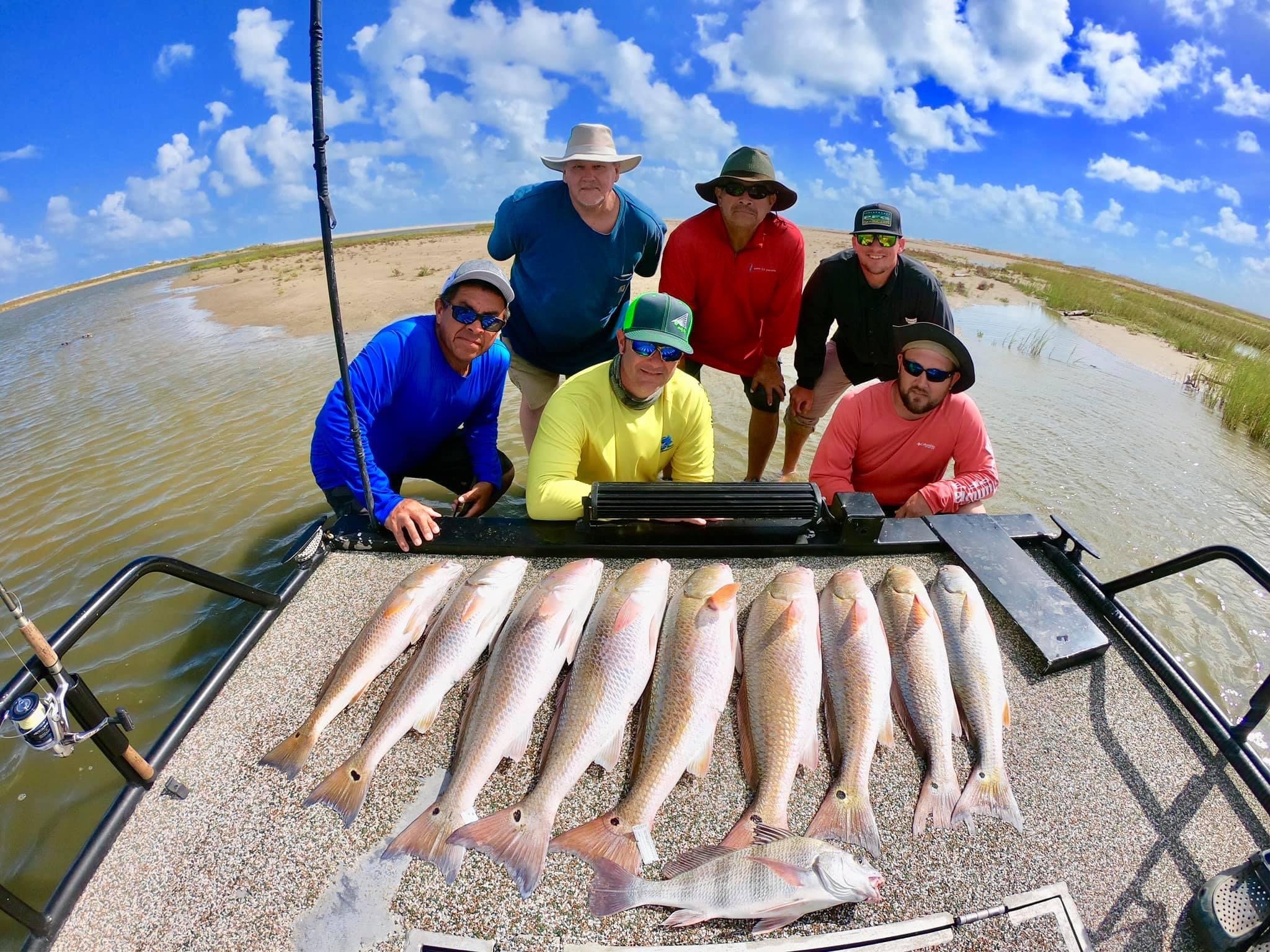
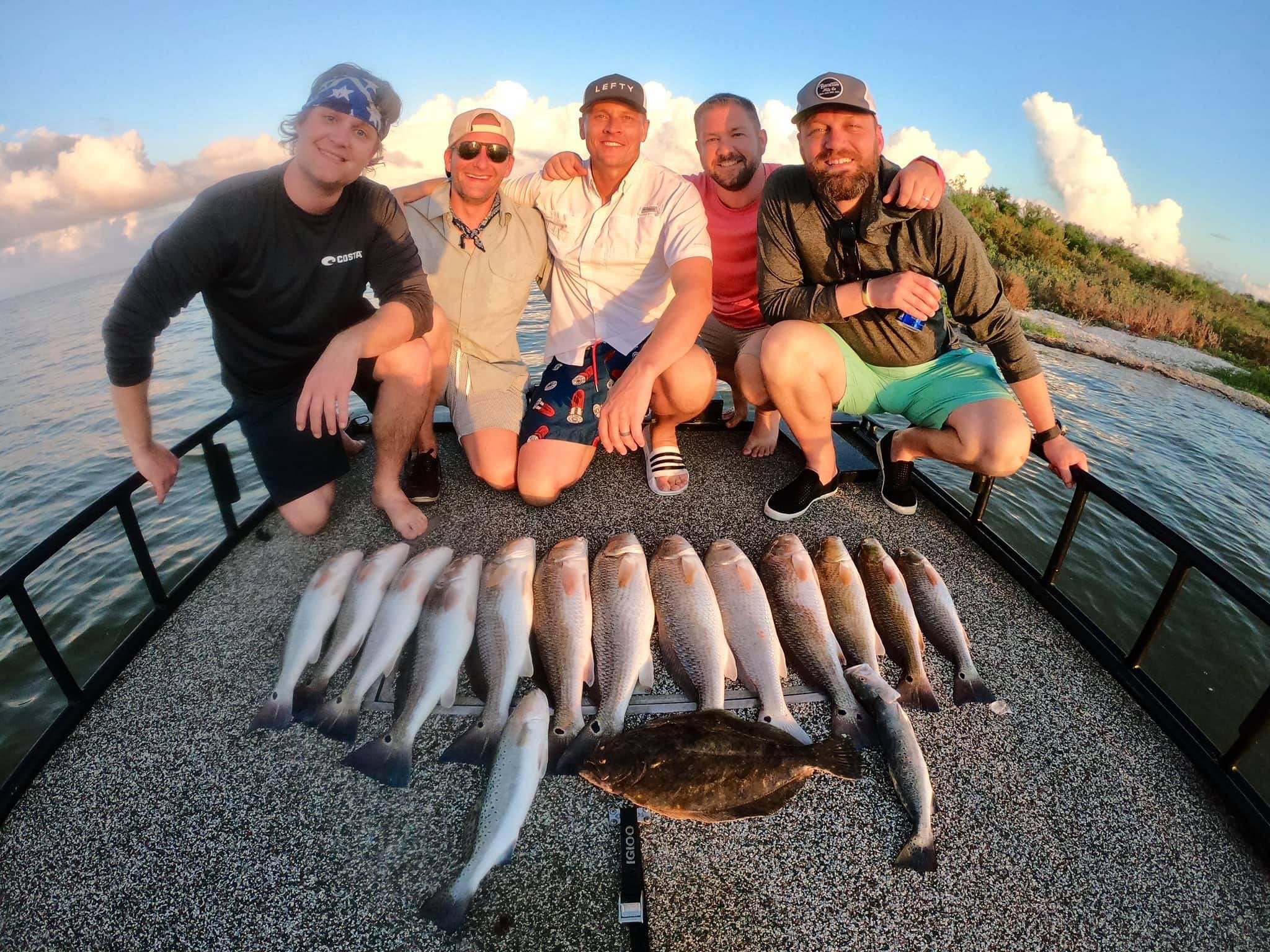
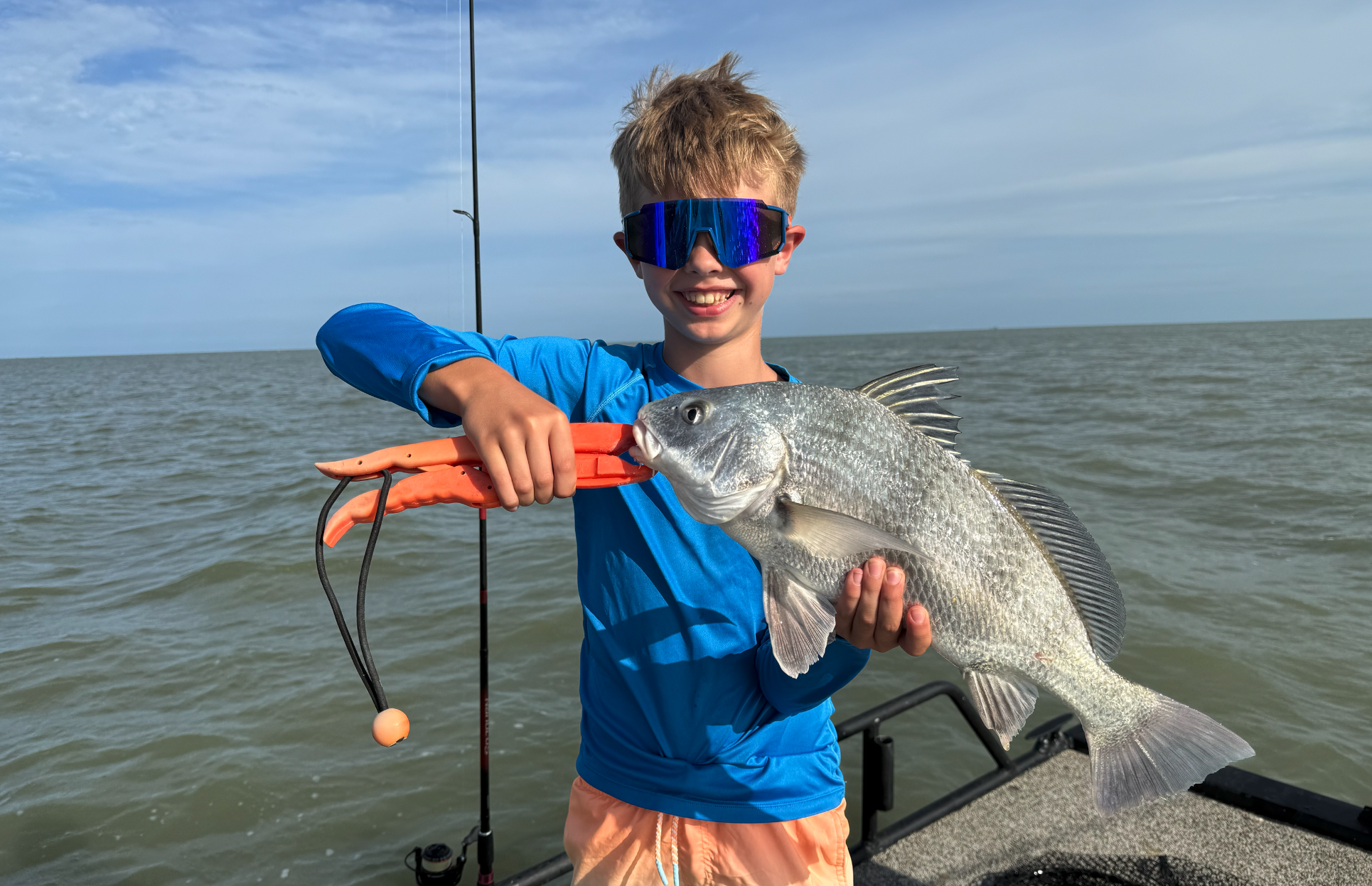
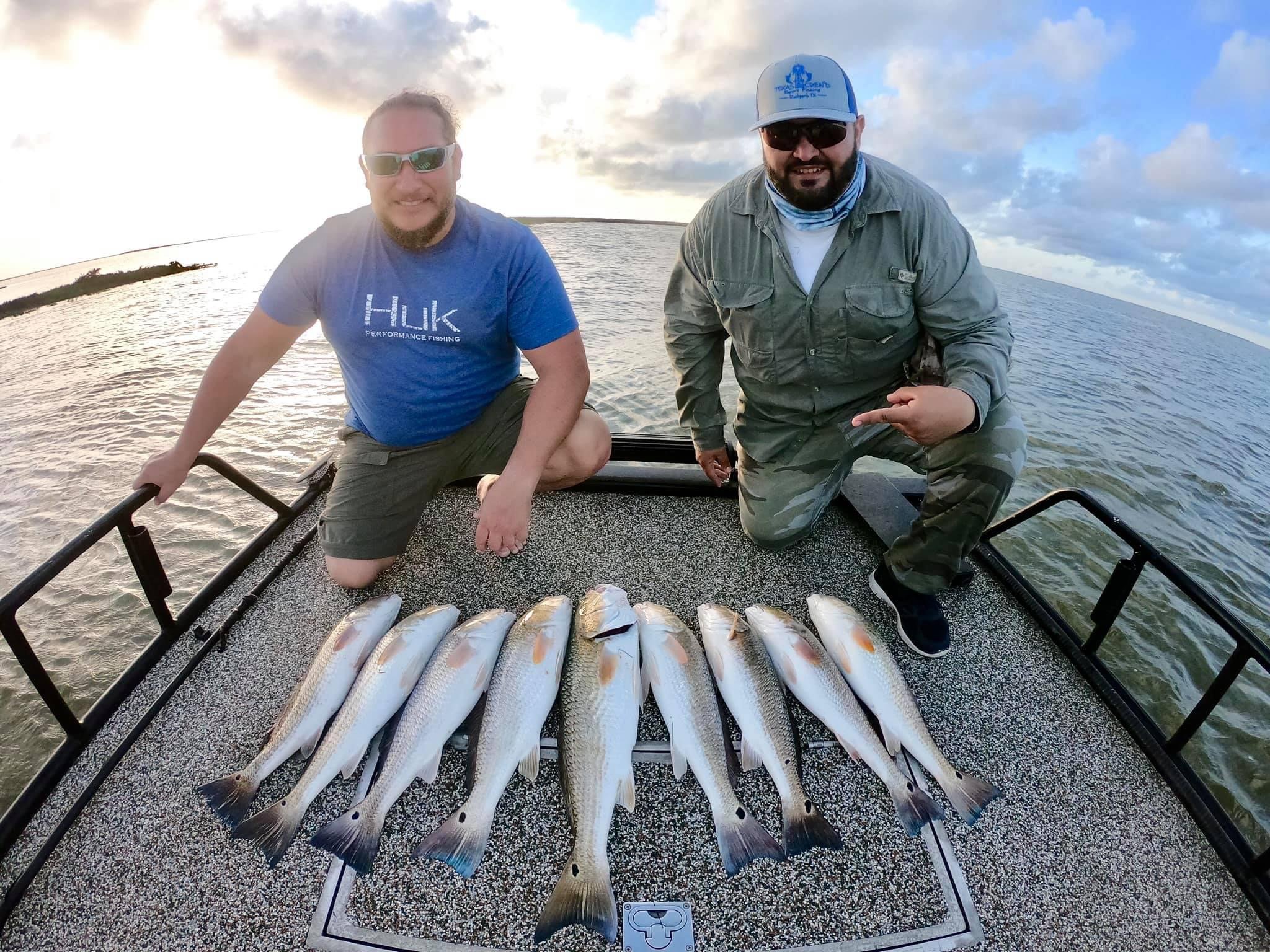
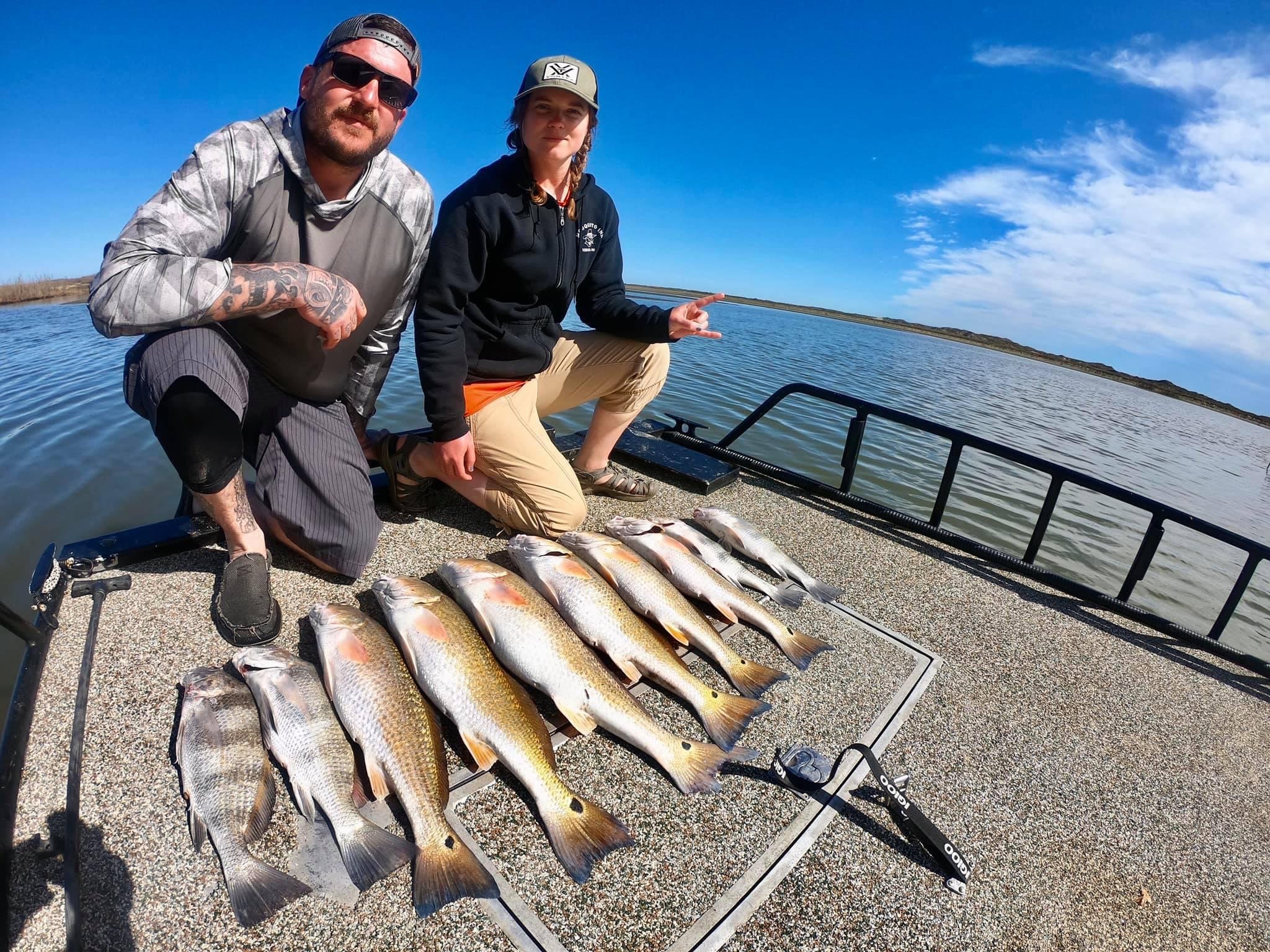
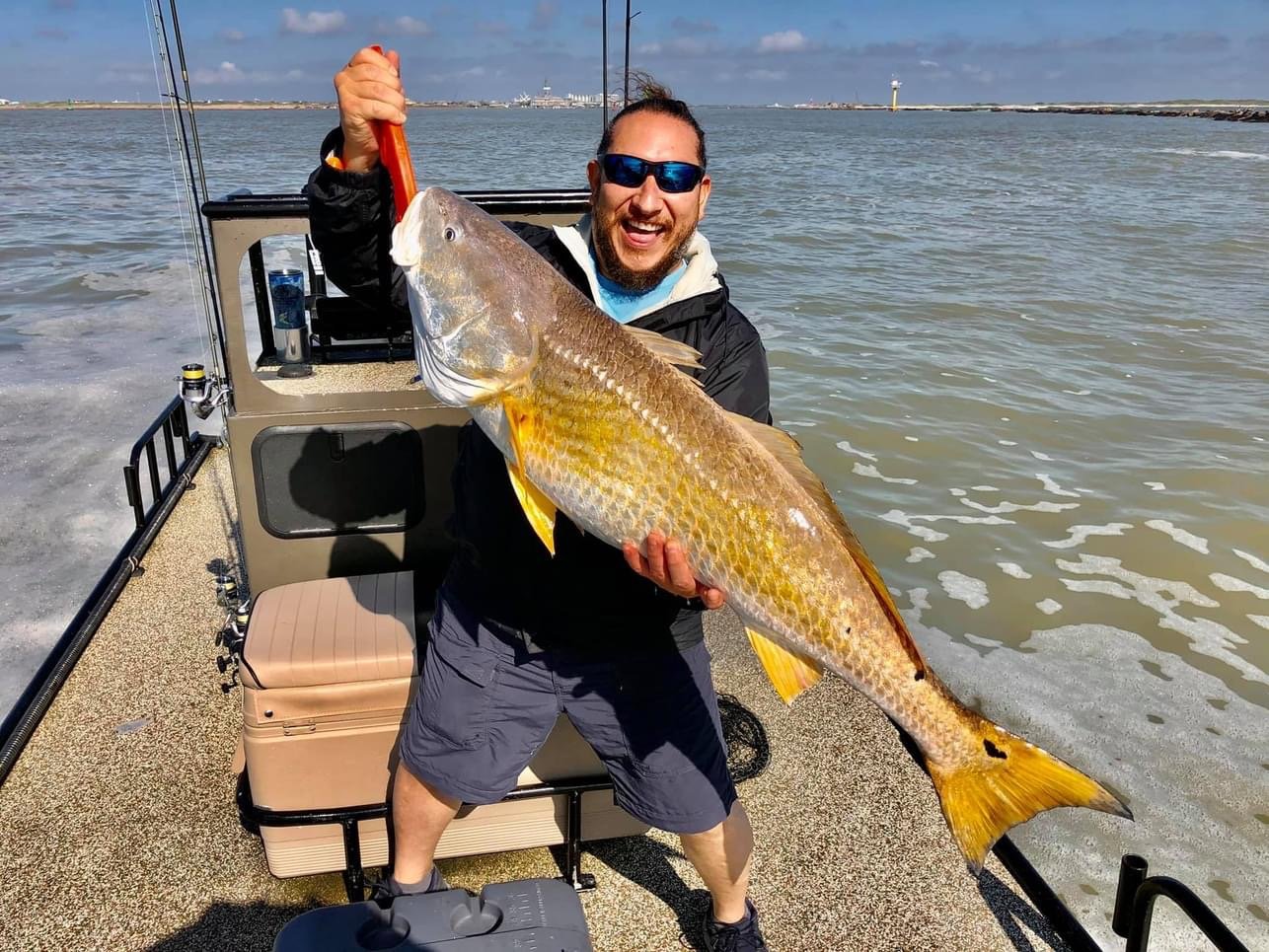
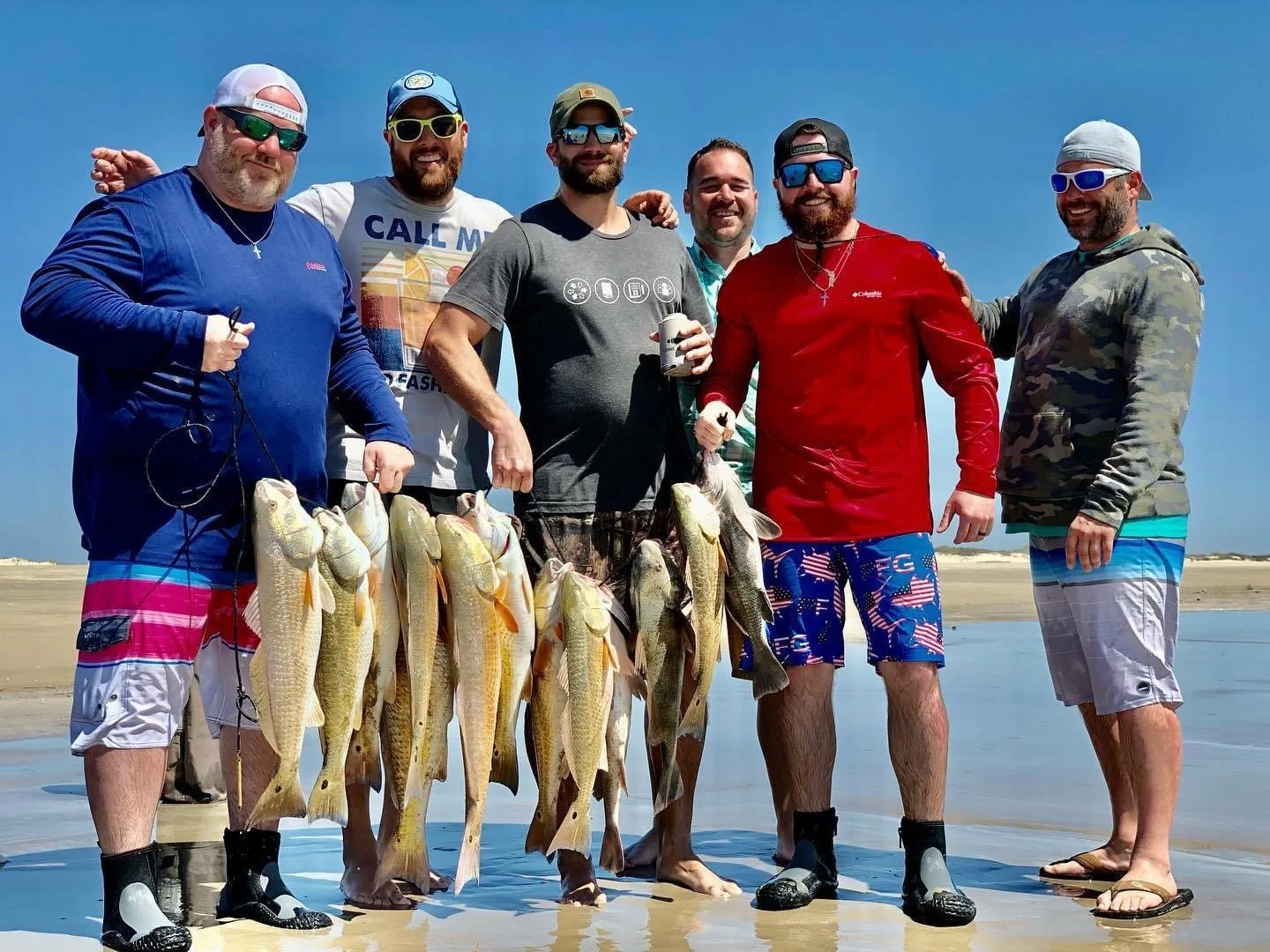
Most Rockport inshore trips focus on a core group of fish that live in these habitats. Texas Crewd highlights four main targets for Rockport inshore: redfish, speckled trout, black drum, and flounder (Texas Crewd Rockport inshore).
What changes from day to day in Rockport inshore water

Rockport is not a place where every day feels the same. Even when the season stays the same, a few basics can change how and where you fish:
Wind: Strong wind can make open bay water choppy, so captains often pick more protected shorelines or back lakes.
Water level: In very shallow areas, small water-level swings can turn a flat from fishable to too skinny (or the opposite).
Water clarity: Clear water can make flats more fun, while dirtier water can push the focus toward edges, drops, and structure.
The good news is you do not have to solve this yourself. A guide’s job is to match the day’s conditions to the habitat that gives you the best chance at action.
How to choose the right habitat for your day
Want the calmest ride? Start with back lakes and protected shorelines.
Want classic shallow-water fishing? Flats are a great fit when the wind and water level cooperate.
Want the most flexibility? Bays let you adjust to what the day gives you.
Simple packing checklist for visitors
Texas Crewd trips are set up to be beginner-friendly. You can keep your packing list short:
Sunscreen, hat, and sunglasses
Snacks and drinks for your group
Clothes and shoes you do not mind getting a little wet
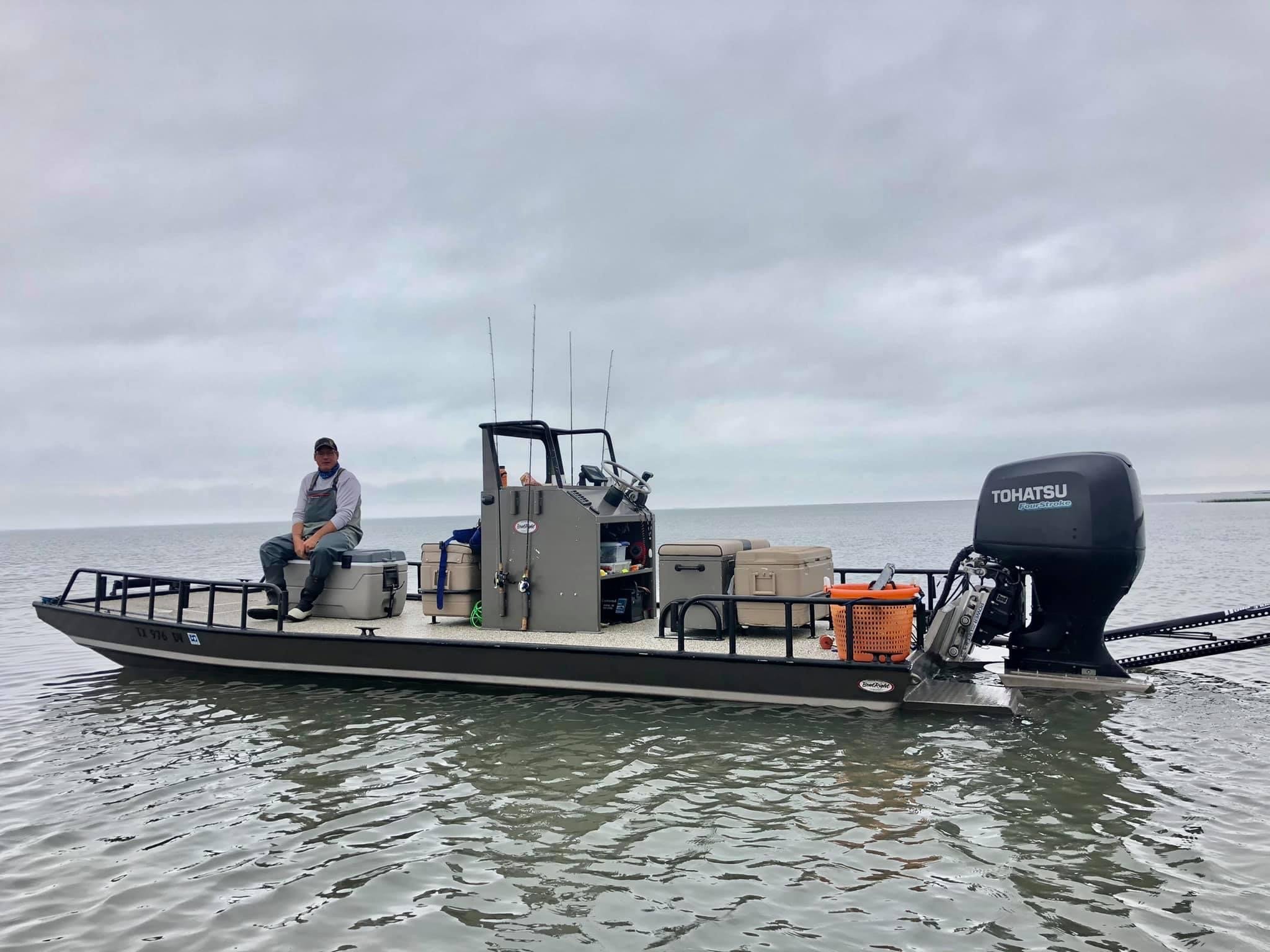
Rods, reels, and tackle are typically handled by the charter, so you can focus on learning and having a fun day.



Ready to plan your day?
If you want help choosing the best inshore plan for your group, contact us today!
When you message us, it helps to share your group size, trip length, and whether you’d rather fish bays, flats, or back lakes (or you can simply say “first time” and we’ll guide you). We’ll point you toward a simple plan that matches the day’s conditions so you can spend less time guessing and more time fishing.
FAQ: Rockport inshore basics
-
Yes. Inshore trips are popular with visitors because the water is protected compared to the open Gulf, and a captain can keep things comfortable and simple.
-
Back lakes are small lakes connected to the bay and marsh system. They fish like protected pockets with drains and small channels.
-
A flat is very shallow and spread out. A bay is more open and often gives you more depth changes and room to move.
-
No. Guided inshore trips are built for all levels, and beginners usually get hands-on help with casting, bait, and fighting fish.
-
If you only have one day, keep it simple and ask to focus on the main inshore targets: redfish, speckled trout, black drum, and flounder.