
Rockport Water Clarity Guide: Reading Color to Find Fish
If you fish Rockport, water color is your first clue—especially for rockport fishing inshore, where a small clarity change can flip the bite. It tells you what the wind is doing, what’s in the water, and how far a fish can see your bait. Read it right, and you waste less time.
This guide keeps it simple: what “good vs bad” clarity looks like for common Rockport inshore species, what turns water muddy or green, and how to pick cleaner shorelines when conditions shift.
The 10-Second Water Clarity Check
Here’s the quick check you can do from the bank, a pier, or the bow.
Step 1: Look down, not out
Stand still and look straight down beside you.
Muddy (brown, chocolate, milky): You can’t see much below the surface.
Green (pea to emerald): You can usually see a little way down, but the water has a tint.
Clear (blue-green, sandy, see-your-lure): You can see your lure and bottom details.
Step 2: Ask one question
Can fish see far enough to chase, or do you need to get it right in their face?
That one question decides your first move.
Quick color guide
| Water color | What it usually means | First move |
|---|---|---|
| Muddy | Stuff in the water blocks visibility | Fish tighter to structure or edges and keep presentations close |
| Green | Some visibility with a tint | Work edges, drains, and grass lines |
| Clear | High visibility, more “spooky” fish in skinny water | Go quieter, longer casts, natural looks |
What Makes Rockport Water Turn Muddy, Green, or Clear

Water color changes fast on the Texas coast. These are the big drivers.
Muddy water: suspended sediment
When fine sand, silt, and organic bits get mixed into the water, it turns cloudy and visibility drops; that “cloud” is commonly described as suspended sediment in water science (U.S. Geological Survey overview on sediment and suspended sediment).
Practical Rockport read: after a blow or a hard tide push, protected pockets can stay fishable while open flats look like coffee.
Green water: algae and nutrients
Green water often points to algae growth, and agencies flag warm water, sunlight, and nutrient inputs (like nitrogen and phosphorus) as common factors that can help blooms form (CDC explanation of contributing factors for harmful algal blooms).
Practical Rockport read: “green” is not always a deal breaker. Treat it as a signal to focus on current, edges, and places that refresh.
Clear water: less “stuff” in the water
Clear water usually means fewer particles are floating around. Less sediment can mean more light and better visibility, while higher sediment can cut visibility and change how fish and bait use an area (EPA overview on sediment as a stressor and its effects).
Practical Rockport read: clear is great for seeing life and structure, but it can also mean you need to be quieter and cleaner with your approach.
Good vs Bad Clarity for Rockport’s Inshore Species
“Good clarity” depends on what you’re targeting.
Texas Parks and Wildlife gives quick habitat and feeding notes for the usual Rockport lineup, including red drum feeding along the bottom, spotted seatrout around grass and reefs, black drum in shallow bay water, southern flounder around bayous and marsh edges, and sheepshead around oyster reefs and barnacle-covered pilings (TPWD saltwater fish habitat and fishing notes PDF).
Use that as your simple match:
Redfish and black drum
“Good” clarity: slightly dirty to decent visibility.
“Bad” clarity: the kind where you cannot keep a bait in the strike zone.
Rule of thumb: In dirty water, fish them tighter to the bottom, tighter to edges, and tighter to anything that blocks current.
Speckled trout
“Good” clarity: decent visibility, especially when you are working grass lines, reefs, or current seams.
“Bad” clarity: heavy mud where trout can’t track a moving bait.
Rule of thumb: When clarity is fair, spend your time on the clean-to-dirty edges, not the middle of the mess.
Flounder
“Good” clarity: anything from slightly dirty to fairly clear.
“Bad” clarity: conditions where you can’t keep contact with the bottom.
Rule of thumb: If you can keep your lure crawling slow on bottom near marshy edges or drains, you can find bites.
Sheepshead
“Good” clarity: clear enough that structure fishing feels clean and controlled.
“Bad” clarity: heavy mud that makes it hard to hold on the pilings or rocks.
Rule of thumb: Focus on structure you can fish accurately. If you can’t stay put, change shoreline or change the plan.
Snook (bonus fish)
If you are chasing a bonus fish, snook have been documented in Texas waters in fisheries research, which is why they are on the radar for some coastal anglers (Marine and Coastal Fisheries paper on snook in Texas waters).
Rule of thumb: Treat snook as a “right time, right place” add-on, not your only plan for the day.
How to Pick Cleaner Water Without Running All Over the Bay

When the water looks rough, don’t panic-run. Make one smart move.
1) Pick the protected side first
Start by choosing the shoreline that’s tucked away from the wind. You’re looking for:
Less chop
Cleaner-looking water next to the bank
Bait activity you can actually spot
If two shorelines look similar, fish the one with better water color. Simple wins.
2) Fish the “edge,” not the middle
The best water is often a blend:
Clean water pushing into slightly dirtier water
A darker line where depth changes
A seam where tide meets wind
Work that line instead of camping in the thickest mud.
3) Change targets when conditions say so
If you planned for trout but the bay looks beat up, switch to a species that plays nicer in that look. You’ll keep the day moving and keep the crew having fun.
Quick Playbook: What to Throw Based on Water Color
No magic lure list here. This is a starting plan that works for most anglers.
Muddy water
Go slower.
Keep it close to bottom or tight to the bank.
Make your casts count: fewer random casts, more “on-purpose” casts.
Green water
Cover water until you find active bait.
Focus on current lines and the clean-to-green transition.
If you get one bite, slow down and work the area.
Clear water
Make longer casts.
Keep noise down.
Fish early and late when you can.
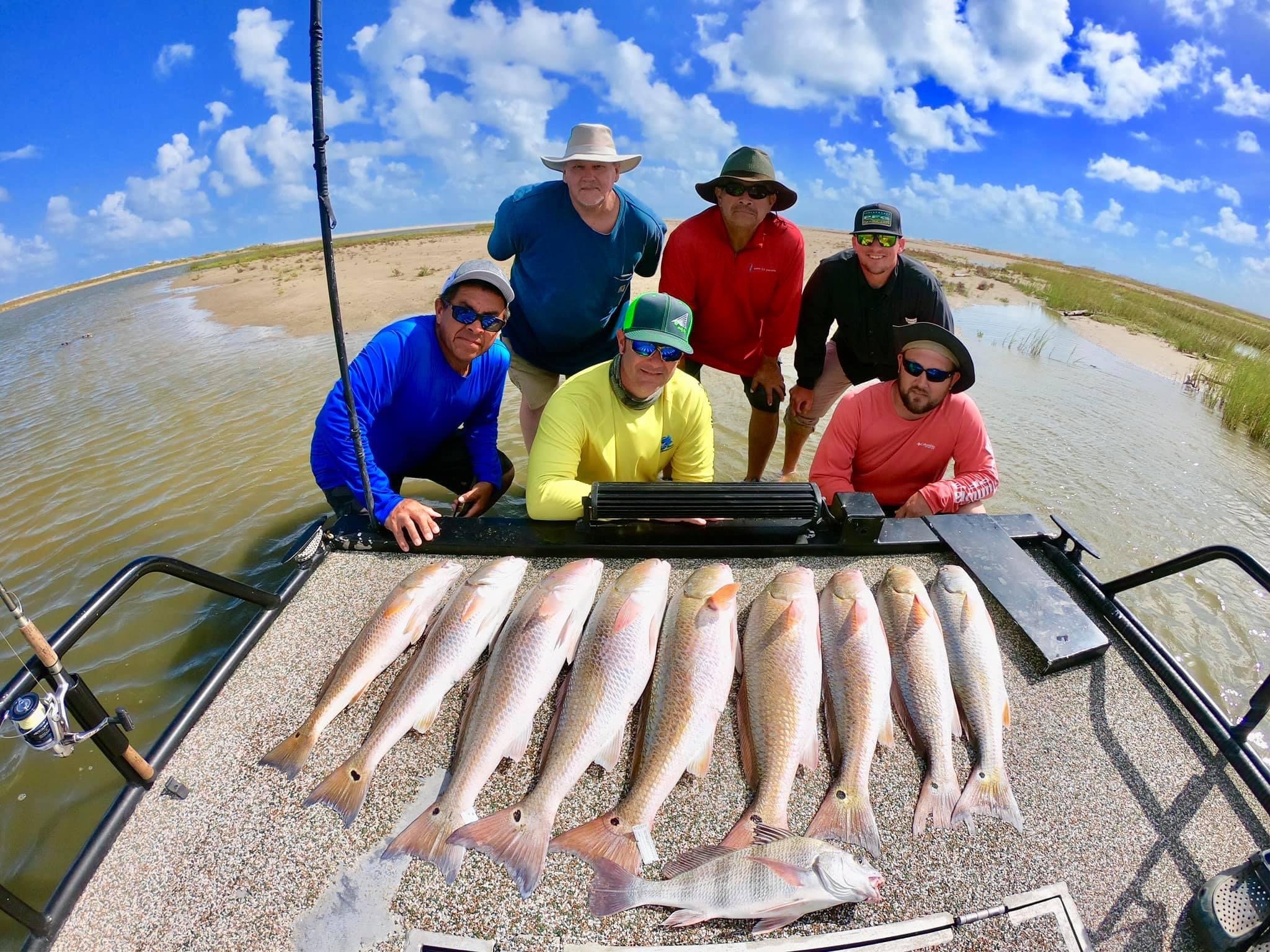
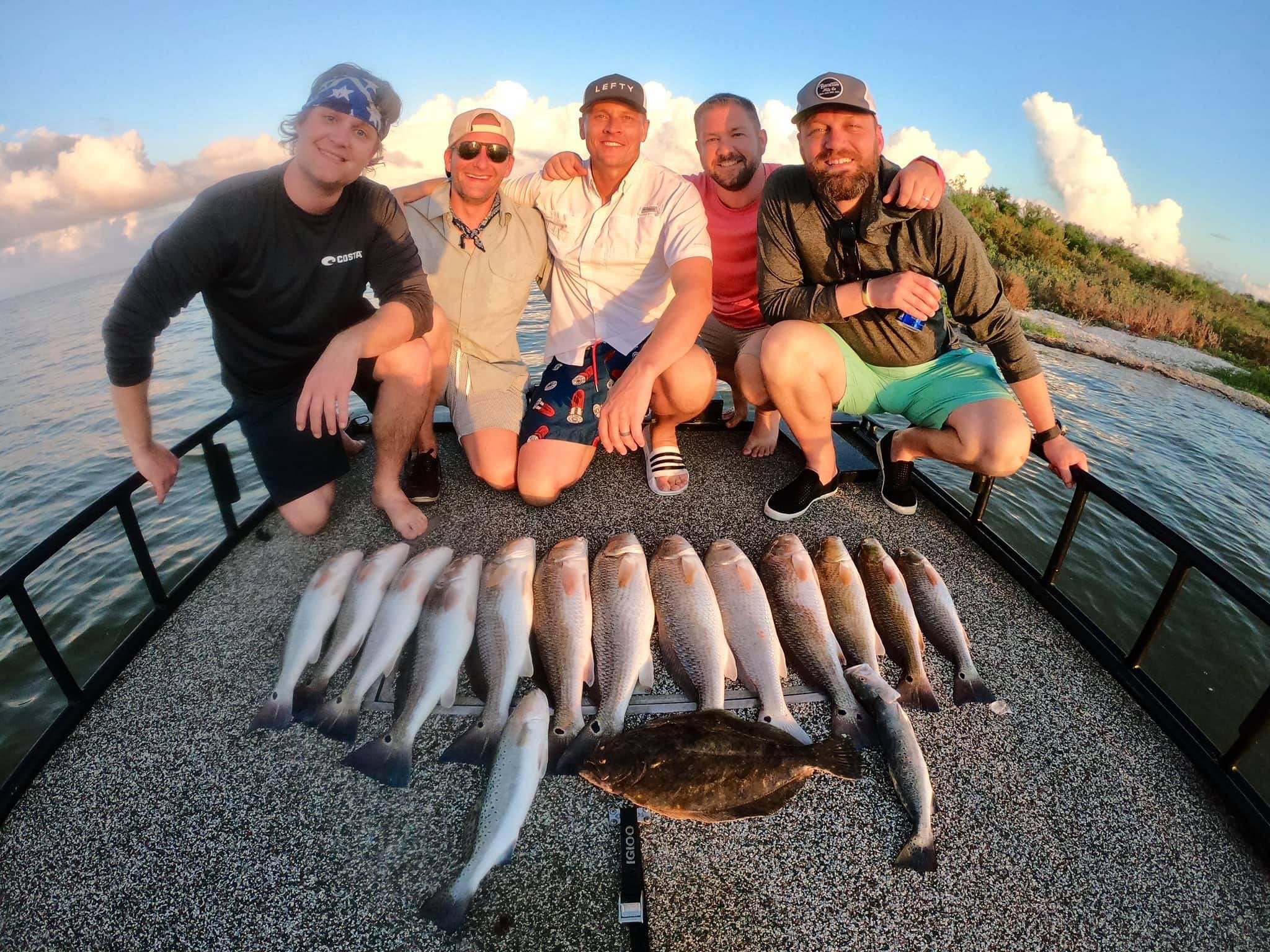

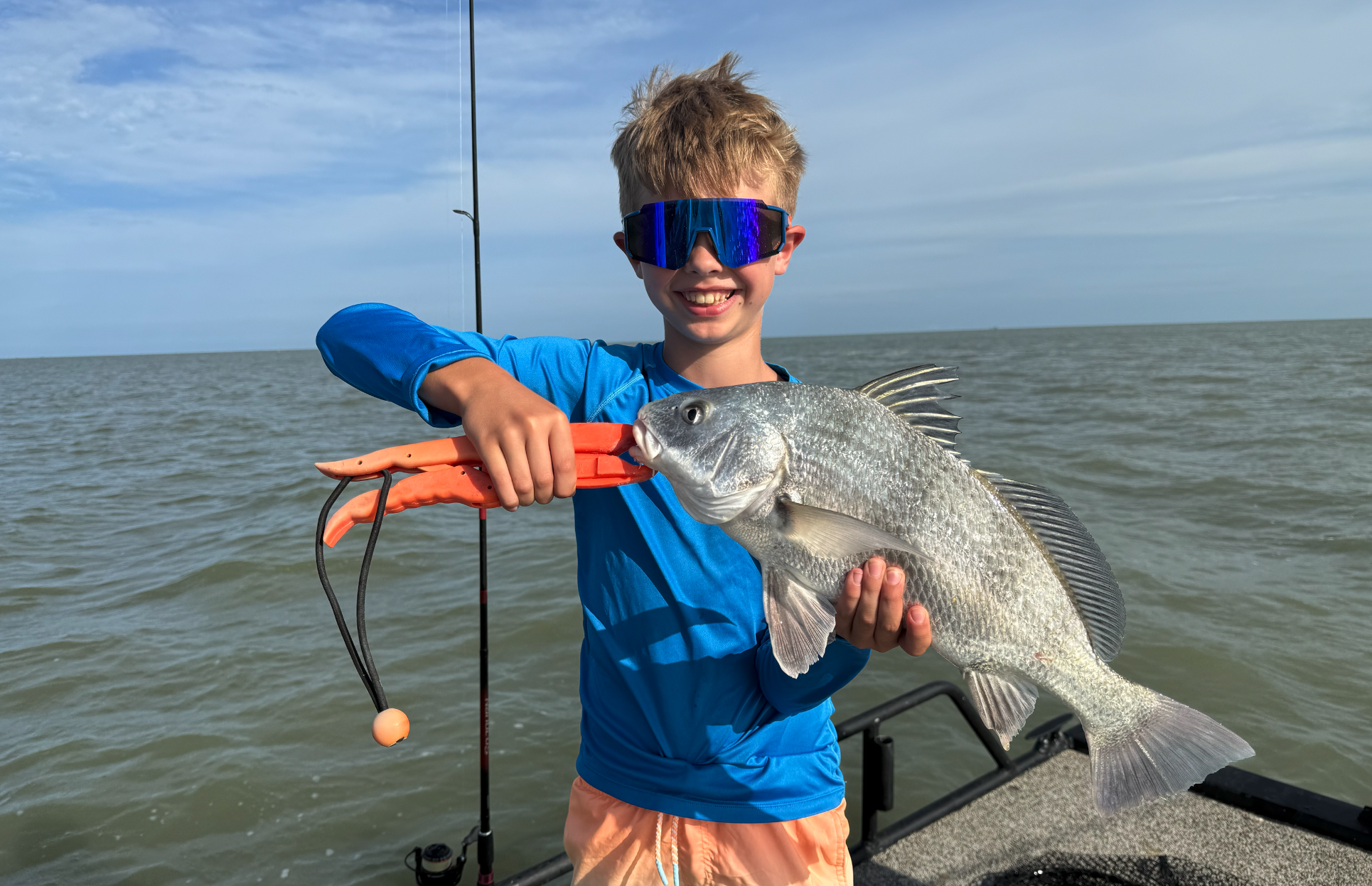
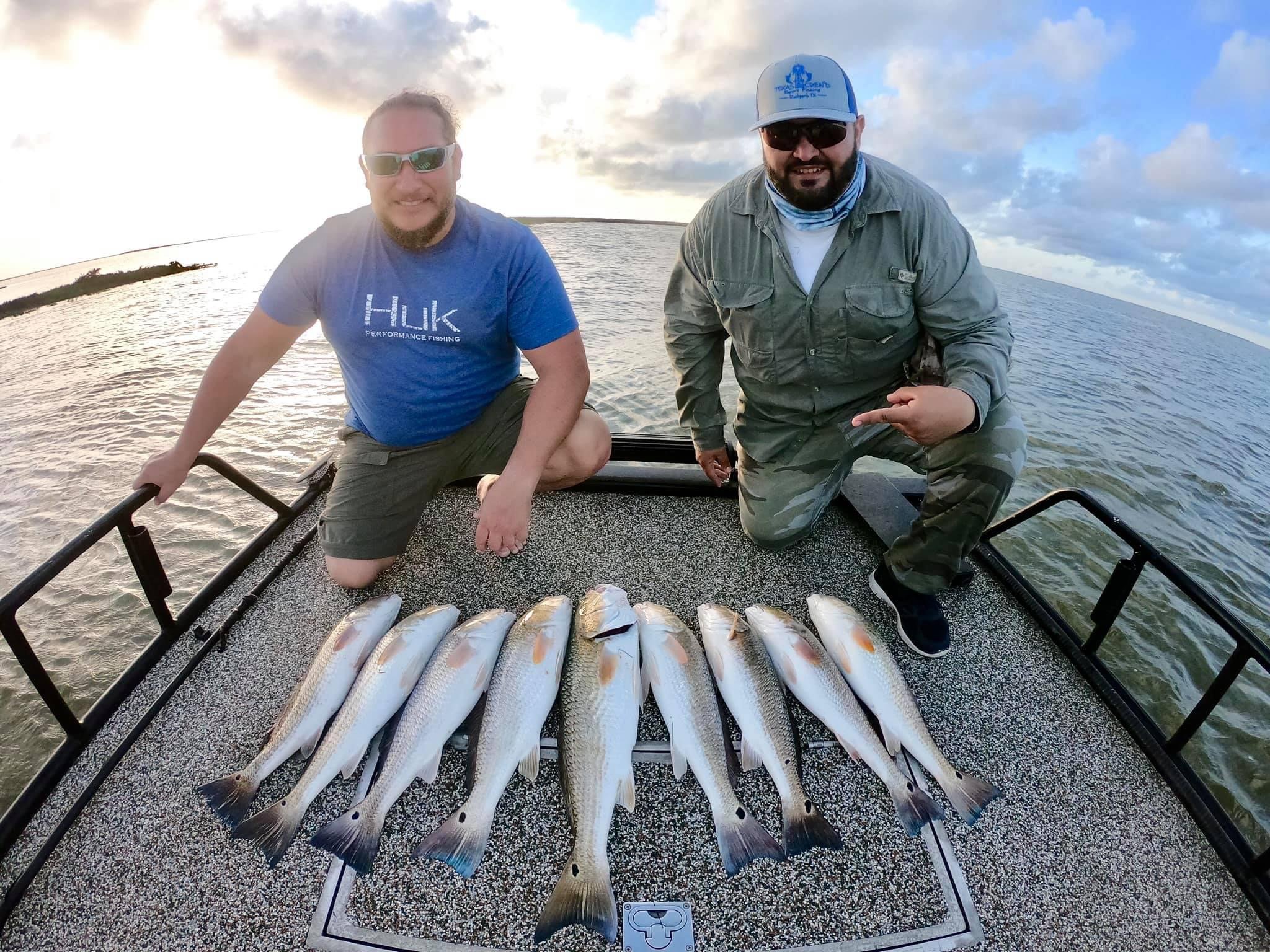
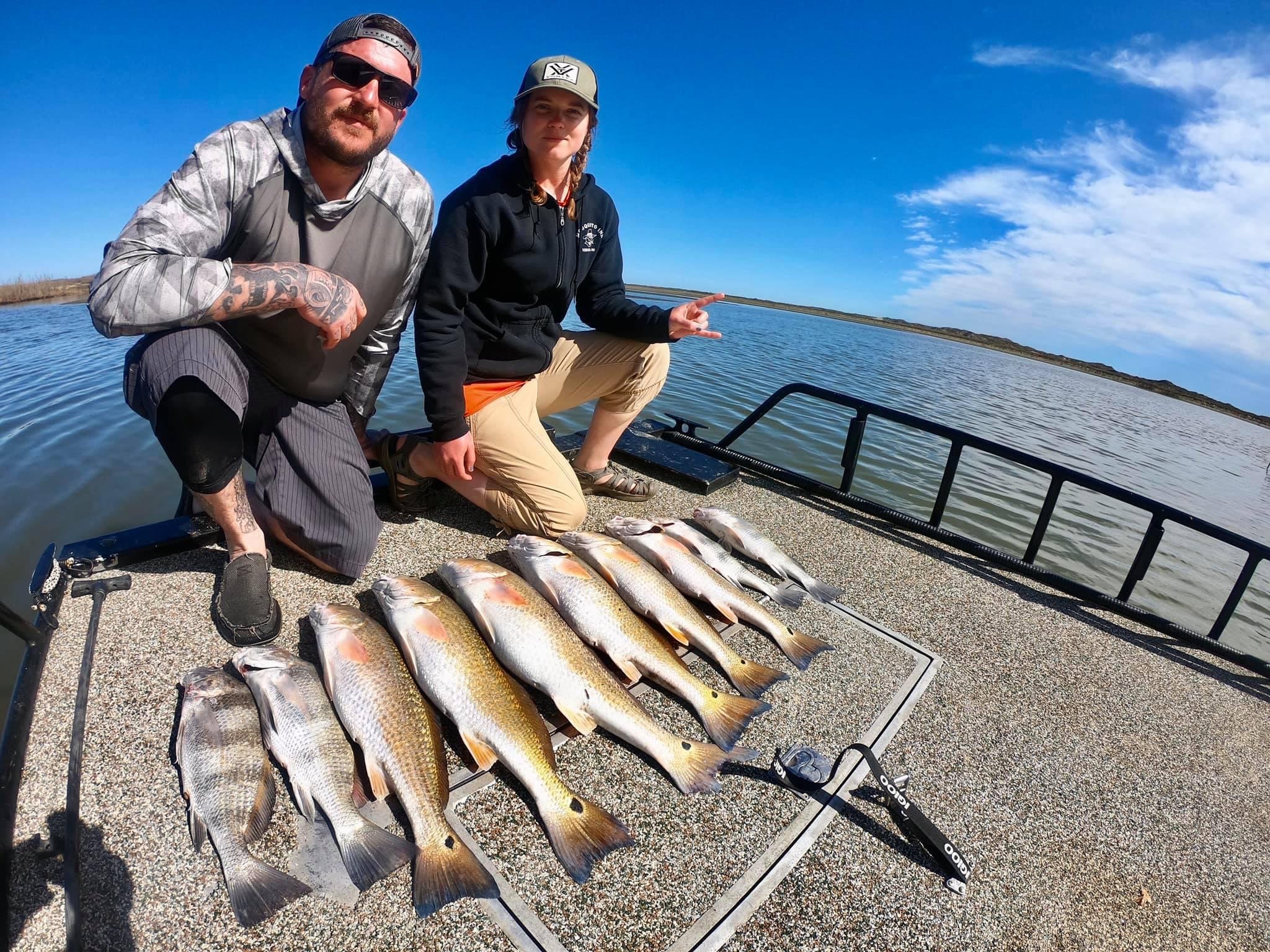
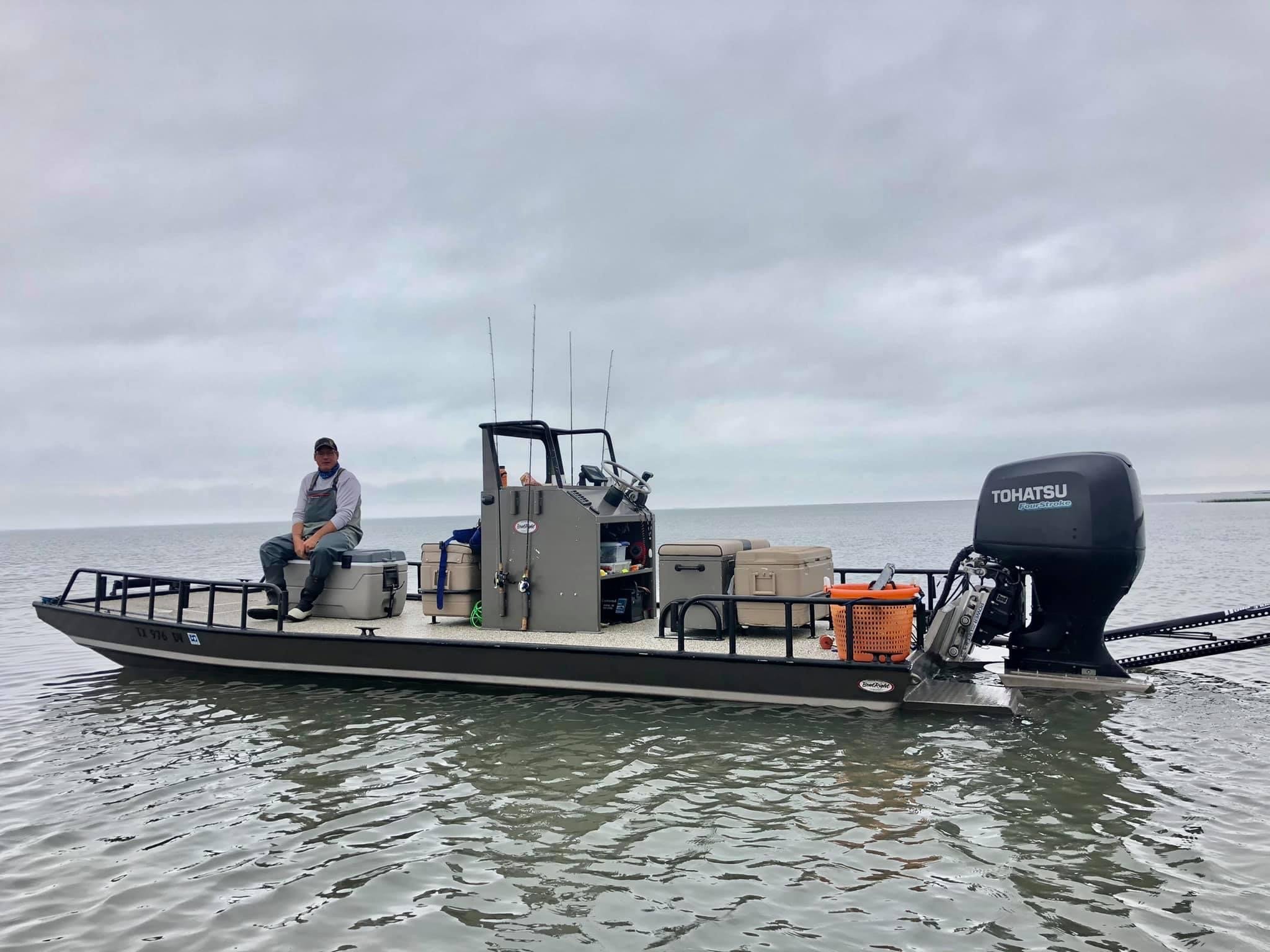
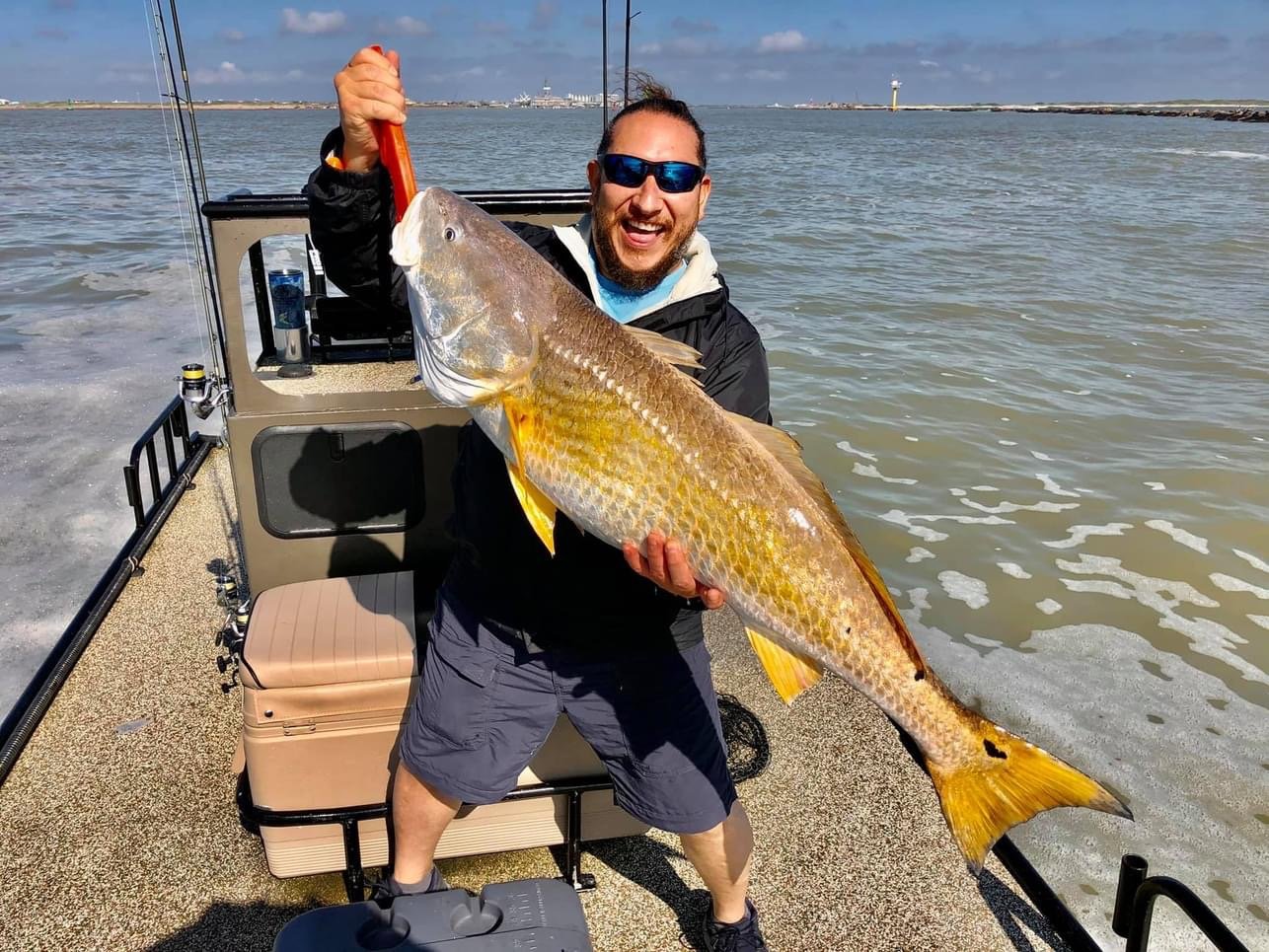


Want the Shortcut? Fish With a Local Rockport Crew
If you want to spend more time catching and less time guessing, we can help.
Texas Crew’d Sport Fishing runs Rockport trips for all skill levels, from first-timers to solid inshore anglers. Contact us now!
Frequently asked questions
-
The best clarity is the one that matches your target fish and lets you fish with control. If you can keep your bait in the strike zone and find a clean-to-dirty edge, you can usually build a plan.
-
No. Green water can still fish well if you focus on current seams and transitions. Treat it as a signal to fish edges and moving water.
-
Make one move instead of ten. Try the protected shoreline first, then look for a cleaner edge to work before you change areas again.
-
Yes, but you usually need some visibility, plus a good edge where bait can gather. If the water is too thick to work a moving bait, shift to a different plan for the day.
-
Start on the leeward side, then check a second shoreline if needed. If both look rough, fish tighter to structure and work slower until you see bait or get a response.