
Rockport Summer Inshore Strategy: Beat the Heat, Stay on Fish
Rockport summers can be unreal… if you time your Rockport inshore fishing right.
If you’re new to Rockport bay fishing, here’s the truth: you don’t “fight” the heat—you plan around it. Start early, use a simple two-phase plan, and you can stay on trout, redfish, drum, and flounder even when the sun gets mean.
Summer is a timing game (and the dawn bite is the cheat code)
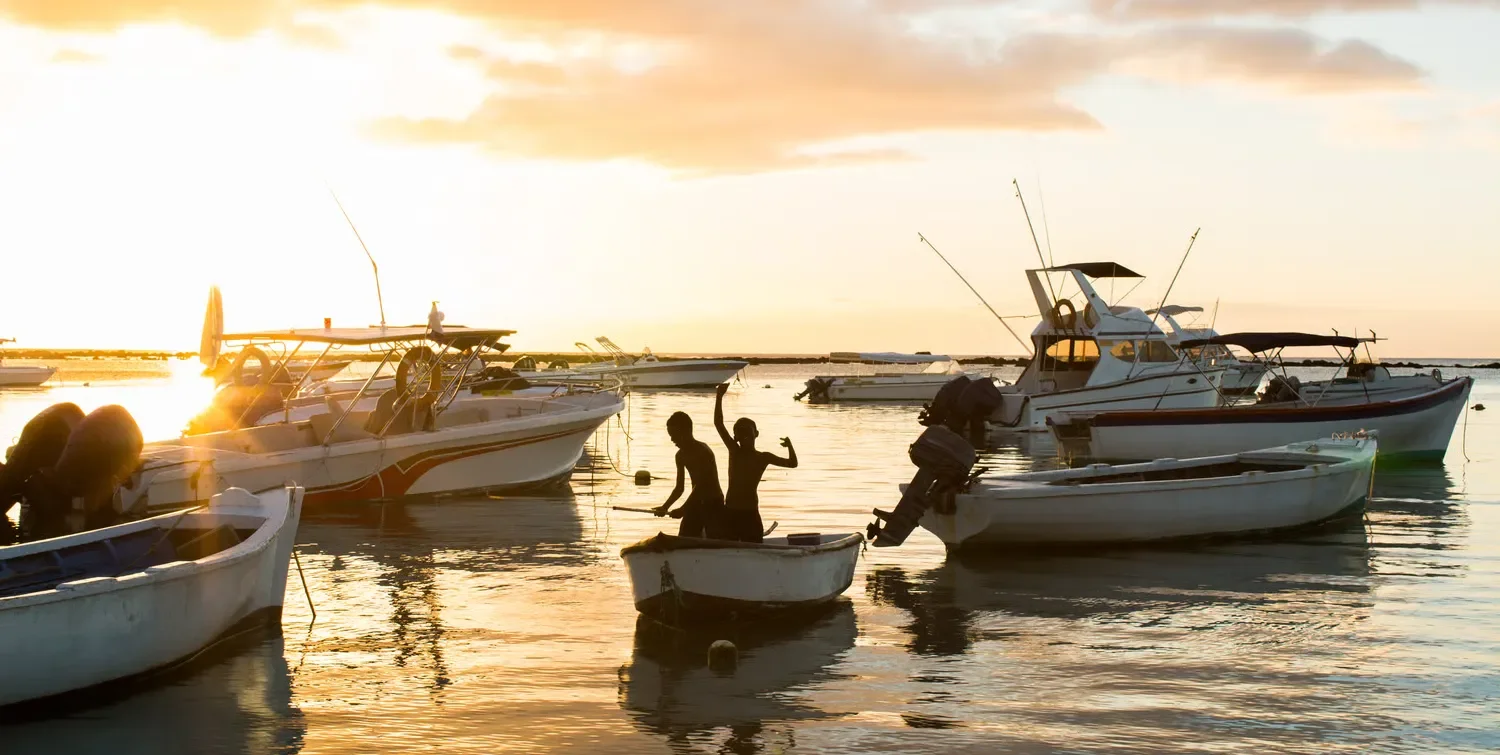
Early is easy. The water is calmer, the light is low, and fish are more willing to move.
Your simple summer schedule:
Dawn to mid-morning: start shallow and cover water
Late morning to midday: shift to edges and deeper travel lanes
Tough midday: slow down, fish tighter, and lean into shade/current
What heat does to shallow flats (and why bites fade)
Warm water holds less dissolved oxygen than cold water, which is one reason hot, shallow water can feel “quiet” later in the day (U.S. Geological Survey).
What that means in plain terms:
Fish often stop cruising big shallow areas when it gets hot
They sit tighter to edges, depth changes, and anything with a little comfort
Signs it’s time to adjust
If you’re not seeing much life, don’t force it. Watch for:
No bait flicking or wakes
No nervous water on the flat
A bite that turns into one tap per 30 minutes
Where to go when the sun gets high (Rockport positioning)
When the easy shallow bite slows, you’re not “done”—you’re just moving to a new neighborhood.
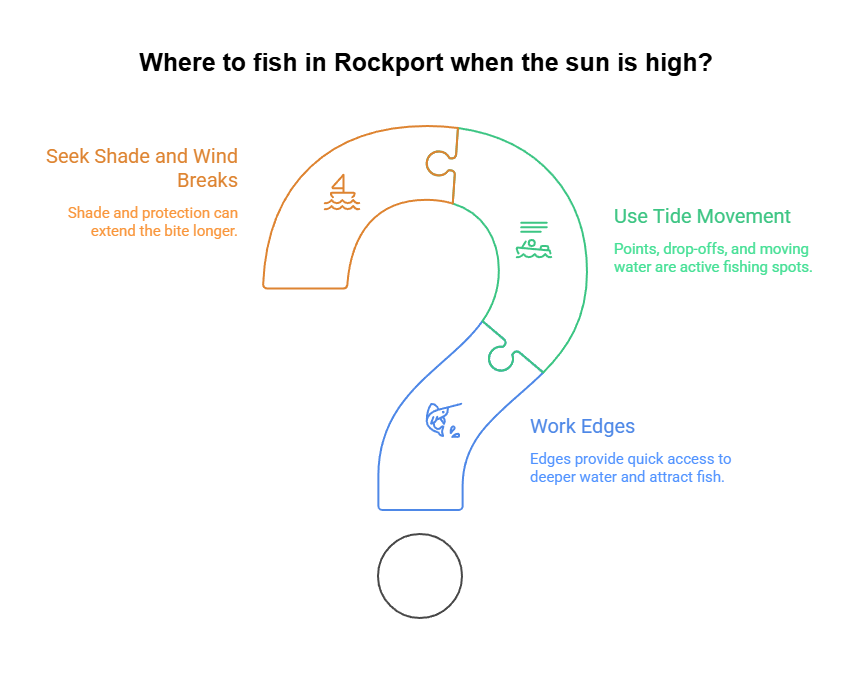
1) Work edges first
From the boat, edges are your best friend because they give fish a quick path from shallow to deeper water.
Look for:
The drop from a flat into a gut
The lip of a channel
Any clean grass line with a hard edge
2) Use tide movement to keep fish active
Texas coastal reports often call out better action around points, drop-offs, and moving water—and that’s a strong summer clue for where to start when the bite gets picky (Texas Parks & Wildlife weekly Gulf Coast fishing reports).
3) Don’t ignore shade and wind breaks
In the middle of the day, shade lines and protected water can keep your bite alive longer than wide-open flats.
Lure and pace changes that keep bites coming at midday
Midday is not the time to burn a lure back to the boat.
Slow down and tighten your strike zone
Do less. Let the bait work.
A beginner-proof retrieve:
Cast to the edge or lane
Let it sink
Two small hops
Long pause
Repeat
Control depth with weight (keep it in their face)
Too light: you never get down where fish are sitting
Too heavy: it drags and looks unnatural
The goal is steady contact and control—not speed.
When to switch lures
A solid summer pattern is to go from “search” baits early to “stay-there” baits later. Texas Saltwater Fishing Magazine breaks down how summer feeding windows change and why timing matters when the heat sets in (Summertime feeding patterns).
A simple two-phase summer plan (how we run guided trips)

We keep this straightforward—especially for first-timers.
Phase 1: Dawn plan (start shallow)
Fish shorelines and flats early
Cover water until you find life
If you get a bite, slow down and work the area
Phase 2: Midday plan (move deeper and fish edges)
Slide to guts, channel edges, and drop-offs
Focus on defined lines: grass edges, depth edges, current edges
Fish slower and stay in the strike zone longer
Quick move checklist
Move if:
You don’t see bait or signs of life
You’re only getting one random tap and nothing else
Wind or boat control is making your presentation messy
Heat safety and comfort (don’t skip this)
Summer comfort is not optional on the bay. It’s part of fishing well.
Know the signs of heat illness
The National Weather Service lists common heat illness symptoms (like heavy sweating, weakness, dizziness, nausea, and headache) and what to do next if someone starts feeling bad (NWS heat illness guide).
Simple heat-ready checklist for the boat
The CDC’s extreme heat guidance is clear: drink fluids, take breaks in shade/cooler areas, and don’t wait until you feel sick to slow down (CDC extreme heat safety).
Practical items we like for summer bay trips:
Water + ice (start with more than you think)
Electrolytes
Long-sleeve sun shirt + neck gaiter
Polarized sunglasses
Sunscreen you’ll reapply



Book a Rockport guided trip
Now booking summer bay trips—and we keep it simple. Show up ready to have a good time and we’ll handle the plan.
Guided trips include: gear, bait, water/ice, and fish cleaning.
Contact us to book a Rockport guided trip and we’ll match your date to the best summer window.
Frequently Asked Questions
-
Start at first light if you can. The early window gives you cooler conditions and more active fish, and it makes the rest of the day easier to adjust.
-
When the sun is high, shallow water heats fast and fish often stop roaming big open flats. That’s when edges, deeper lanes, and anything with comfort become more reliable.
-
If your shallow bite fades and you stop seeing bait or signs of life, slide to guts, channel edges, and drop-offs. Think “short move” first—stay near your early area, just give fish a deeper option.
-
Pick something you can fish slow and keep in the strike zone. Smaller hops, longer pauses, and steady control usually beat fast retrieves when the bite gets tight.
-
Not drinking early enough, skipping shade breaks, and waiting too long to cool down. If someone starts feeling off, slow down, get them out of the sun, and reset—summer fishing is supposed to be fun.