
Common Rockport Inshore Mistakes (And How to Fix Them Fast)
If this is your first guided inshore trip in Rockport, here’s the truth: you don’t need fancy gear or years of experience to catch fish.
What you do need is to avoid the few mistakes that blow your best chances. Most first-timers make the same errors—bad casting angles, moving too fast, working the lure the same way all day, and being louder than they think.
This guide breaks down the most common mistakes we see in Rockport fishing inshore and gives you fast fixes you can use immediately—on a Texas Crew’d guided trip or on your own.
Top Rockport Inshore Mistakes + 1-Line Fixes
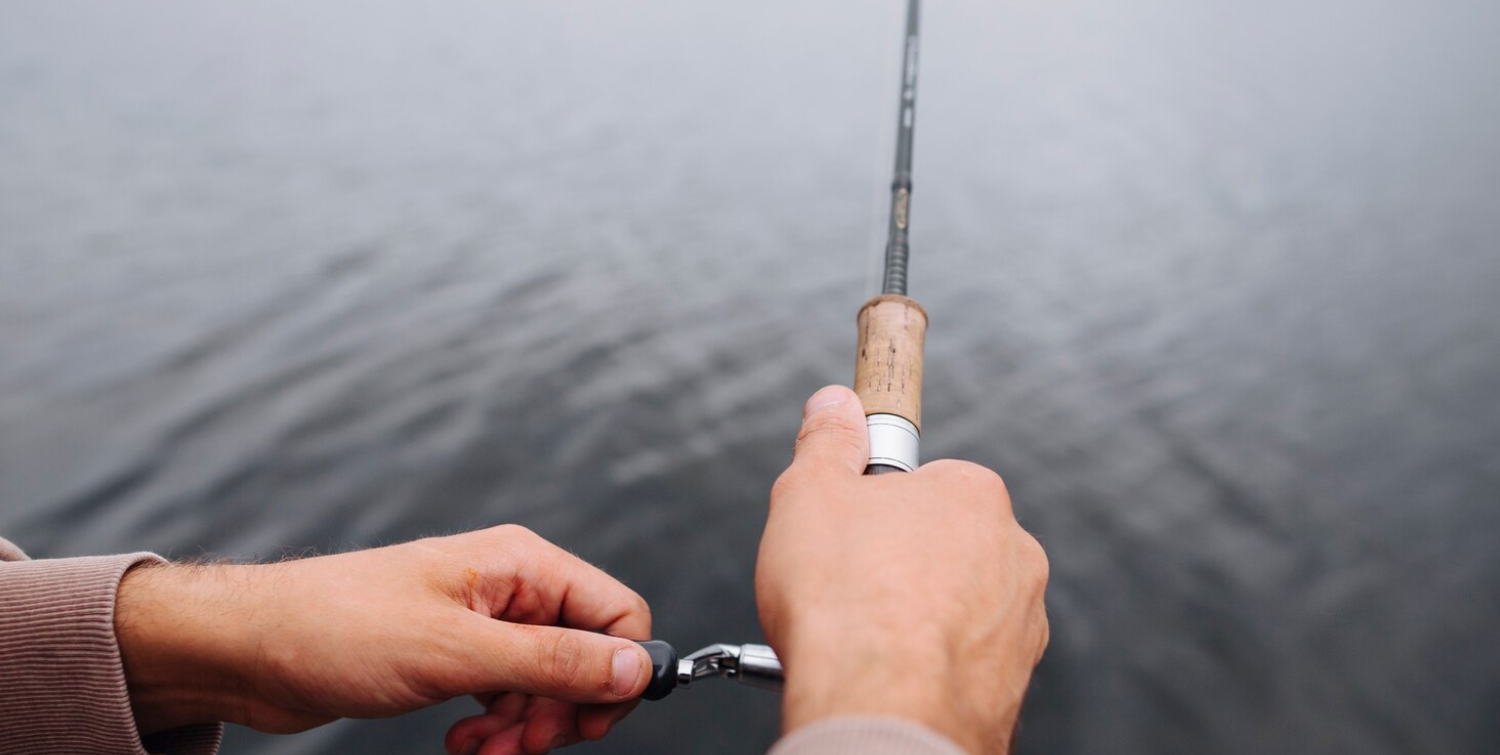
Wrong casting angle: Change your angle before you change your lure.
Rushing spots: Fish the setup (current, edges, lanes), not the map pin.
One-speed retrieve: Run a 3-speed cadence test for 10 casts each.
Noisy approach: Quiet feet, quiet hands, quiet deck—especially in skinny water.
Bad positioning: Set up with wind/light in mind so your cast works for you.
Messy water coverage: Fan-cast a lane in a pattern, then move with purpose.
Wading wrong: Slow steps, stable footing, and fewer splashes = more shots.
Mistake #1: Casting From the Wrong Angle (And Blowing Your Shot)
What it looks like
The most common mistake we see is casting at the fish instead of casting to where the fish is going. That means your lure lands too close, crosses their face the wrong way, or forces them to turn toward the splash.
In shallow Rockport water, fish don’t have to be huge to be spooky. If your cast makes them feel “pressured,” they slide off and your best chance disappears.
Fix it fast: change your angle before you change your lure
Before you re-tie, do this:
Take one step to change your line. A small move can completely change how your lure travels.
Lead the fish or the strike zone. Put the lure where they’re going, not where they were.
Bring the lure across their window. A side-to-side presentation often looks more natural than straight-on.
Angle matters because it changes how fish see your lure and how your bait moves in relation to them. If you want a simple breakdown of why angles trigger more bites, see this guide on the importance of fishing angles from Sportsman’s News (Sportsman’s News).
Mistake #2: Rushing the Best Spots Instead of Fishing the Setup
The common first-timer move
A lot of anglers show up with a list of “must-hit” locations and want to jump spot-to-spot fast. That’s normal—everybody wants to find the magic place.
But in Rockport, what matters isn’t the name of the flat. It’s what the water is doing.
Fix it fast: fish the reason fish are there
On your next stop, pause for 30 seconds and look for:
Moving water (even slight movement matters)
Edges (grassline, sand/grass, drop-offs, drains)
Bait activity (flicks, nervous water, birds working)
If the setup is right, you can stay longer and fish it correctly. If the setup is wrong, leaving is smart—but leaving after you actually evaluate the water.
Tides and current drive bait movement and predator positioning, which is why timing the setup beats racing the GPS. Here’s a clear explanation of how tides influence fishing in a practical way (Angler’s Journal).
Mistake #3: Working the Lure at One Speed All Day
Why “same retrieve” fails in Rockport
A first-timer will find a retrieve that feels comfortable and repeat it all morning.
The problem is fish mood changes. Light changes. Wind changes. Water changes. Your retrieve has to change too.
Fix it fast: the 3-speed cadence test
This is one of the quickest ways to dial in bites:
10 casts slow (long pauses, gentle twitches)
10 casts medium (steady retrieve with occasional pops)
10 casts fast (more aggressive movement, fewer pauses)
Pay attention to what you get:
Follows but no bite: speed down or add pauses
Bumps short: slow down and let them catch it
No interest: change depth or profile, then re-test cadence
You don’t need to overthink it. You just need to test on purpose instead of guessing.
Mistake #4: Too Much Noise in Skinny Water
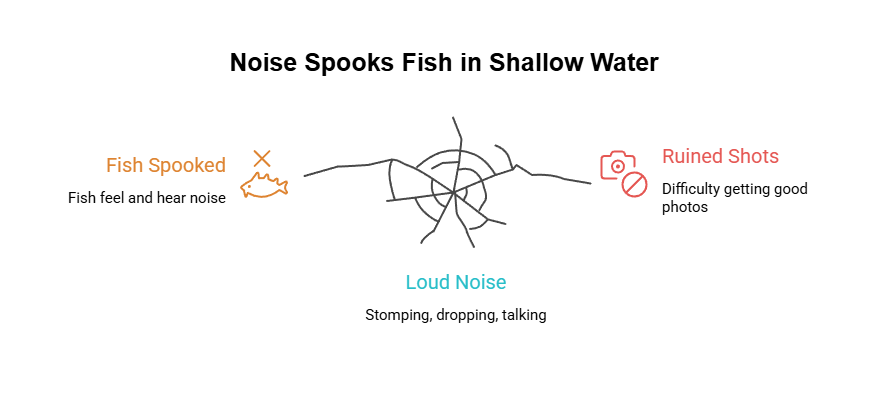
What spooks fish most
In Rockport, shallow water is a blessing and a curse. You can see more signs… but fish can also feel and hear more.
Noise that commonly ruins shots:
stomping on the deck
dropping pliers or a tackle box
slamming lids or cooler tops
loud talking when fish are close
wading like you’re late for work
Fix it fast: the quiet-body checklist
On a guided trip, the fastest improvement you can make is going “silent mode.”
Try this on your next drift:
Soft feet: bend knees slightly, step lighter
Gear staged: keep tools and lures where you can reach them quietly
Controlled movements: no sudden arm swings, no frantic re-tying
Wade slow: fewer steps, less splash, more watching
Fish and other marine life can be affected by human-made noise, including boat noise, which is why quiet approaches matter. Here’s a research overview on the impacts of boat noise on aquatic animals (National Library of Medicine).
Mistake #5: Standing in the Wrong Place (Bad Positioning)
The usual problem
If you’re standing in the wrong place, even a perfect cast can fail.
Common positioning problems:
wind in your face = shorter casts and more fatigue
sun in your eyes = you miss signs and fish
you’re casting across the boat = tangles and confusion
Fix it fast: set up like a guide
Use this simple rule:
Put the wind at your back when possible. It helps distance and accuracy.
Keep your best casting lane clear. Don’t block yourself with gear or people.
Let the boat do the work. Cast where you will be in 10 seconds, not where you are now.
Positioning is not about being “perfect.” It’s about being repeatable. If you can repeat good casts, you get more real chances.
Mistake #6: Not Covering Water the Right Way (Or Covering Too Much)

Two extremes that hurt
First-timers usually do one of these:
They camp one tiny pocket too long.
They spray casts everywhere with no plan.
Both waste time.
Fix it fast: “grid the lane”
Pick a lane and fish it like this:
Start short and work longer
Fan-cast left to right in a consistent pattern
If you get a bump or a follow, repeat that exact lane before moving
This keeps you organized and helps the guide (or your buddy) see patterns fast.
Mistake #7: Wading Wrong (Burning Energy and Scaring Fish)
Why this hits Rockport anglers hard
Rockport wading can be easy… until it isn’t. Soft bottoms, shell, and sudden drops can make people stomp, splash, and lose focus.
Fix it fast: slow down and stay stable
If you’re wading, do this:
Short steps instead of long strides
Pause often and scan the water
Keep your rod ready so you don’t panic when fish show
For practical, safety-minded wading fundamentals (including footing and how to move with less risk), Texas Parks & Wildlife has a helpful wade-fishing guide (TPWD).

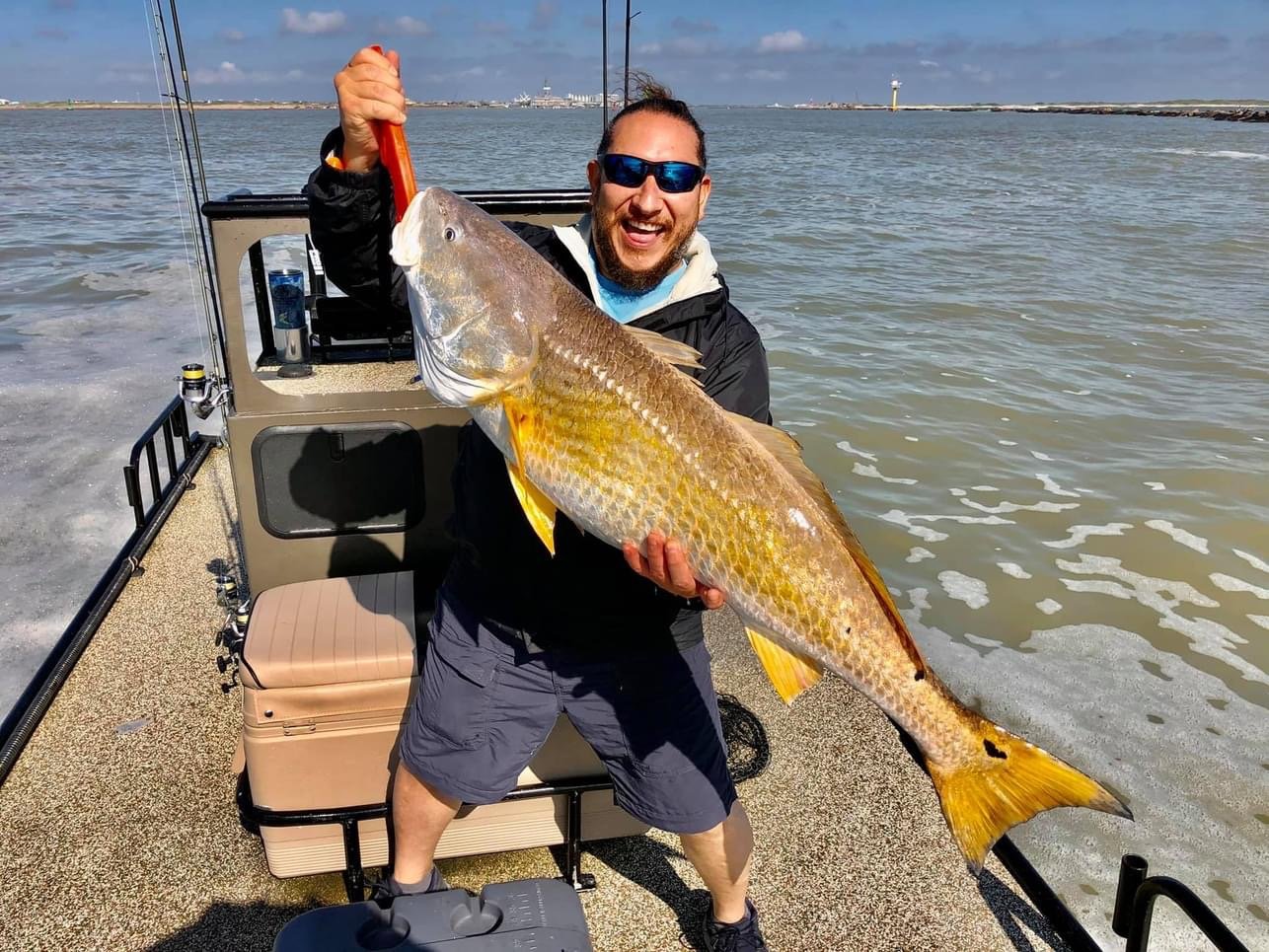
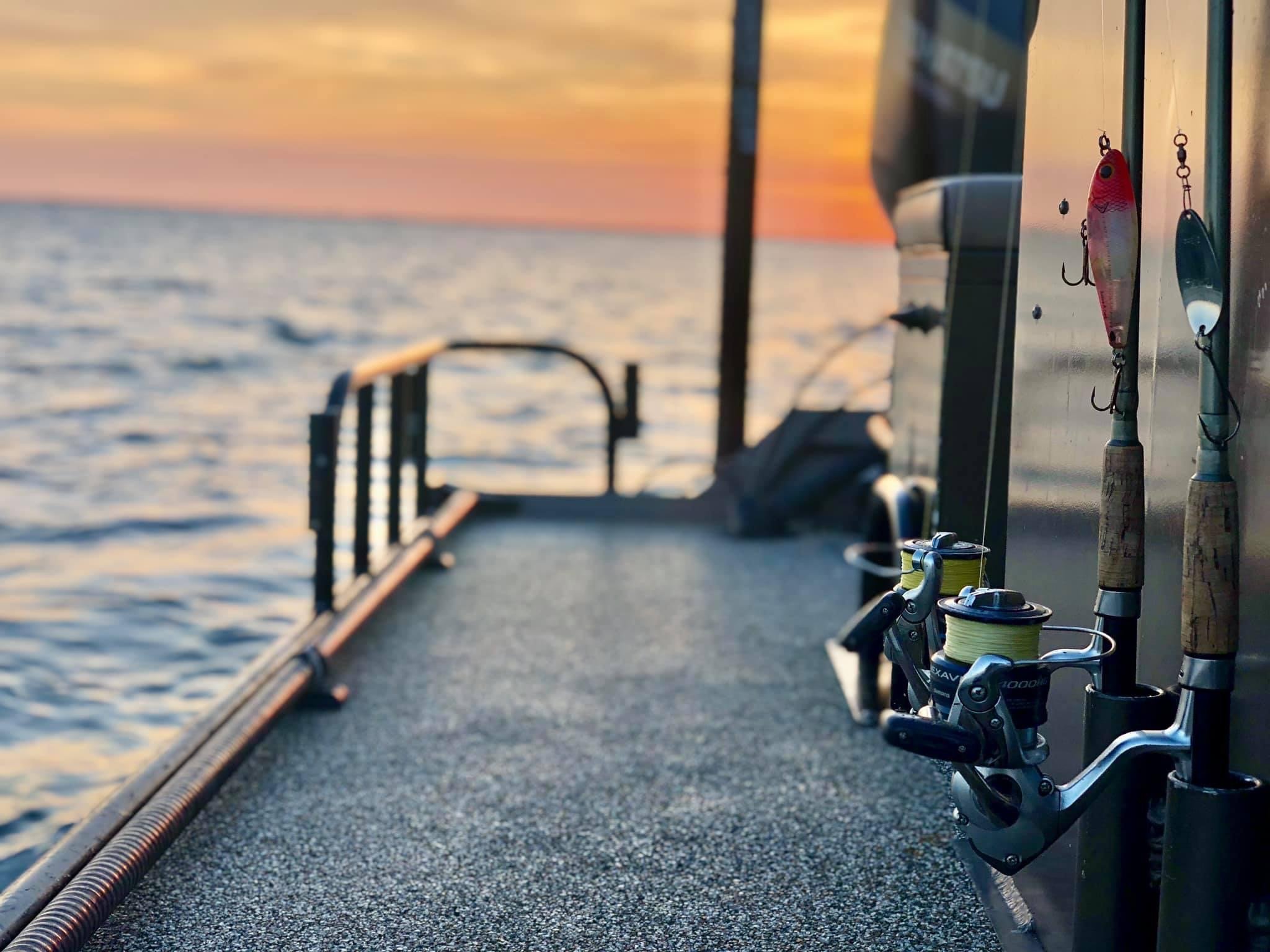
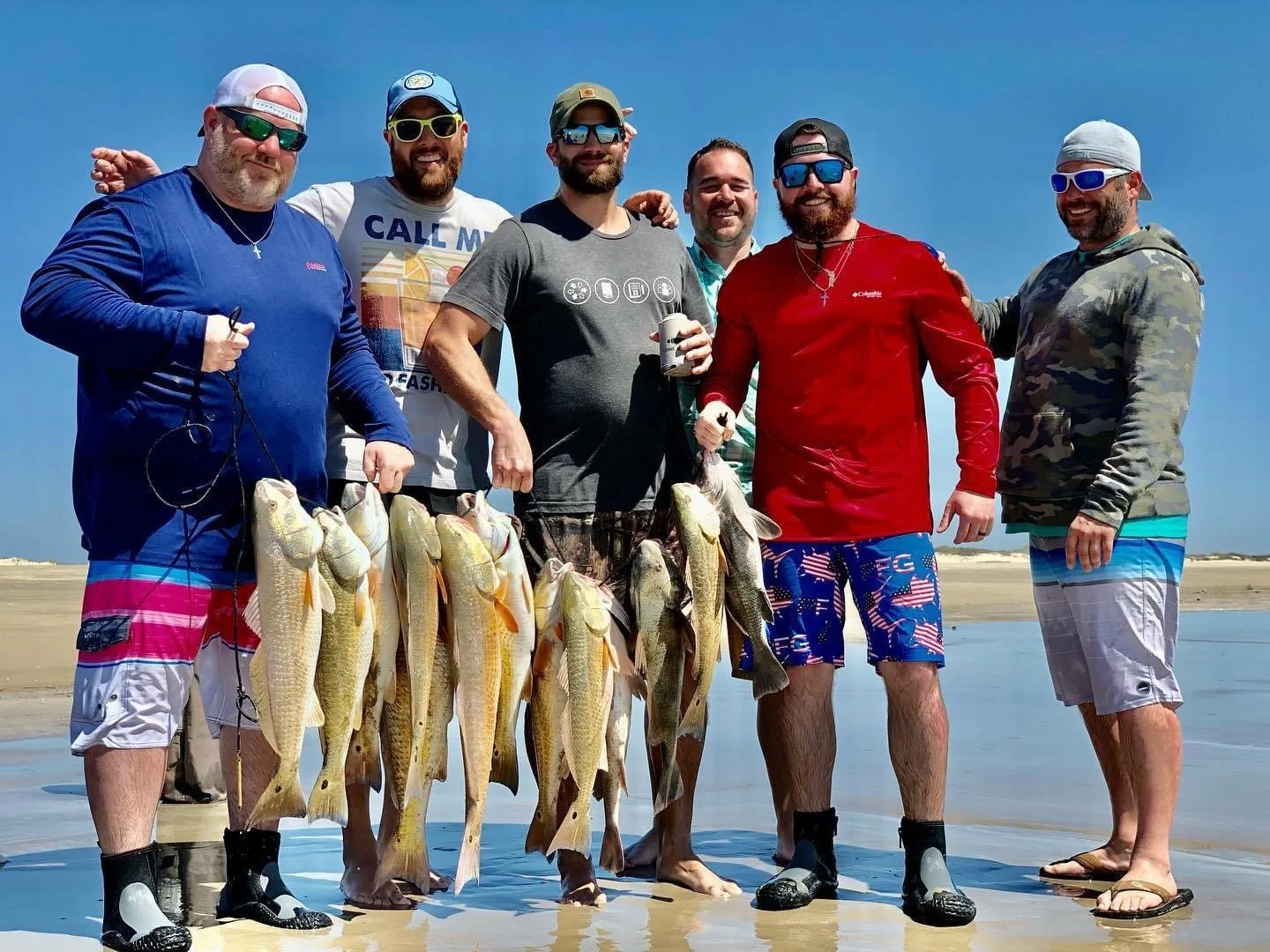


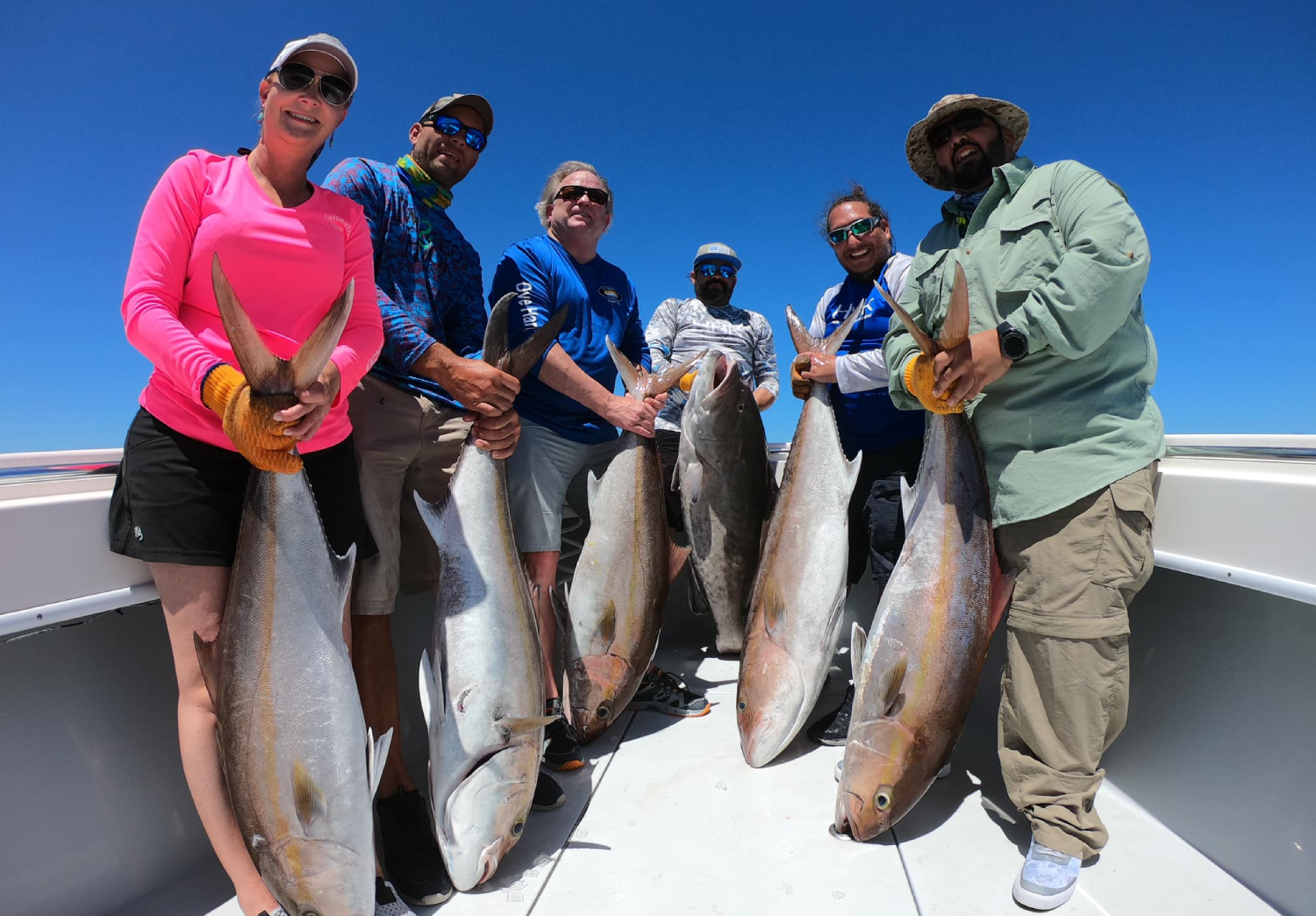
Want the Shortcut? Fish One Trip With Coaching Built In
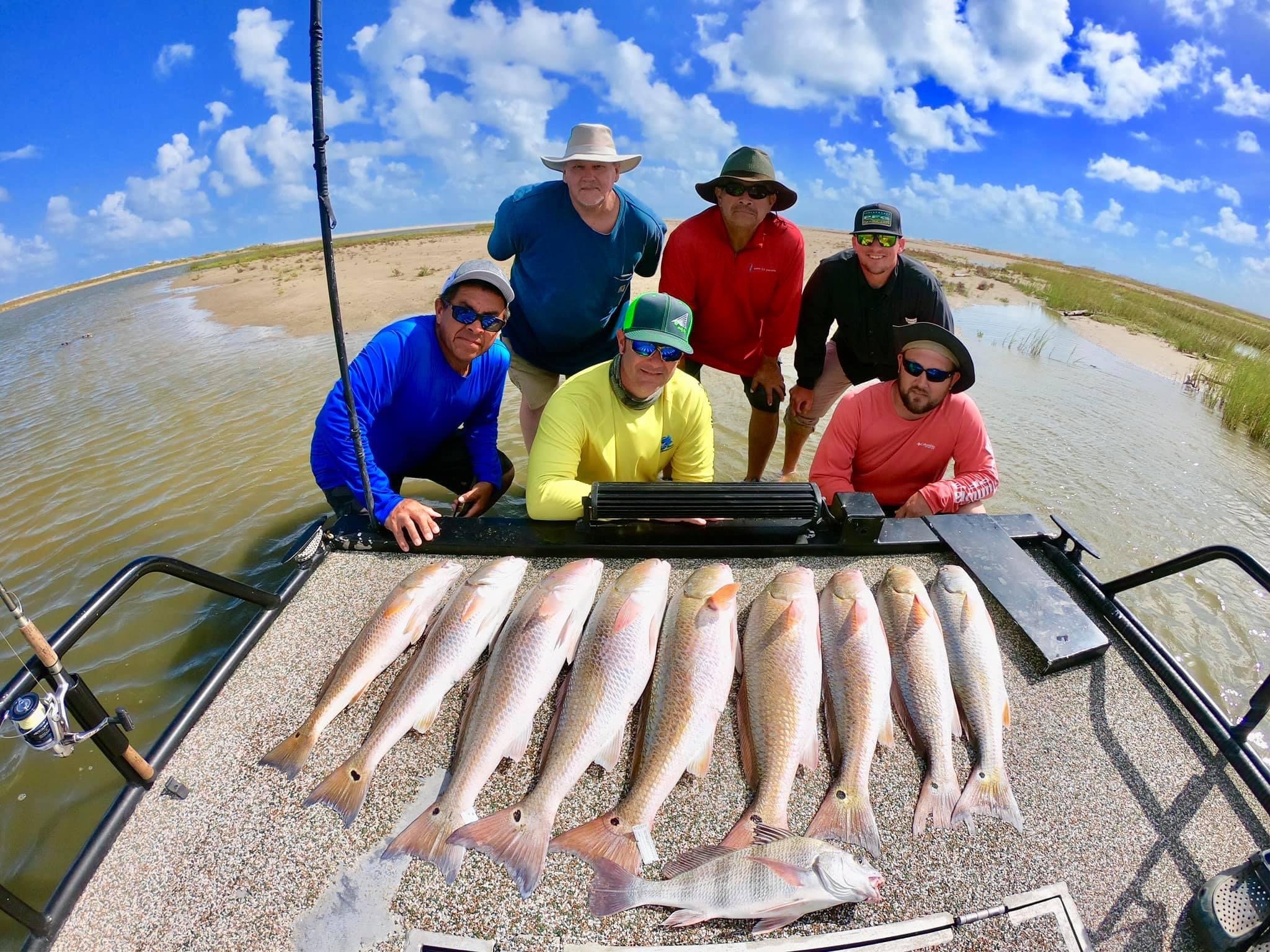
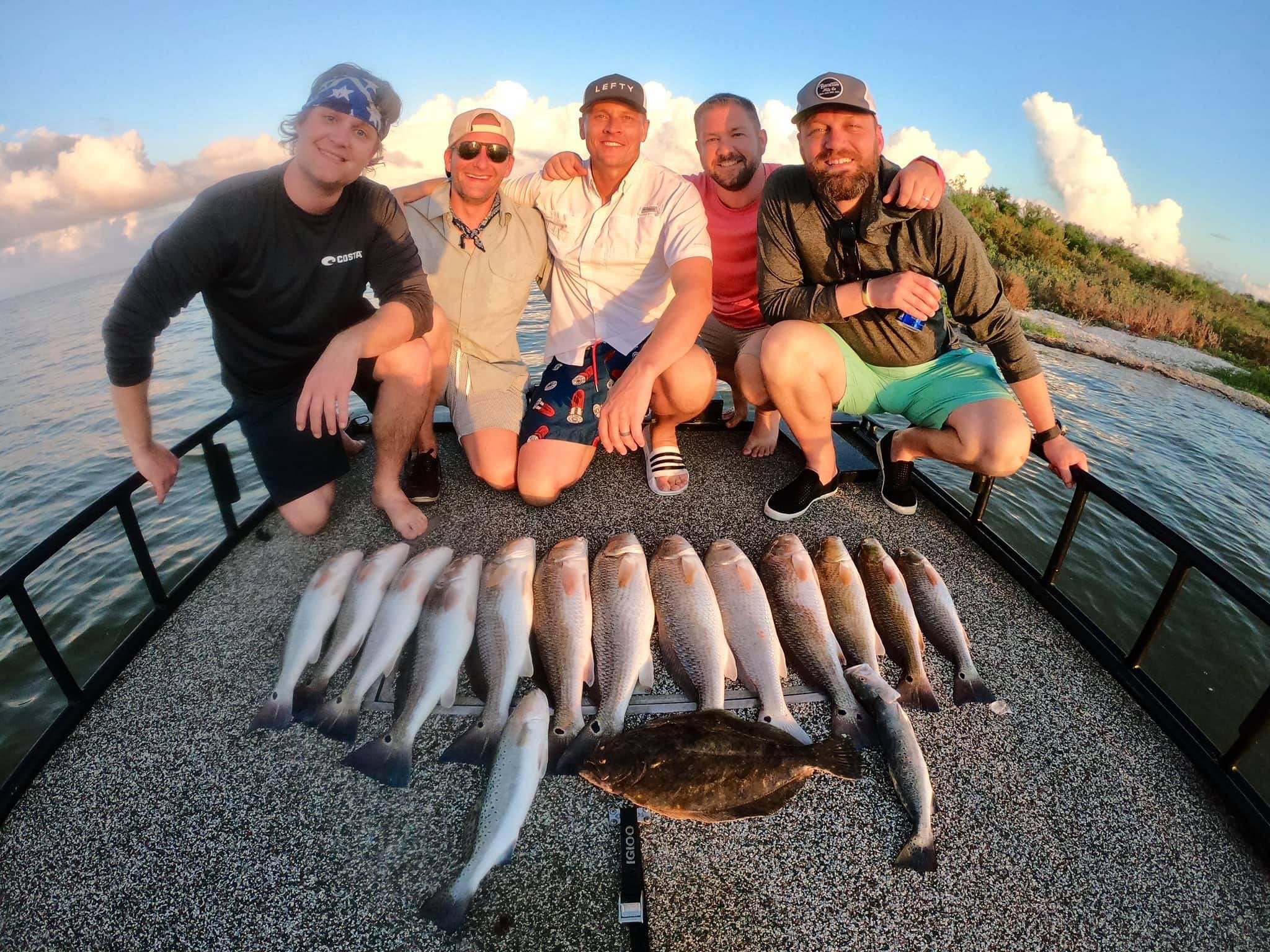
Here’s the fastest way to fix these mistakes: fish one guided trip where someone is watching your angles, your timing, your cadence, and your approach in real time.
That’s what we do on Texas Crew’d trips. We don’t just put you on fish—we help you improve while you’re catching.
Ready to fish Rockport the right way? Contact Texas Crew’d now and lock in your date.
Call or message us today to book your guided Rockport inshore trip.
Want help choosing a trip time? Tell us your dates and we’ll recommend the best plan.
Frequently Asked Questions
-
The biggest mistake is usually casting from the wrong angle, which turns good shots into spooked fish. A small change in position can completely change how your lure travels. The quickest fix is to adjust your angle before you start changing lures (Sportsman’s News).
-
Yes—tides and current help decide where bait gathers and where fish set up to feed. You don’t have to be a tide expert, but you should learn to spot moving water and fish the edges it creates. This tide-focused breakdown explains why that matters (Angler’s Journal).
-
Quieter than most people think—especially in shallow water where sound and vibration travel well. Small things like stomping, dropping tools, and slamming lids can ruin a shoreline or flat. Research shows boat noise and human-made sound can affect aquatic animals, which supports why stealth matters (National Library of Medicine).
-
Start by testing cadence instead of guessing. Run a quick 3-speed test—10 casts slow, 10 medium, 10 fast—and pay attention to bumps or follows. Once you see interest, repeat the speed and angle that got the response.
-
Yes, as long as you do it safely and move slowly. Short steps, stable footing, and fewer splashes help you stay quiet and fish longer. TPWD’s wade-fishing fundamentals are a solid reference for safe movement and footing (TPWD).