
Rockport Cold Front Inshore Strategy: Winter Patterns That Work
Cold fronts do not have to ruin your trip. They just change the rules.
If you are new to Rockport fishing inshore, winter fronts can feel random. One day it is calm and fishy, the next day it is blowing hard and the bite feels quiet. The good news is this: fronts often make fish easier to predict once you know where they go and how to fish slower.
Below is the simple game plan we use on guided trips when north winds roll through.
What a cold front changes in the bays
A cold front is the boundary where colder air advances and replaces warmer air, and it is usually paired with a wind shift. That quick change is why conditions can flip fast on the coast (National Weather Service explanation).
For anglers, that shift usually means three things:
More wind, often from the north
Cooler water in the shallows
Fish that act cautious and move to comfort water
How cooler water changes fish mood
In winter, fish are not as willing to chase. After a front, the bite often turns into a short window instead of an all-day feed.
That is why we keep it simple: we assume fish will hold tighter to structure and depth, and we keep lures in the strike zone longer.
A solid starting point for this pattern is to treat fronts like a reset that rewards anglers who follow conditions and slow down (Texas Saltwater Fishing Magazine winter front strategy).
Where fish slide in Rockport after a front
Think of post-front fish like this: they want stable water, less stress, and an easy meal.
1) Depth changes: edges, guts, and channels
Right after a hard front, we spend more time around deeper lanes and drop-offs. You are looking for places where fish can slide down a little and hold steady until the sun warms the day.
Practical spots to look for from the boat:
The edge where a flat drops into a gut
The lip of a channel
Deeper potholes near a flat
2) Dark bottoms: mud that warms faster
On calm, sunny afternoons, darker bottoms can warm a little quicker than bright sand. That tiny change can turn into the best bite window of the day, especially after a cold morning.
If you are new, here is the easy rule:
Morning: start deeper
Afternoon sun: check nearby dark-bottom shallows
3) Protected water: get out of the wind
North wind does two things at once: it cools the surface and it makes boat control tougher.
So we hunt for areas that block wind and keep water cleaner:
Leeward shorelines
Back lakes with a safe run
Shoreline bends that break chop
4) Water level swings: plan for lower water
Fronts can push water around, and strong winds often pull water out of certain bay areas. That can turn some flats into very skinny water.
If you notice the bay looks low, focus on places that still have travel lanes and depth. A classic winter approach is to key on deeper routes and adjacent structure when conditions change (TPW Magazine winter bay fishing example).
What to throw: slower presentations that get bites

When it is cold, you do not need fancy. You need control.
Slow down your retrieve
This is the number one fix we see for first-timers. If your lure is moving fast, it is leaving the strike zone too soon.
Try this rhythm:
Cast
Let it sink
One small hop
Pause
Repeat
If you are using a soft plastic, make the pauses longer than you think. If you are using a slow-sinking lure, give it time to work.
Match weight to depth, not to ego
In winter, we want contact and control, not speed.
Shallow water: lighter weight so it glides
Deeper edges: enough weight to stay down and feel bottom
Expect subtle bites
A winter bite can feel like:
A small tick
Your line going slack
A mushy heaviness
When in doubt, ease into a hookset. Do not jerk hard. Smooth and steady lands more fish.
Best times after a front: when to plan your window

If you can pick your day, we like these windows for beginners.
The 24 to 72 hour window after a front
The day of the front can be rough. The day after is often better, and the next couple of days can be the most steady if the wind lays down.
Sunny afternoons can beat early mornings in winter
If the water is cold, the afternoon warm-up can be the best chance for a feeding window. That is why many winter plans start a little later and lean into mid-day.
Quick Rockport cold front game plan (boat-based)
Use this simple order of operations.
Start protected. Pick water you can fish safely and control the boat.
Check depth first. Work edges and travel lanes until the sun starts helping.
Look for life. Bait flicks, birds, nervous water, or slicks.
Go slower than normal. Longer pauses and smaller hops.
Move with purpose. If you do not see life, do not camp too long.
Species cheat sheet (balanced mix)
This keeps it beginner-friendly.
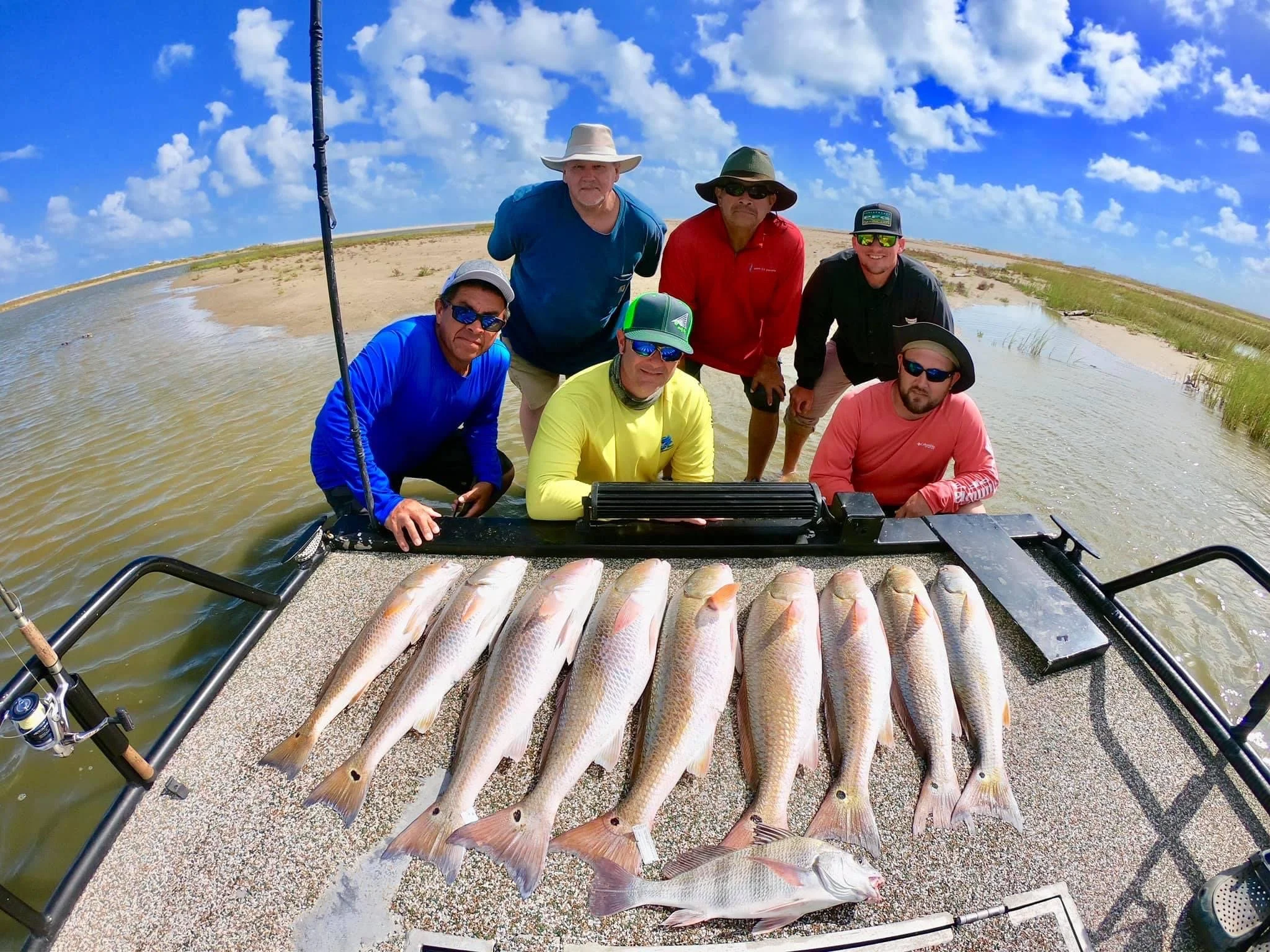
Trout: often group up and hold near edges and deeper lanes after a cold snap.
Redfish: can still bite in shallow water, especially when sun and calm water warm a flat.
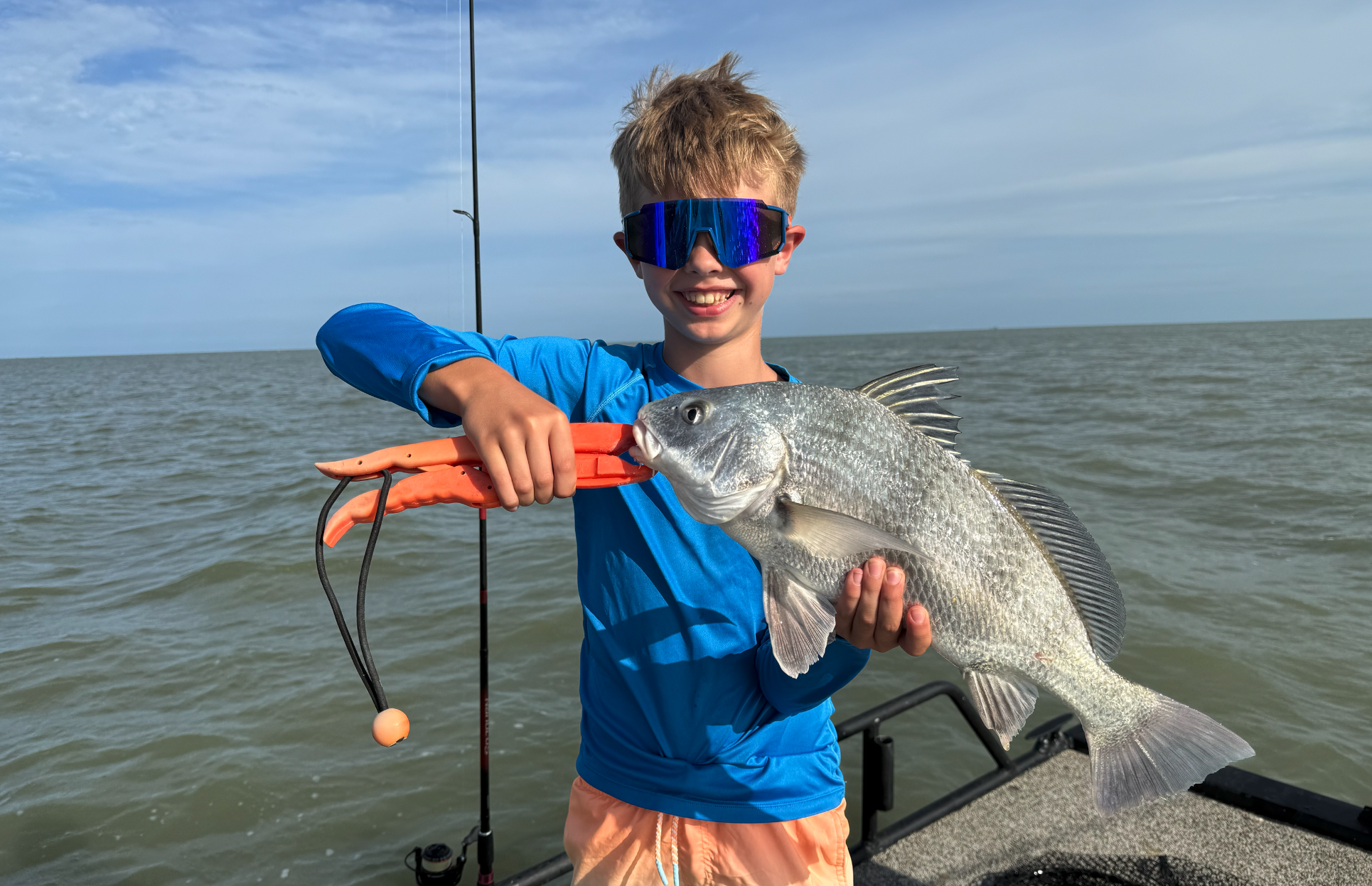
Black drum: like slower zones and structure where they can feed without chasing.
Flounder: hug bottom and relate to edges, drains, and ambush points.
Safety and comfort for winter bay trips
Cold fronts are not just a fishing problem. They are a safety problem if you are not ready.
Wear your PFD and dress for the water
Cold water takes strength and coordination fast. The U.S. Coast Guard breaks down cold-water immersion risks and why staying afloat matters from the first minutes in the water (U.S. Coast Guard cold water survival guide).
Comfort basics we recommend:
Layers you can add or remove
Wind-blocking outer layer
Dry socks and a warm hat
Gloves for the run
Know what wind warnings mean
If you are new, do not guess. Learn the warning language so you can make better calls.
AMSEA lays out how the National Weather Service categories line up with wind speeds, including small craft advisories and gale warnings (AMSEA guide to reading weather and wind warnings).

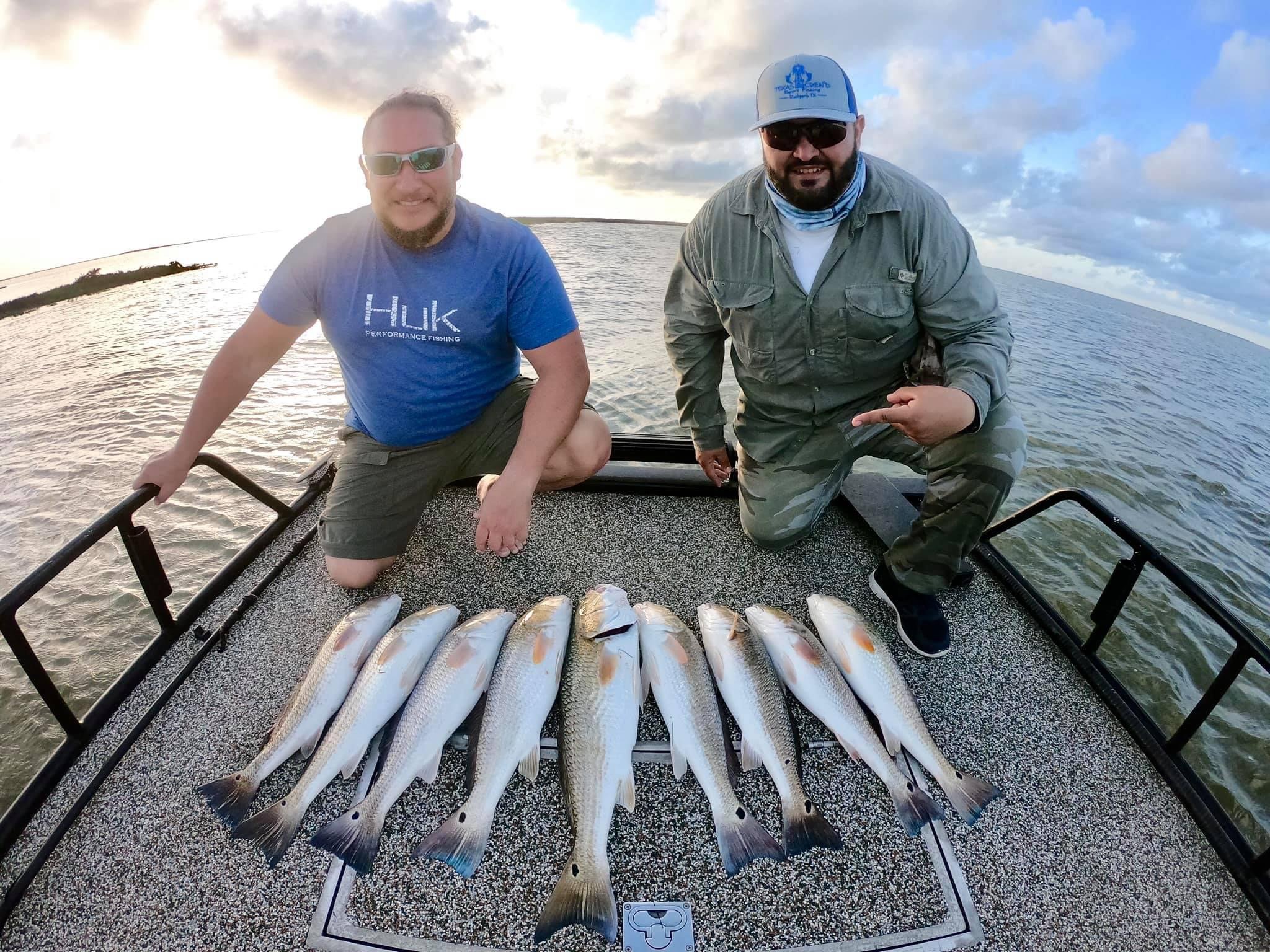
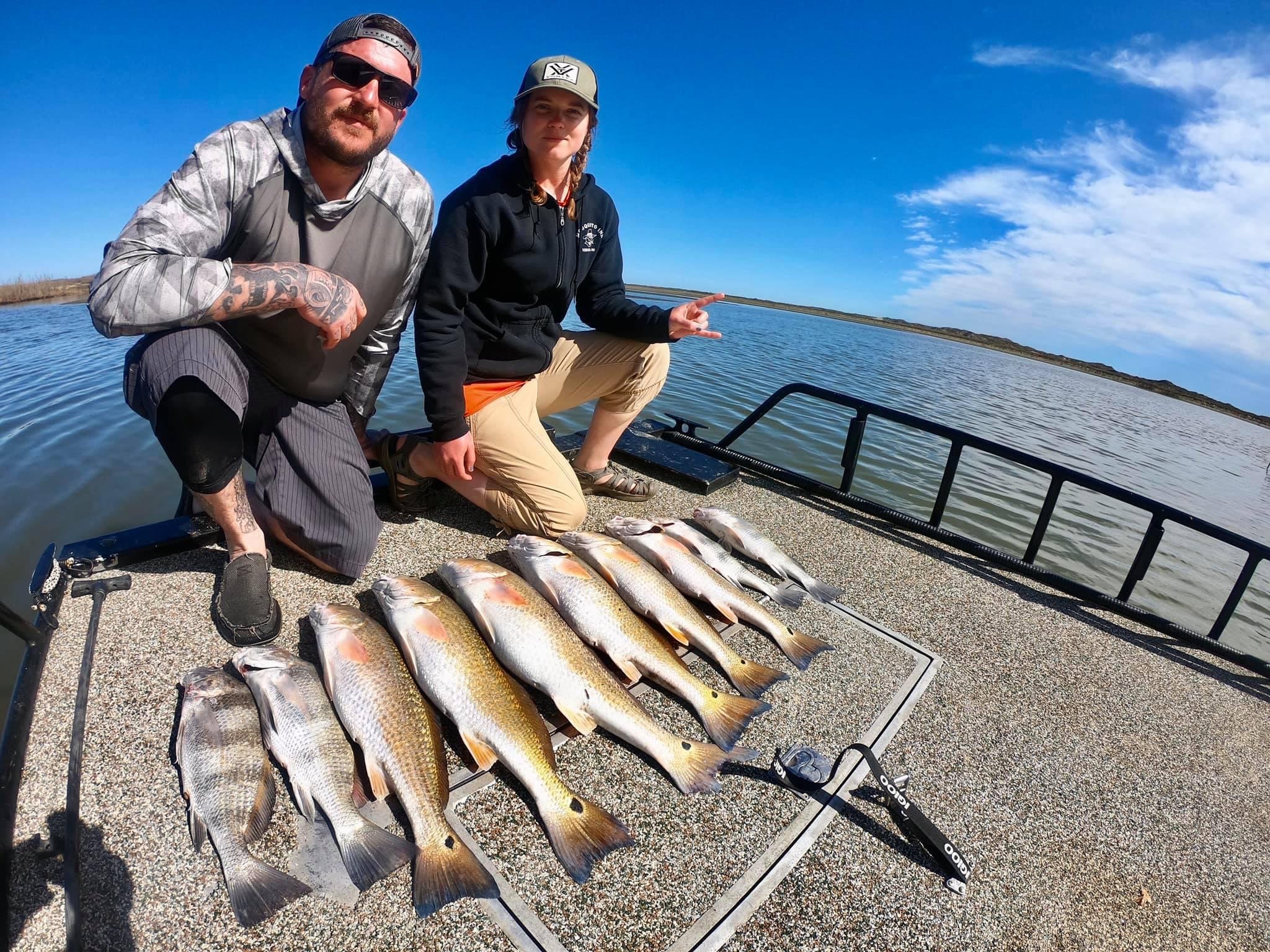
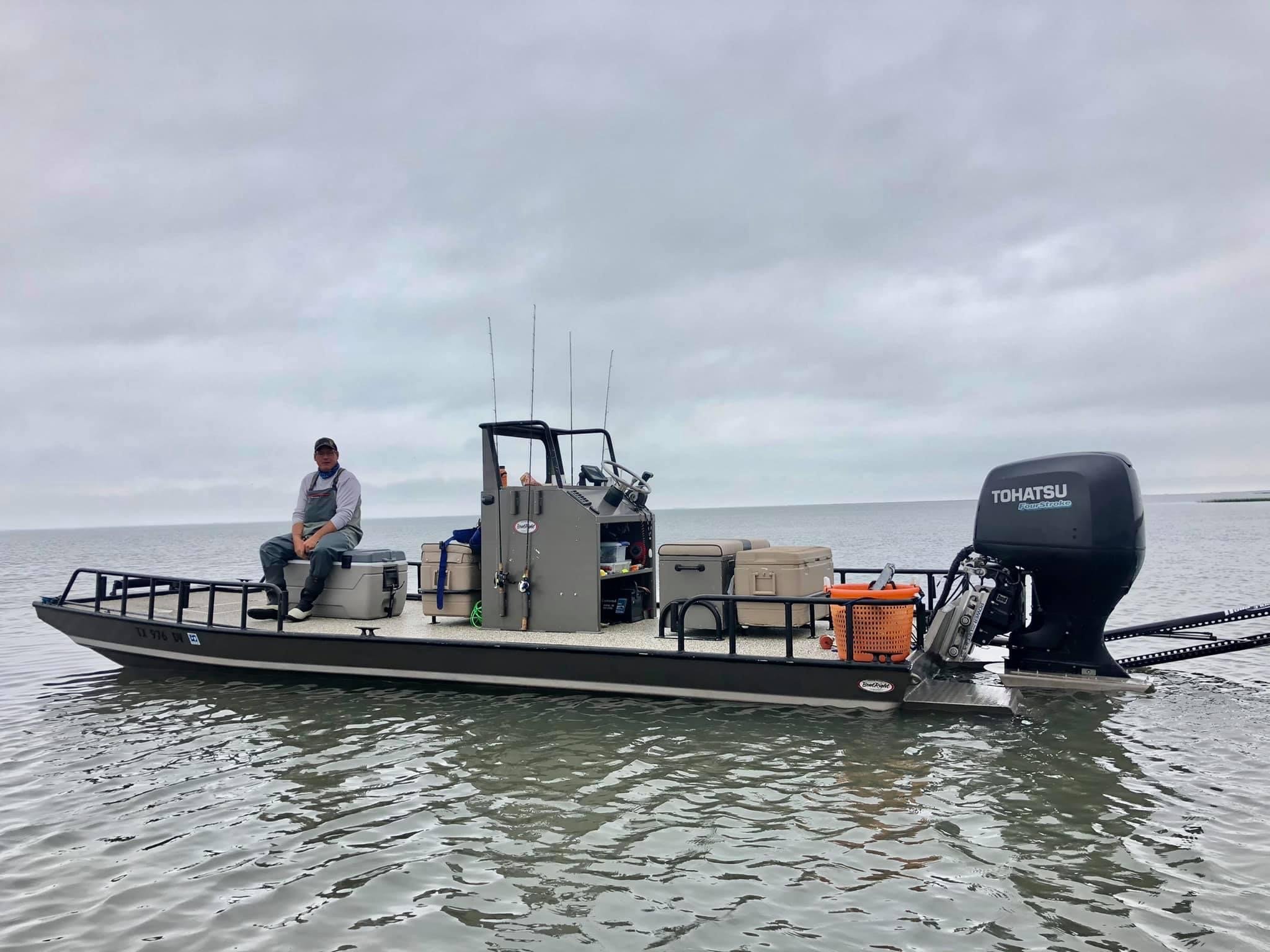
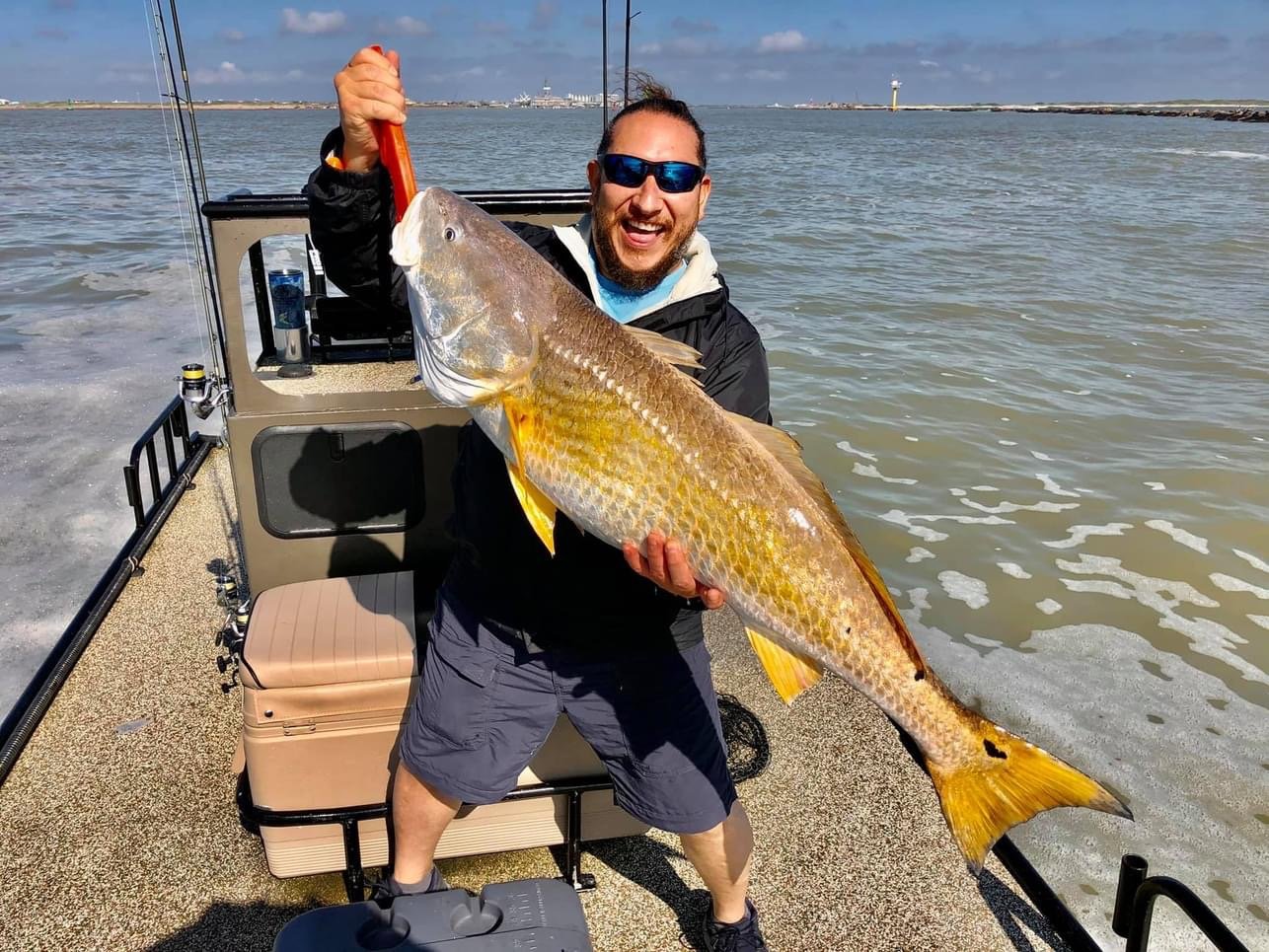


Book a Rockport guided trip
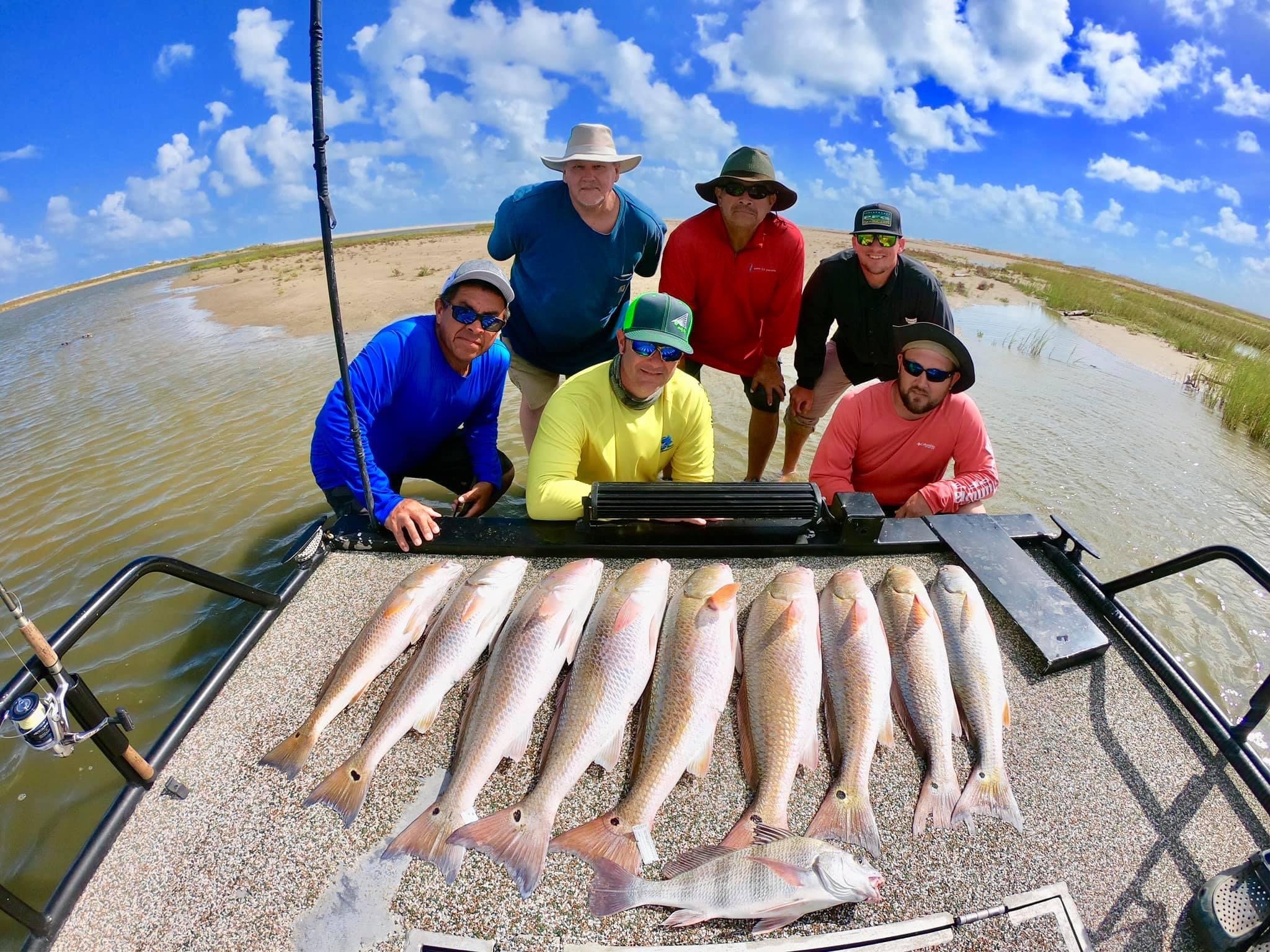
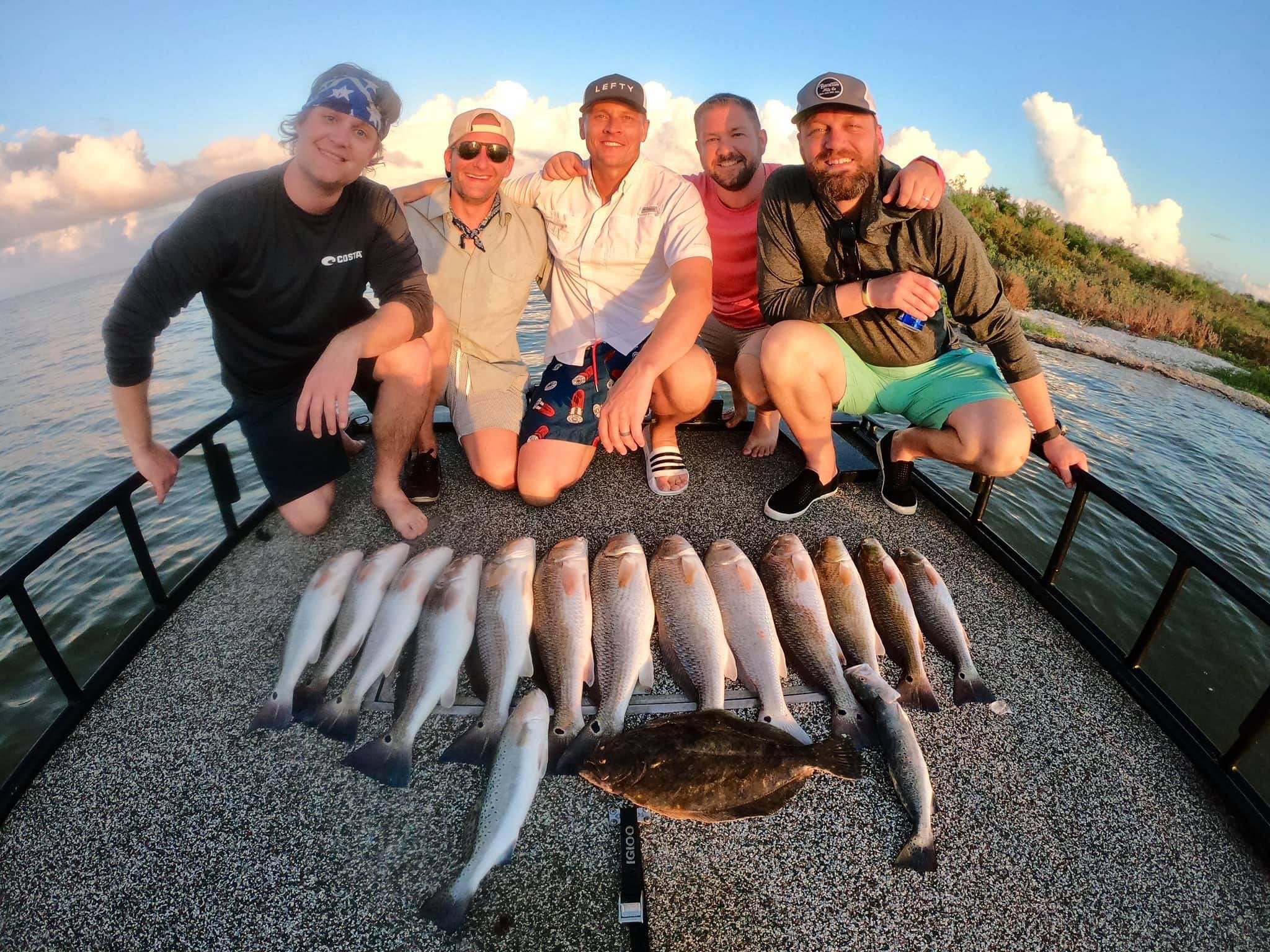
If you are a first-timer, a winter cold front can be the best time to learn. We run a simple plan, fish the safest water for the day, and coach you through slower presentations so you can feel the bite and land fish.
Contact us to book a Rockport guided trip and we will match your date to the best winter window.
Frequently Asked Questions
-
For most beginners, the most comfortable window is often 24 to 72 hours after the front, once wind settles and the bay levels out. We plan around safe runs and stable conditions first, then build the day around the warmest part of the tide and sun.
-
We usually start by checking deeper edges close to where trout were feeding before the front. If the sun warms up a dark-bottom area later, we will slide shallower and test it with slow presentations.
-
Yes, but the bite is often tighter and more timing-based. We focus on protected water and look for reds using warm, calm pockets where they can feed without fighting chop.
-
Slower than you think. Long pauses and small hops keep your lure in the strike zone longer, which is a big help when fish are not chasing.
-
It depends on the day, your boat, and where you plan to run, but strong wind can quickly turn into unsafe boat control and rough crossings. If you are unsure, contact us with your date and we will give you a straight answer based on the forecast and the safest plan for Rockport.