
Boat vs Wade Fishing in Rockport: Which Inshore Style Fits You?
If you are trying to choose between boat fishing and wade fishing in Rockport, the honest answer is that both work. The better fit depends on how fish are set up that day, how much water you want to cover, and what kind of trip you enjoy most.
Around Rockport, that matters because Rockport fishing inshore does not stay locked into one kind of water. Trout, redfish, and black drum move around flats, guts, holes, reefs, and channel edges. That means some days call for range and mobility, while other days reward a slower, quieter approach. (TPWD)
The short version is simple. Boat fishing usually fits anglers who want to cover more water, adjust to depth changes fast, and stay comfortable. Wade fishing usually fits anglers who want more stealth, a slower pace, and a closer feel for shallow water.
When Boat Fishing Makes More Sense
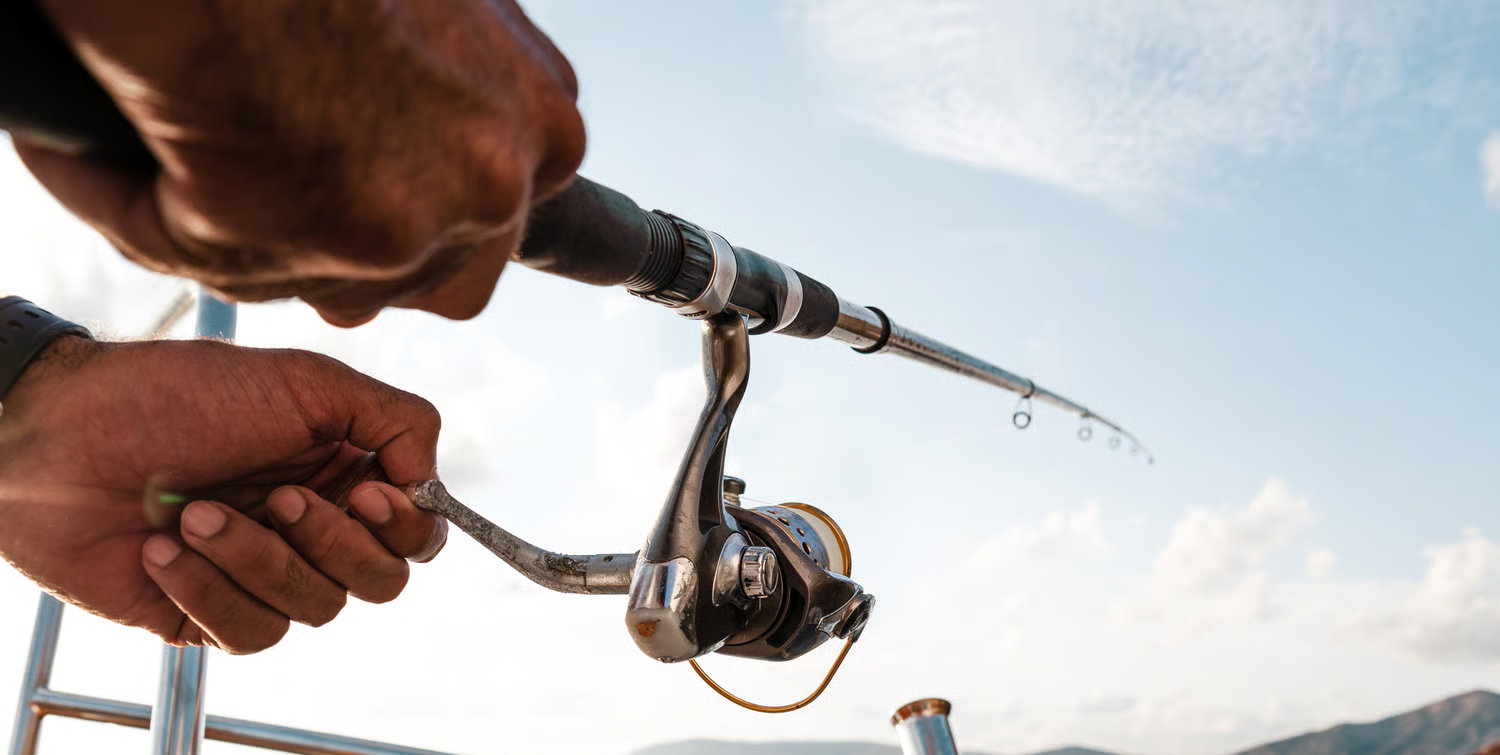
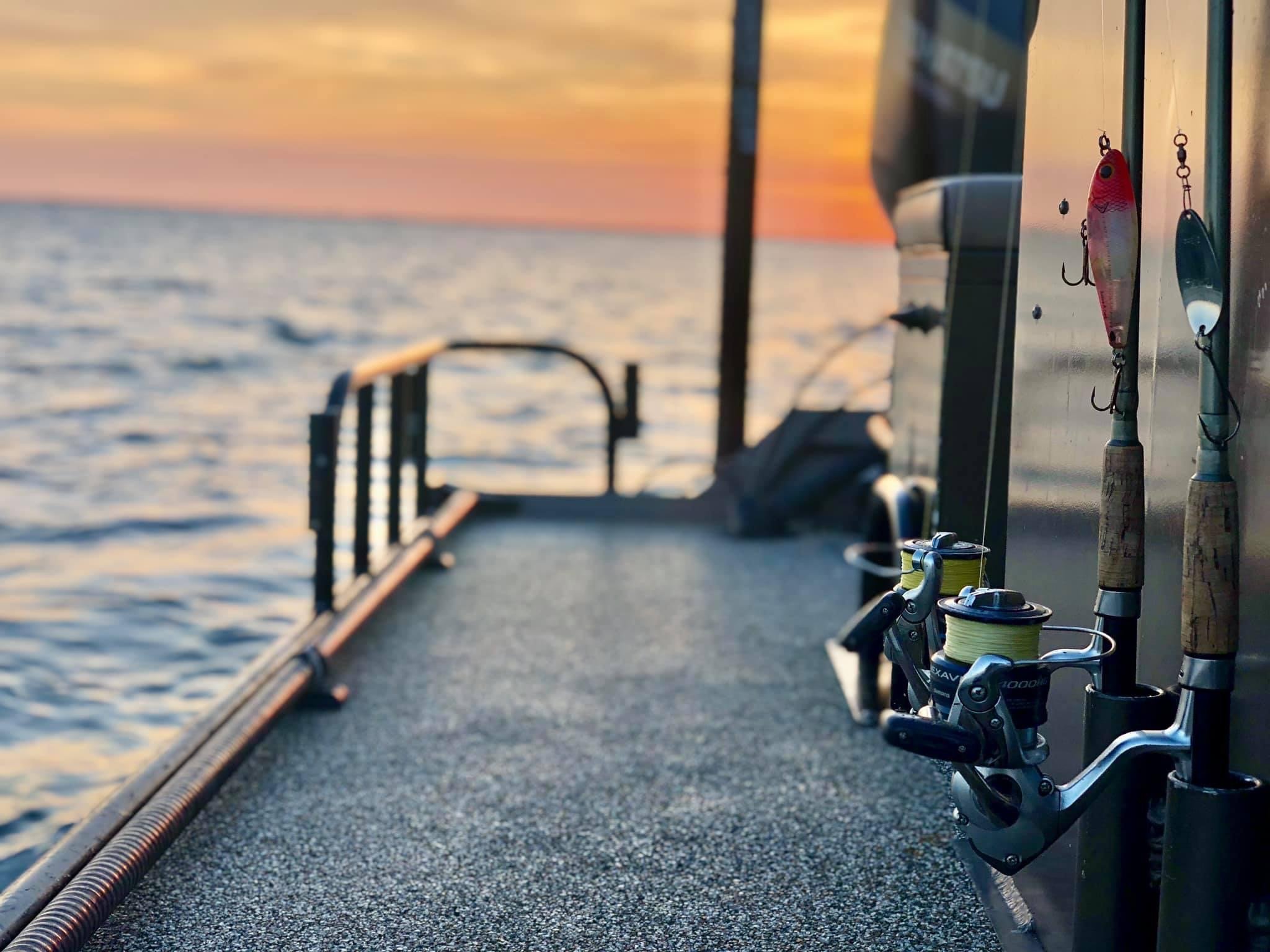
Boat fishing gives you options.
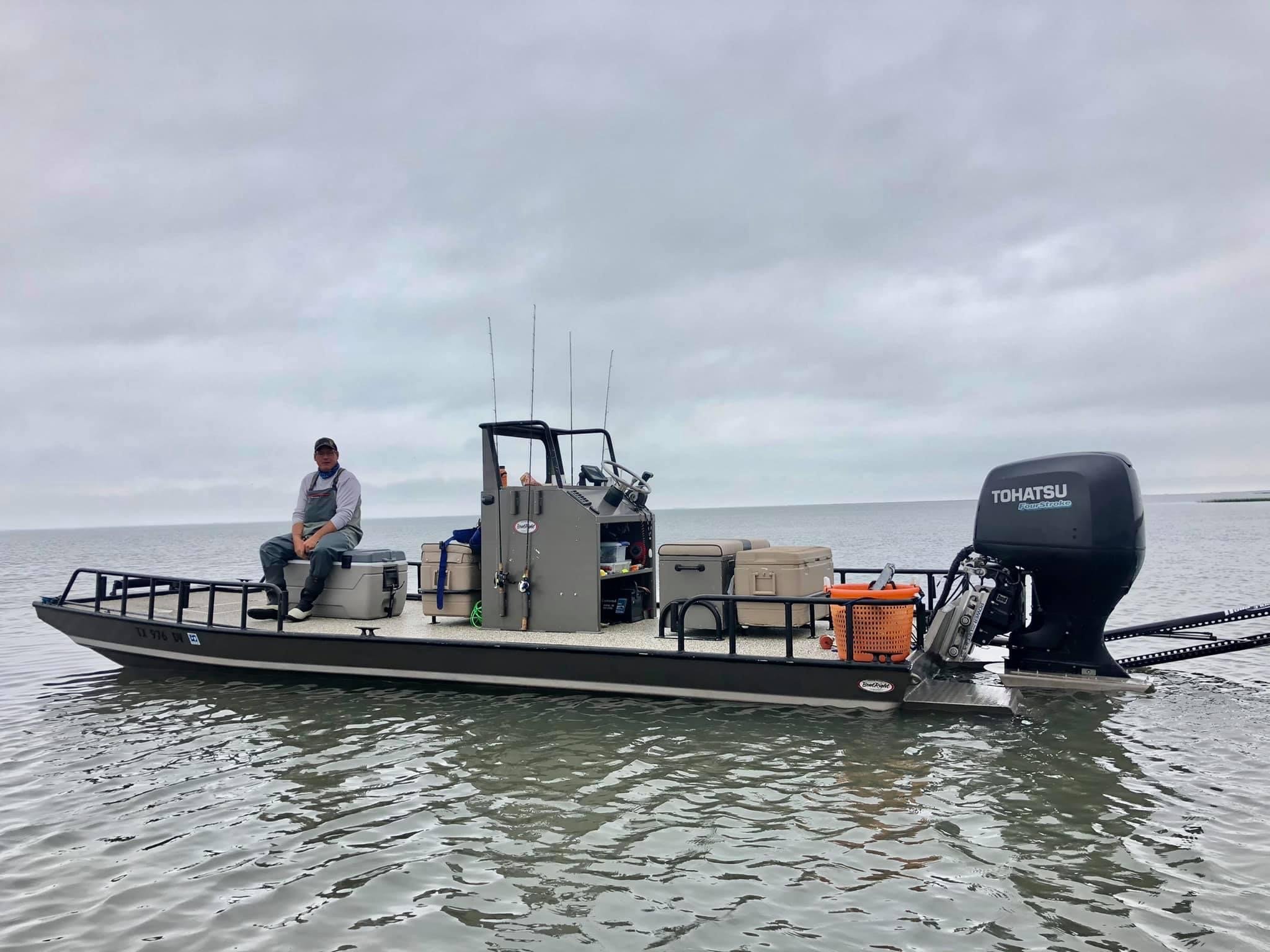
If fish are scattered, wind is pushing one shoreline too hard, or the bite changes with the tide, a boat makes it easier to move. You can start on a shallow flat, slide to a nearby gut, then check a deeper edge without burning most of the trip on travel. That kind of mobility matters in estuaries because fish use a mix of shallow feeding areas and deeper travel lanes, and the U.S. Environmental Protection Agency notes that estuaries support fish by giving them places to feed, grow, and move in protected coastal water.
Boat fishing is also the easier starting point for many mixed groups. If you are bringing a family member, fishing with a new angler, or just want a more relaxed day, a boat gives you more room, more gear flexibility, and less physical strain.
A boat is usually the better fit when:
you want to cover several areas in one trip
fish are holding near channels, reefs, or changing depth
wind or tide may force you to adjust quickly
comfort matters as much as the challenge
When Wade Fishing Makes More Sense
Wade fishing is a different kind of trip. It is more hands-on, more focused, and often more personal.
The biggest edge is stealth. In skinny water, fish can get spooky. Hull slap, a push wake, or a bad approach can move a school before you ever cast. Wading lets you slow down and fish one zone carefully. That can be a real advantage when trout are shallow over grass, when redfish are pushing a flat, or when fish are set up on potholes and edges that need a quiet cast.
Wading also helps anglers learn the water better. You notice bottom changes, current seams, shell, grass, and depth shifts faster when you are moving through them instead of drifting over them.
Wade fishing is usually the better fit when:
fish are shallow and easy to spook
you want to work one area carefully
you like a more active, hands-on trip
the goal is presentation more than range
Access and Range: Covering Water vs Fishing One Zone Well
This is one of the biggest trade-offs.
Boat fishing wins on access. You can fish more shoreline, reach more edges, and change areas without a long walk back. That makes it easier to stay with moving fish, especially when bait is spread out or the bite shifts with light and tide.
Wading covers less total water, but that is not always a bad thing. In Rockport, plenty of good fish come from slowing down and working a smaller area the right way. If the zone has bait, current, and the right depth change, you may not need to move much at all.
A good way to think about it is this: boat fishing is better for searching, while wading is often better for picking apart a strong area.
Stealth: The Big Advantage of Wading
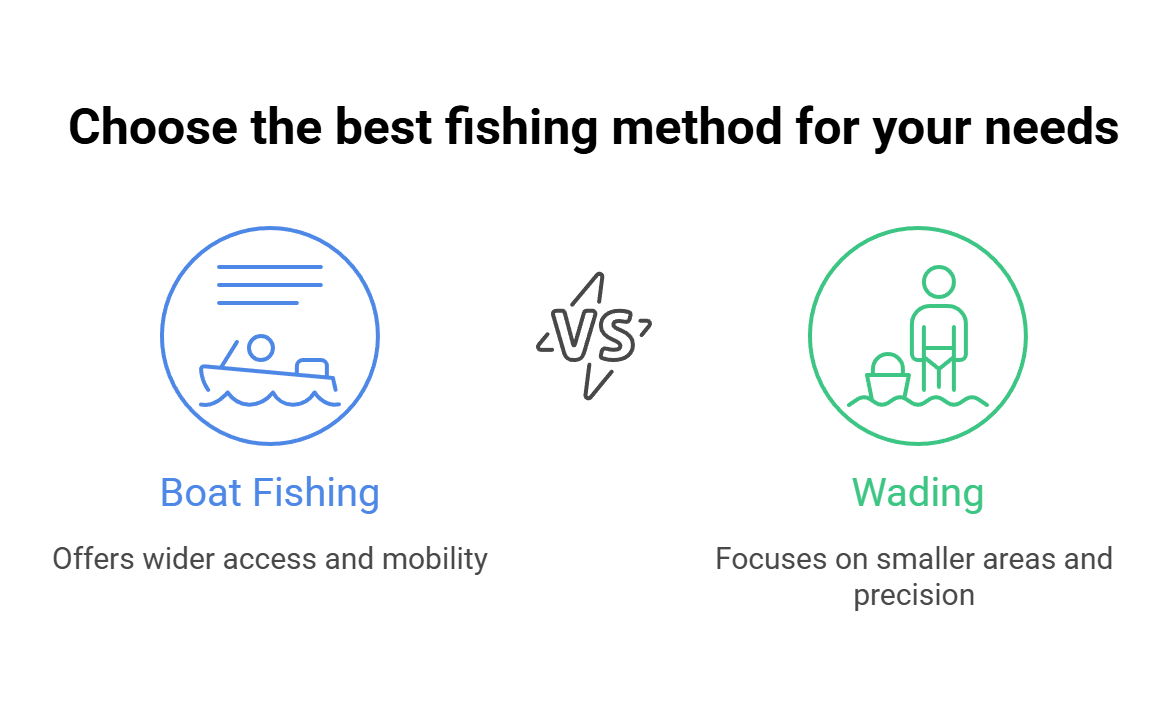
If this comparison were only about stealth, wading would usually win.
Shallow fish often react to noise and pressure before anglers realize it. Wading removes a lot of that. You are not pushing a wake across the flat, and you are not forcing the boat into water that may be too skinny for a clean approach.
That said, boat fishing can still be quiet if it is done right. A careful guide can stop short, drift, pole, or use a trolling motor to stay off the fish. That matters for the water too. In shallow seagrass habitat, careless running can scar the bottom, and National Park Service guidance on seagrass habitat explains how propeller damage can hurt important shallow-water habitat.
So the real answer is not that wading is always stealthier. It is that wading makes stealth easier, while boat fishing makes good boat control more important.
Depth Control: Where Boat Fishing Pulls Ahead

When fish change levels through the day, a boat usually has the edge.
That is especially true for trout. According to the Texas Parks and Wildlife spotted seatrout guide, trout may hold shallow in warm periods but shift to deeper drop-offs, channels, harbors, and rivers when conditions change. In real terms, that means a boat gives you a faster way to stay with fish when they slide off the flat.
Wading shines when the fish stay shallow long enough to work them right. But if you expect to bounce between shin-deep water and deeper edges in the same trip, boat fishing gives you more control over that move.
Safety: What Changes When You Are On Foot vs On A Boat
Both styles are safe when they are done right. Both also come with risks if you get lazy.
For wading, the main concerns are footing, shell, changing depth, weather exposure, and stingrays. Along the Texas coast, Texas Parks and Wildlife advises anglers to shuffle their feet because stingrays may sting when stepped on in bay water. That is one of the biggest beginner lessons in wade fishing.
For boat fishing, the bigger safety questions are wind, navigation, and changing weather. You may be covering more open water, running shallow areas, or moving farther from a protected shoreline. Before any trip, it helps to check the official National Weather Service marine forecast so you know what the wind and water are likely to do.
If you are brand new, boat fishing often feels easier and safer at first because the guide handles the run, the setup, and the repositioning. But wade fishing can be just as comfortable when it is planned well and matched to the right conditions.
Learning Curve: Which One Helps You Improve Faster?
This comes down to what kind of learner you are.
Boat fishing is easier for many beginners because it removes a lot of friction. You do not have to think as much about footing, wading gear, or how far you are from the next move. You can focus on casting, bait, and reading the water from a stable setup.
Wade fishing has a steeper start for some people, but it can teach you more about shallow water in a hurry. You feel the bottom change. You notice how bait uses a pothole or how a fish pushes across a flat. For anglers who want to sharpen their water reading, that is hard to beat.
Best Fit by Species in Rockport
Speckled trout
Boat fishing is often the safer all-around pick if trout may move between shallow flats and deeper edges. Wade fishing can be excellent when trout stay shallow and need a quieter presentation.
Redfish
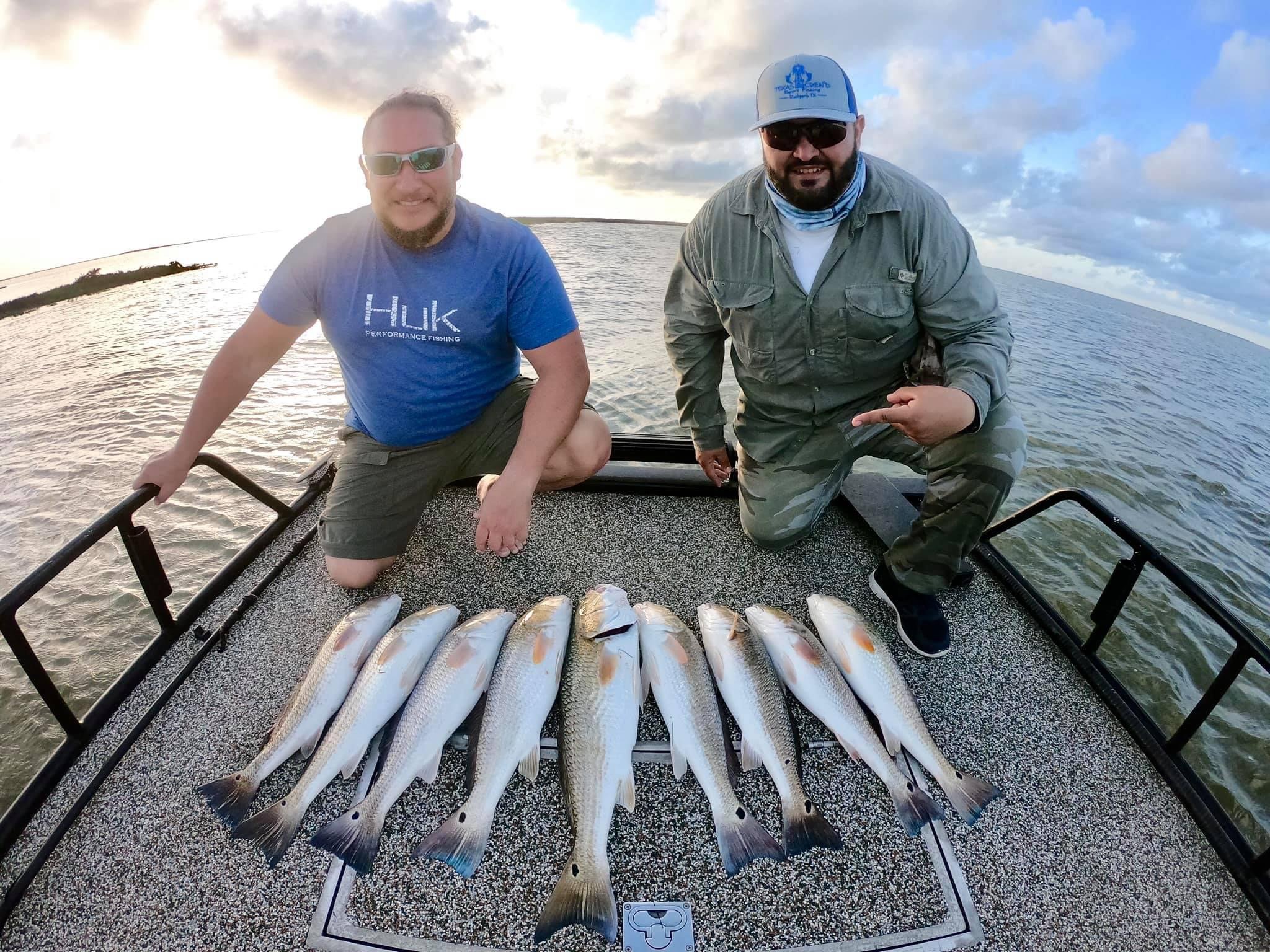
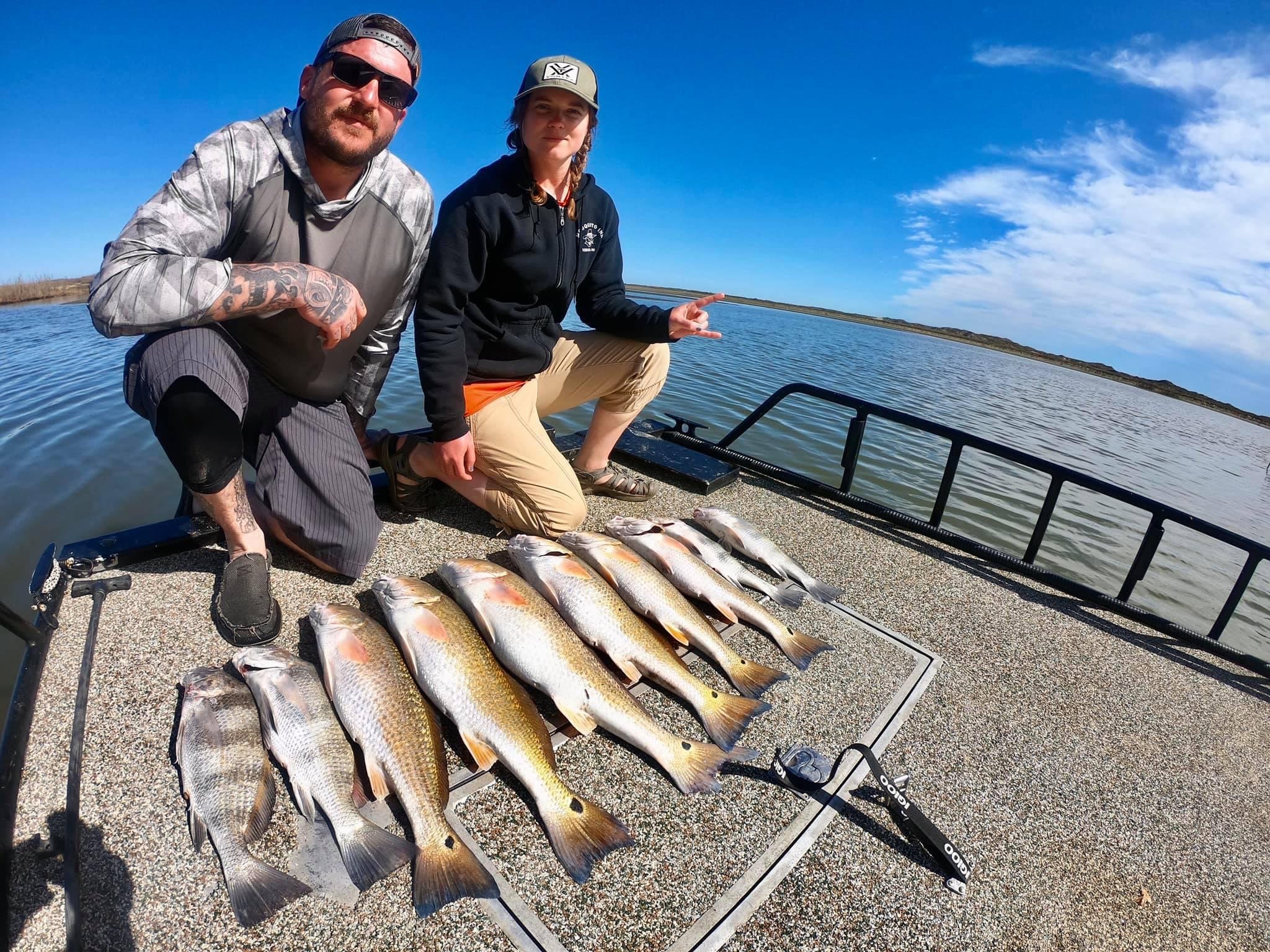
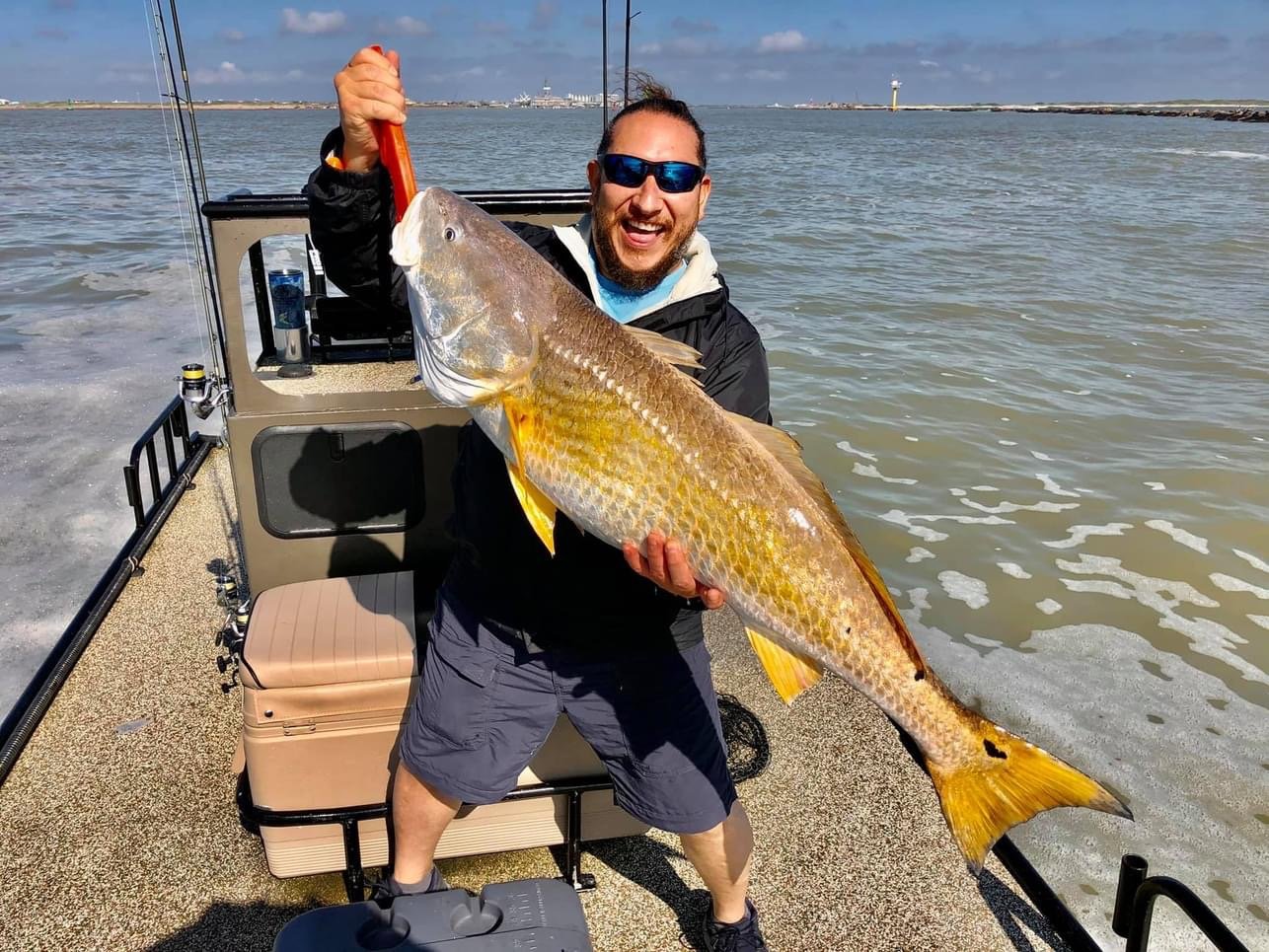
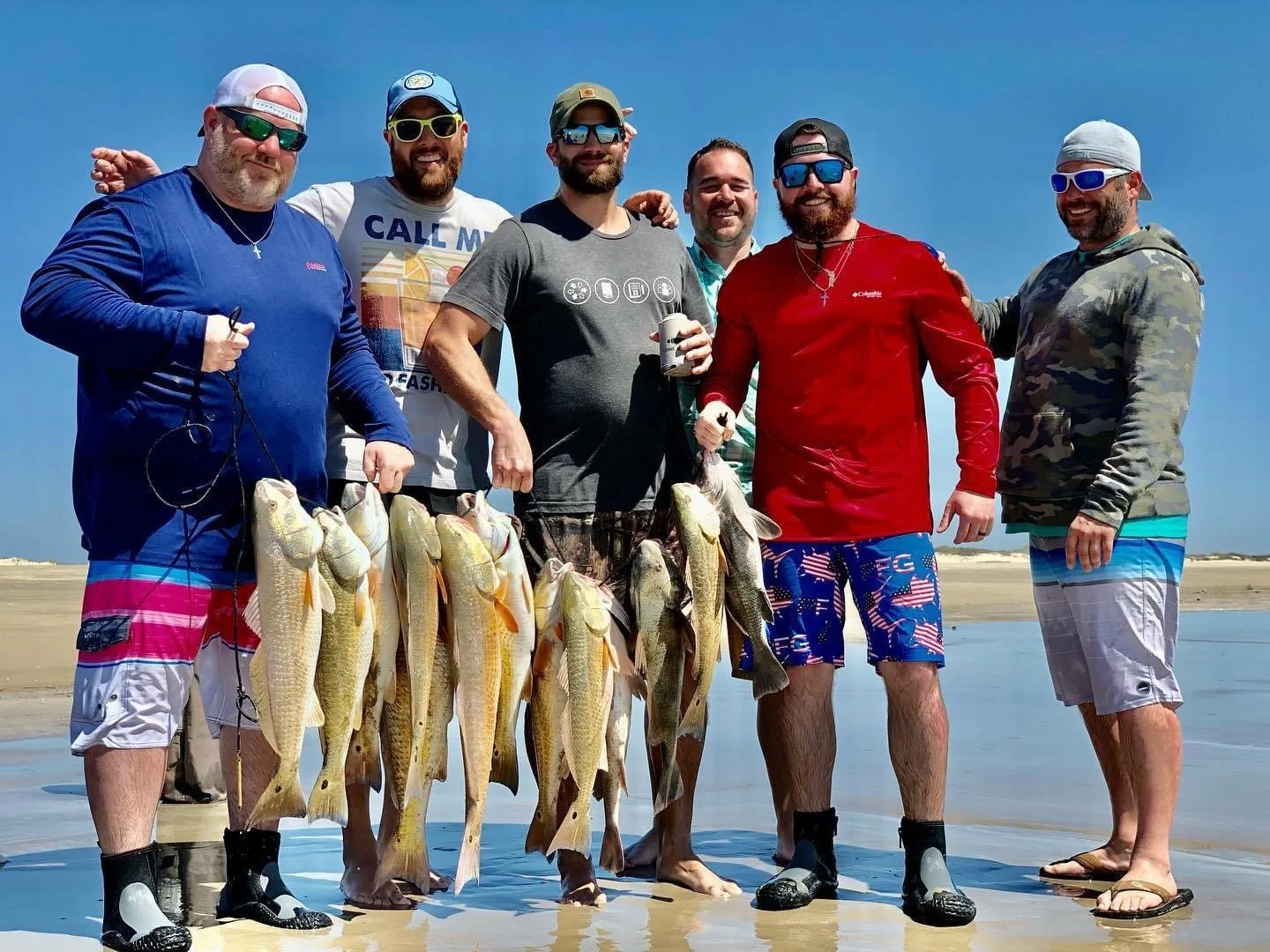
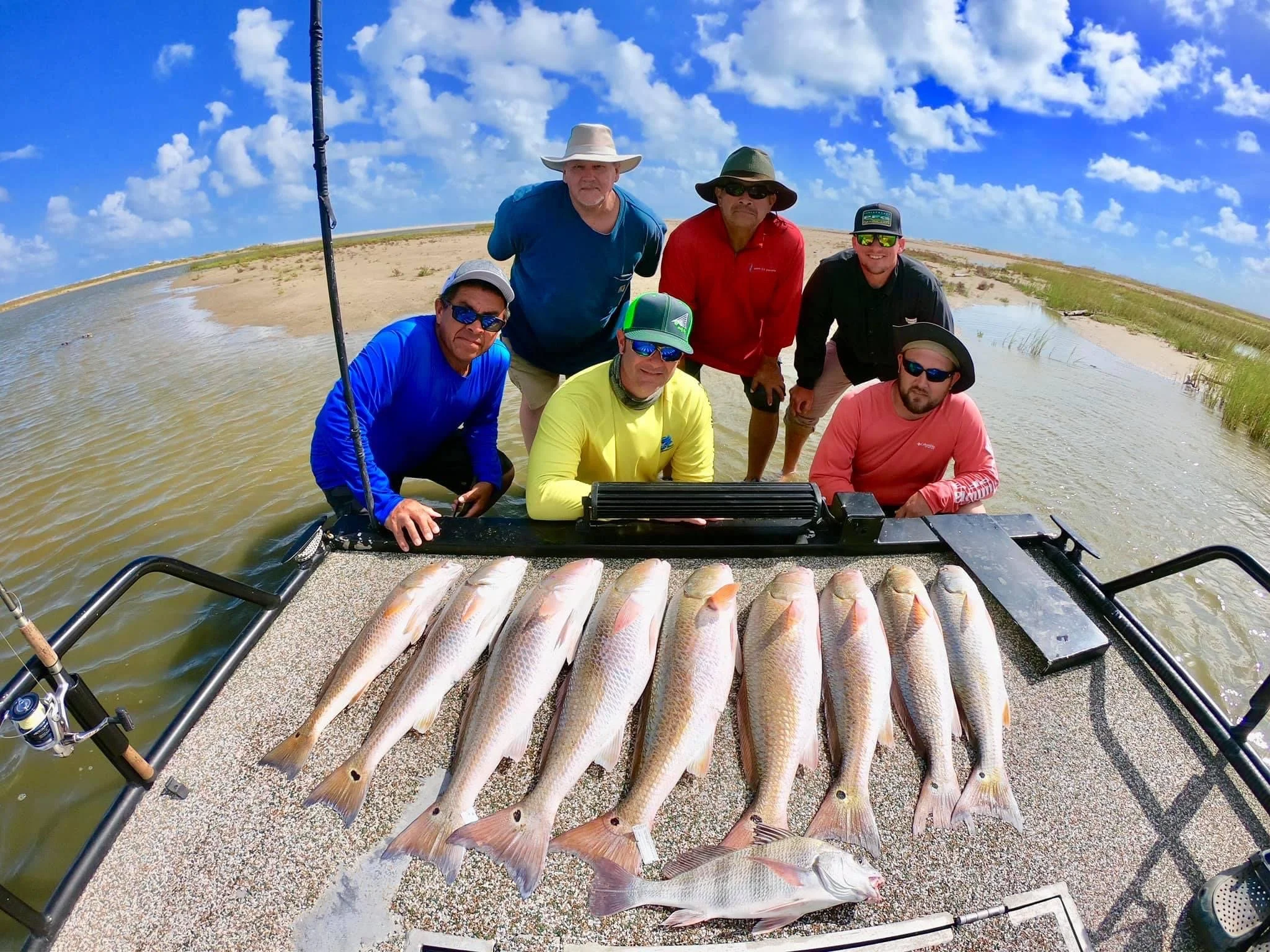
Both styles work well. A boat helps you cover shoreline and drains. Wading can be great when reds are tailing, pushing bait, or holding on a calm shallow flat.
Black drum
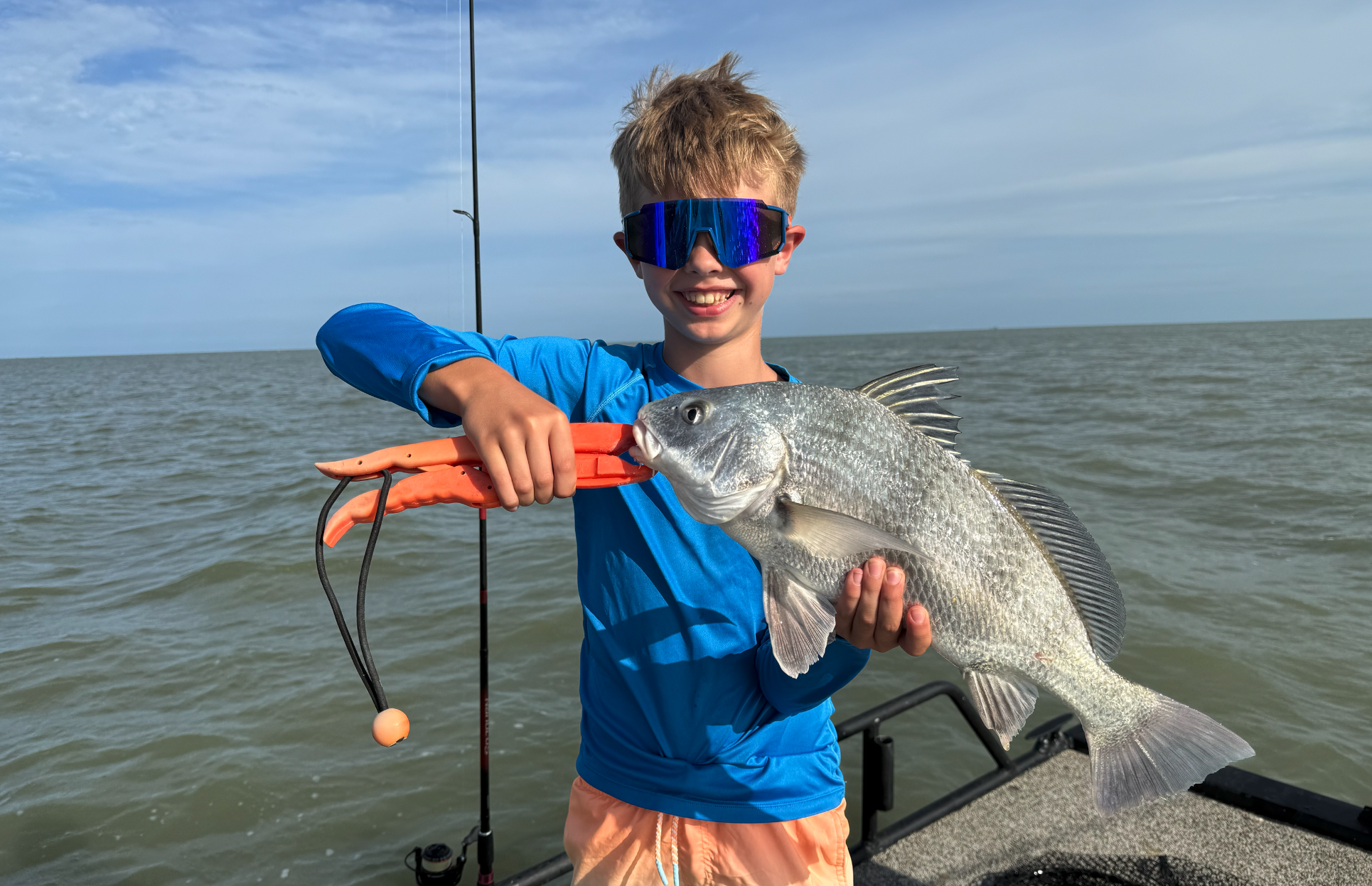
Boat fishing usually gets the nod because drum often hold deeper or lower in the water column, especially around holes, guts, and edges.
Flounder
Either style can work. If flounder are tight to drains, ledges, or bottom transitions, the better choice depends on access and whether the area is easier to fish by drifting past it or stepping through it slowly.
So Which Style Fits You Best?
Pick boat fishing if you want to cover water, stay flexible, and keep the trip comfortable. Pick wade fishing if you want a quieter, more hands-on trip and do not mind slowing down to fish one area well.
A lot of anglers end up liking both for different reasons. That is usually the best answer in Rockport too. Conditions change, fish move, and the right style is the one that matches the water in front of you.
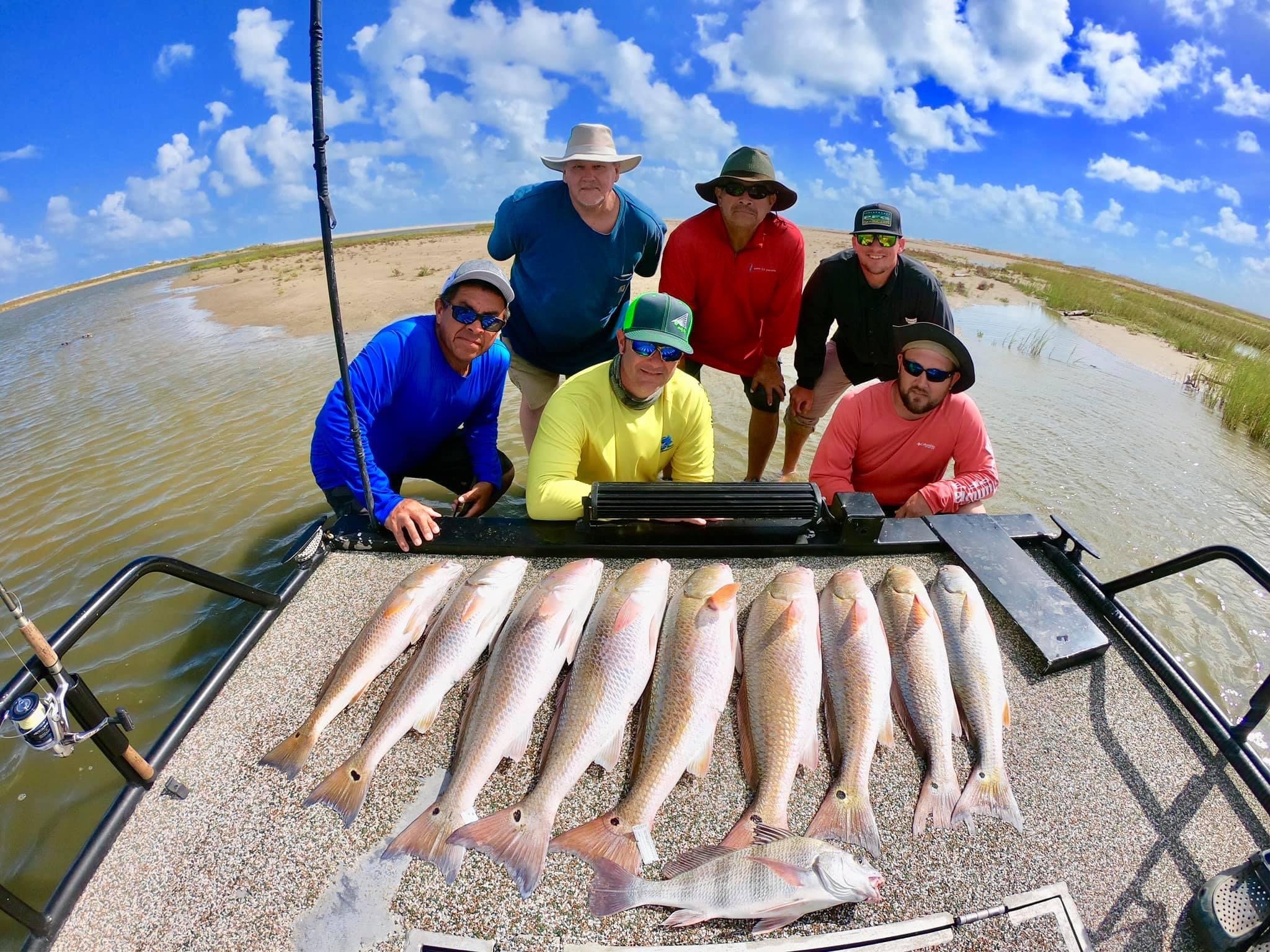
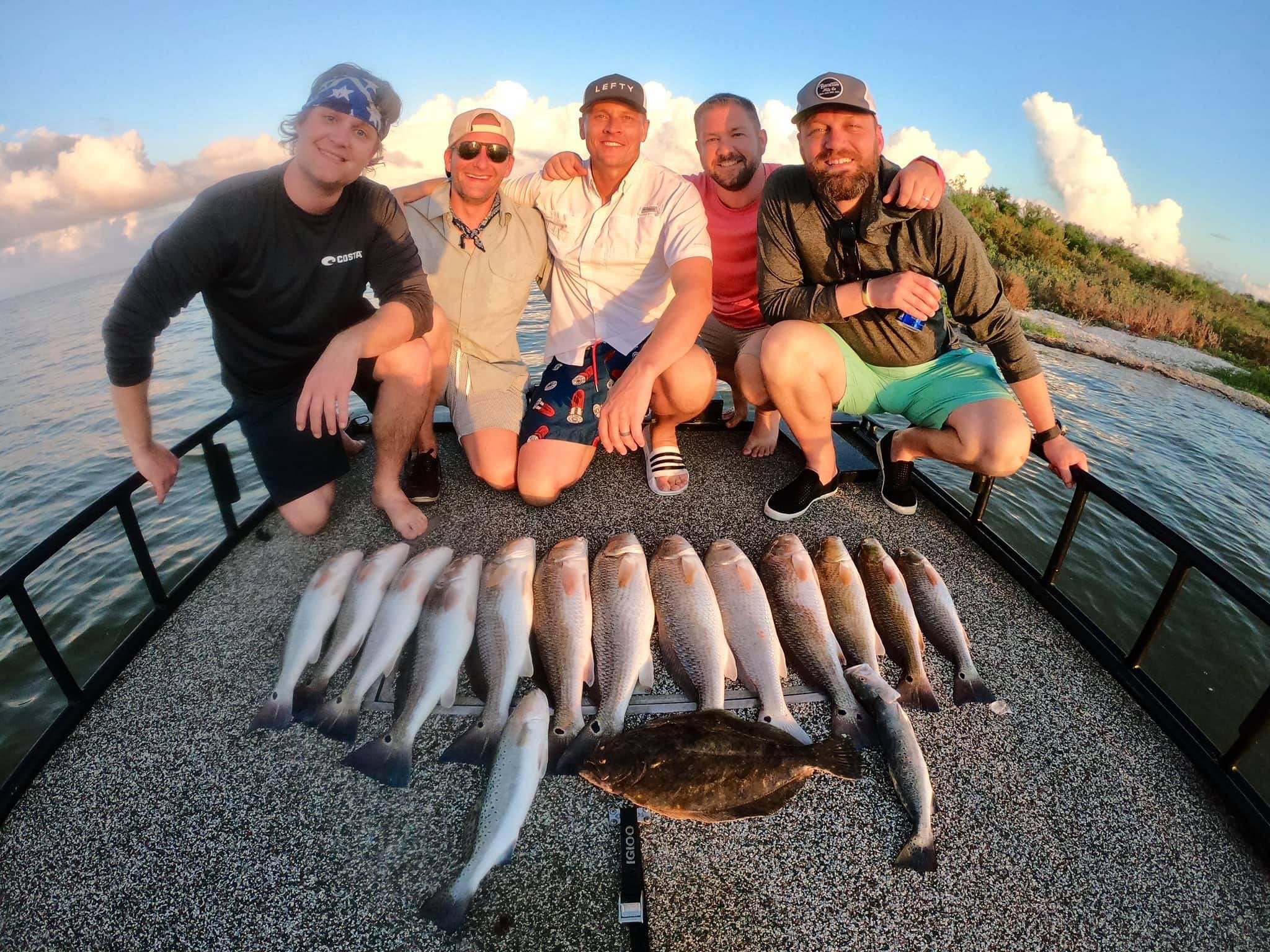



Fish Rockport With A Local Guide
If you want help figuring out which style fits the day, Texas Crew’d offers guided Rockport trips that can match the conditions, target species, and kind of experience you want. That is the easiest way to learn whether boat fishing or wade fishing feels like the better fit for your next inshore trip. Contact us today!
Frequently Asked Questions
-
Not across the board. Wade fishing is often better for stealth in shallow water, while boat fishing is usually better for covering water and adjusting when fish move.
-
Yes, as long as it is done carefully. Good footwear, a slow pace, weather awareness, and the habit of shuffling your feet all make a big difference.
-
It depends on where the trout are holding. If they are shallow and spooky, wading can be a great fit. If they are sliding between flats and deeper edges, a boat usually gives you more control.
-
No. Redfish can be caught by boat or by wading, depending on where they are feeding and how easy the area is to reach.
-
Boat fishing usually makes more sense when wind is up, fish are moving around, or you want to fish several different depths and areas in one trip.