
Best Wind for Rockport Inshore Fishing (And How We Adjust)
Rockport fishing inshore is all about clean water and controlled drifts in Rockport, so you usually want a steady breeze, not a blow.
6 to 15 mph is the sweet spot for most drift-fishing setups. It moves the boat without turning every cast into a rodeo.
Direction matters less than where it stacks wind and waves in Aransas Bay.
When wind is strong, expect more dirty water on soft bottom because wind waves can stir sediment and raise turbidity, especially along wave-hit shorelines (see: how wind and waves can increase turbidity in shallow estuaries).
What wind changes in Aransas Bay
1) Water clarity (why your best spot can turn into chocolate milk)
Wind does two things fast: it builds wave chop and it pushes water across shallow flats. In a shallow bay, that chop can lift bottom sediment into the water column, which is one of the main reasons visibility drops when it stays windy (reference: wind-driven waves and resuspension).
Bottom type matters:
Grass and firmer bottom usually holds better than soft mud.
Seagrass helps stabilize sediment and can improve water clarity on many flats (overview: Texas seagrass and why it matters).
2) Drift speed (how wind can help or wreck your presentation)
A little wind makes a drift clean and repeatable. Too much wind can:
speed up your drift,
pull your boat off the line,
and make it hard to keep a lure in the strike zone.
Simple fixes that keep you fishing instead of fighting the boat:
quarter the wind (do not run straight downwind every time),
shorten drifts,
use a drift sock when needed.
3) Bait positioning (why the shoreline bite can light up)
Here is the part most serious anglers already know, but it still gets missed: wind pushes bait. When wind blows onto a shoreline, bait can stack in pockets, cuts, and along points. Predators slide in behind it.
That is why our go-to adjustment is simple: we fish wind-blown shorelines for the bait push, as long as we can keep decent visibility and make clean casts.
If wind does X, we do Y (Rockport playbook)
How to check wind in Rockport (the right way)
Skip the generic forecast box. Use a station close to the bay so you are reading what the water is feeling. A reliable starting point is the Rockport area station data on NOAA Tides and Currents.
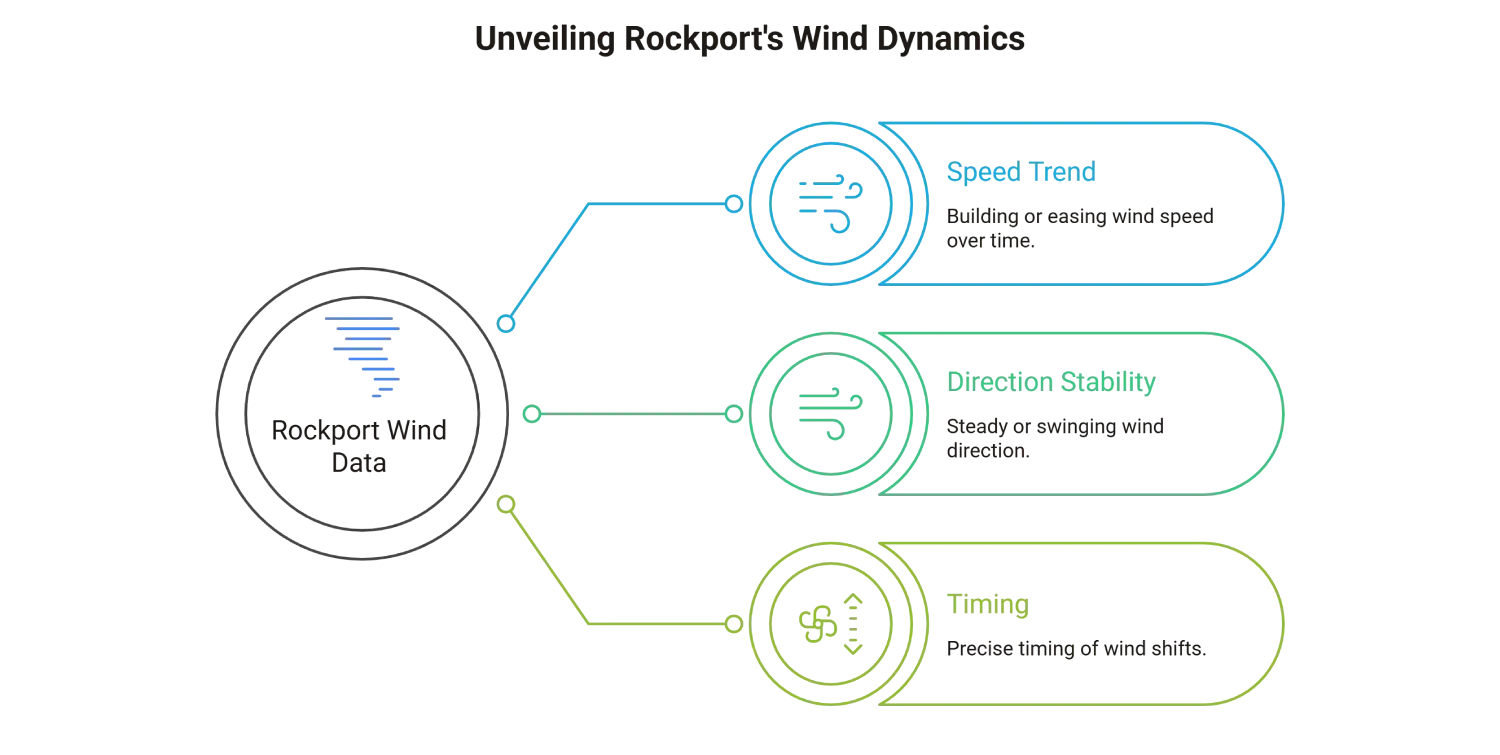
When you check it, look for:
Speed trend: building or easing
Direction stability: steady or swinging
Timing: when the shift hits, not just the daily average
| Wind situation | What it does | Our adjustment in Aransas Bay |
|---|---|---|
| 0–5 mph and variable | Tough to drift, boat control matters | Slow down, work tighter zones, use the trolling motor more |
| 6–15 mph steady | Best drift control for most days | Set long, clean drifts across edges, then repeat the productive line |
| 16+ mph steady | Faster drifts and more stirred bottom | Get on a protected bank, shorten drifts, and lean into wind-blown structure where bait gathers |
| Big direction shift mid-trip | Your clean water can flip fast | Move with the clean water, reset your drift line, and keep it simple |
3 quick rules
Find the cleanest water first, then pick the spot.
If you cannot control your drift, shorten it.
Wind-blown shorelines are money when bait is present.



Want us to call the spot for your date?
We keep it simple. You tell us your date and your crew, and we match the plan to the wind and water that day. Contact us and we will get you on the right shoreline with the cleanest water we can find.
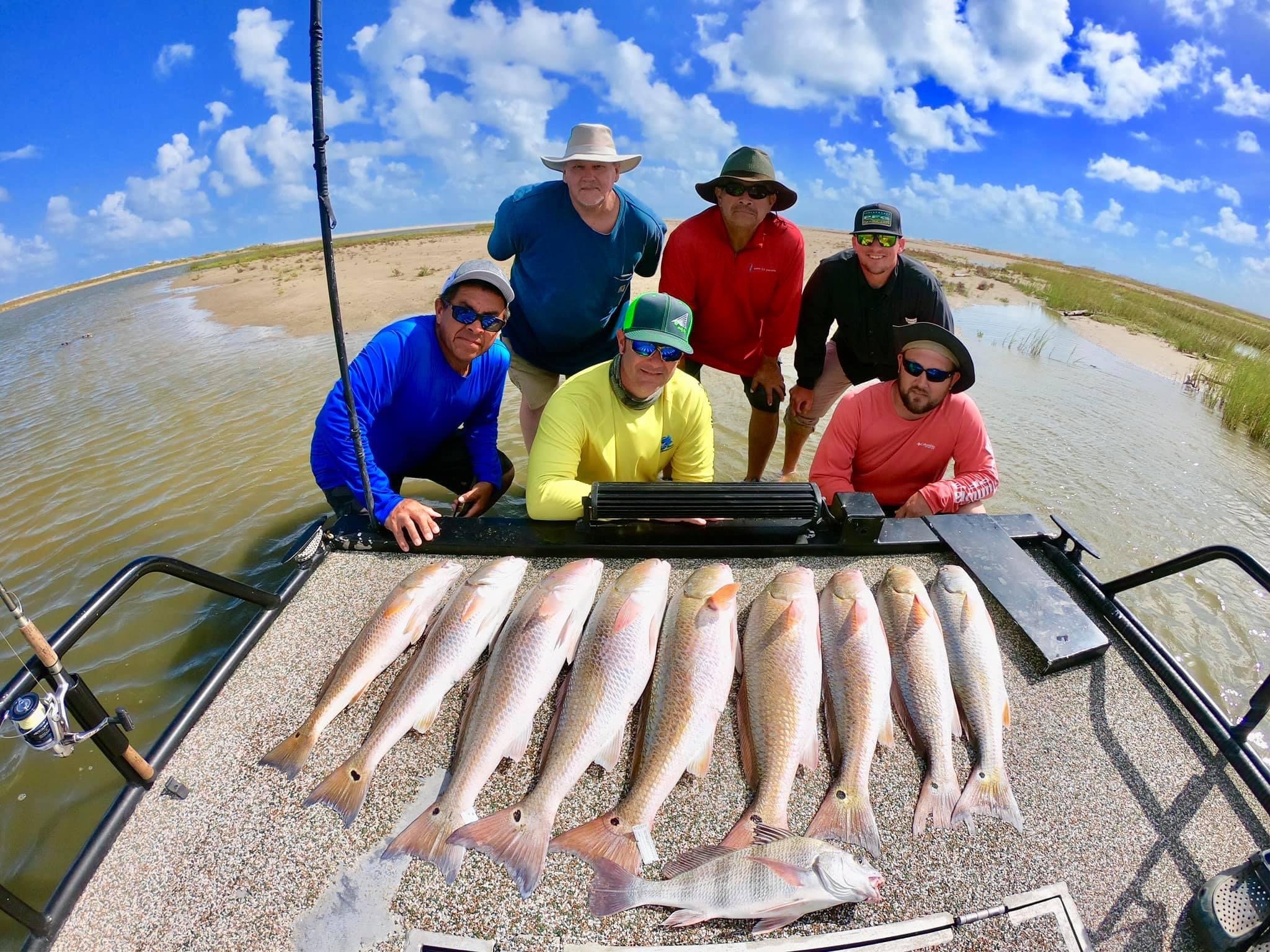
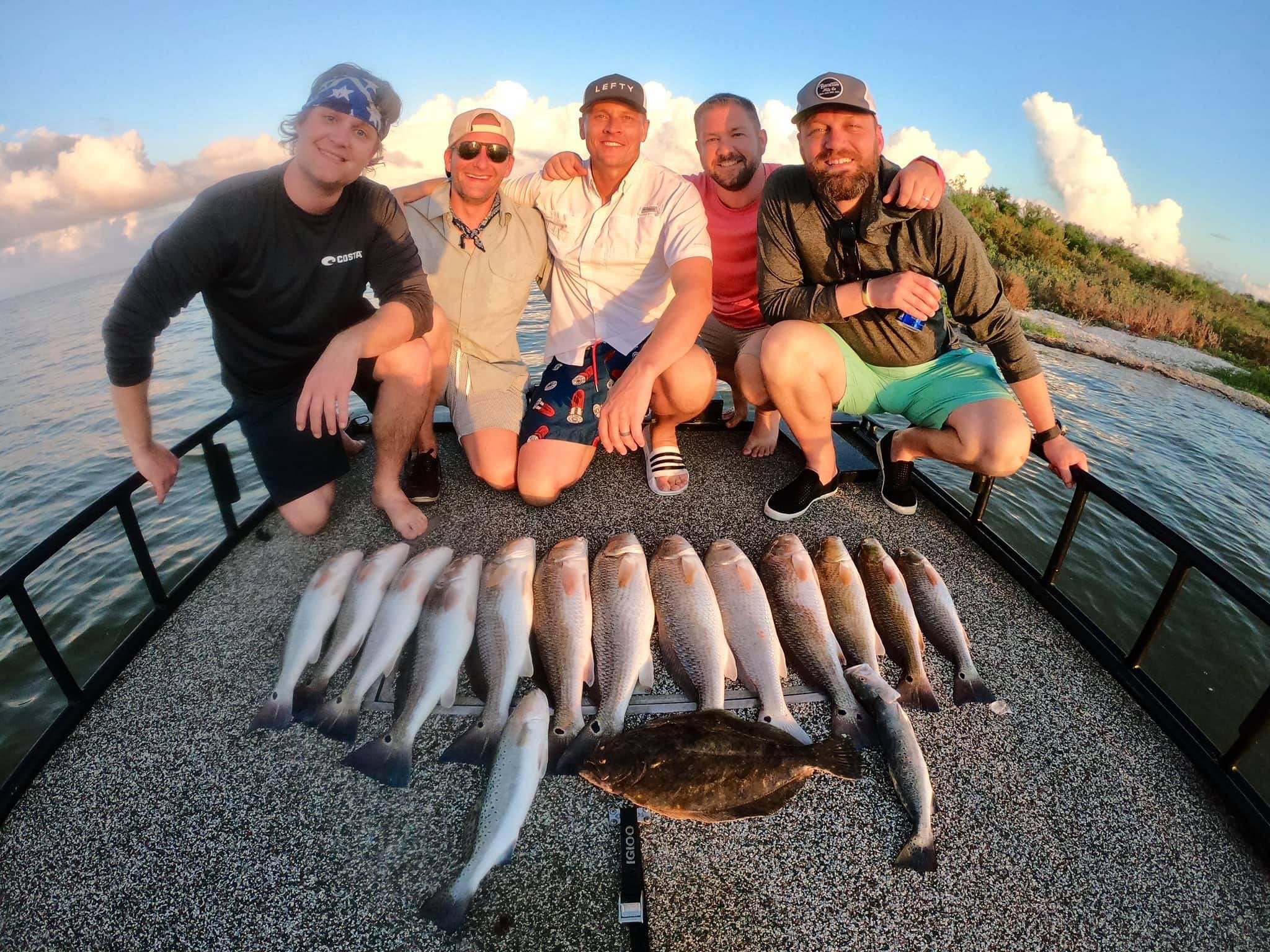
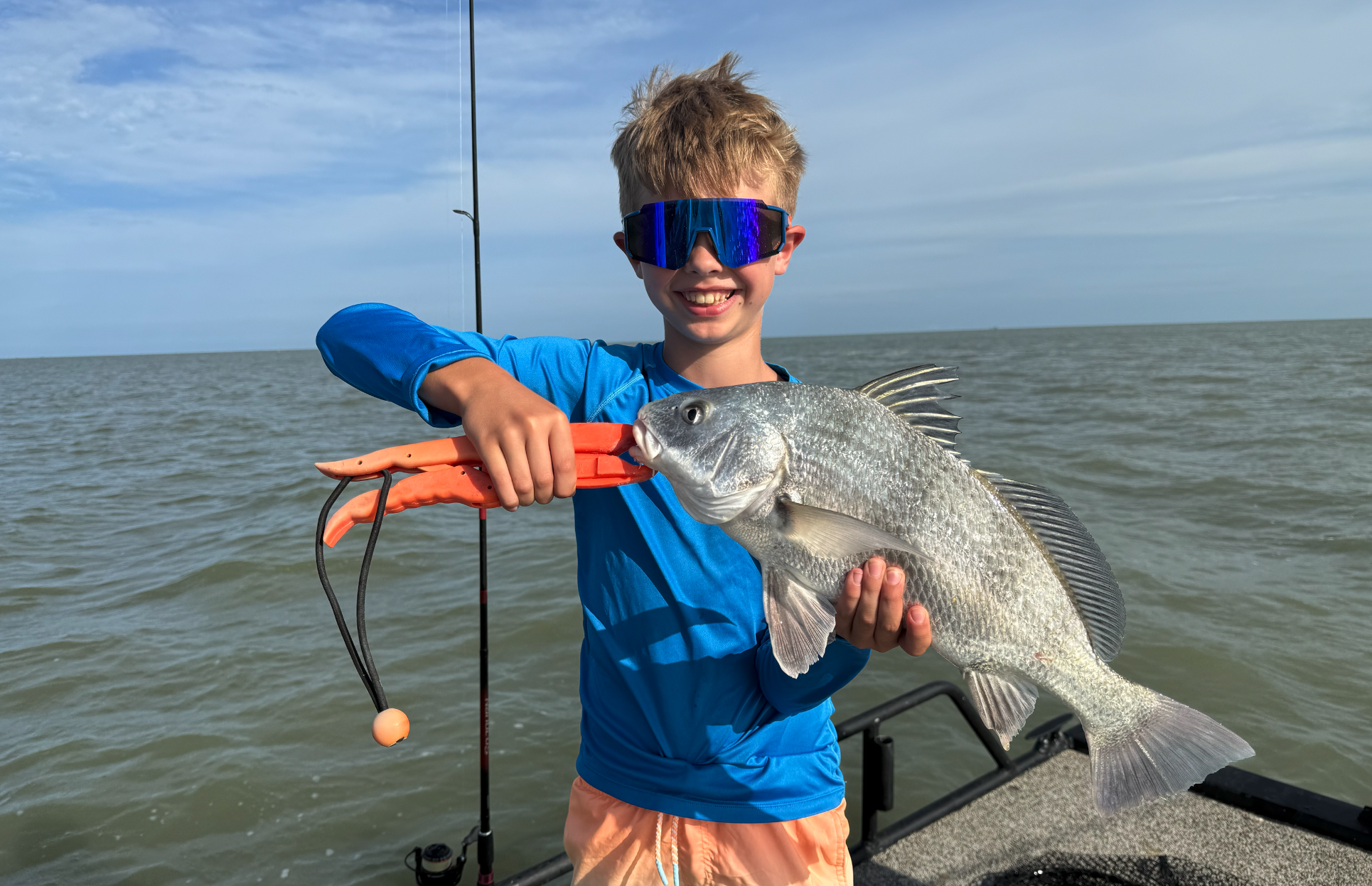
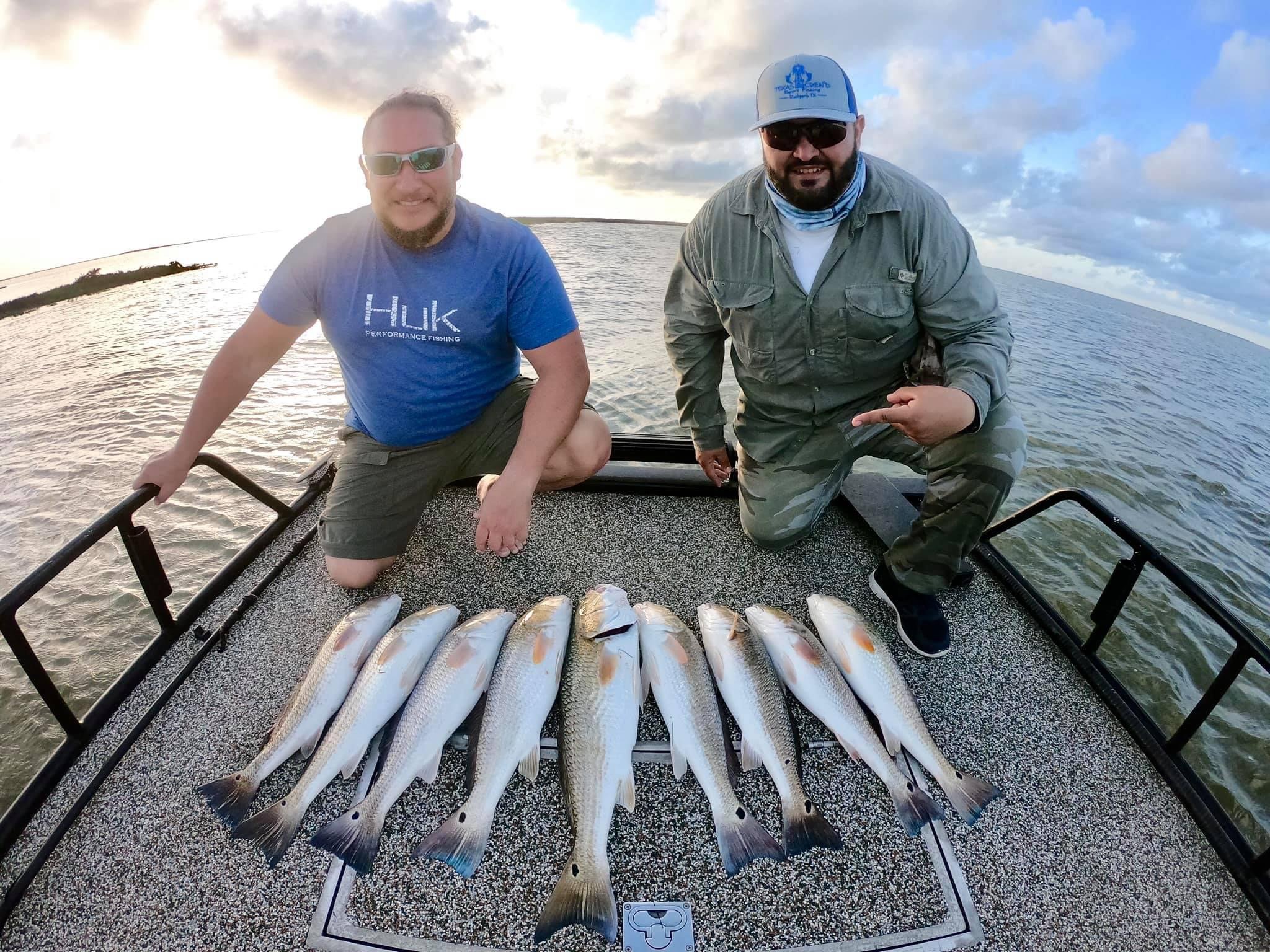
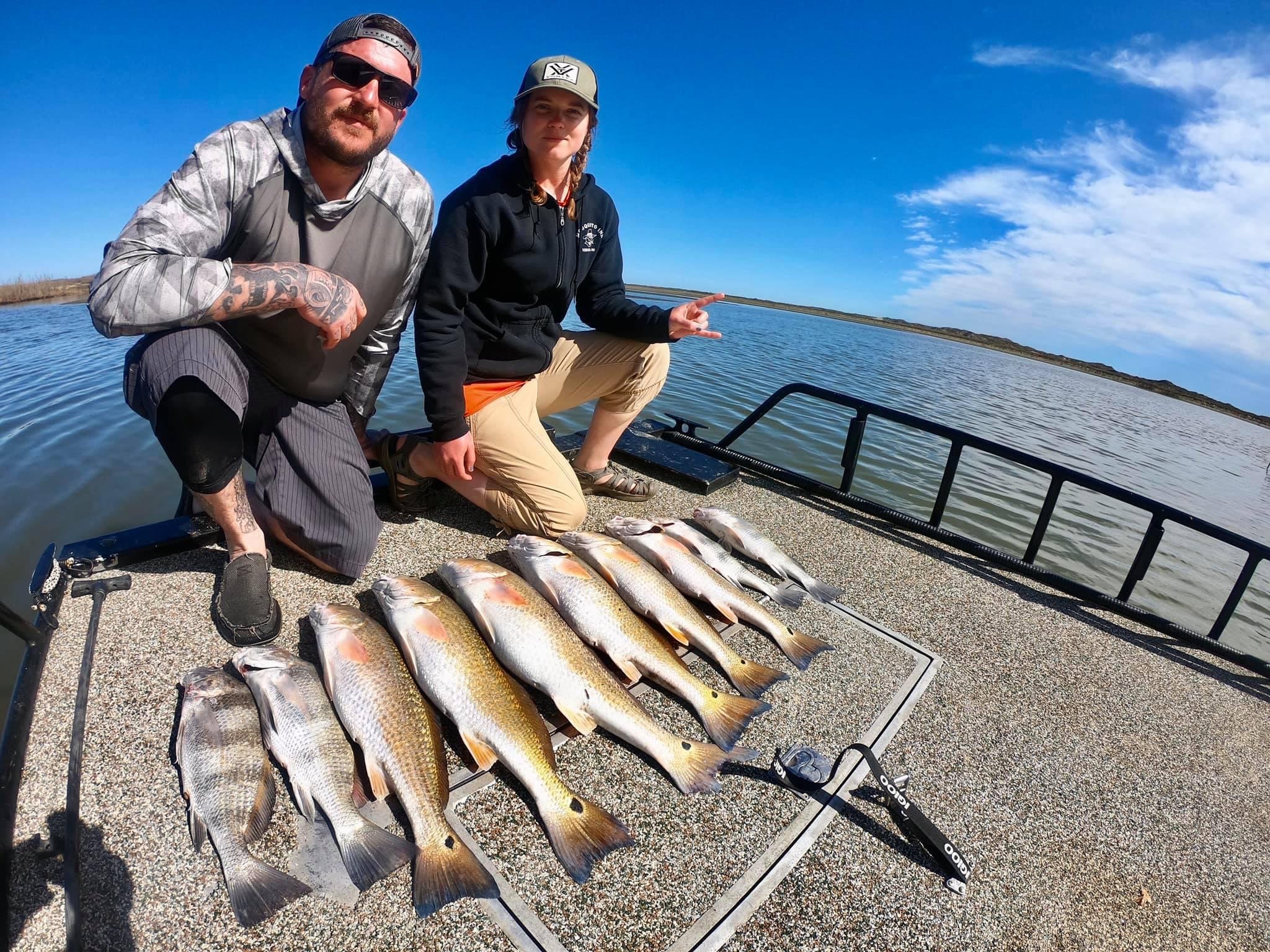
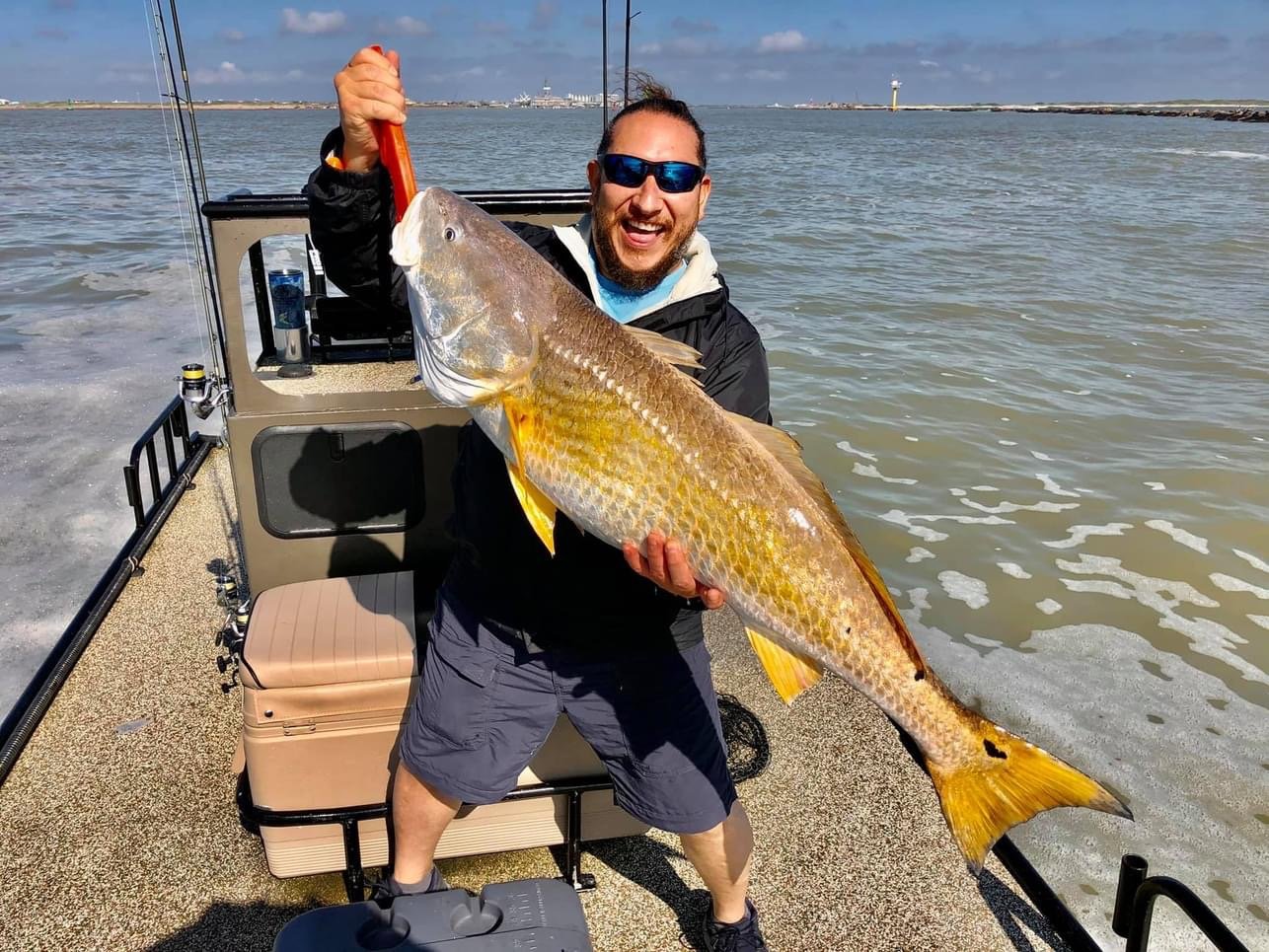
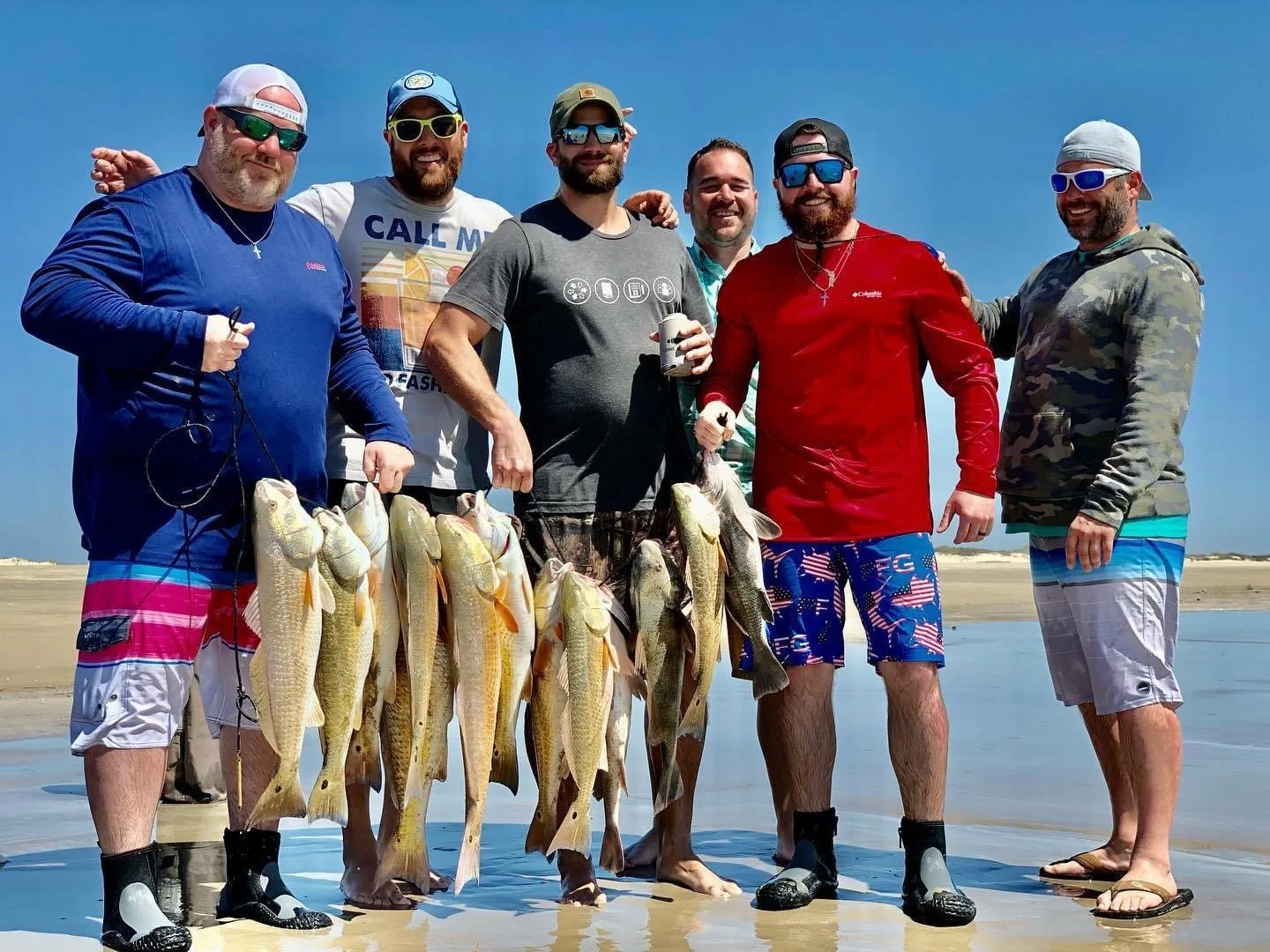
On our Rockport Inshore Fishing trips, we chase redfish, speckled trout, black drum, and flounder, and we supply rods, reels, tackle, and bait so you can focus on fishing. Contact us today!
Frequently asked questions
-
Most anglers like a steady breeze that keeps the boat moving without blowing you off your line. If it is calm, boat control becomes the whole game. If it is howling, you fish shorter and tighter.
-
If the water is still clean enough to see your lure and your bait, the wind-blown side can load up with action because bait gets pushed there. If it turns too dirty, slide to the protected side and focus on cleaner edges.
-
It can clear faster than many people think once the chop lays down, especially on firmer bottom. If the wind stays down, you can often slide back out from protected water and re-check your best drifts.
-
The lineup stays focused on the main inshore species we cover above. Tell us what you want to chase and we will set the plan around the conditions.
-
Bring what keeps you comfortable and fishing: sun protection, a light jacket if a front is near, and drinks or snacks you like. Wind usually means more spray, so pack a dry bag for anything you do not want wet.