
Beginner Rockport Inshore Charter: Coaching + Simple Techniques
Rockport fishing inshore is one of the fastest ways for beginners to feel a bite, learn the basics, and actually enjoy the day (without getting overloaded with gear talk).
This guide breaks down what you’ll learn on an inshore charter, the simple techniques your captain will lean on, and how the day is structured to build confidence and put fish in the boat.
What you’ll learn fast on a Rockport inshore charter
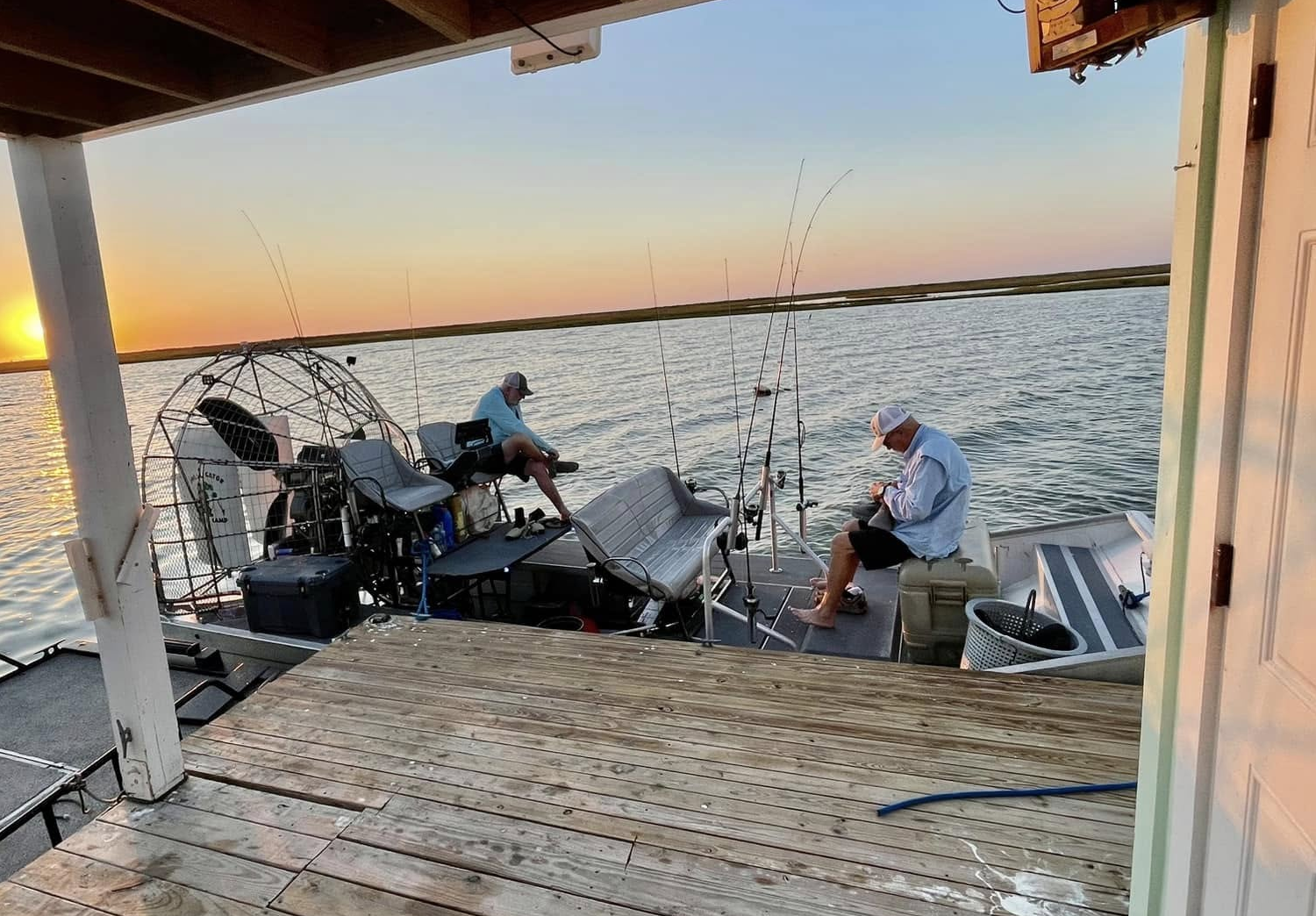
A good beginner trip is not about “perfect.” It’s about repeating a few simple moves until they feel natural.
Here’s what most first-timers improve the quickest:
1) Casting (the easy version)
You don’t need hero casts. You need clean, controlled casts that land where the fish are.
A solid place to start is the beginner-friendly casting tips and tackle basics in Texas Parks & Wildlife’s “Fish Texas” guide, which covers simple casting mechanics, basic tackle setup, knot tying, and safe handling. Texas Parks & Wildlife beginner fishing guide
What your guide will coach in real time:
Keep your eyes on the target (not the lure)
Shorten the cast if accuracy drops
Smooth motion beats fast motion
2) Lure cadence (how to move it)
“Cadence” is just your rhythm: how fast you reel, when you pause, and how your rod tip moves.
If you’ve never fished a lure before, a simple cast-and-retrieve approach is a great baseline, and Take Me Fishing explains how changing retrieve speed and adding pauses can trigger strikes. Cast-and-retrieve basics for lures
Beginner-friendly cadence that works on a charter:
Start steady for 3–5 seconds
Add a short pause
Repeat until the lure is back to the boat
3) Hooksets (how to stop missing fish)
Beginners usually miss fish for one of two reasons: they set the hook too early, or they create slack.
Your captain will keep it simple: “Stay tight and keep reeling until the rod loads, then pull.” That one change fixes most misses without turning it into a science project.
4) Landing the fish (calm and controlled)
Once you hook up, the goal is steady pressure.
Your guide will talk you through:
Keeping the rod bent
Not grabbing the line
Letting the drag do its job
5) Fish care (quick, safe, and respectful)
Even if you’re keeping some fish, there are moments where you’ll release fish—especially undersized fish.
NOAA’s catch-and-release best practices are simple: minimize air exposure, handle fish with wet hands when possible, and avoid dragging fish across dry surfaces.NOAA catch-and-release best practices
The simplest high-percentage tactics guides lean on
A beginner-friendly charter is built around high-percentage choices—spots and techniques that give you more “real chances” per hour.
Fish obvious targets, not random water
Your captain will usually focus on places that naturally line up bait and fish. For beginners, that matters because it gives you a clear target and a repeatable cast.
Common “easy to understand” targets include:
Edges where bottom changes (grass to sand)
Small openings in cover
Subtle depth dips and lanes
One lure, one plan
On many beginner trips, the best move is staying with one setup long enough to learn it.
When you keep switching, you get fewer clean reps. When you repeat the same cast and cadence, you learn faster—and confidence shows up.
Short casts beat long casts
This is a big one for new anglers.
A shorter, controlled cast lets you:
Stay accurate
Spend more time retrieving in the strike zone
Avoid backlashes and tangles
Repeat the drift or the line that worked
When the boat gets a bite (or a few bites), guides often repeat the same line through the area. That repetition is your friend because it removes guesswork.
How guides structure the day to build confidence
A great beginner trip has a simple rhythm:
Get comfortable
Get the first bite
Build repeatable technique
Adjust in small steps
A quick meet-up and setup
Most of the “busy work” is handled for you: tackle is rigged, rods are ready, and the plan is based on conditions.
You show up, listen to a short rundown, and start fishing.
A 5–10 minute warm-up (that actually helps)
This is where guides earn their keep.
Instead of telling you ten things, they fix one thing at a time:
Where your hands sit on the rod
Where you aim
How fast you’re retrieving
The early-game plan: get the first bite
Beginners get better faster when they feel success early.
So guides often start in a place where:
You can make easy casts
You can see the “target” area
You’ll get more chances
The coaching loop
This is how the day stays simple:
You cast
You retrieve
The guide gives one adjustment
You repeat
That’s it.
A quick skills table (so you know what “coaching” looks like)
| Skill | What you do | What your guide watches |
|---|---|---|
| Casting | Aim and land near a target | Accuracy, smooth release, tangles |
| Cadence | Reel steady + pause | Speed, pauses, lure depth |
| Hookset | Stay tight, then pull | Slack, timing, rod load |
| Landing | Keep pressure, stay calm | Rod angle, drag use |
| Fish care | Quick unhook + safe handling | Air time, grip, release readiness |
Three beginner problems (and the fix your guide will coach)

“I keep snagging.”
Fixes usually come from one of these:
Raise the rod tip a bit
Slow down and add shorter pauses
Cast to cleaner lanes until you get comfortable
“I’m getting bites but missing fish.”
Most misses are a timing issue.
Your guide will likely tell you to keep reeling until you feel solid weight, then pull—no panic jerks.
“My casts are messy.”
This is normal.
The fastest fix is to shorten the cast, slow down, and focus on landing the lure where you can repeat it.
Safety basics (quick and simple)
On a charter, safety is part of the job—and it should feel calm, not stressful.
The U.S. Coast Guard’s boating safety guidance highlights how wearing a properly fitted life jacket can reduce drowning risk in recreational boating accidents. U.S. Coast Guard life jacket guidance
Bring sunglasses, listen to the captain during runs, and step carefully when moving around the boat.
What to bring (and what’s usually handled for you)
Keep it simple:
Sunscreen
Hat
Drinks and snacks you like
Light layers for wind
Polarized sunglasses
If you’re not sure, ask your captain before the trip and keep your bag small.
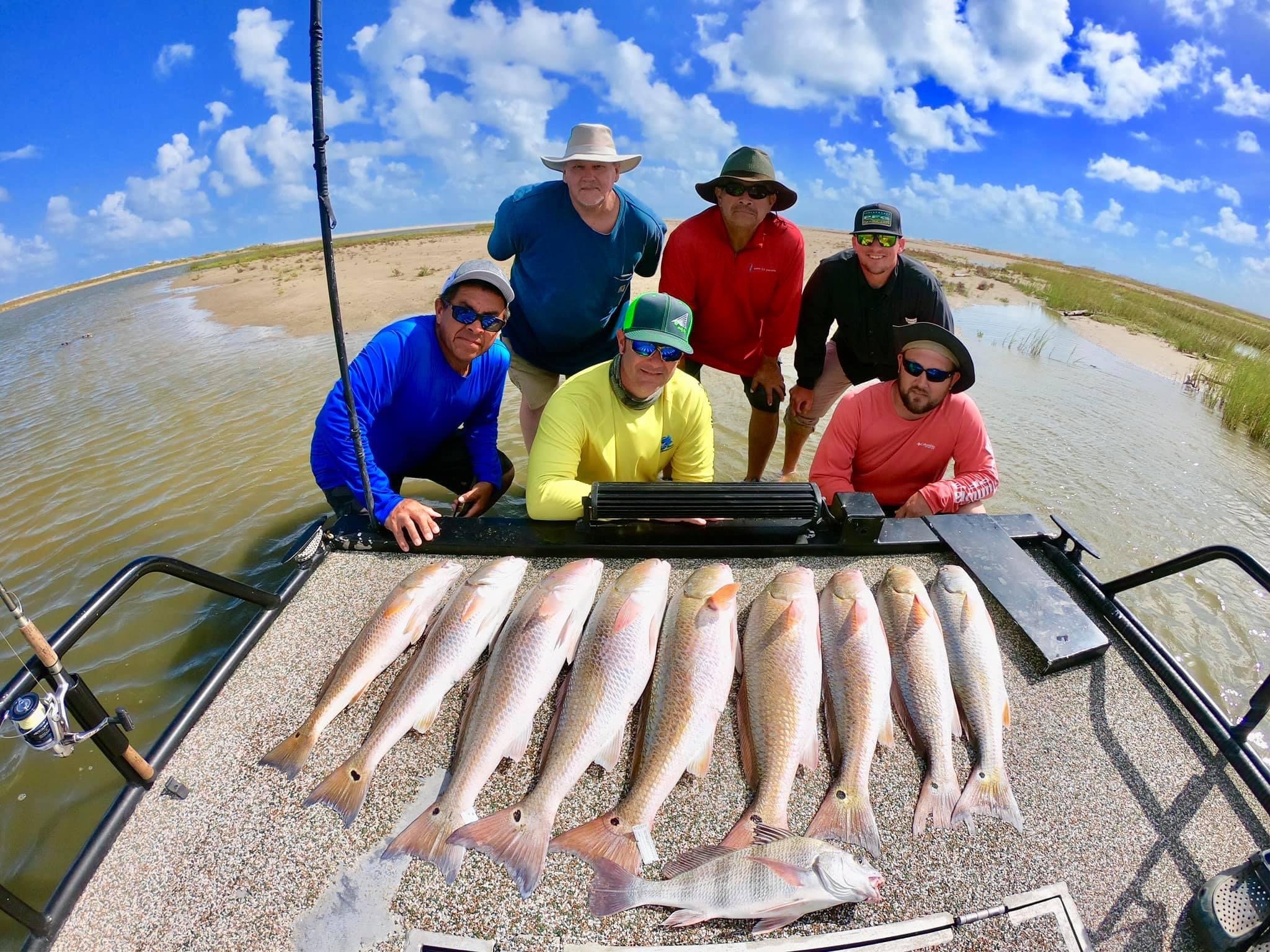
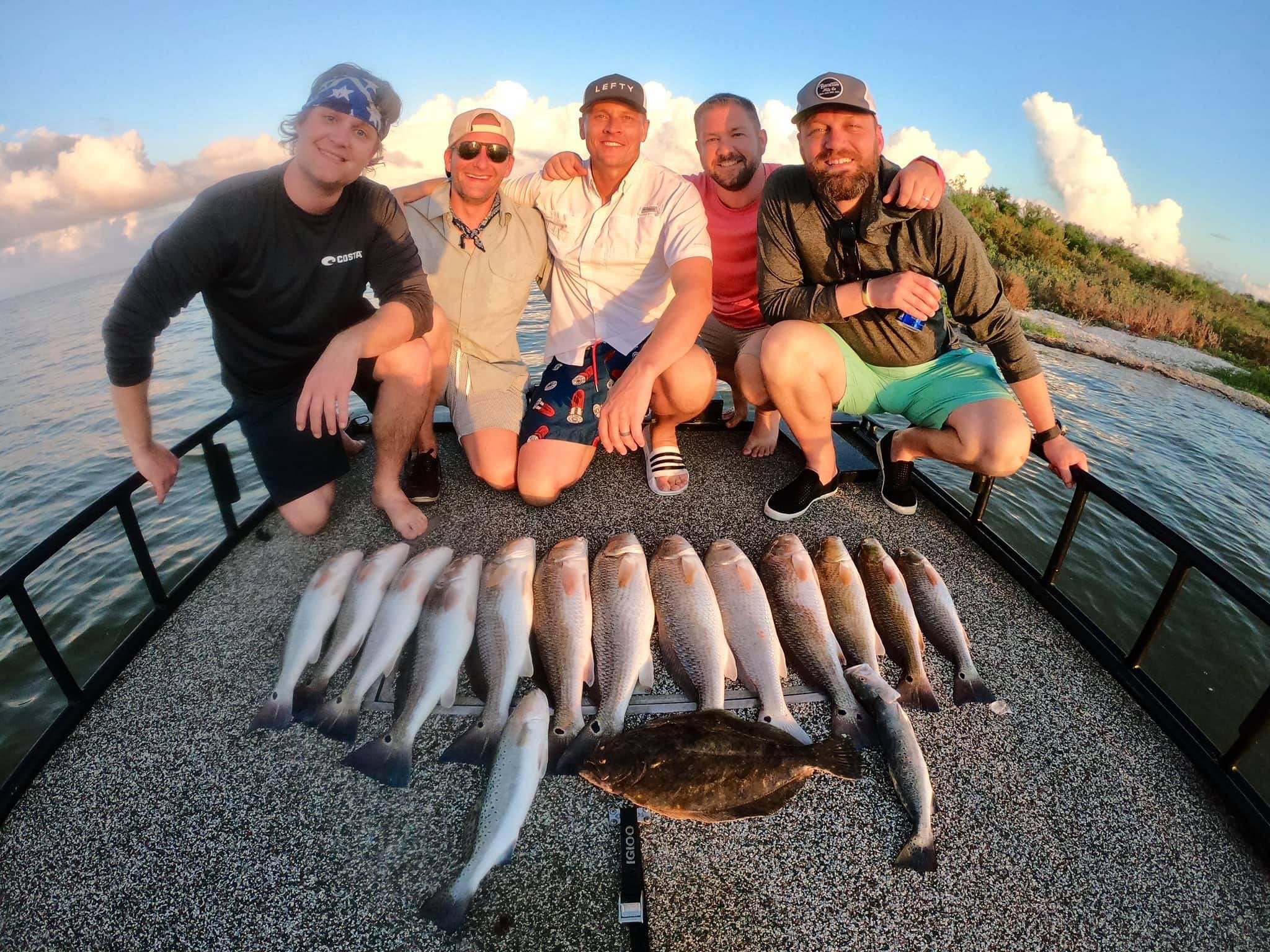

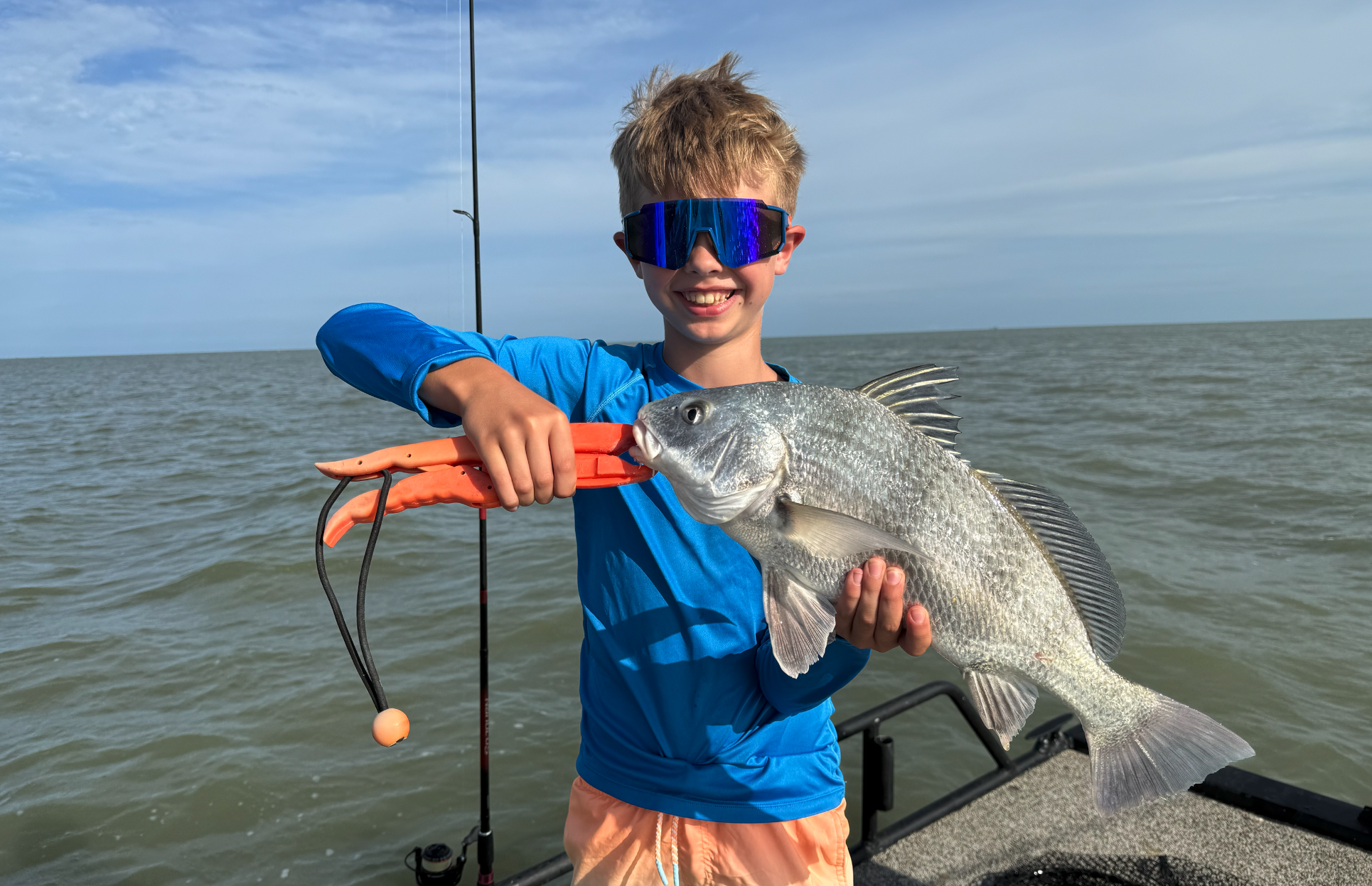
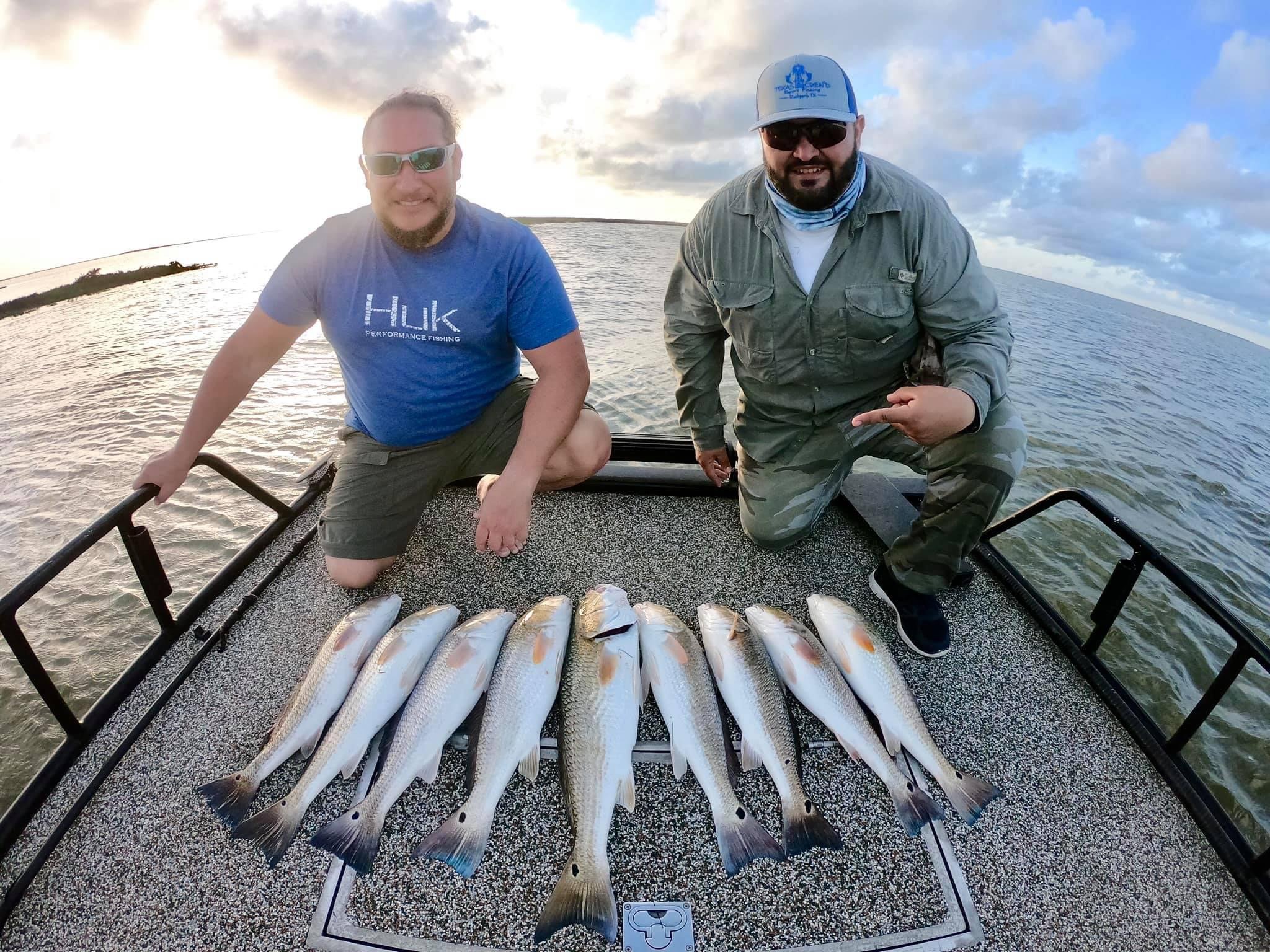
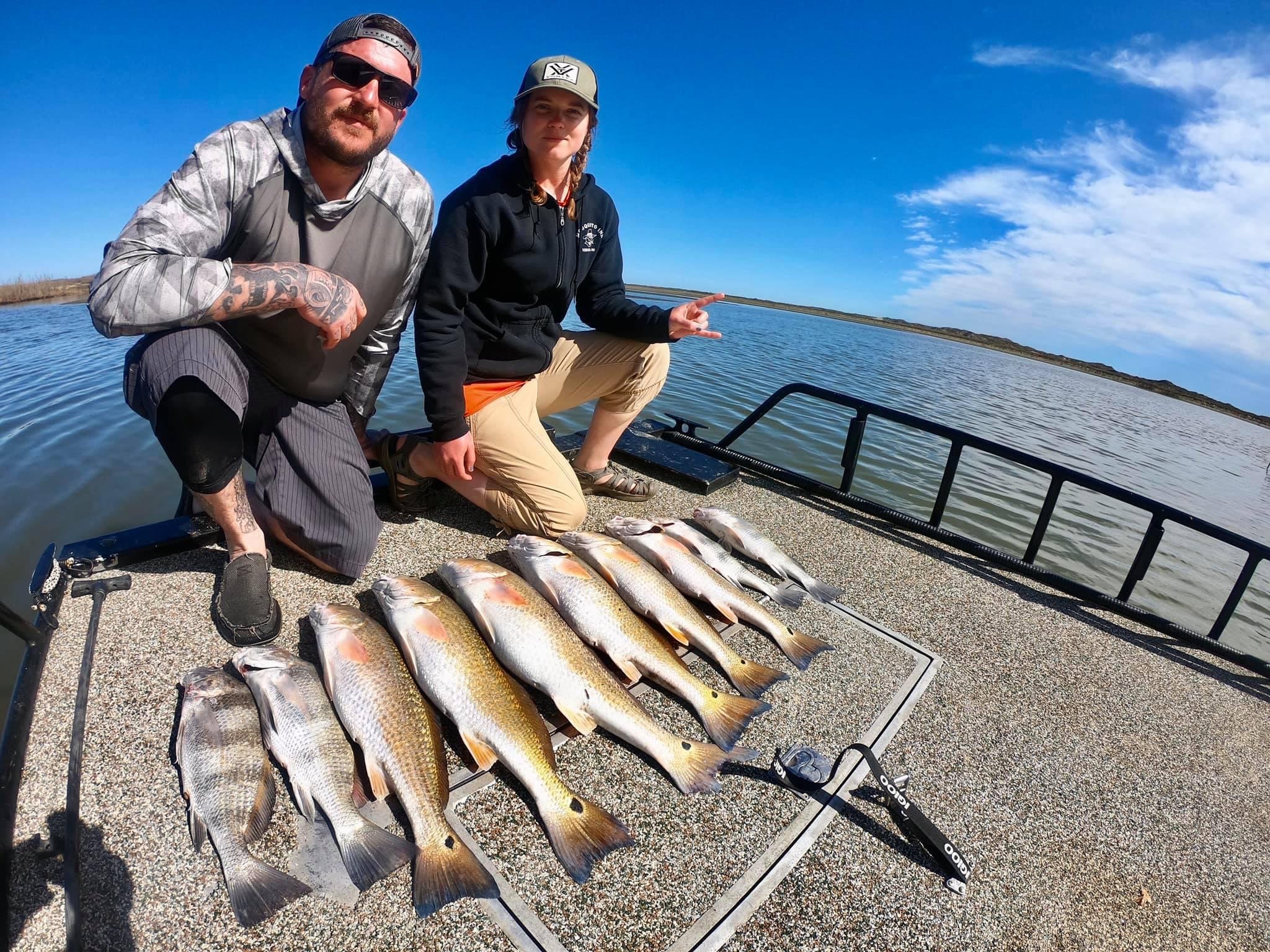
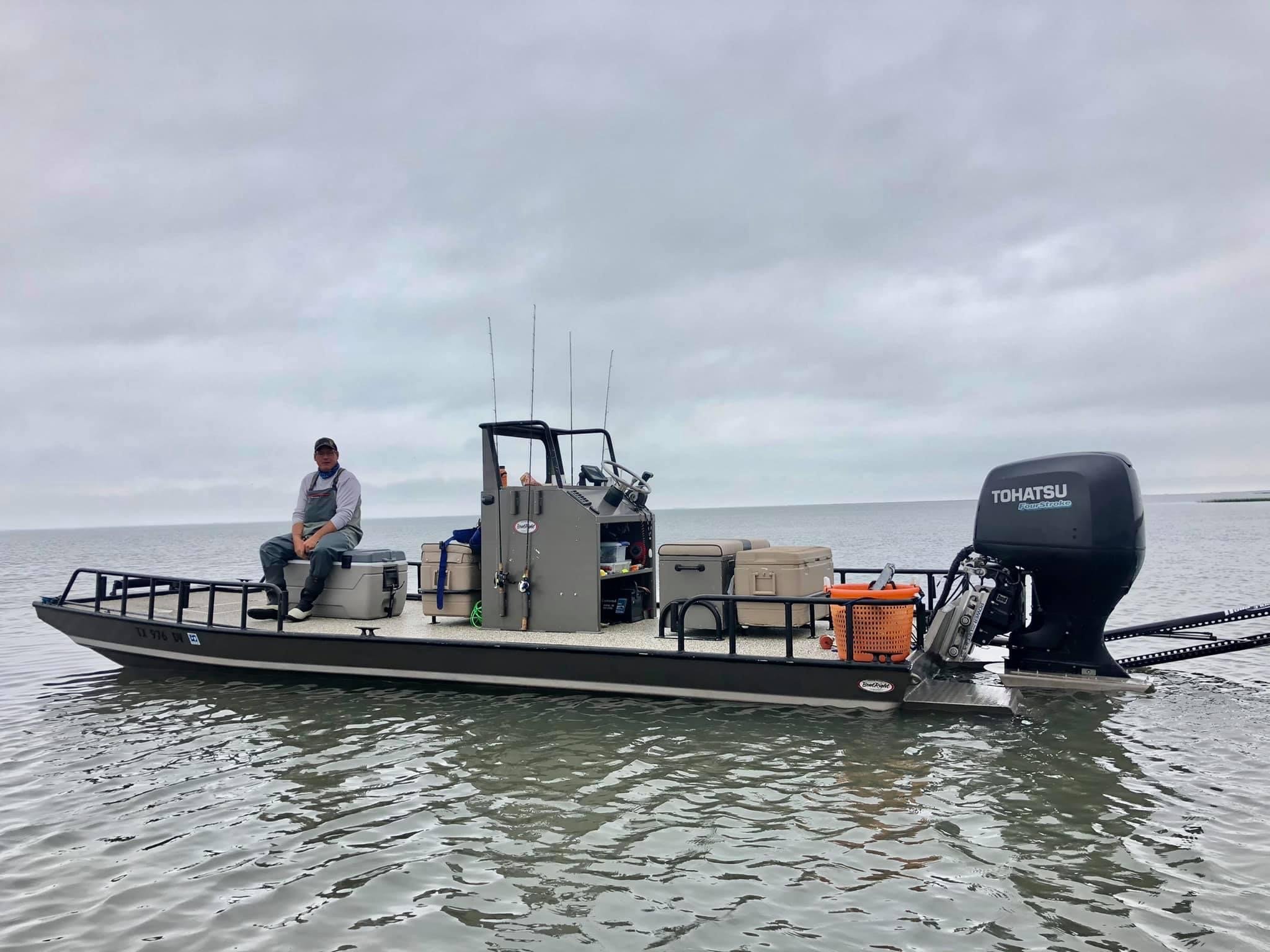
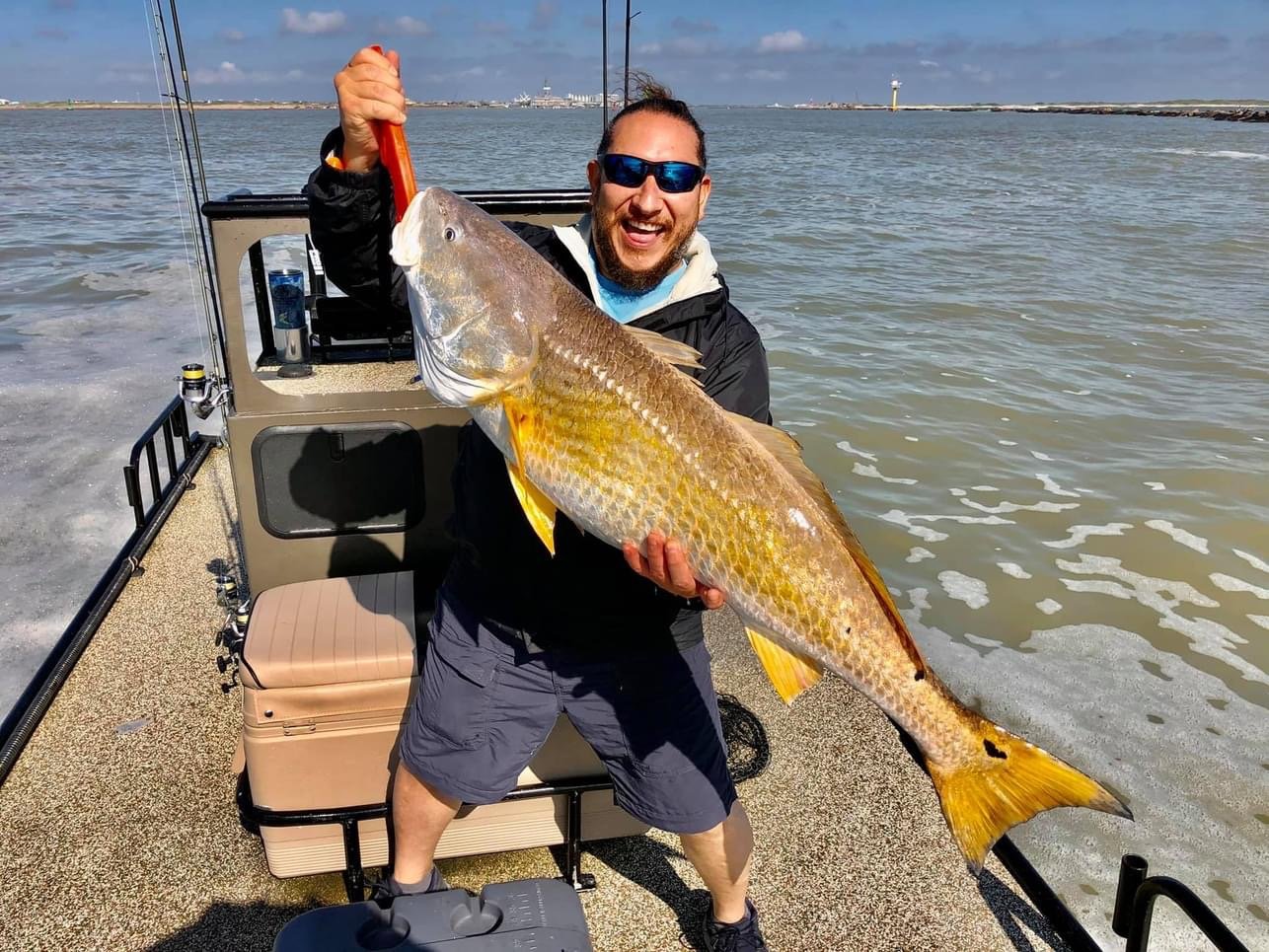


Book Rockport inshore fishing with Texas Crew’d
If you want a beginner-friendly day that stays simple, Texas Crew’d Sport Fishing runs Rockport inshore/bay trips with coaching for first-timers, a family-ready pace, and a turnkey setup that covers the basics (gear plus water and ice), so you can focus on learning and catching. Contact us today!
Frequently Asked Questions
-
No—beginner trips are built for first-timers. Your guide will keep the setup simple and coach you one step at a time so you can relax and learn while you fish.
-
Most coaching is real-time and practical: where to cast, how to retrieve, when to set the hook, and how to land the fish calmly. You’ll usually get one clear adjustment at a time so it’s easy to apply.
-
Start with a steady retrieve and add short pauses. If you’re unsure, copy the rhythm your guide calls out and keep it consistent for a few casts before changing anything.
-
Stay tight and keep reeling until you feel solid weight, then pull smoothly. If you swing too early, you’ll often pull the lure away before the fish has it.
-
Bring sun protection, snacks, drinks, and sunglasses, plus a light layer if it’s breezy. Keep it simple and ask your captain ahead of time if you have questions about weather or comfort.