
Advanced Rockport Inshore Charter: Pattern Fish and Cover Water
If you already know how to cast, work a lure, and handle the basics, an advanced Rockport trip should give you more than a ride to a few fish. It should help you read the bay faster, make cleaner decisions, and waste less time on water that is not setting up right.
That is what this kind of trip is about. We keep it simple and straightforward, but the goal is different. In Rockport fishing inshore, you are not just looking for a bite. You are learning how to build a pattern, cover water with purpose, and make better calls as conditions change.
What “advanced” really means on a Rockport charter
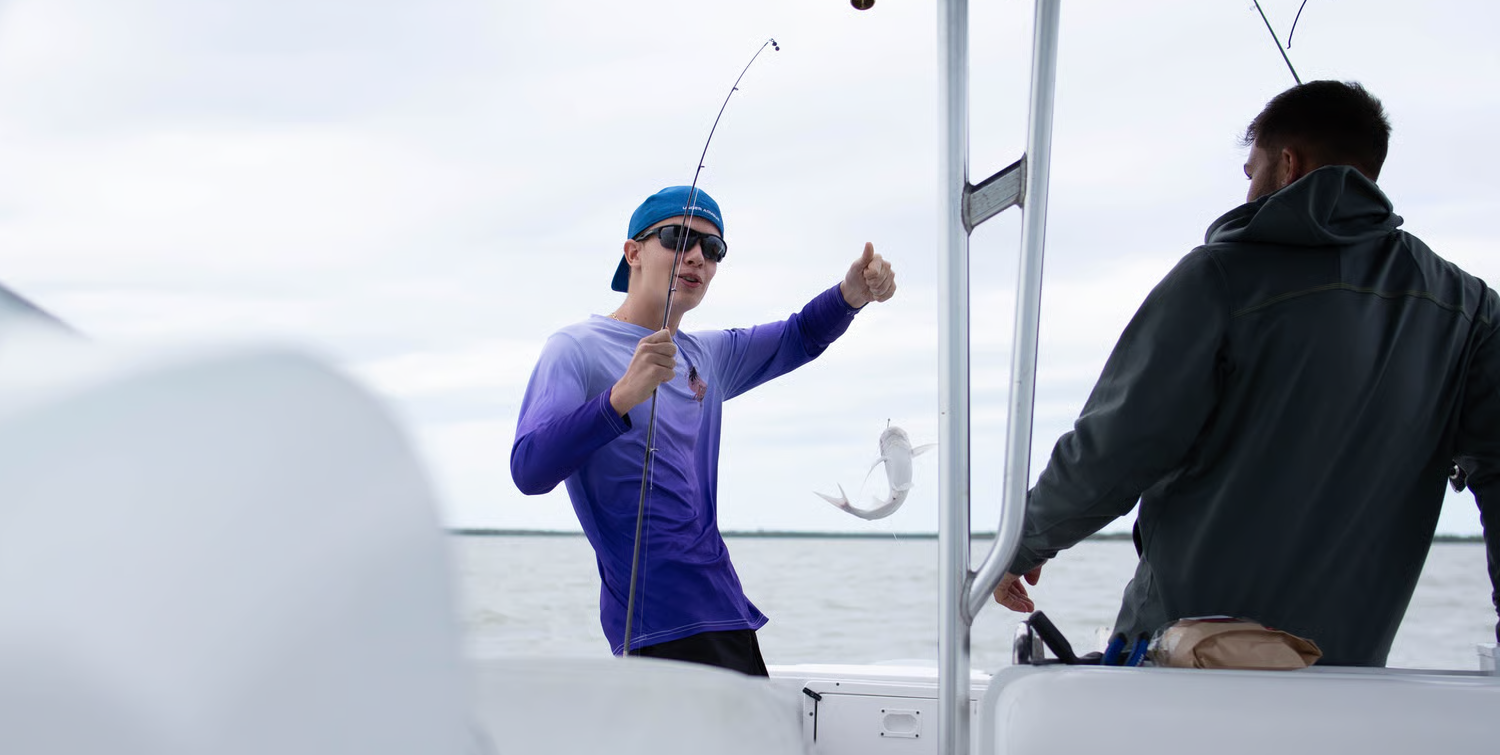
Advanced does not mean complicated. It does not mean you need to be a tournament angler either. It means you want to understand why fish are in one zone, why they slide out of it, and what to change before the bite dies.
A good advanced trip helps you shorten that learning curve. You get faster feedback on your casts, your lure choice, your angle, and your timing. You are getting more than a trip. You are getting a cleaner way to think through the day.
Start with a pattern, not a spot
A lot of anglers start by thinking about a spot. Stronger anglers start with a pattern.
That means asking a few simple questions first:
What is the water doing?
What is the wind doing?
Where is the bait?
What kind of edge or bottom is here?
Are fish feeding shallow, sliding off, or holding still?
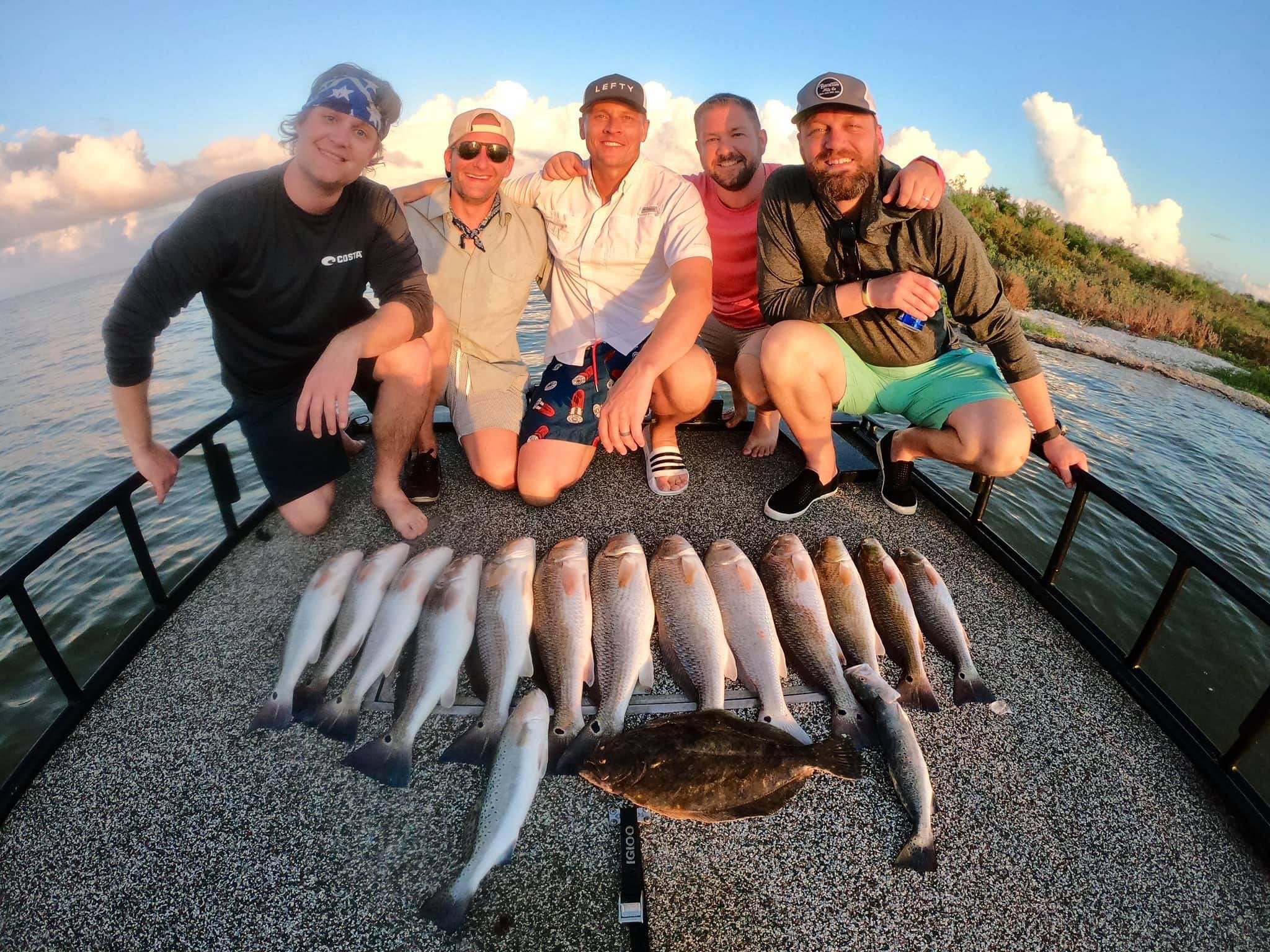
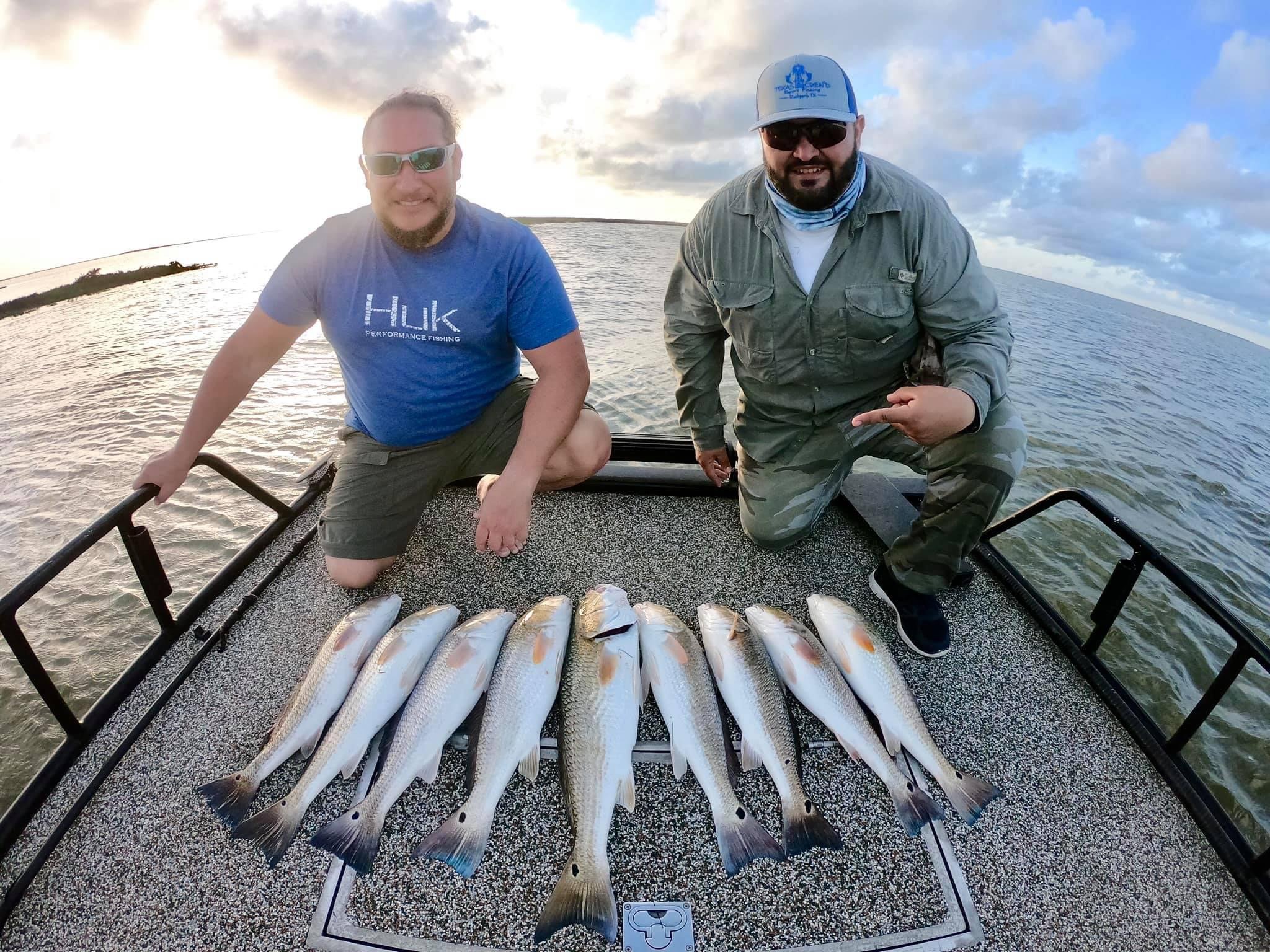
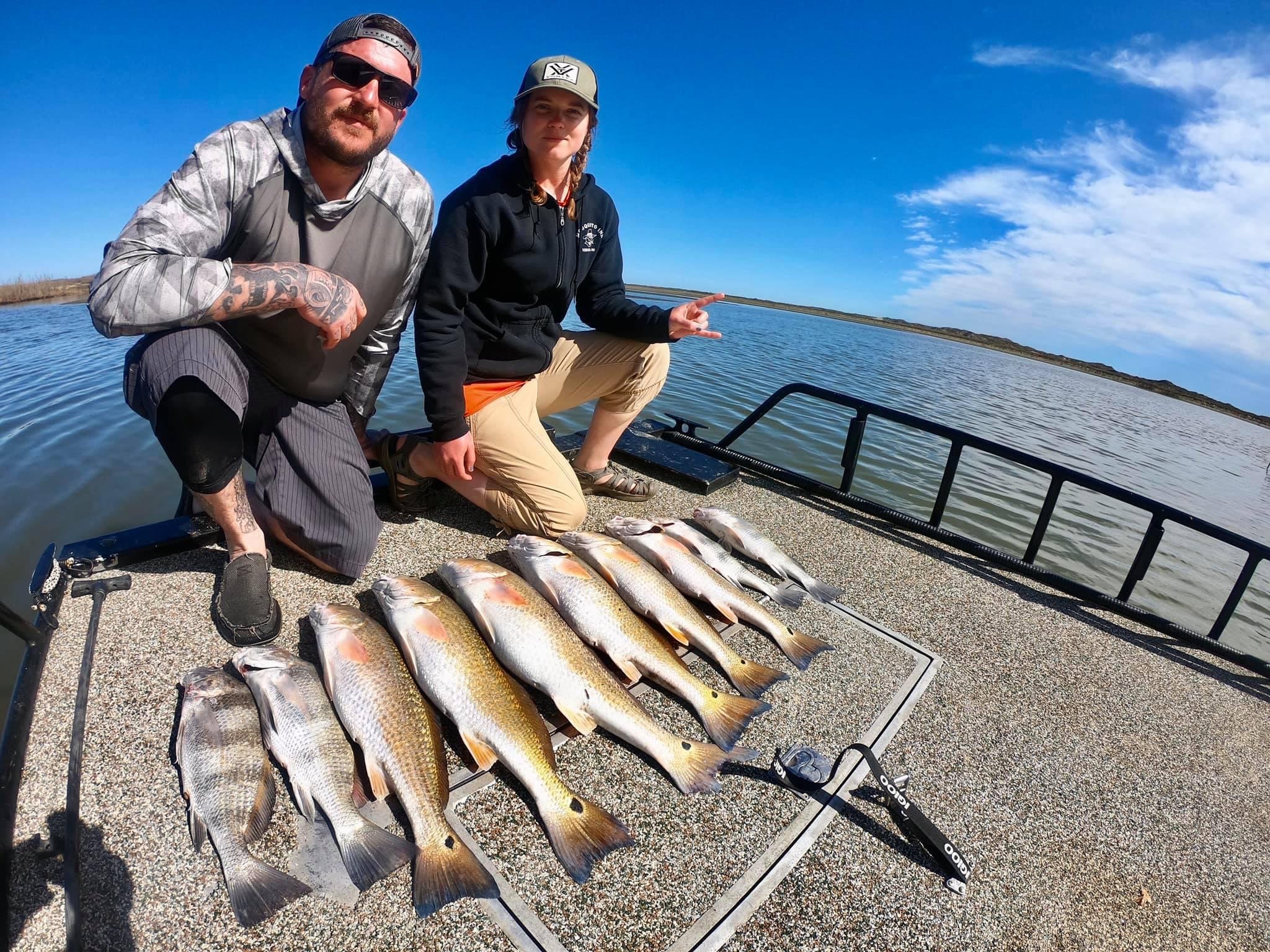
The reason that matters in Rockport is simple. In the latest Texas Parks and Wildlife Rockport report, trout were reported in flats along channel edges, while redfish and black drum were tied to guts, holes, and edges. That is a pattern, not just a random point on the map.
Cover water without getting in a hurry
Covering water does not mean burning through casts and running all over the bay. It means checking high-percentage water first, then making tight adjustments before you make a big move.
A simple search plan usually looks like this:
Start where water movement and structure meet.
Check for bait, nervous water, wakes, or bird activity.
Fish the edge before the middle.
Change angle, speed, or depth before changing the whole area.
That last point saves a lot of time. Good fish may still be close. They may just want a different look.
The Rockport decision tree: read this first
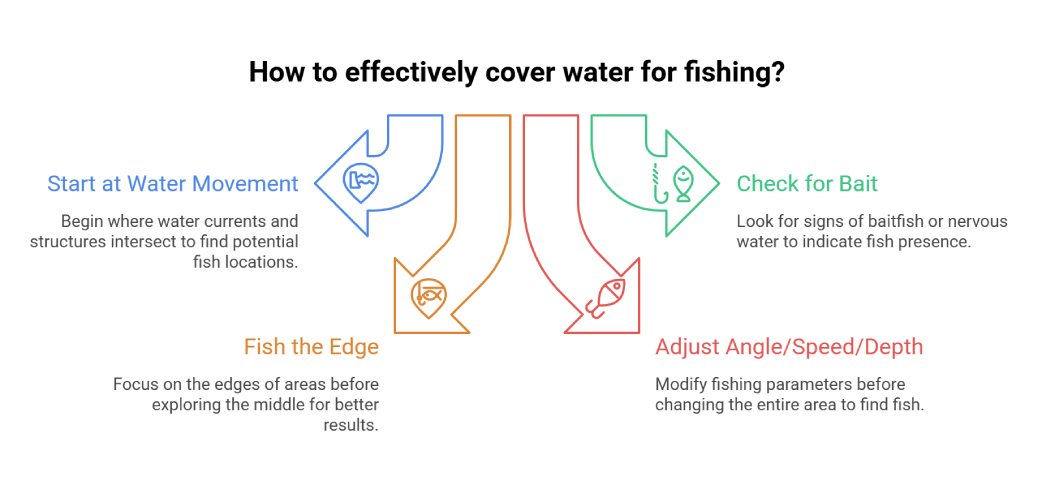
When an advanced trip clicks, it usually starts with reading the right clues in the right order.
1. Water movement
On a Rockport day, tide is one of the first things to check because it helps tell you when water is pushing across flats, draining off edges, or barely moving at all. The NOAA tide station for Rockport gives you a clean look at local tide timing and water level swings before you ever leave the dock.
2. Wind and surface condition
Wind changes how fast you move, how clean you can present a bait, and how easy it is to read the surface. The National Weather Service marine forecast for the Rockport area tracks winds, chop, and short-term bay conditions that can change the whole feel of a trip.
3. Bait and life in the water
Mullet flips, shrimp skipping, slicks, pushing wakes, and nervous bait all help cut down your search time. One clue is nice. A few clues stacked together are better.
4. Bottom and habitat
Fish do not use every stretch of water the same way. Inshore fish set up around food, cover, and travel lanes. The EPA explains that estuaries are protected coastal waters where fresh and salt water mix, which is exactly why places like Rockport create so many changing feeding zones and transition areas.
Lure refinements that solve the bite faster
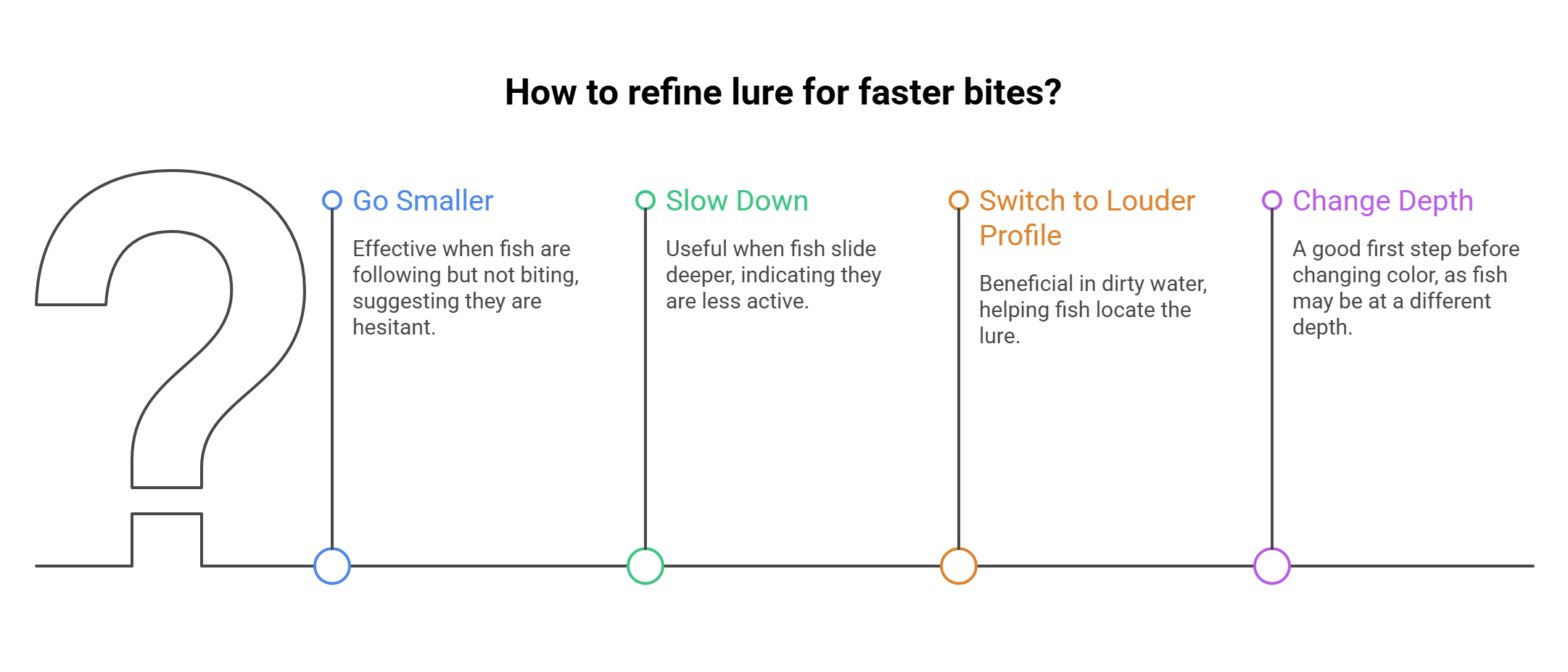
Most advanced lure changes are small. That is the good news.
You usually do not need a giant tackle spread. You need a simple plan. Start with a confidence bait that helps you search. Then refine from there.
That can mean:
Going smaller when fish are following but not eating
Slowing down when fish slide deeper
Switching to a louder or easier-to-find profile when the water gets dirtier
Changing depth before changing color
There is a reason that works. As Take Me Fishing notes in its saltwater bait and lure guide, fish key in on scent, sound, and movement. When the bite feels close but not clean, those are usually the first levers worth changing.
Read signs faster and leave dead water sooner
One of the biggest jumps an experienced angler can make is learning when to stay and when to go.
If the area looks right but feels dead, ask what is missing. No bait? No water movement? No clean edge? No life at all? That does not always mean leave right away, but it should make you test a different angle, lane, or depth quickly.
If nothing lines up after that, move. Do not camp on dead water just because it was good once.
Why an advanced charter helps good anglers get better
A strong guided day cuts down the guesswork. You are seeing how local water sets up, how fast conditions shift, and what changes actually matter. That can help you on future trips long after the day is over.
We keep it clear, family-friendly, and easy to book, but this kind of trip is still built for anglers who want more from their time on the water. You are not just casting. You are learning how to think through a Rockport inshore day the right way.
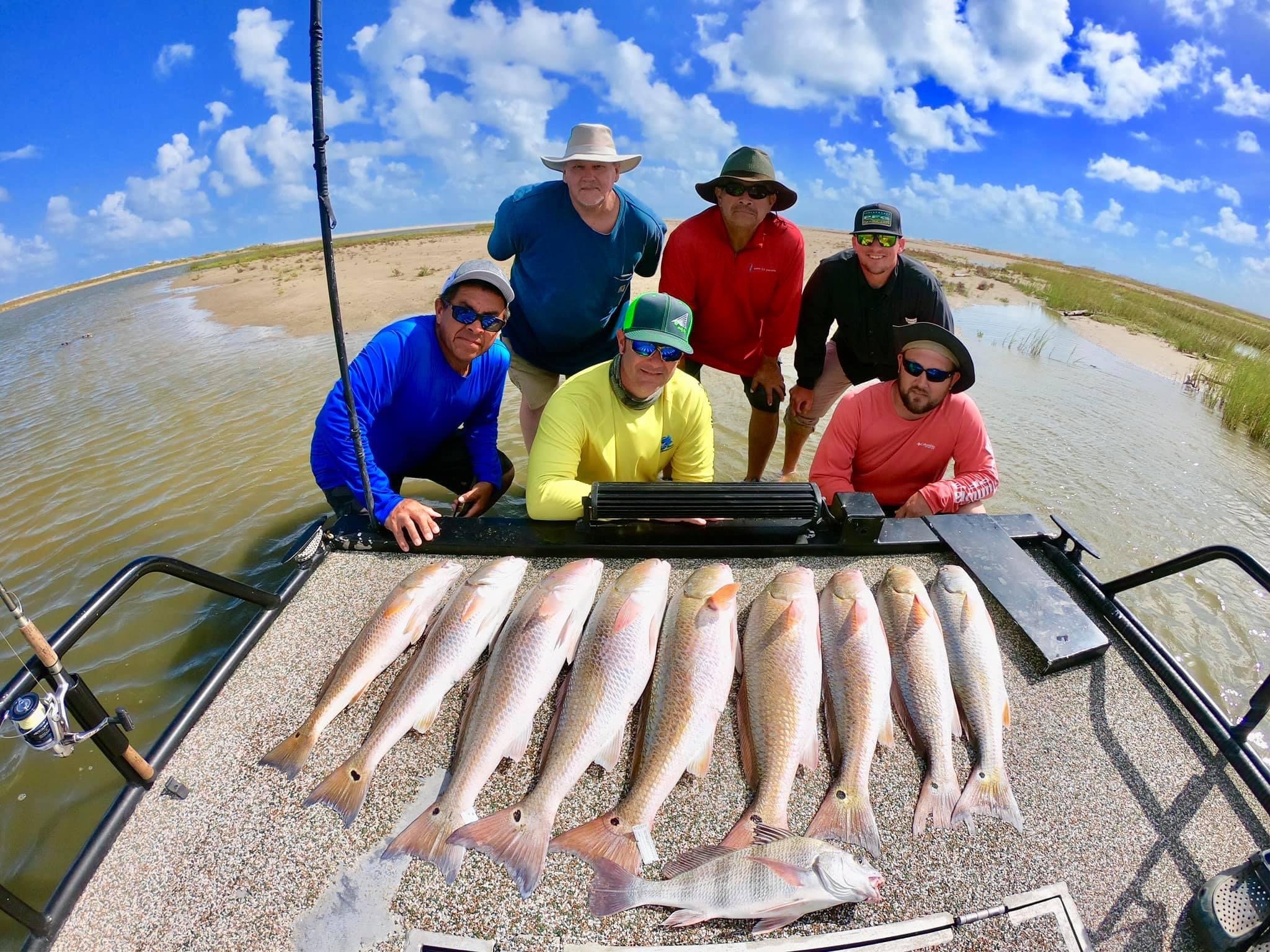



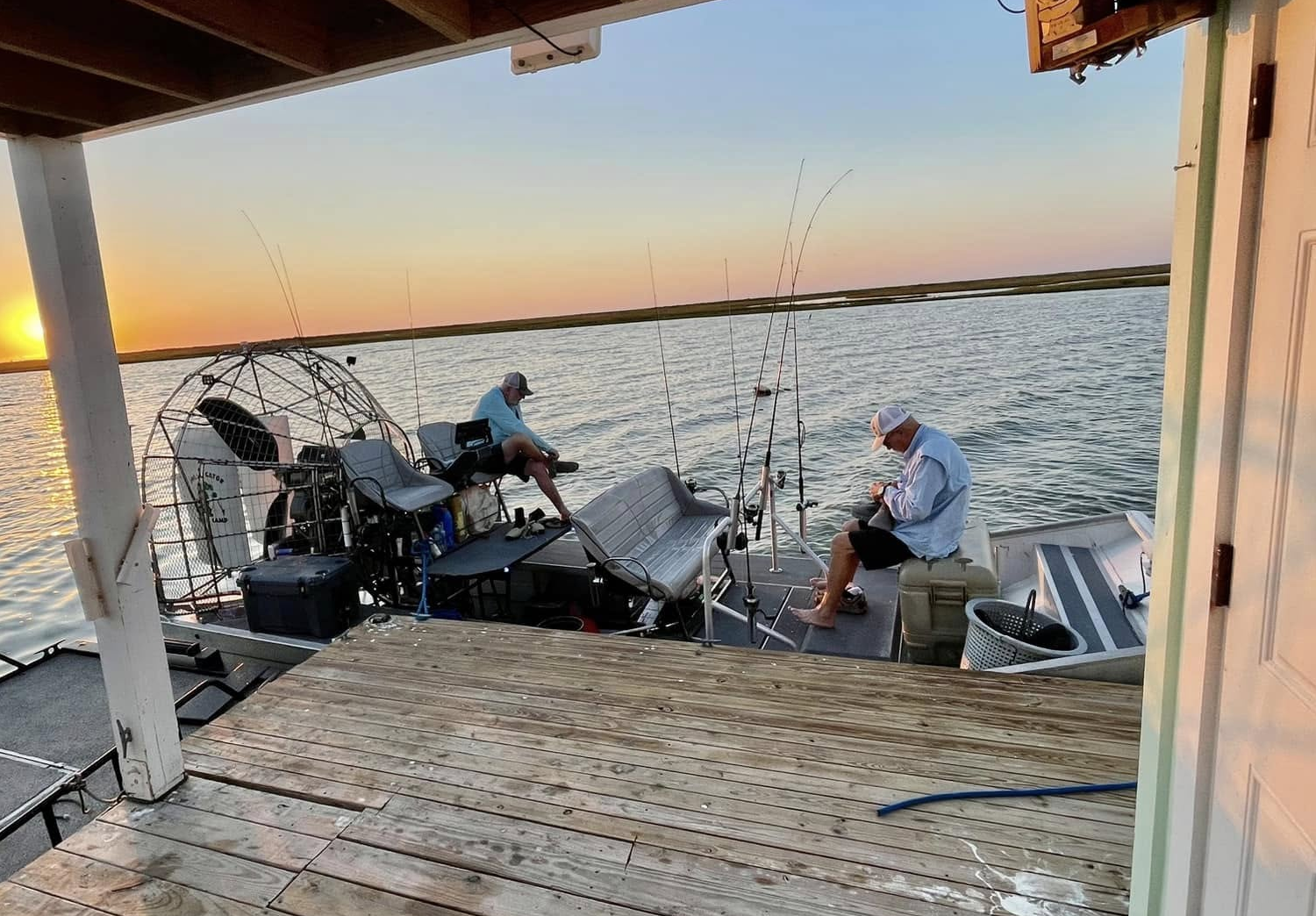
NOW BOOKING ROCKPORT BAY TRIPS
Now booking bay trips, and we keep it simple. If you want a Rockport charter that helps you fish smarter, cover water better, and make more of every move, contact Texas Crew’d here. All skill levels are welcome, and if you are ready to level up, we will help you do it the right way.
Frequently Asked Questions
-
An advanced trip puts more focus on decision-making than just catching a few fish. You spend more time reading conditions, working through patterns, and learning why a move or lure change makes sense.
-
No. You do not need to be a pro. You just need to be comfortable with the basics and ready to learn faster on the water.
-
They look for repeatable clues like tide stage, bait, wind, bottom change, and where fish are feeding in relation to edges. In Rockport, that often means tracking how fish use flats, channels, guts, and nearby structure instead of betting everything on one small spot.
-
It means checking likely areas with a purpose until the pattern starts to show itself. You are not rushing. You are ruling water in or out so you can spend more time where the setup actually looks right.
-
Change lures first when the area still has good signs like bait, movement, or clean structure. If those signs are gone and the water feels dead after a few smart adjustments, it is usually time to make a move.