
How to Catch Black Drum in Rockport, Texas
Welcome to one of the best-kept secrets on the Texas coast. Black drum fishing in Rockport offers an experience that blends adventure, local expertise, and the natural beauty of Gulf waters. Whether you're new to fishing or a seasoned angler, black drum are available year-round in Rockport's bays, making them an accessible and rewarding target for every skill level.
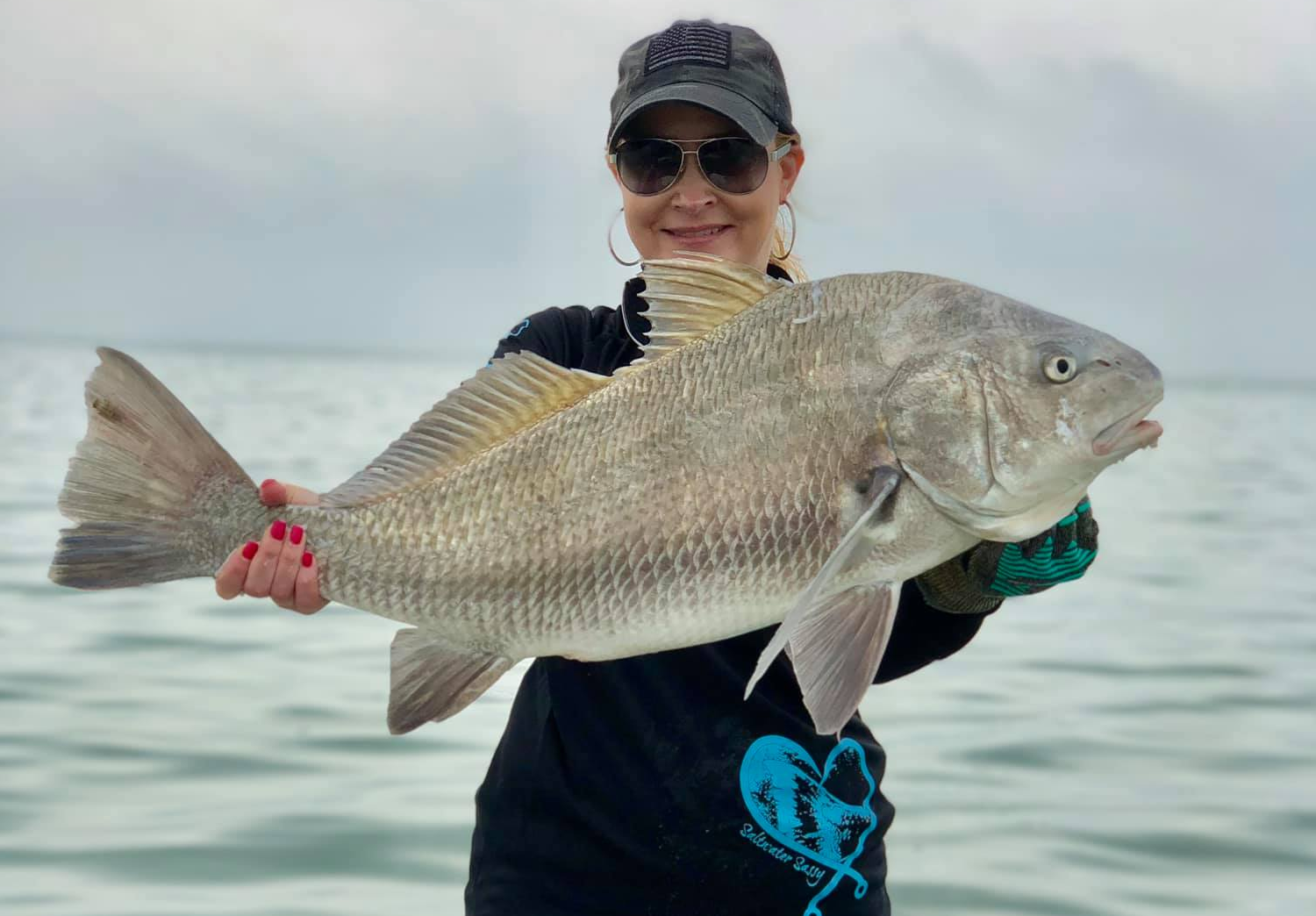
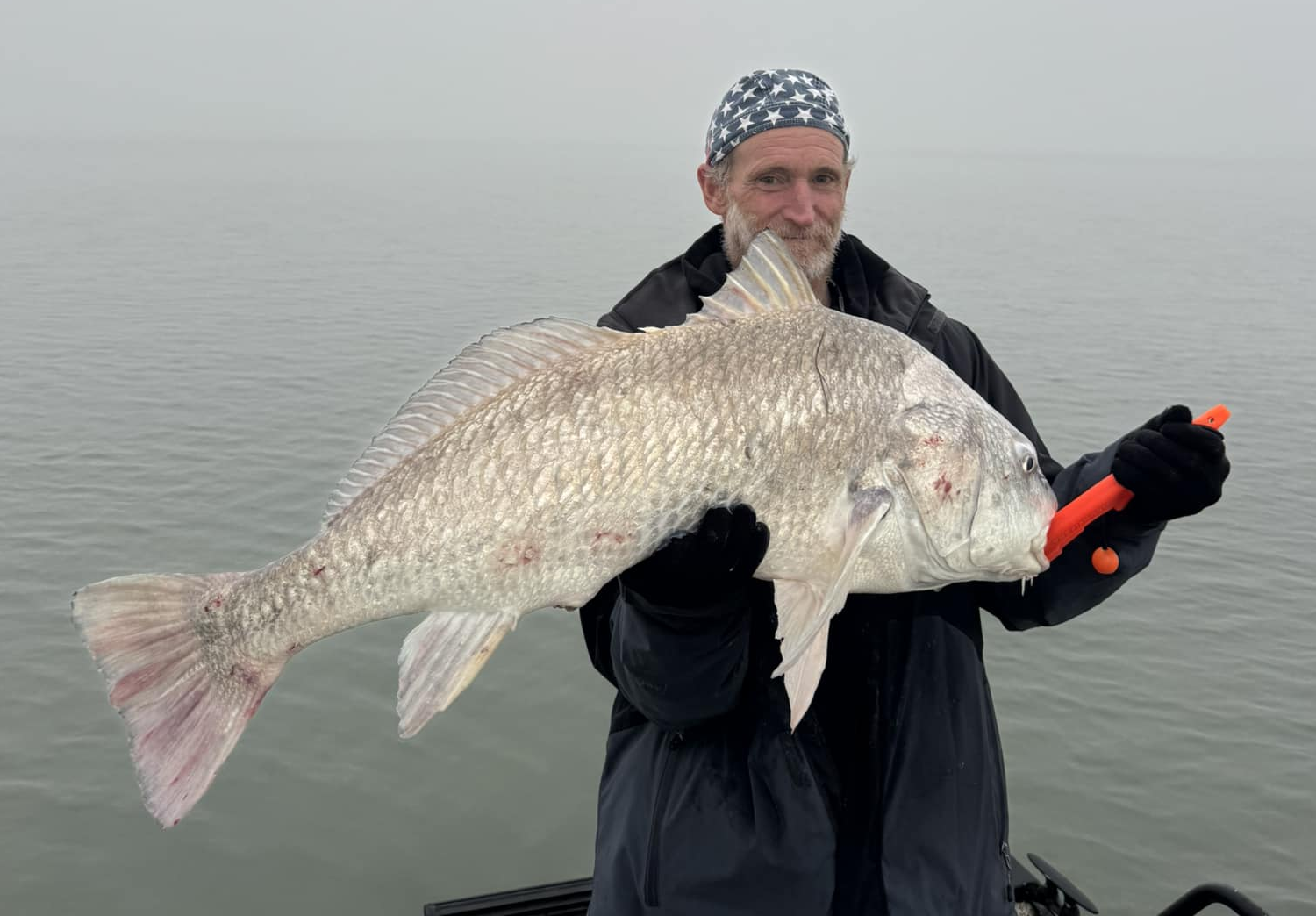
These powerful fish can weigh anywhere from a few pounds to well over 100 pounds, and landing one is an experience you won't forget. The largest black drum on record weighed 146 pounds, with the Texas record taken by a sport angler weighing 81 pounds. But what makes them truly special is their availability—you can pursue them from the flats, the bays, or even from structure like docks and jetties. In Rockport, you're fishing in some of the most productive waters in Texas, where the area from Corpus Christi to Brownsville is known as the area of greatest abundance for black drum.
Understanding Black Drum Behavior
To catch black drum consistently, you need to understand how they feed. These fish are bottom feeders that rely heavily on their sense of smell rather than sight. Black drum have four nostrils and are equipped with barbels (whiskers) under their lower jaw that they use to find food by feel and smell. This means your bait choice matters far more than perfect casting.
Black drum naturally eat small crabs, worms, shrimp, and mollusks, and they have highly developed pharyngeal teeth in their throats that crush shells before swallowing. Their feeding behavior creates a distinctive pattern: when feeding in shallow water, drum often dig or root out buried mollusks and worms in a head-down position, a process called "tailing" that creates small craters in the bottom called "drum noodles". Experienced anglers can spot these noodles and know a school has recently passed through.
Essential Tackle & Gear Setup
You don't need fancy or expensive equipment to be successful. The rod and reel combo should be capable of handling 50lb braid, with a rod that's 6'6″-7'6″ with fast to extra-fast action and a reel with at least a 5:1 ratio.
What You'll Need:
Rod: 6'6″ to 7'6″ medium-heavy action (gives you power without being excessive)
Reel: Conventional or spinning reel capable of holding 50lb braided line
Line: 50lb braided line—braided lines have a thinner diameter and less water resistance, allowing you to hold bottom with lighter sinkers and transmitting even soft hits back to you
Leader: 50lb fluorocarbon leader attached via a 100lb barrel swivel
Hooks: For shallow water work with live shrimp, use 1/0 to 2/0 circle hooks; for deeper water with large bait like half a blue crab, use 4/0 to 5/0 circle hooks
Sinkers: 2-6oz egg sinkers (use the smallest weight that keeps your rig on the bottom)
Circle hooks are your best friend here—they're designed to catch itself in the fish's mouth and reduce injuries, which is especially important for responsible fishing.
The Best Baits for Rockport Black Drum
Here's the good news: black drum can be targeted most effectively with natural bait that puts out lots of odor molecules in the water. This simplicity is part of what makes black drum fishing so accessible.
Top Bait Choices:
Peeled Shrimp: Fresh, peeled shrimp tails (preferably ripe and smelly) are the most popular choice
Blue Crab: A blue crab cut in half is an excellent choice, especially for larger drum
Clams: Fresh clams work great for attracting bottom feeders
Squid: Cut squid provides excellent scent dispersal
Mud Crabs or Fiddler Crabs: Small crabs are natural prey that drums hunt constantly
The key principle: fresher and smellier is always better. A blue crab cut in half, a fresh dead shrimp, or a Berkeley Gulp shrimp are excellent choices when targeting black drum.
Where to Fish for Black Drum in Rockport
Black drum aren't randomly scattered—they hold in specific types of structure. Understanding these locations is half the battle to your success.
Aransas Bay & Oyster Beds:
Oyster bars and mud flats are prime locations where black drum feed on crabs and shrimp—great places to target these fish in shallow water where you can spot tailing fish. When the water is clear, you can sometimes spot schools of black drum, though the clear water makes them spooky and hard to approach. Black drum feeding in shallow water often produce a patch of muddy water—a telltale sign that allows an angler to drift a boat or wade into the school.
Channel Edges & Deeper Waters:
During the colder months, drum of all sizes frequent deeper waters and channels, where they're taken on bottom rigs along channel slopes, in the open bay and in the surf. These areas concentrate fish when they migrate to seeking deeper, warmer waters.
Around Structure:
Docks are another great place to target black drum—they love to root around dock pilings for clams, barnacles, oysters, shrimp, crabs and small fish. Port Aransas jetties also attract large drum during seasonal movements.
We also cover the best spots for different types of fish, helping you plan your trip with confidence.
Proven Techniques for Catching Black Drum
Now that you know where they are and what they eat, here's how to actually land them.
Bottom Fishing (The Classic Approach):
Black drum are bottom feeders, so put a very smelly bait on the bottom and wait for them to find it—they have 4 nostrils so they'll find your bait offering very quickly if they're nearby. Cast your bait to likely spots (oyster beds, channel edges, deeper areas) and be patient. This is fishing at its simplest and most effective.
Hook Setting & Fighting:
Here's something counterintuitive: drum will often "mouth" the bait for some time before swallowing it, so anglers must wait until the fish moves off with the bait, then jerk the rod tip up to set the hook. With circle hooks, the fish will often hook itself, and you can actually lose the fish trying too hard to set the hook—instead, let the fish take the presentation, remove the slack by reeling up, then apply steady pressure.
Shallow Water Sight Fishing:
In shallow water with a live shrimp on an 1/8 ounce jig head, just cast to where you see the tailing black drums and wait for one to find your bait. This visual approach is thrilling and gives you a real connection to the fish.
Understanding the Tide:
These fish rely heavily on their sense of smell and tend to hold up downstream of flowing water, so your presentations should enter their strike zone from the upstream direction to allow the presentation to float towards held up fish. A moving tide will be your friend—that's when scent travels and triggers feeding.
Seasonal Timing & When to Fish
Timing your trip correctly makes a huge difference in your success and catch size.
February to March – Peak Season:
In February and March, large drum gather in schools before spawning, and catches of these large fish make the local sports columns. This is when you'll find the most aggressive feeding and the largest fish on the flats. Some compare landing a 40-pound drum during this season with raising a sunken log, but it's worth every bit of effort.
September to December – Secondary Peak:
Fall cooling brings another excellent window. Fish feed aggressively to prepare for winter, and the water conditions often improve. You'll find a mix of smaller, fun-to-catch drum and occasional larger specimens.
Winter Considerations:
While winter is cooler, it's still productive. Focus on deeper channels and bay systems where fish congregate for warmth. The reduced crowds on the water also mean more peaceful fishing.
We also cover seasonal tips to help you plan smarter.



Ready to Book Your Black Drum Adventure?
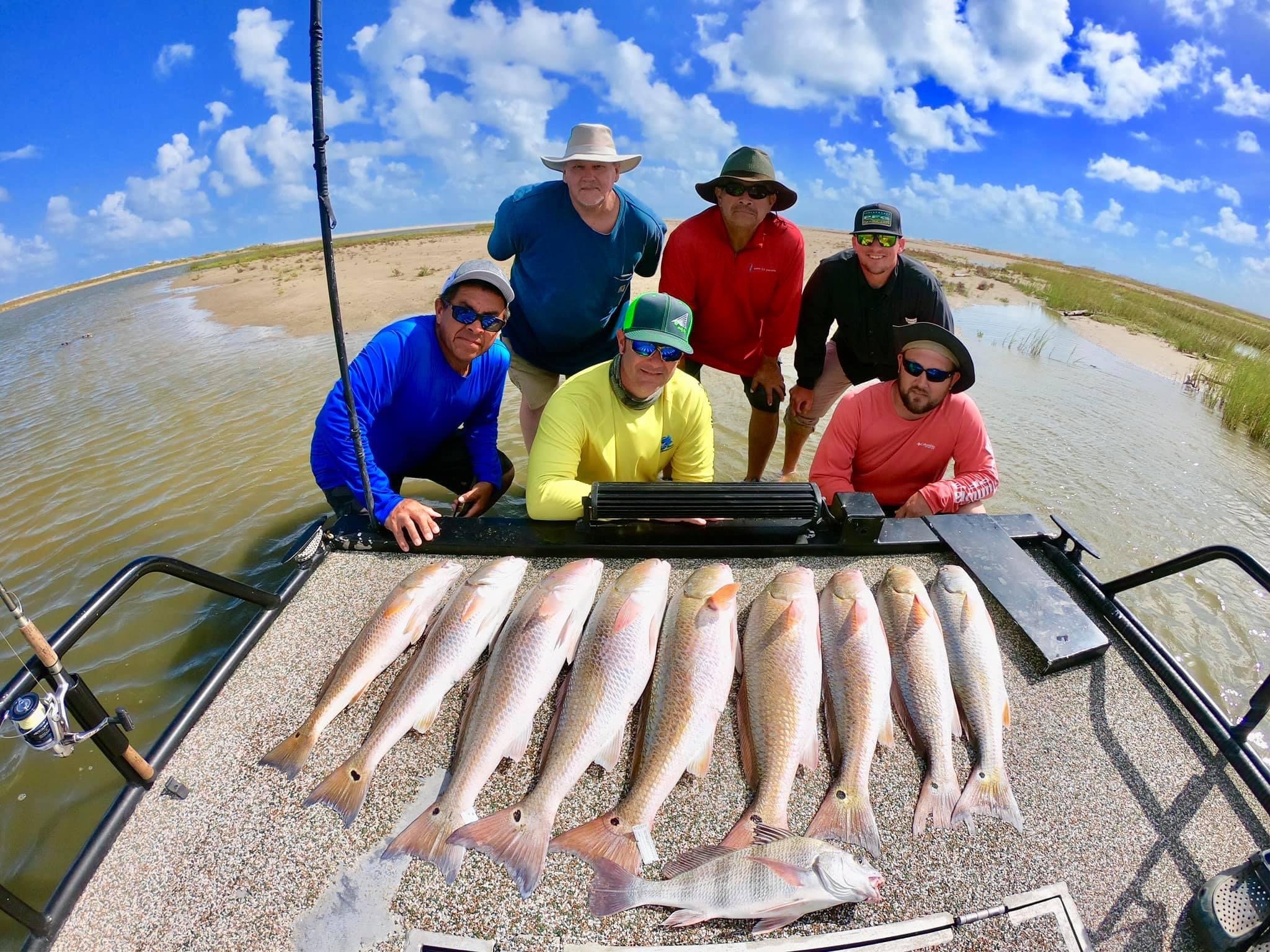
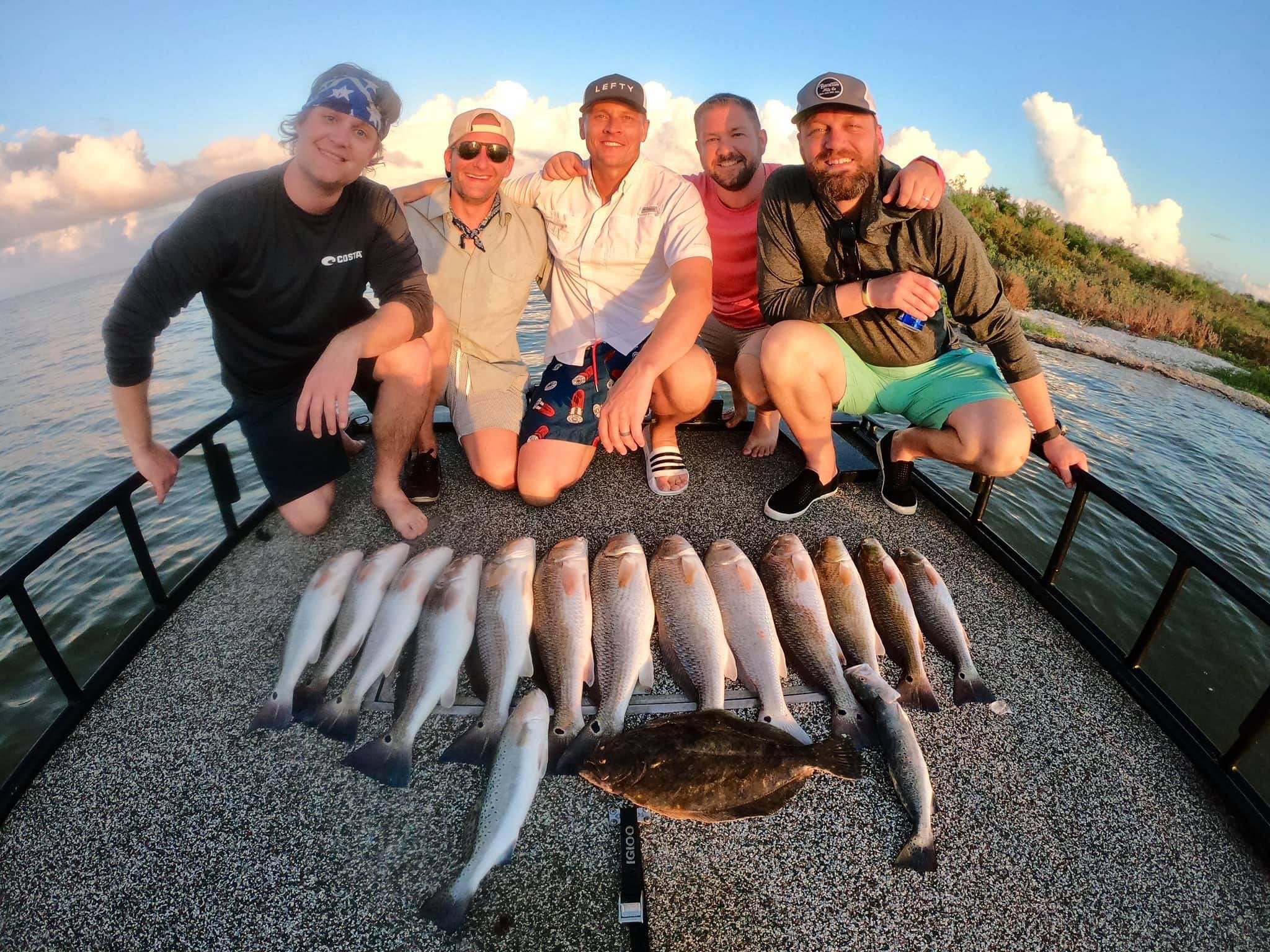
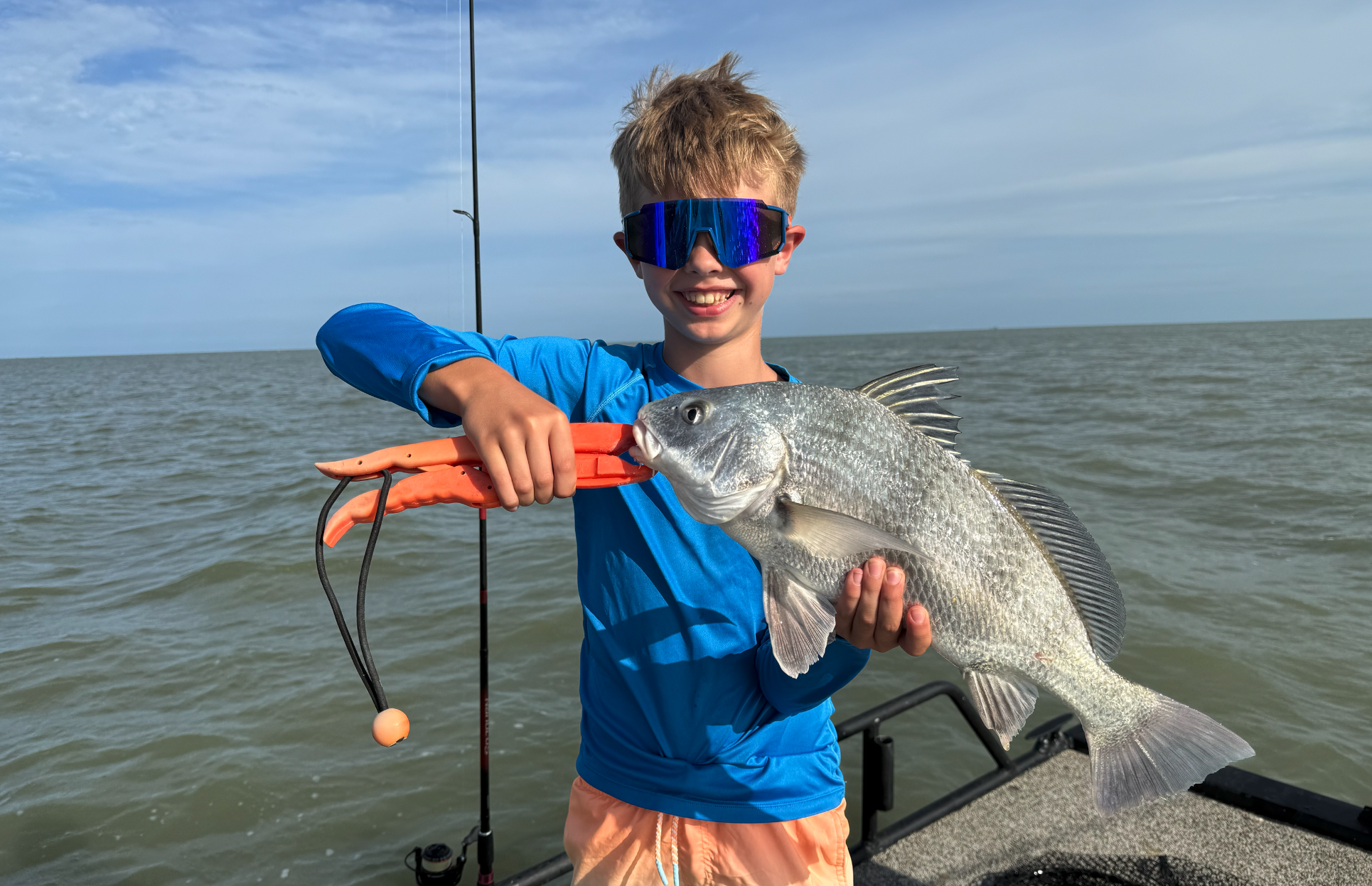
Now that you understand the techniques, tackle, and timing, it's time to experience it yourself. At Texas Crew'd Sport Fishing, we specialize in helping anglers—beginner and experienced alike—discover the thrill of catching black drum in Rockport's beautiful waters.
Our expert guides know every oyster bar, channel edge, and productive flat. We provide all the tackle, bait, and guidance you need. Whether you want to chase bull drum during the peak February-March run or explore the consistent action of fall fishing, we'll make sure you leave with unforgettable memories and stories to tell.
Book our Guided Fishing Trips Rockport TX today and let's make it happen. You'll understand why so many anglers return year after year to chase these powerful fish.
Frequently Asked Questions About Black Drum Equipment
-
Absolutely not. Black drum fishing can be enjoyed by anyone at almost any time—it's a relaxing outing compared with other types of fishing which require experience, expensive tackle, boats and related equipment. Whether you've fished for decades or are holding a rod for the first time, you can be successful. Our guides work with all skill levels and customize your experience to match your experience and comfort level.
-
Early morning and late evening often produce excellent action when fish are actively feeding. However, black drum are bottom feeders and can be caught throughout the day—they're not as light-sensitive as some species. Tide movement matters more than time of day, so focus on fishing moving tides (incoming or outgoing) whenever you can.
-
Yes, you can. Fishing can be done from piers or from the bank and the entire family can join in. Beaches, jetties, and public piers around Rockport and Port Aransas offer access. However, a guided boat trip gives you mobility to find active schools and position yourself perfectly for the best bite.
-
The Texas record taken by a sport angler is 81 pounds but most bull drum caught weigh 30 to 40 pounds. Younger fish reach six inches in their first year, 12 inches the second year, and 16 inches the third year. On any given trip, you might catch fish ranging from 5 to 40+ pounds, giving you consistent action and occasional trophy opportunities.
-
Watch for the telltale sign: when feeding in shallow water, drum create small craters in the bottom called "drum noodles". In deeper water, you'll feel subtle tugs and taps at first—that's the fish "mouthing" your bait. Stay alert and ready. When the rod begins to bend steadily, that's when you set the hook firmly. Many anglers don't give themselves enough time; patience is as important as reaction.