
What is the best location for offshore fishing charters in Rockport TX?
When you push away from the dock at Rockport, you’re not just starting a fishing trip. You’re heading into some of the most productive Gulf waters Texas has to offer. The stretch of coast from Port Aransas to Copano Bay puts you within striking distance of oil rigs, artificial reefs, and feeding lanes that hold fish year-round. Texas Crew'd Sport Fishing runs these waters because the structure, depth changes, and currents create a system that concentrates baitfish and predators better than most ports along the Gulf.
Why Rockport, TX Stands Out for Offshore Fishing
Minutes from Deep Gulf Waters
Rockport sits roughly 30 nautical miles from the edge of the continental shelf, where depths drop from 100 feet to over 300 feet in a series of steps. This proximity means you spend less time running and more time fishing. The Texas Parks and Wildlife Department (TPWD) has mapped 67 artificial reef sites within 100 miles of the Texas coast, and many of the most productive ones sit between 20 and 60 miles from Rockport Harbor. That range puts you on red snapper, kingfish, and mahi mahi before lunchtime.
Nutrient-Rich Currents That Concentrate Baitfish
The convergence of the Corpus Christi Ship Channel outflow and natural Gulf currents creates a nutrient-rich plume that feeds the entire food chain. Baitfish—menhaden, sardines, and threadfin herring—stack up along current breaks created by oil platforms and artificial reefs. Big predators follow. The Texas Artificial Reefs Program has built over 4,000 acres of structure specifically to capitalize on these currents, turning otherwise barren bottom into fish-holding habitat Salt Strong, 2018. When you fish these areas, you’re targeting seams where bait gets pinned against structure.
Year-Round Access to Trophy Species
Unlike ports farther north, Rockport gives you 12-month access to bluewater species. Water temperatures rarely drop below 60°F, even in winter, which keeps pelagic species like tuna and wahoo within range. The TPWD maintains weekly fishing reports that show black drum, redfish, and trout activity in the bays, while offshore waters hold snapper, amberjack, and kingfish year-round. Seasonal migrations just shift the concentrations, not the availability.
Proven Offshore Fishing Locations Near Rockport (With Technical Details)
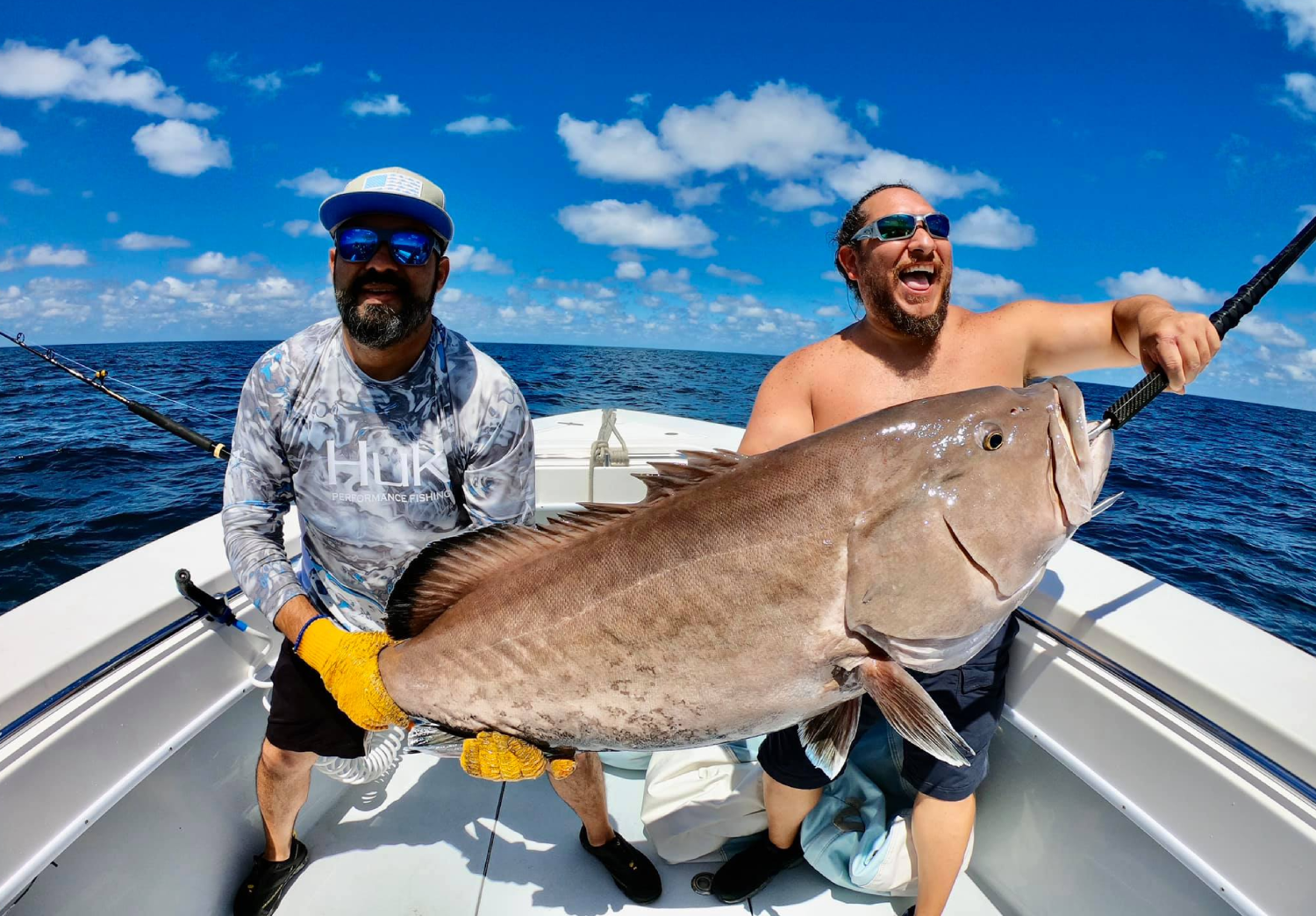
Artificial Reefs and Oil Rig Structures
The Texas Gulf floor is a grid of decommissioned oil platforms, concrete pyramids, and ship wrecks that function as high-rise apartments for fish. The Rigs-to-Reefs Program has converted dozens of platforms into permanent fishing structure, and the Nearshore Reefing Program adds concrete pyramids in 50- to 150-foot depths. These structures grow marine life within weeks of deployment.
Nearshore Structures (20-40 Miles from Port)
Within 20 miles, you’ll find the Matagorda Reef system and the HI-A-424 site, a 135-foot-deep ship reef 67 miles offshore of Galveston that holds red snapper, triggerfish, and amberjack. The water here runs 50-90 feet deep, perfect for vertical jigging and live bait presentations. Red snapper stack tight to the structure from April through September, with fish averaging 5-15 pounds and trophies pushing 20+ pounds.
Deepwater Rigs and Wrecks (40-100+ Miles)
Pushing past 40 miles puts you on federal platforms in 200-400 feet of water. These rigs hold big pelagic species. The "Triples" area—three platforms in a tight cluster—sits at 28.5°N, 95.2°W and produces consistent mahi mahi and tuna action from May through October. The depth (300+ feet) and current breaks create upwellings that concentrate bait at specific depths, which we mark on sonar before dropping trolling spreads.
TPWD Artificial Reef Program: 67 Sites Mapped
TPWD publishes GPS coordinates for every artificial reef in Texas. The 775 Reef, a series of concrete pyramids in 105 feet of water 45 miles from Port Aransas, is a red snapper factory. The Liberty Reef complex, deployed in 2012, spans 160 acres in 85-foot depths and holds gag grouper, cobia, and kingfish. We upload these numbers directly into our GPS and sonar units before every trip.
Specific Coordinates and Structures That Produce Fish
The "Triples" Crane Tower (10-12 Miles, 90+ Foot Depth)
The Triples consist of three decommissioned platforms within sight of each other, creating a 2-mile-wide zone of fish activity. The crane tower structure rises 200 feet off the seafloor, stopping 50 feet below the surface. This vertical profile attracts baitfish at multiple depths, which in turn draws in kingfish, cobia, and bull redfish. We troll planer-spread rigs around the towers at 4-6 knots, covering the 50- to 90-foot contour lines where fish hunt.
Liberty Reef and 775 Reef (Federal Waters, Concrete Pyramids)
These reefs are part of the Nearshore Reefing Program and sit at precise GPS coordinates published by TPWD. Liberty Reef (28.3°N, 96.1°W) is a grid of concrete pyramids in 85 feet of water that hold gag grouper and mangrove snapper. The 775 Reef (27.9°N, 95.8°W) is deeper at 105 feet and produces consistent red snapper action. Both reefs are marked on public charts, but the key is knowing which side of the structure holds fish based on current direction. We anchor up-current and chum heavily to pull fish away from the structure and into casting range.
Aransas Pass Jetties to Bluewater Transition Zones
The jetties at Aransas Pass mark the gateway from inshore bays to open Gulf. The transition zone—where green bay water meets blue Gulf water—stretches from the jetties to 10 miles offshore. This color change, often visible on satellite imagery, signals a temperature and salinity break that concentrates bait. We work this edge with live bait freelined on circle hooks, targeting king mackerel, Spanish mackerel, and cobia that patrol the boundary. The depth runs 15-30 feet along this edge, making it accessible on shorter 6-hour trips.
Depth Zones and Species Breakdown
50-100 Feet: Red Snapper, Kingfish, Cobia Concentrations
This depth band is the sweet spot for Texas offshore fishing. Red snapper hold tight to structure, feeding on crustaceans and small baitfish. Kingfish and cobia cruise the water column above the reefs, hunting by sight and lateral line detection. We target this zone with live bait (pogies, threadfin) on 6/0 circle hooks, fished 20-30 feet off the bottom. Wire leaders are mandatory for kingfish—30-pound fluorocarbon for snapper, 40-pound wire for kings.
100-200 Feet: Tuna, Mahi Mahi, Wahoo Corridors
Pushing past the 100-fathom curve puts you in bluewater. The seafloor drops to 200+ feet, and the structure shifts from rigid platforms to floating rigs and weed lines. Tuna (blackfin and yellowfin) patrol these depths, feeding on squid and small pelagic fish. Mahi mahi hold under floating debris and weed patches. We troll cedar plugs and feather jigs at 6-8 knots, watching for birds and temperature breaks that signal fish. Wahoo prefer the early morning and late evening, hitting high-speed trolling lures at 12-15 knots.
200+ Feet: Marlin, Swordfish, Deep Drop Species
The real bluewater starts at 200 feet. White and blue marlin migrate through these waters from June through September, following bait schools along the continental shelf edge. Swordfish hold deeper, from 1,200 to 1,800 feet, and require electric reels and specialized lights. Texas Crew'd runs dedicated marlin trips during peak season, trolling rigged ballyhoo and artificial lures along the 100-fathom break. These trips are 10-12 hours and require heavy tackle—50-80 pound class reels and custom rods.
Species-Specific Location Strategies for Rockport Waters
Targeting Red Snapper on Structure and Wrecks
Red snapper is the backbone of Texas offshore fishing. The season runs June through August in federal waters, with a two-fish limit and 16-inch minimum size. Fish hold tight to structure, so anchoring precision matters. We use a minimum 3:1 scope ratio (three feet of line for every foot of depth) and drop a chum block to pull fish up from the bottom. Live pinfish or cut squid on 6/0 circle hooks produce best. The key is fishing the up-current side of the structure, where snapper stage to ambush bait.
Pelagic Species: Tuna, Mahi Mahi, and Marlin Patterns
Tuna and mahi are visual predators. We scan for birds, floating debris, and temperature breaks using radar and sonar. When we mark bait balls at 50-100 feet, we deploy butterfly jigs and topwater poppers. Marlin require a different approach—trolling rigged ballyhoo at 7-9 knots along the 100-fathom curve. We set a spread of 5-7 lines with outriggers, targeting the temperature breaks where blue water meets green. Peak marlin season is June through September, with the best action on new and full moon phases.
Bottom Dwellers: Grouper, Amberjack, and Triggerfish Habits
Gag grouper and amberjack share the same reefs as snapper but prefer different zones. Grouper sit tight to the bottom, often in the shadow of the reef structure. We target them with live pinfish on heavy jigs, dropping directly into the structure. Amberjack cruise the water column above the reef, hammering live bait fished 30-50 feet off the bottom. Triggerfish are smaller but abundant, feeding on crustaceans around the reef base. We use small hooks (2/0) and squid strips for triggers, keeping the bait moving to avoid spooking them.
Seasonal Patterns and Timing Your Trip
Spring and Summer: Peak Pelagic Season (Marlin, Tuna)
April through September is prime time for pelagic species. Water temps climb into the 80s, baitfish bloom, and marlin, tuna, and mahi move into Texas waters. The full moon periods in June and July are peak marlin times. We run 10-12 hour trips during this window, trolling the 100-fathom curve and looking for temperature breaks. Tuna action peaks in late summer, with blackfin tuna schooling around floating rigs and weed lines.
Fall: Bottom Fishing Prime Time (Snapper, Grouper)
Fall shifts the focus to bottom fishing. Red snapper season may be closed, but gag grouper, amberjack, and triggerfish remain open and active. Cooler water temps push baitfish tighter to structure, concentrating predators. We anchor on the 775 Reef and Liberty Reef, chumming heavily and fishing live bait on the bottom. The fish are less spread out, so limits come faster. Fall also brings bull redfish to the nearshore rigs, with fish over 30 pounds common.
Winter: Weather Windows and Species Shifts
Winter in Rockport is about watching the weather. Cold fronts bring wind and rough seas, but between fronts, we get calm, clear days perfect for fishing. Water temps drop to the low 60s, and species shift. Sheepshead and black drum move onto the reefs, while pelagic species push farther offshore. We target the nearshore rigs for sheepshead and black drum, using fiddler crabs and shrimp on small hooks. These fish are less glamorous but fight hard and taste great.
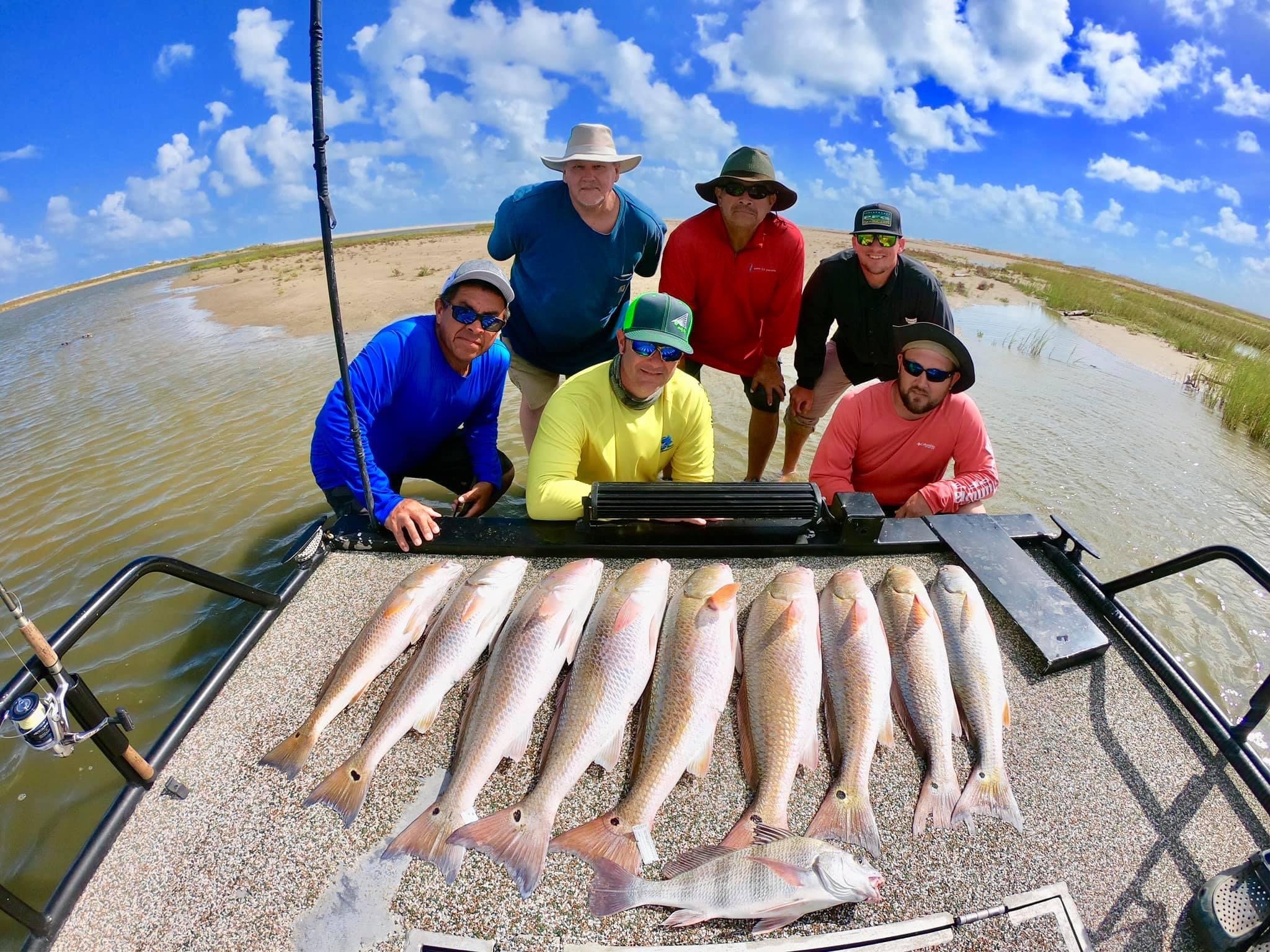
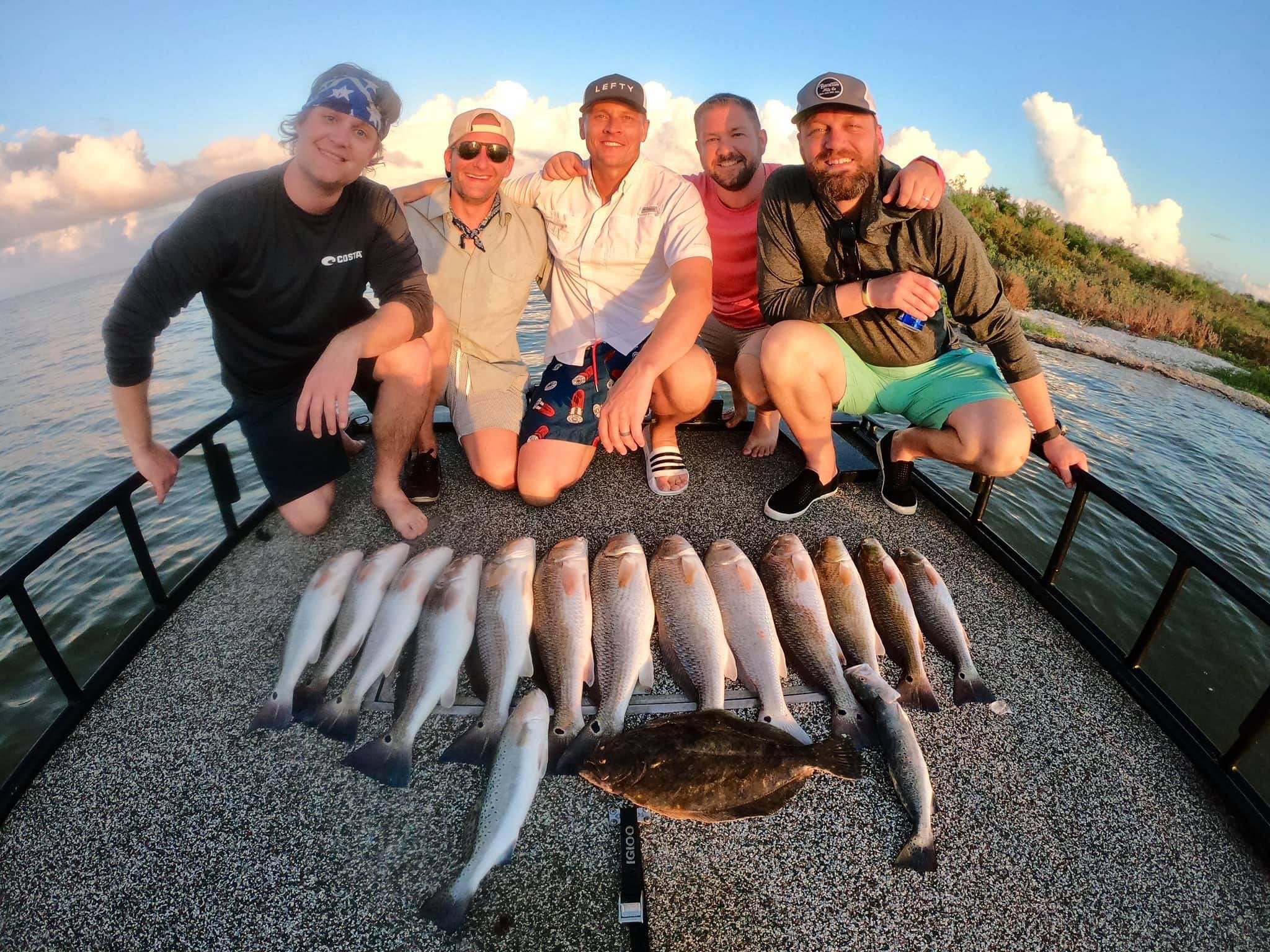

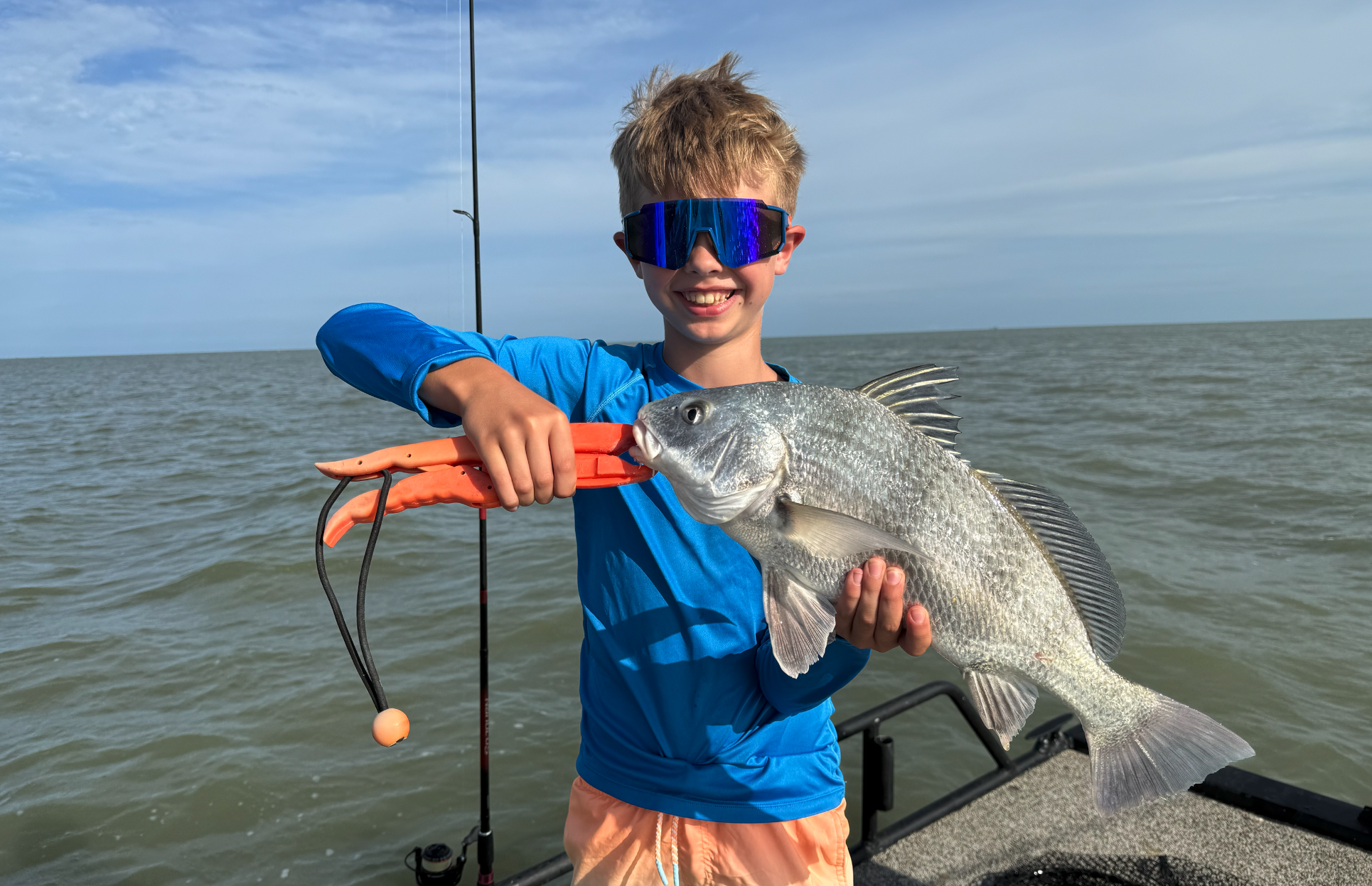


Booking Your Offshore Charter with Texas Crew'd
Gear, Tackle, and Equipment We Provide
We provide all rods, reels, tackle, bait, ice, and fish cleaning. Our gear is ready for the species we target. The boat has life jackets, first aid, and satellite communication for safety. Just show up and fish.
What Anglers Need to Bring
Bring a valid Texas saltwater fishing license. If we’re targeting red snapper, we’ll help you get the free federal reef fish permit. Pack sunscreen, a hat, sunglasses, and non-slip shoes. Bring a cooler for your catch. If you get seasick, take your medication beforehand. Dress for changing weather.
Texas Fishing License and Federal Regulations
Anglers 17+ need a Texas saltwater fishing license. Red snapper trips in federal waters also require the free reef fish survey signup. The red snapper limit is two per person, 16-inch minimum, during open season. We’ll review all rules before we depart.
-
Yes. We welcome all experience levels. Our crew teaches you everything you need to know and adjusts the trip to your comfort level.
-
No. Offshore charters cater to all experience levels. Guides provide instruction and handle technical aspects of heavy tackle fishing.
-
Spring and summer are prime months for marlin, tuna, and mahi mahi, while sharks can be targeted year-round with seasonal variations.
-
Yes. Many charters accommodate families and beginner anglers, ensuring a safe and exciting adventure while still offering trophy fishing opportunities.