
How to Catch Mahi-mahi in Rockport, Texas
Mahi-mahi are one of the most thrilling fish to chase along the Texas coast. These vibrant, aggressive fighters leap, twist, and put on a spectacle that'll have your heart racing and your rod bending. If you're ready to experience peak season mahi-mahi fishing in Rockport, this guide will walk you through everything you need to know—from timing and techniques to gear and proven tactics that work in local waters.
Why Rockport Is Prime Mahi-Mahi Territory

The Texas Gulf Coast, especially around Rockport and Port Aransas, offers ideal conditions for mahi-mahi. These fish thrive in warm, offshore waters where they hunt aggressively and travel in schools. Rockport's access to deep offshore flats and the rich structure of the Gulf make it a natural gathering spot for these bright-colored beauties.
What makes Rockport special isn't just the presence of mahi—it's the consistency. During peak season, the waters warm, baitfish become abundant, and mahi-mahi feed with wild abandon. Local captains know the best routes, and experienced anglers understand that summer through early fall transforms Rockport into a mahi-mahi destination where every cast feels like it could be the one.
Peak Season Timing in Rockport
June through September is when mahi-mahi fishing reaches its peak in Rockport. Here's what happens month by month:
Summer (June–August): Summer is prime time for offshore fishing in the Gulf, as warm waters attract pelagic species like mahi-mahi, tuna, and billfish. Water temperatures climb into the high 80s, triggering aggressive feeding. June marks the beginning; July and August offer explosive action as mahi schools roam widely.
Early Fall (September): As temperatures begin to cool, baitfish migrate south, followed by predator fish, making fall a great time for both inshore and offshore fishing. September often delivers some of the year's best mahi-mahi action before the season tapers off.
Why does warm water matter? Mahi-mahi are heat-lovers. Warmer water temperatures encourage them to feed actively and chase down prey without hesitation. During peak season, the water temperature is warm, which encourages fish to feed actively, and the longer days allow for more fishing time.
Understanding Mahi-Mahi Behavior
Mahi-mahi are visual predators that hunt with their eyes and their instinct. They gather around floating structures—weed lines, debris, and even your boat—looking for smaller baitfish to ambush. Once you understand this behavior, spotting and catching them becomes much easier.
These fish travel in schools, which means one catch often signals more nearby. They're also aggressive eaters, meaning they'll strike lures and baits without hesitation when they're feeding. Unlike some species that require finesse, mahi-mahi reward confidence and action.
Essential Gear & Tackle Setup
Rods and Reels: Medium-light to medium action rods (6–7 feet) paired with conventional or spinning reels work well. Mahi-mahi don't require heavy-duty gear; they're strong, but a quality medium rod will handle them beautifully.
Line and Leaders: Use 20–30 pound test main line with fluorocarbon leaders (20–30 pound). Mahi-mahi have sharp teeth, so the leader matters—it prevents bite-offs.
Best Lures: The Nomad Riptide's body shape is incredibly effective for all predatory species, with floating versions perfectly balanced to create an enticing 'S' shaped swimming motion. Trolling plugs, live baitfish (mullet, mackerel), and strip baits are proven producers.
Proven Mahi-Mahi Fishing Techniques
Trolling: Trolling is one of the most effective methods for offshore fishing, where you maintain steady speeds while lures mimic fleeing baitfish. Troll at 5–8 knots with multiple lines, and watch for the excitement when a mahi slams your lure.
Sight Casting: This is where the real thrill lives. Once you confirm the presence of mahi-mahi through visual signs like flying fish leaping, birds diving, or the striking blue mahi-mahi making their presence known by showing their dorsal fins just above the water, cruise slowly at 3–5 knots with two people on the bow ready to cast stick baits where the fish are sighted. When you spot a school, cast ahead of them and work your lure with erratic retrieves until they strike.
Finding Them: Hunt for weed lines, floating debris, and sargassum patches. Mahi-mahi hang around these structures hunting for baitfish. Birds diving is also a dead giveaway—where you see feeding birds, mahi are usually nearby.
Pro Tips for Peak Season Success
Fish early morning or late afternoon when the sun angle makes spotting easier and feeding intensifies.
Monitor water temperature using your fish finder; target areas where warm water meets structure.
Use tides to your advantage. Fish often become more active during tidal changes such as incoming or outgoing tides, as these transitions stimulate water movement and can lead to increased feeding opportunities.
Stay patient but aggressive. Mahi-mahi reward bold casting and steady, confident retrieves.
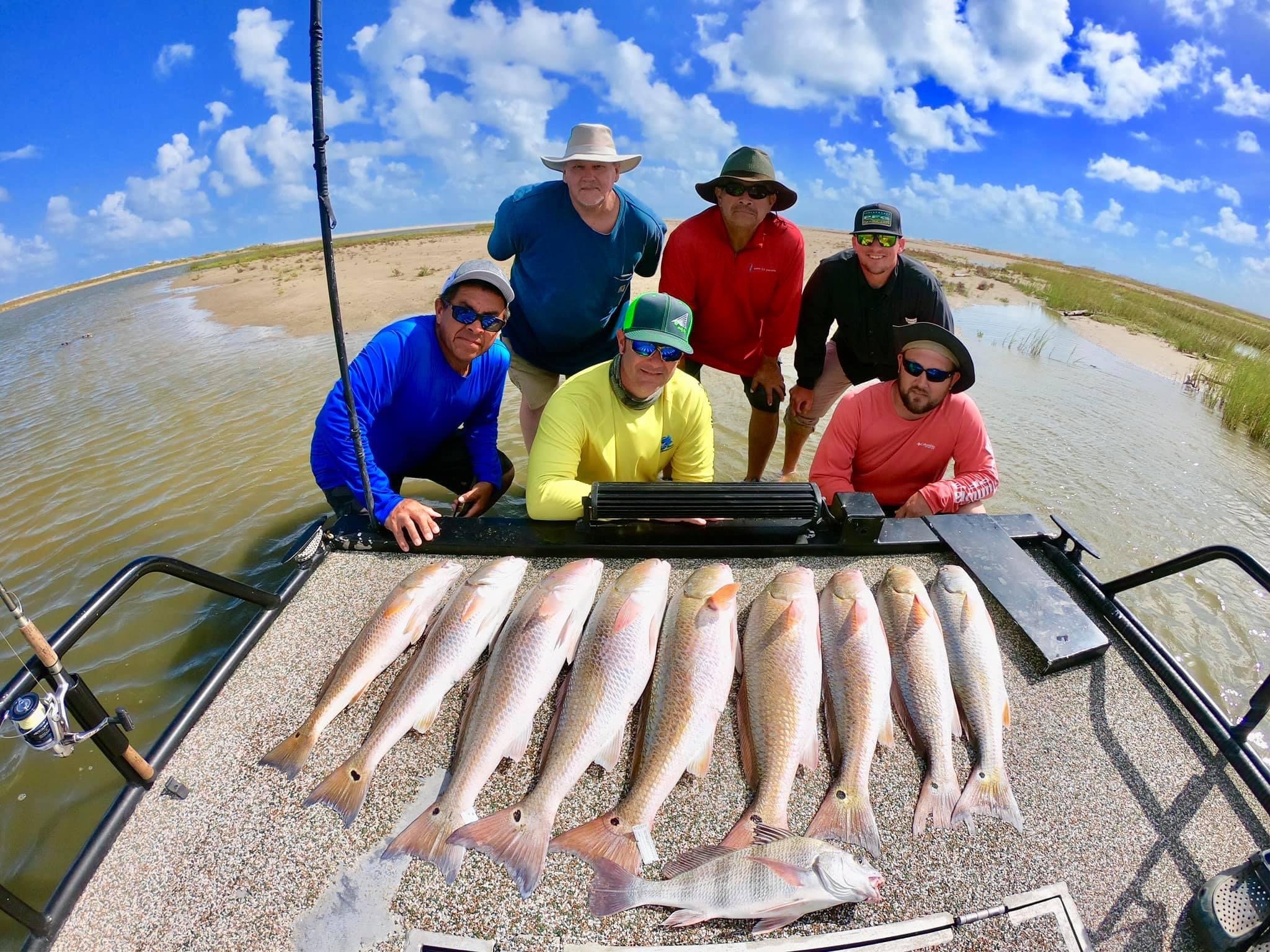
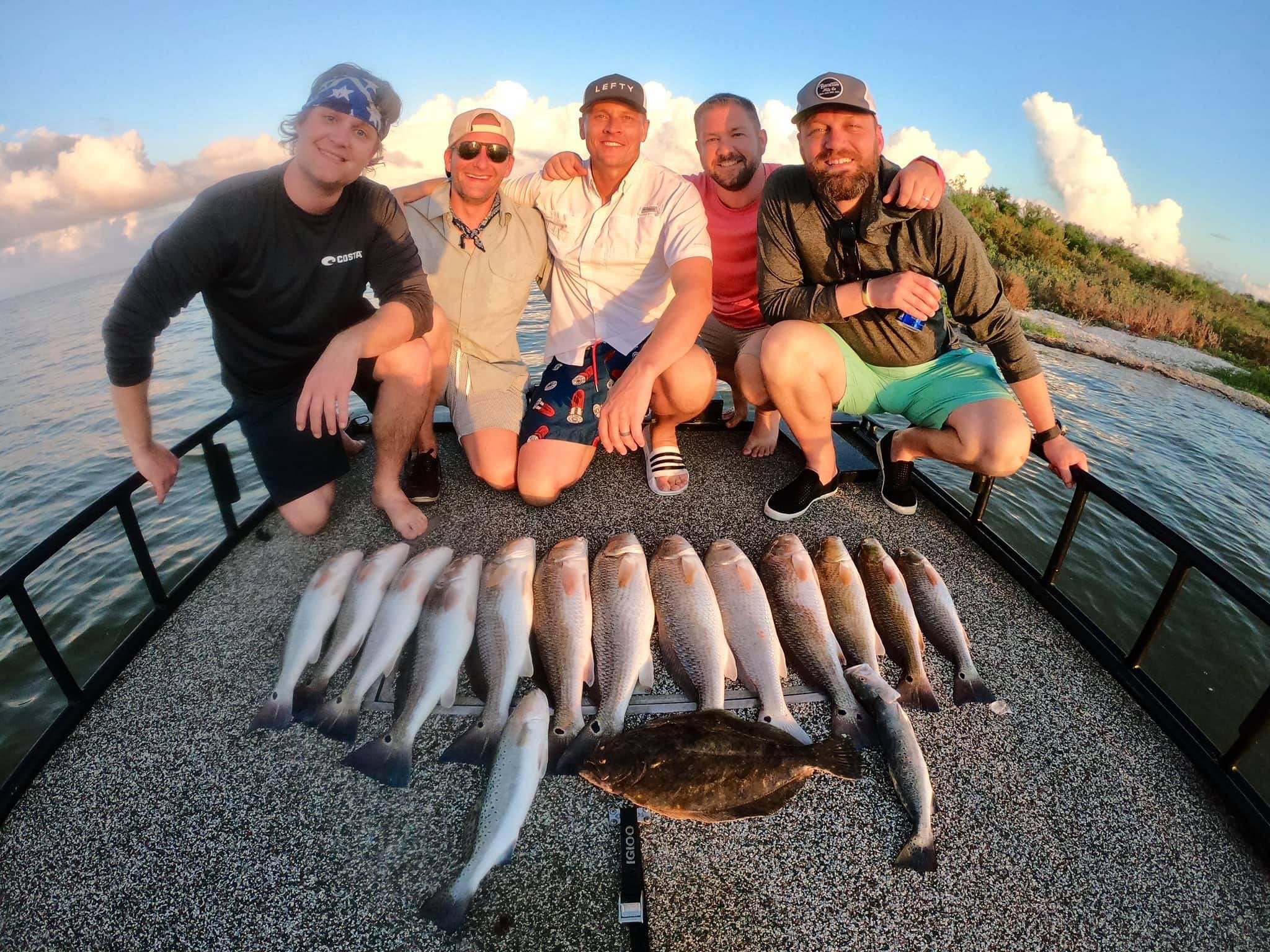

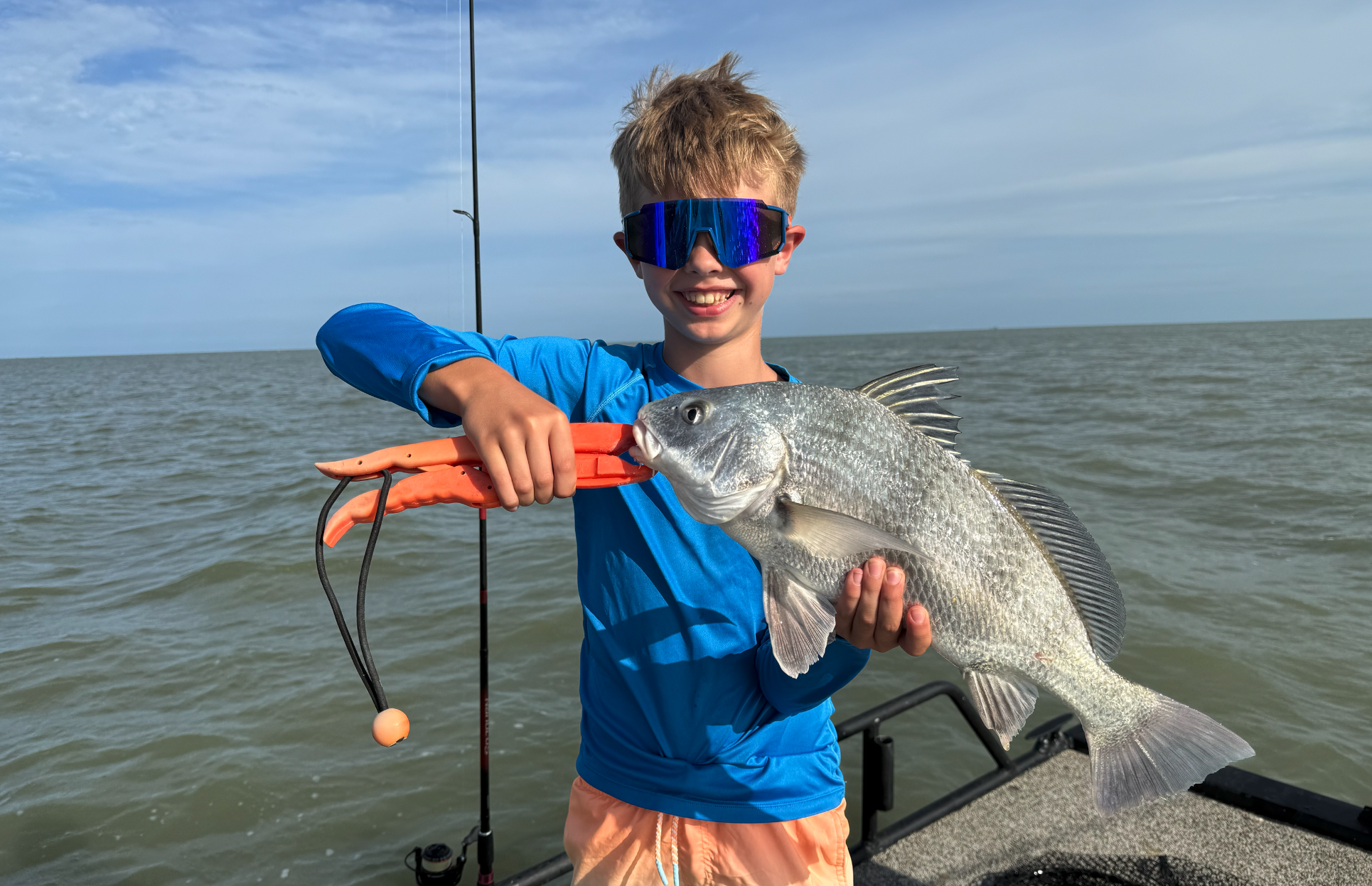
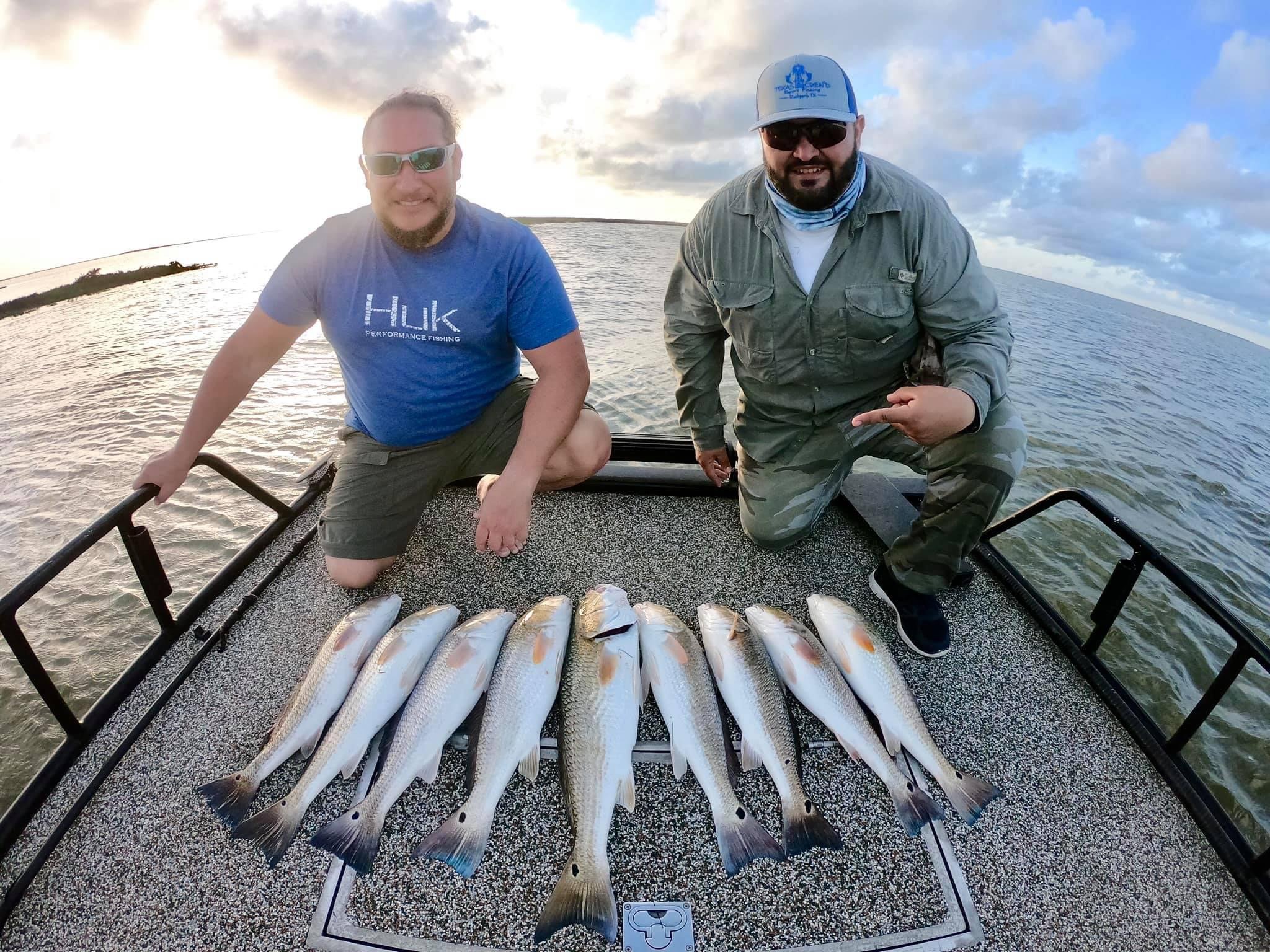
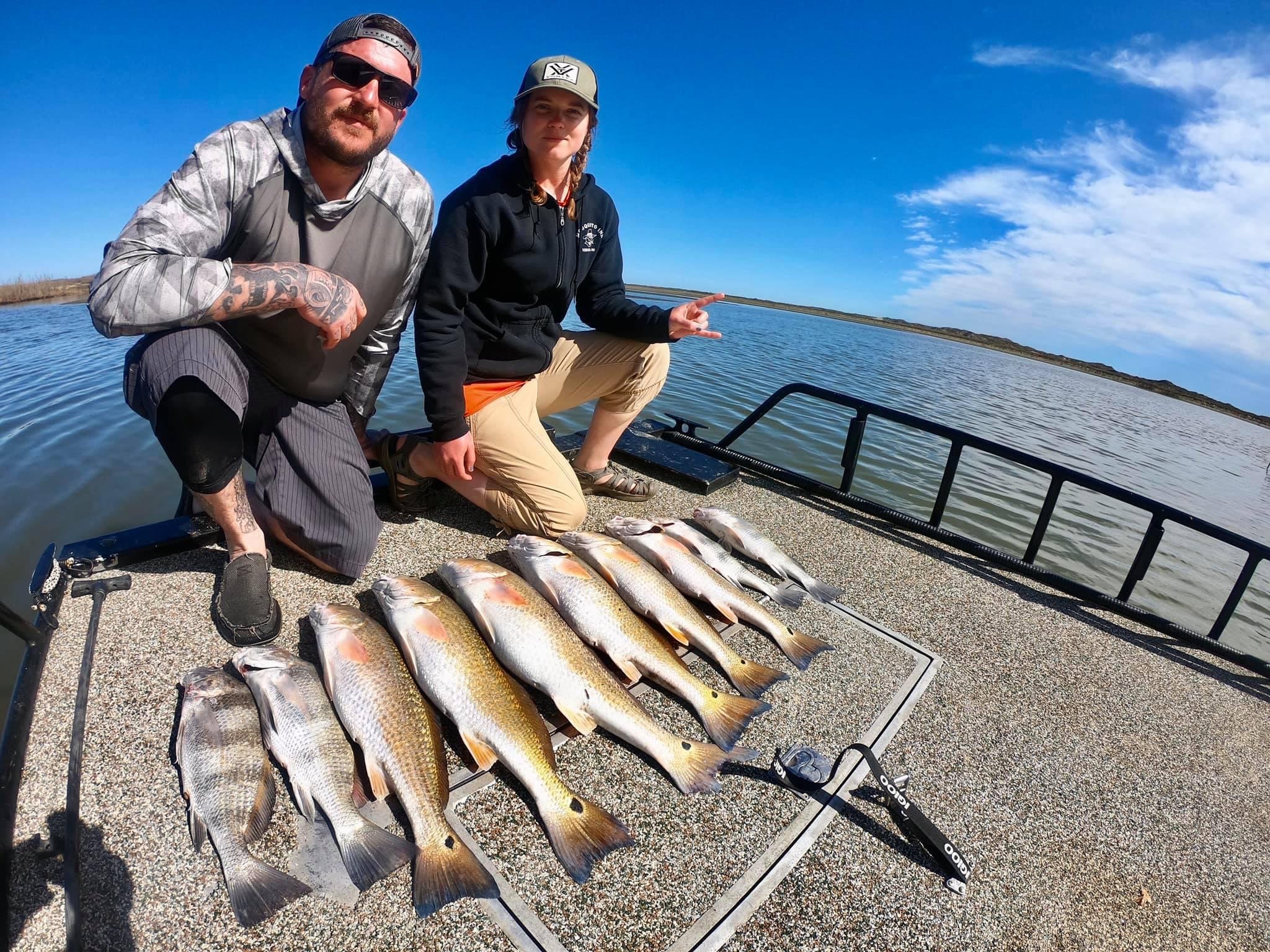
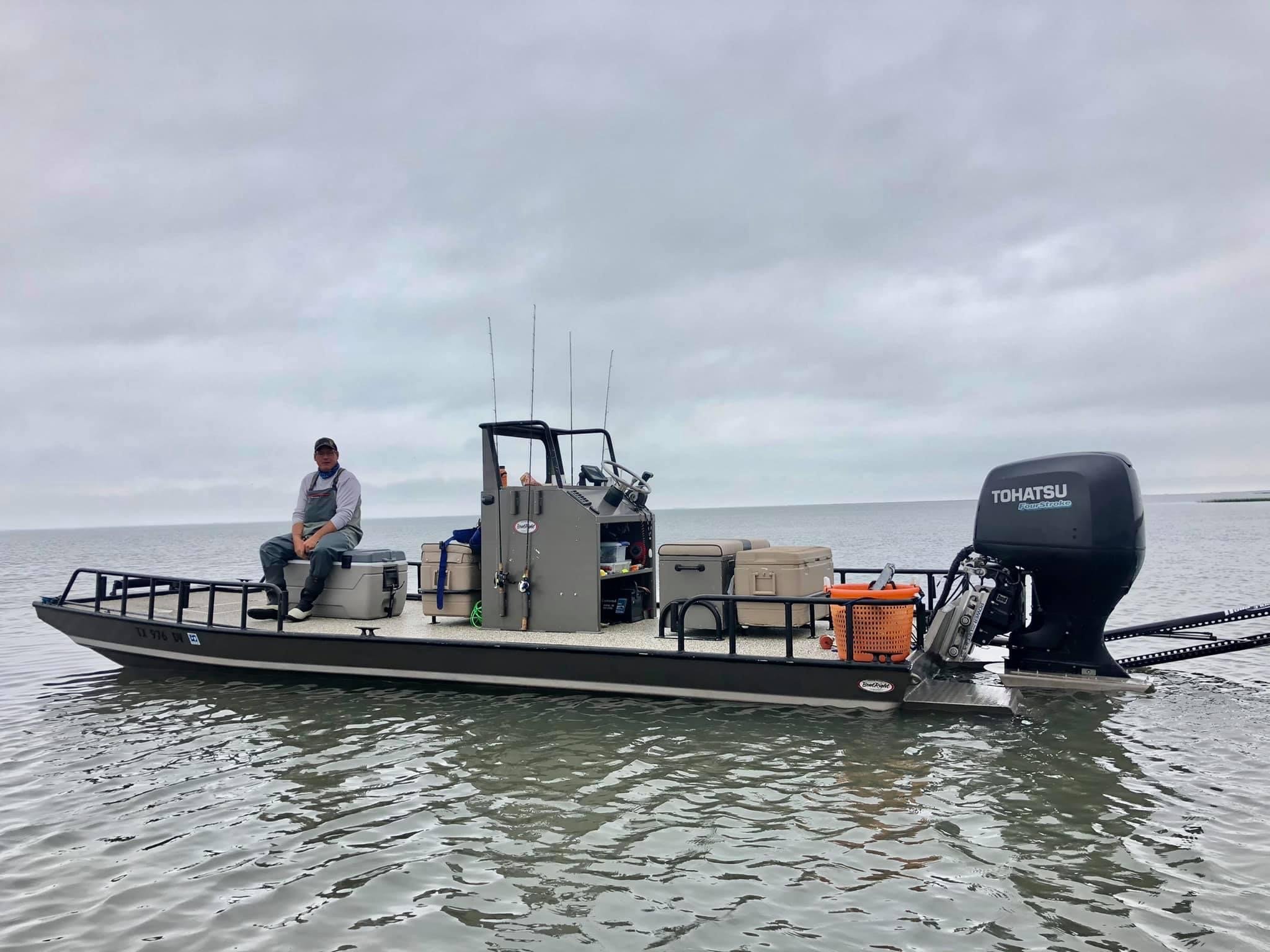
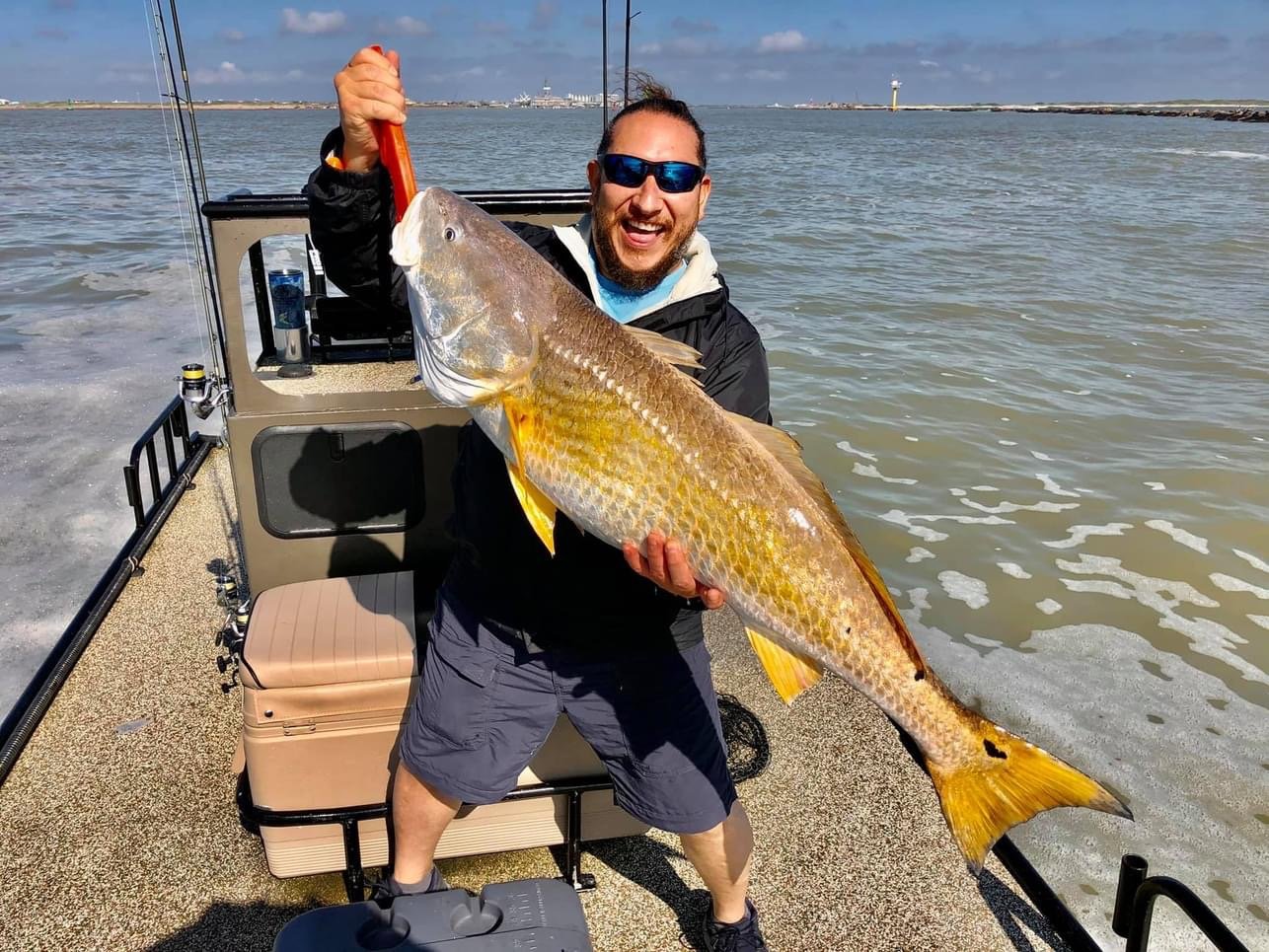
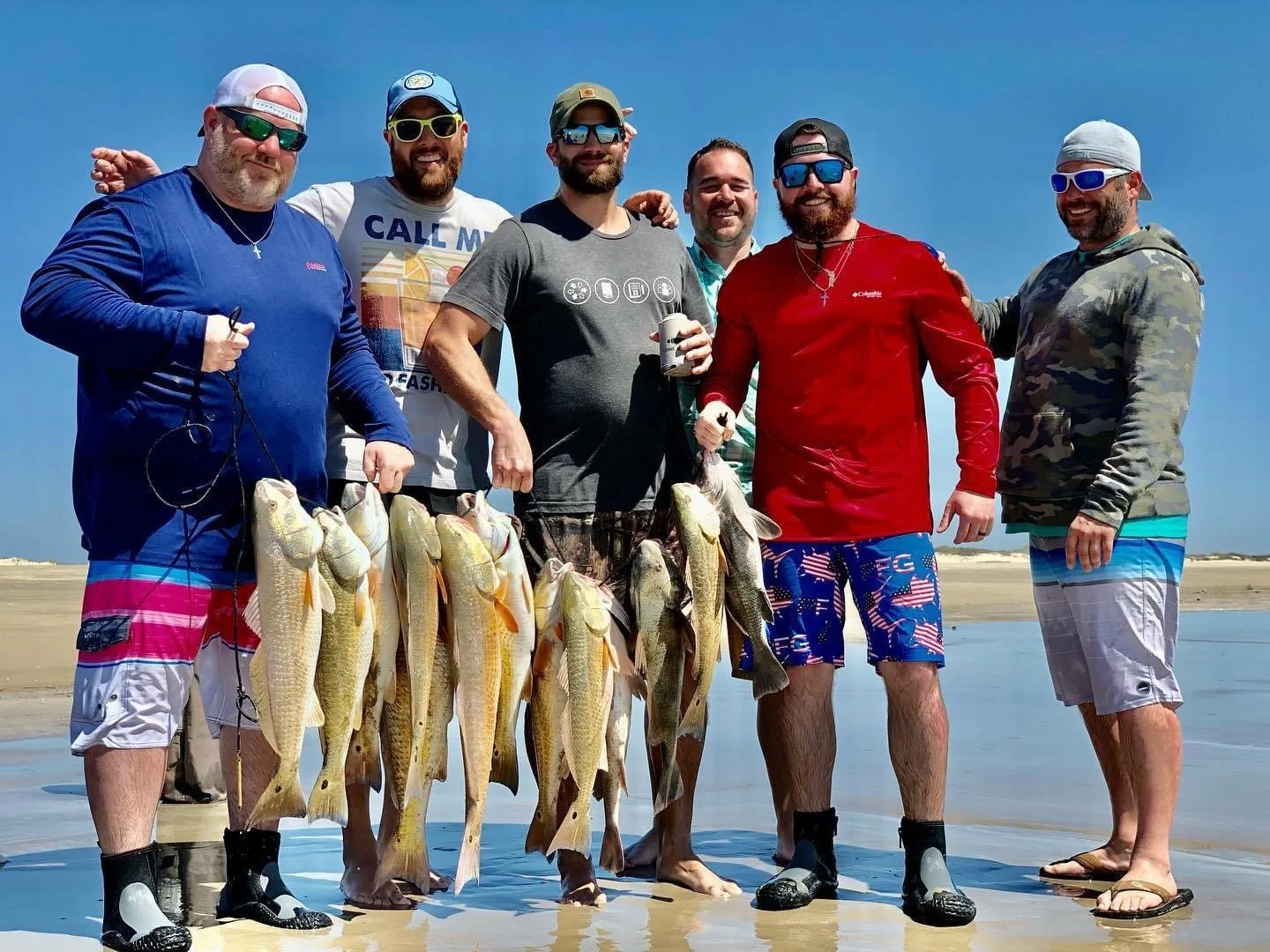


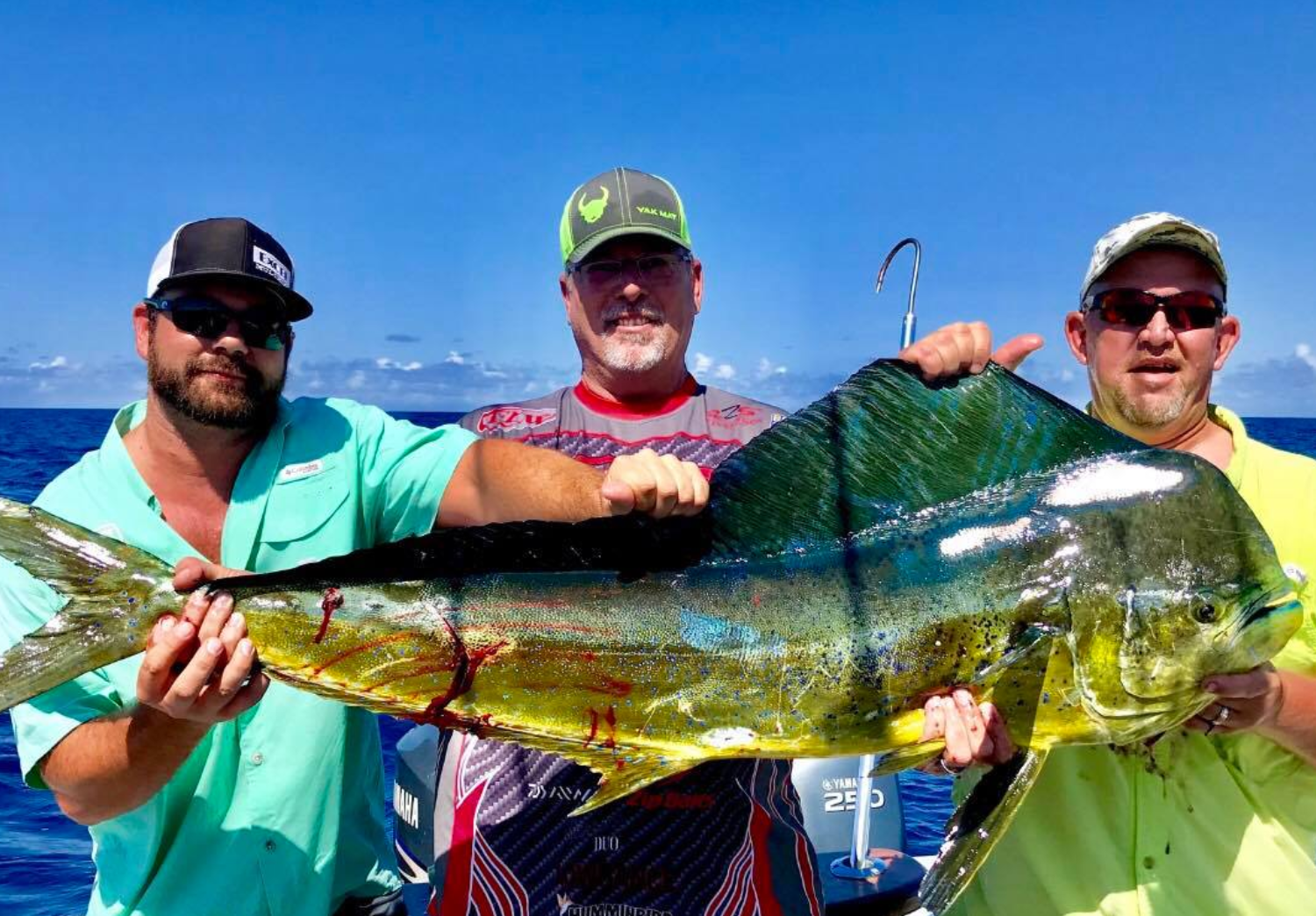
How Texas Crew'd Enhances Your Rockport Mahi-Mahi Fishing Experience
Chasing mahi-mahi on your own is fun, but fishing with an experienced local captain transforms it into something unforgettable. Captain Blake and the Texas Crew'd team know every weed line, every structure, and every seasonal shift in the Gulf waters around Rockport. We navigate you to the fish, handle the technical side, and make sure you're fishing with premium gear and techniques that deliver results.
Book your Rockport mahi-mahi charter with Texas Crew'd and fish the flats with local pros, premium gear, and a smooth, family-friendly experience from launch to fillet table. Lock in your date now and chase your personal best on the Texas coast—spots go fast.
Ready to plan your trip? Book our Guided Fishing Trips Rockport TX today!
FAQ: Your Mahi-Mahi Fishing Questions Answered
-
Live mullet and mackerel are top choices, along with strip baits cut from skipjack. Artificial lures and stick baits also work great, especially those with enticing swimming motions that mimic fleeing baitfish. The key is matching the size and action to what's naturally swimming in local waters.
-
Absolutely. Mahi-mahi are aggressive eaters and forgiving fish, making them perfect for anglers of all skill levels. Their willingness to strike and their impressive acrobatics make every catch memorable, regardless of experience.
-
In Rockport waters, expect fish ranging from 5 to 20+ pounds. Larger "bull" mahi (males) are bright blue and put on spectacular aerial shows, while smaller females still deliver incredible fights and great eating.
-
Most mahi-mahi fishing happens offshore, where they prefer deeper waters with structure and floating debris. A guided charter is the safest and most effective way to reach productive grounds and learn from someone who knows the waters.
-
Trolling covers water by moving at steady speeds with lures that mimic baitfish, while sight casting involves spotting visible fish and casting directly to them with precision. Both techniques work; trolling is efficient for finding fish, while sight casting delivers the thrill of watching them take your lure.